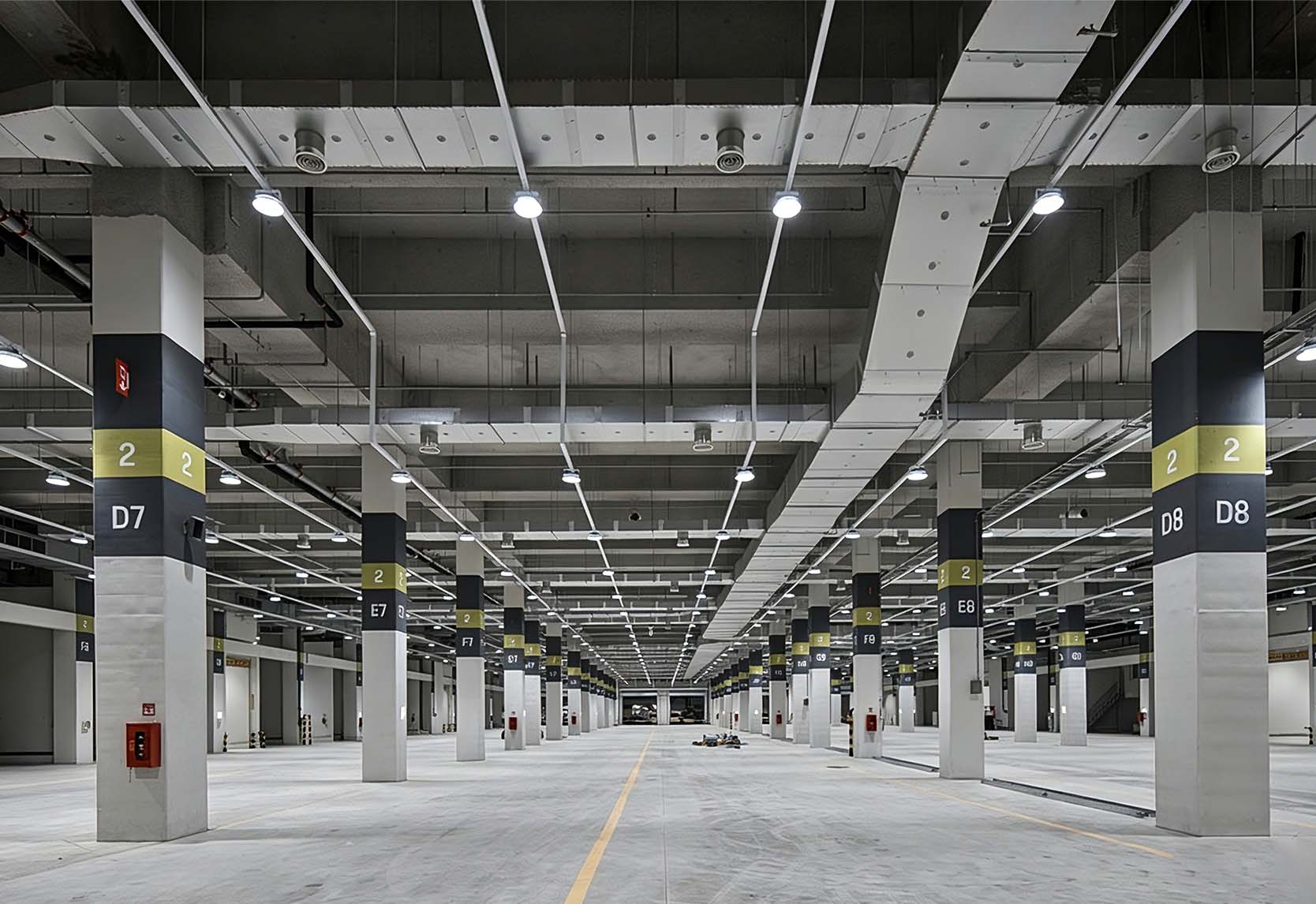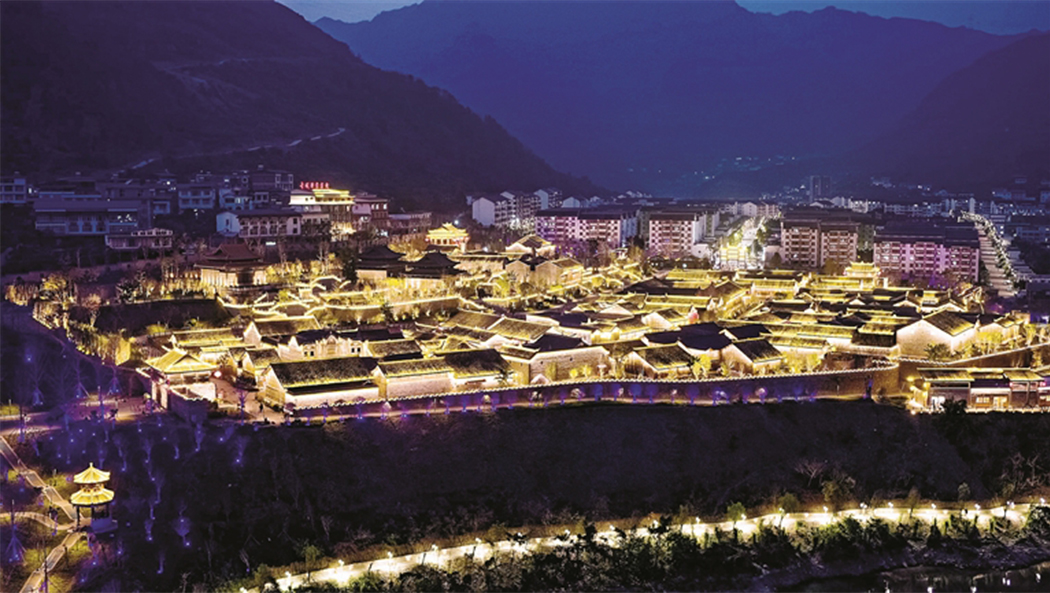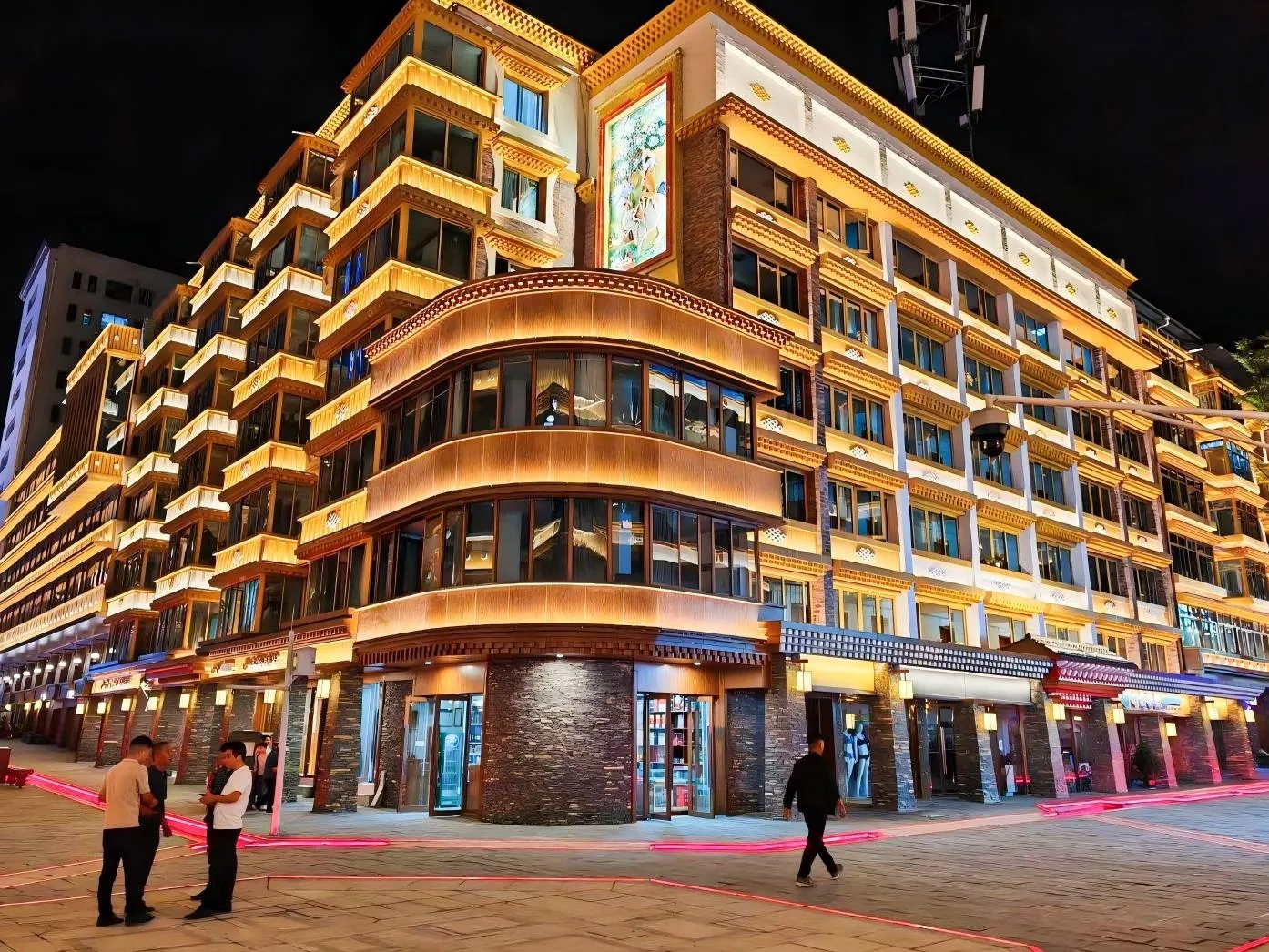


Tunnel environments present unique challenges such as enclosed space, lack of natural light, high-speed traffic, and rapid visual adaptation changes. These factors make tunnel lighting not just about illumination, but a complete safety and visual adaptation system.
Compared to standard roadway lighting, tunnel lighting must address entry “black hole” effects, interior uniform lighting, and exit “white hole” adaptation. Poor design can easily cause driver fatigue and safety risks.
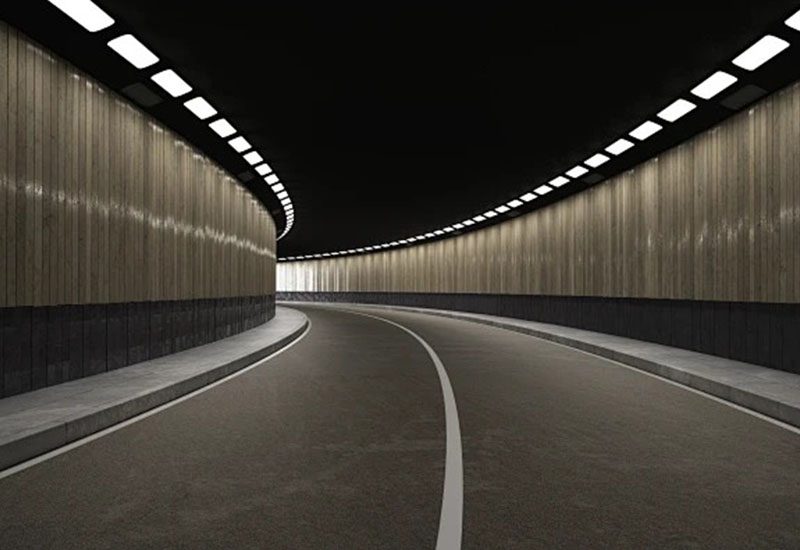
A standard tunnel lighting system is divided into four key zones:
The entrance zone handles the “black hole effect” to prevent sudden brightness changes. The transition zone gradually adjusts luminance for visual adaptation. The interior zone provides stable and uniform lighting conditions. The exit zone reduces the “white hole effect” and helps drivers adapt back to natural light.
These zones work together to ensure safe visual transition throughout the tunnel.
Tunnel lighting design is not simply about brightness levels. It follows a “visual adaptation first” principle.
Key design priorities include luminance gradient control, glare limitation, uniformity optimization, staged energy control, and dynamic dimming strategies. Among them, luminance gradient design in the entrance and transition zones is critical for driving safety.
Tunnel lighting is typically one of the most energy-intensive parts of roadway infrastructure due to long operating hours, high brightness requirements in entrance zones, dense fixture deployment, and limited dynamic control capabilities.
In many projects, constant full-power operation and lack of zoning control significantly increase energy waste.
Cost reduction in tunnel lighting is not about reducing illumination but improving demand-based lighting efficiency.
By dividing the tunnel into independent lighting zones, brightness can be adjusted dynamically:
This significantly reduces overall energy consumption.
Reference Solution:
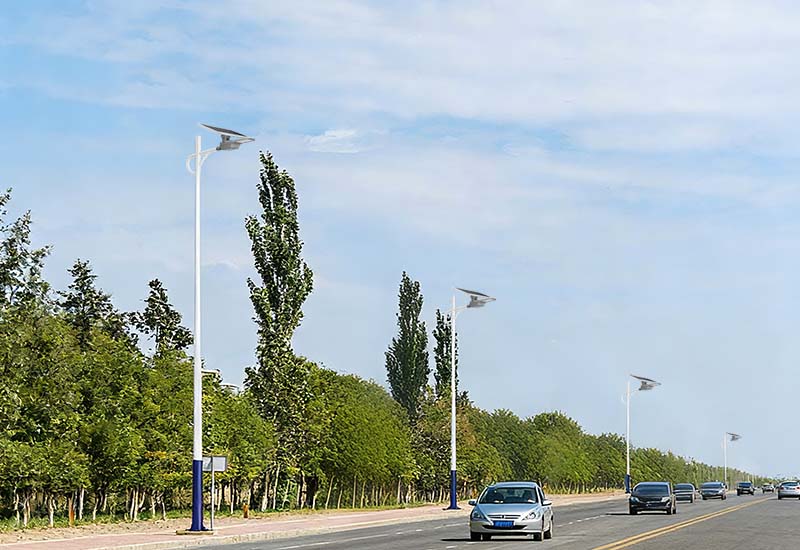
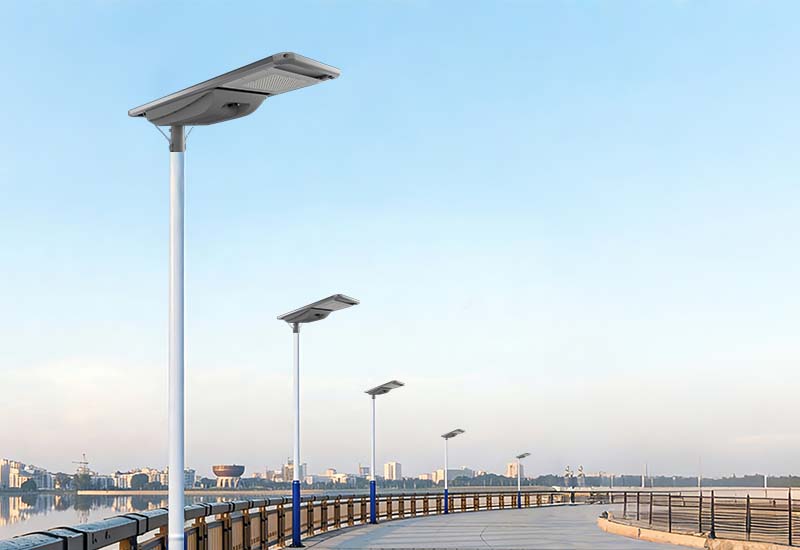
Tunnel & Roadway Lighting Solutions
Lighting output is automatically adjusted based on traffic flow, time schedules, or ambient conditions, ensuring “on-demand lighting” instead of constant full output.
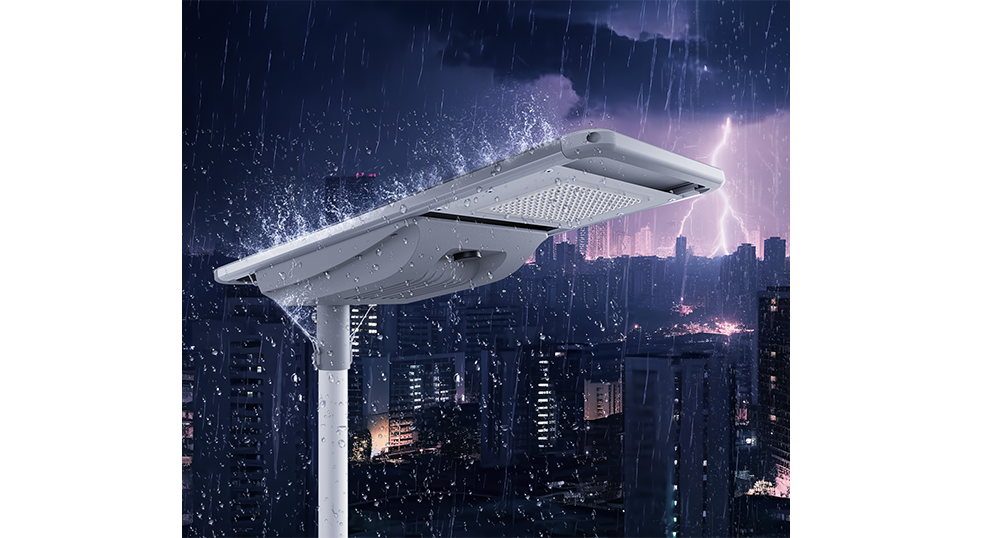
High-efficiency LED fixtures reduce installed power while maintaining required illuminance, lowering energy consumption from the source.
Centralized control platforms enable remote monitoring, scheduling, and maintenance optimization, reducing operational labor costs.
System Reference:
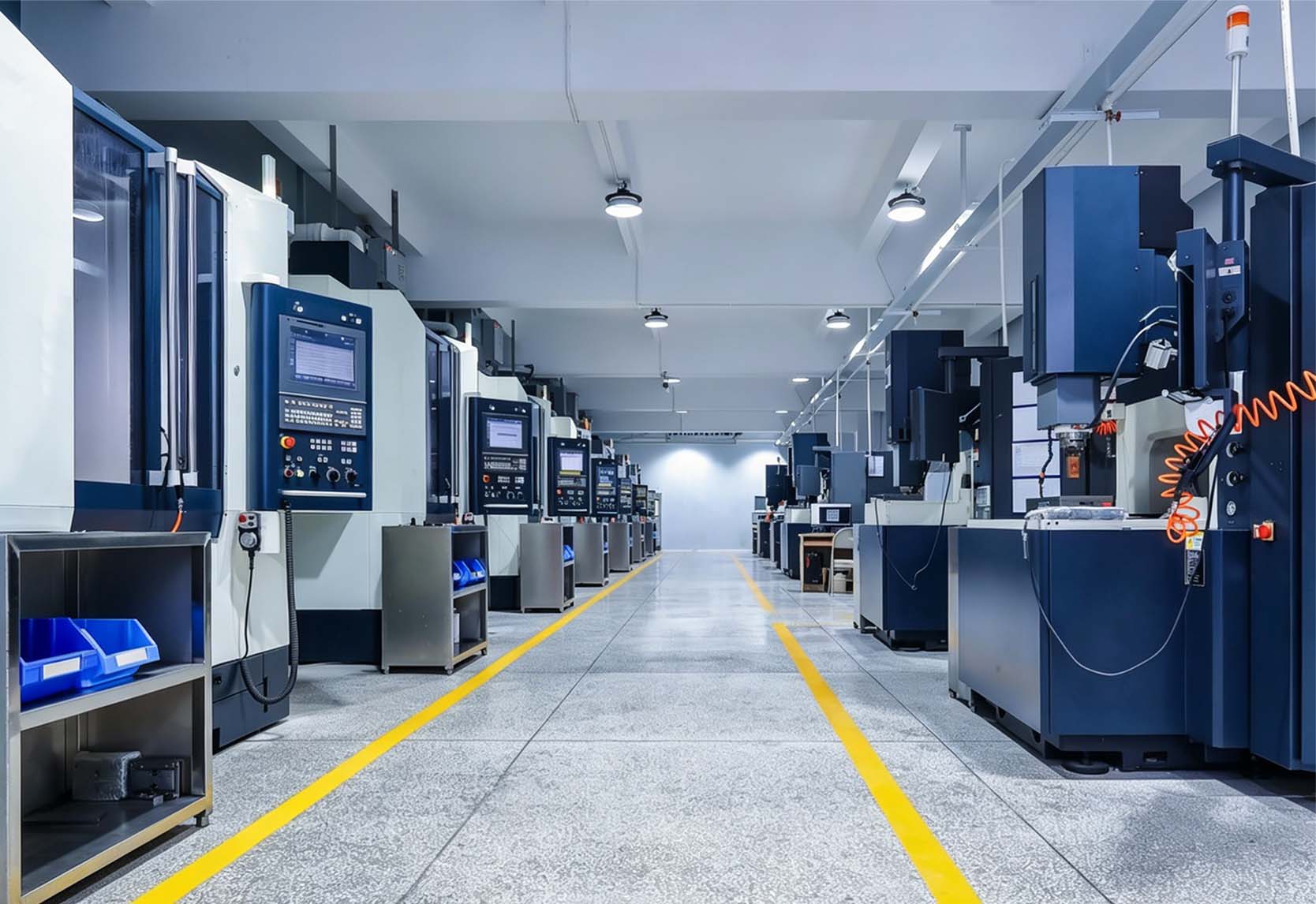
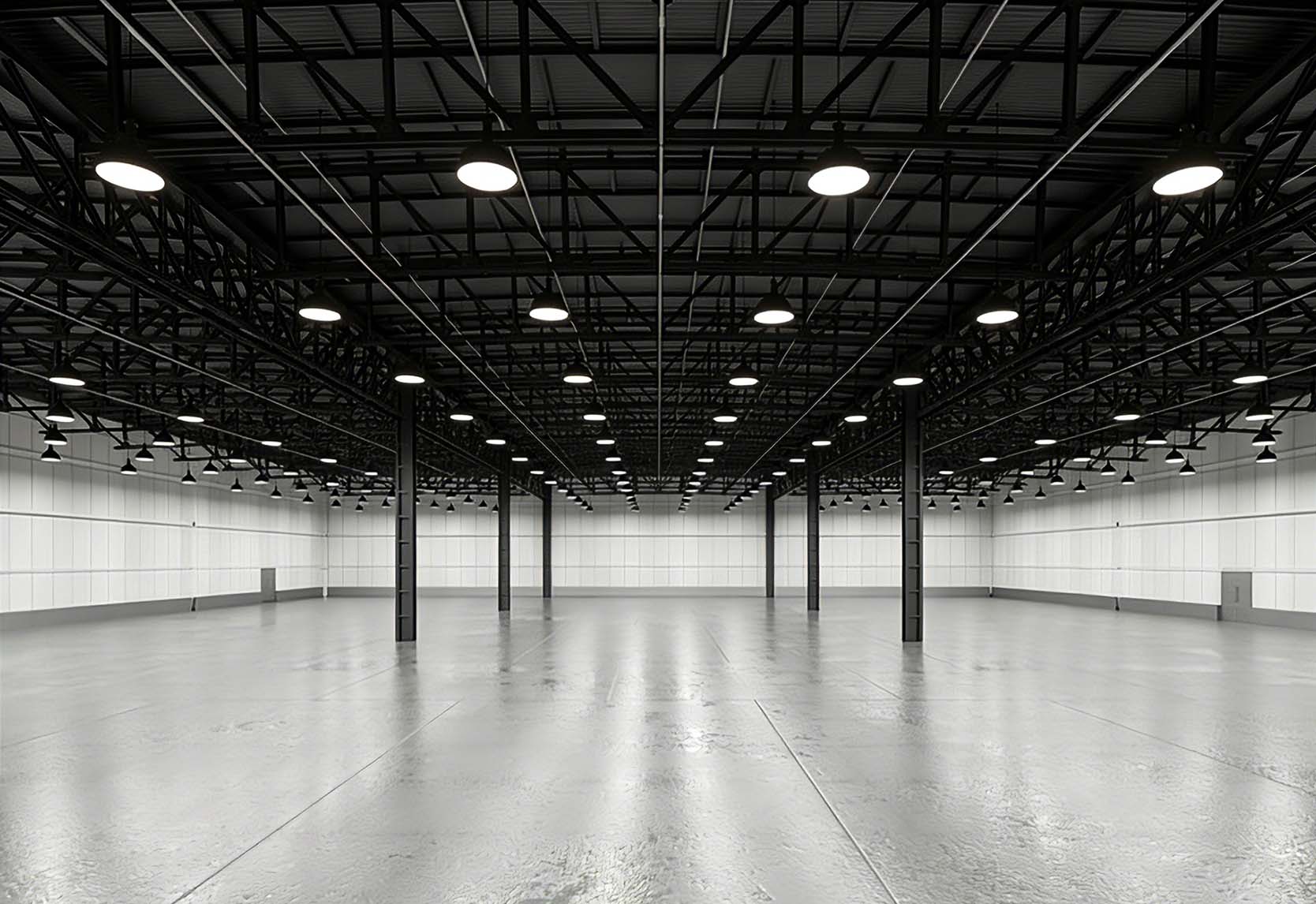
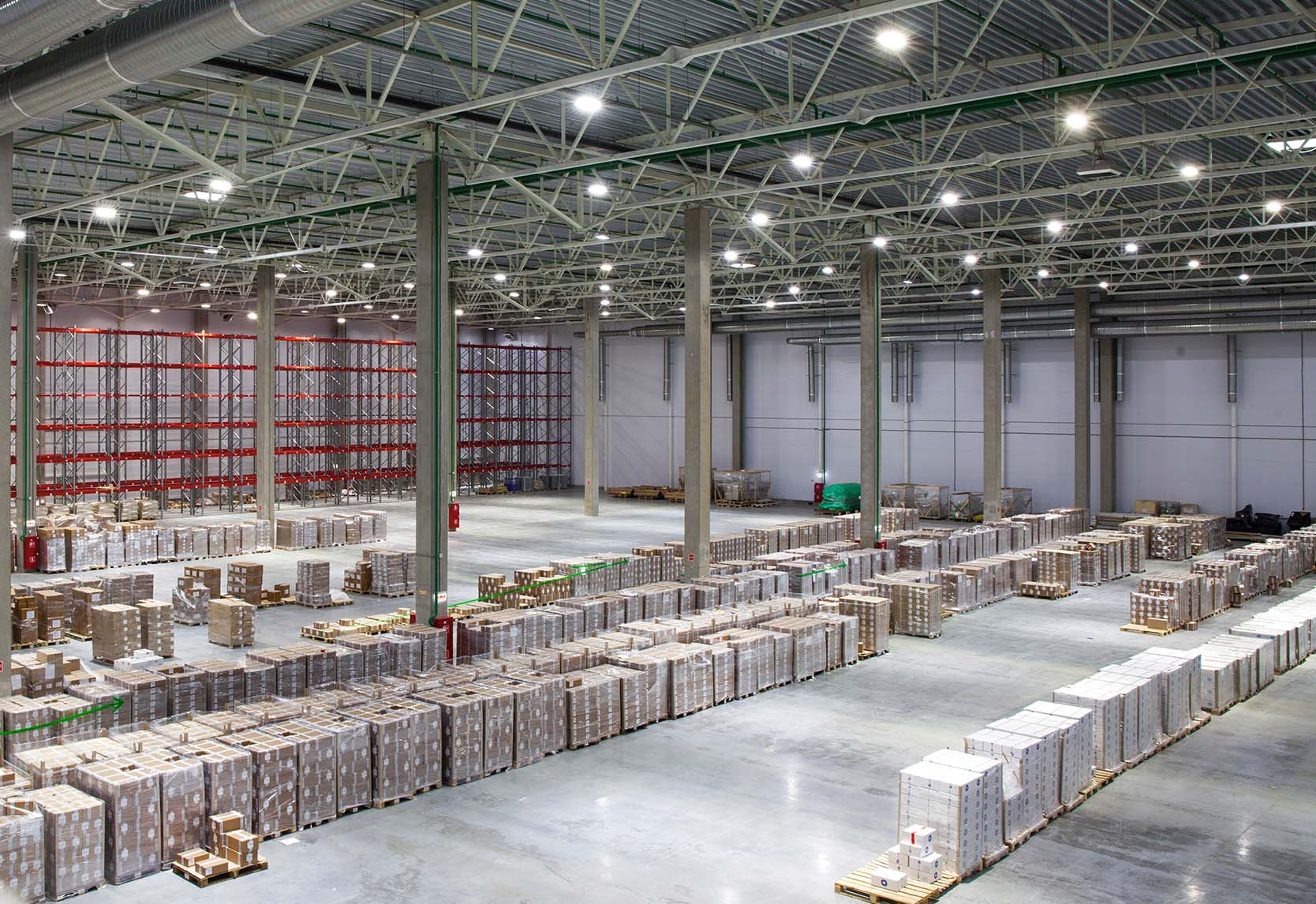
Industrial LED Lighting Solutions
Proper optical distribution and reflective control improve light utilization efficiency while reducing glare and wasted illumination.
Safety remains the primary goal of tunnel lighting design.
Key elements include visual adaptation transition design, luminance uniformity control, glare reduction, and emergency lighting systems.
Among them, proper luminance transition in entrance and transition zones has the greatest impact on driver safety.
Frequent problems include improper entrance luminance design, uneven fixture spacing, lack of zoning control, failure to consider traffic variation, insufficient smart control capability, and high long-term energy consumption.
These issues directly affect both safety performance and operational costs.
Tunnel lighting is evolving in three major directions:
Widespread adoption of intelligent control systems with traffic-based adaptive dimming; improved energy efficiency through high-performance LED and optical design; and deeper integration with urban traffic management systems.
Tunnel lighting is transitioning from fixed-output systems to dynamic intelligent infrastructure.
Because different tunnel sections have different lighting requirements, zoning improves safety and reduces energy waste.
The key challenge is visual adaptation. Sudden luminance changes can cause driver fatigue and reduce reaction ability.
Due to long operating hours, high entrance brightness requirements, dense fixture layouts, and lack of intelligent control systems.
Yes. By adjusting brightness based on traffic flow and time, energy waste can be significantly reduced.
LED offers high efficiency, long lifespan, low energy consumption, and excellent dimming capability.
Typical features include zoning control, remote monitoring, automatic dimming, energy management, and fault detection.
Key indicators include smooth visual adaptation, uniform luminance distribution, and controllable energy consumption.
HIPO Lighting specializes in outdoor and industrial lighting systems, providing efficient, reliable, and intelligent lighting solutions for global infrastructure projects.
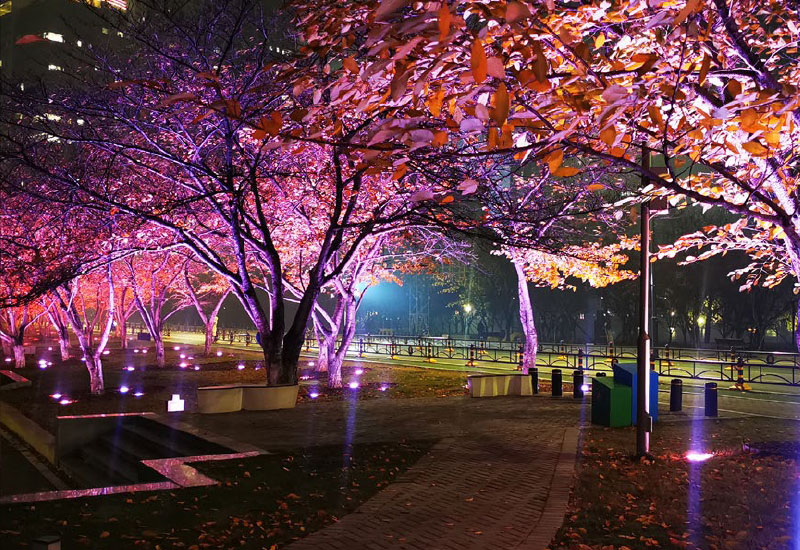
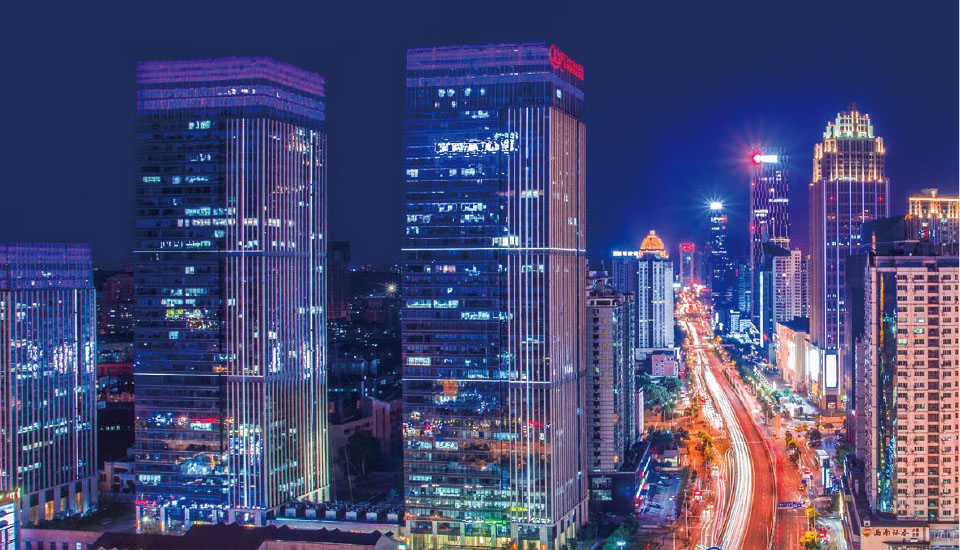
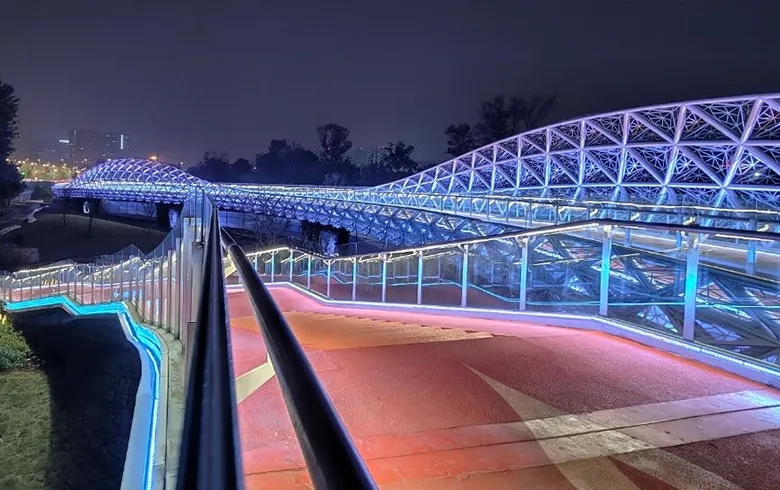
Applications include tunnel lighting, roadway lighting, urban nightscape lighting, and industrial lighting systems.
We provide end-to-end support from lighting design and product configuration to project implementation and long-term maintenance, helping clients achieve safer and more energy-efficient lighting systems.
Solutions:
Industrial LED Lighting Solutions
Contact:
Get Your Solution by Contacting Us Today