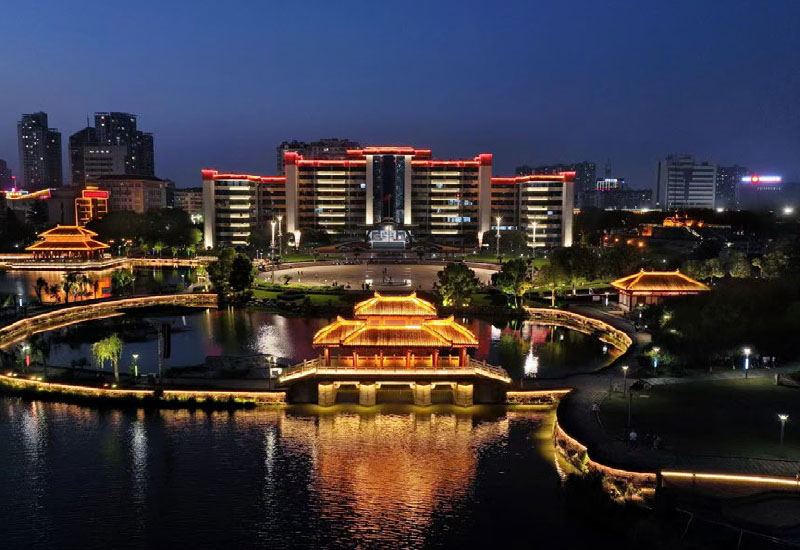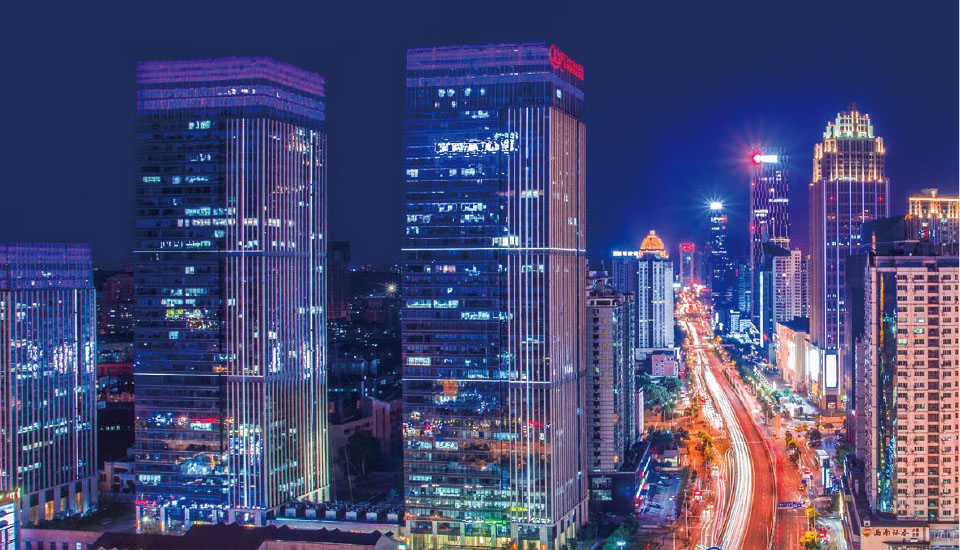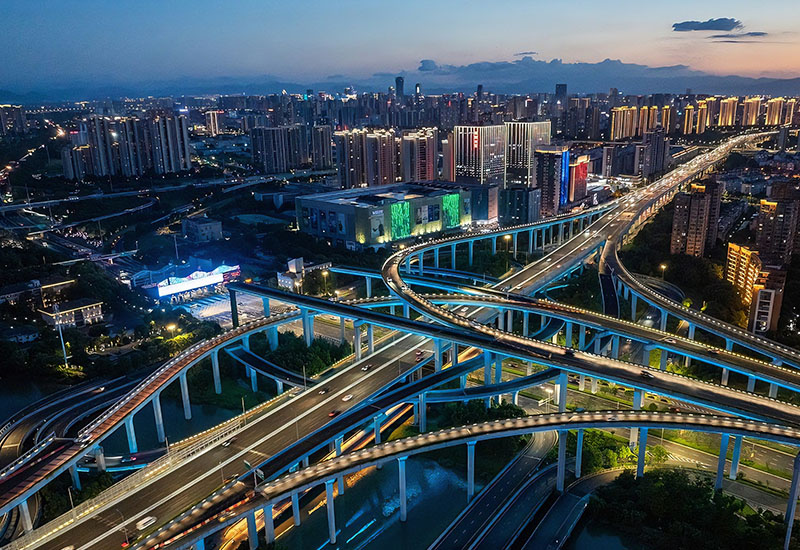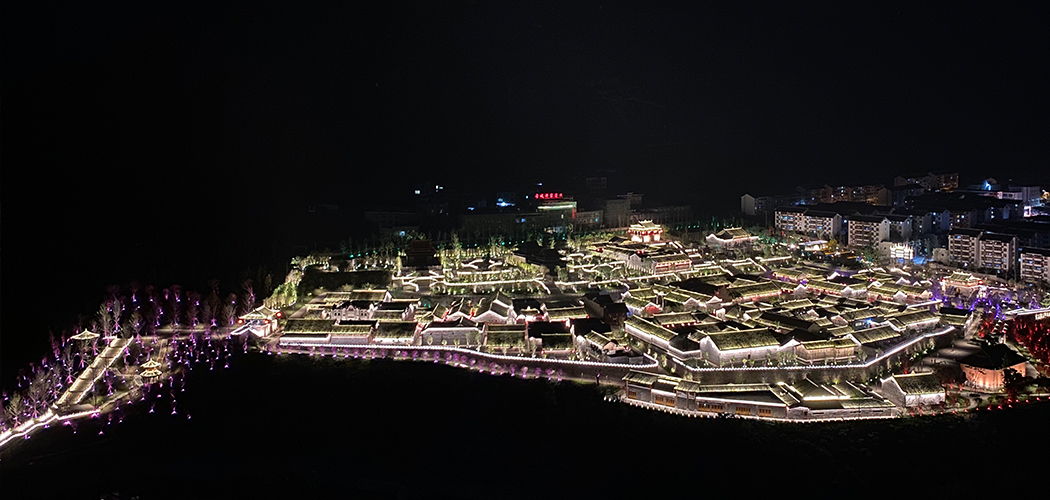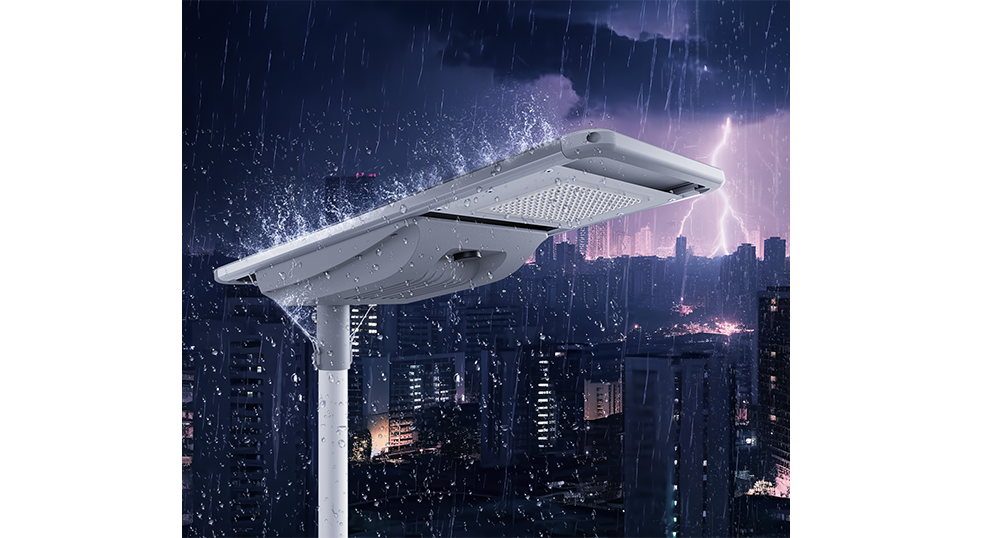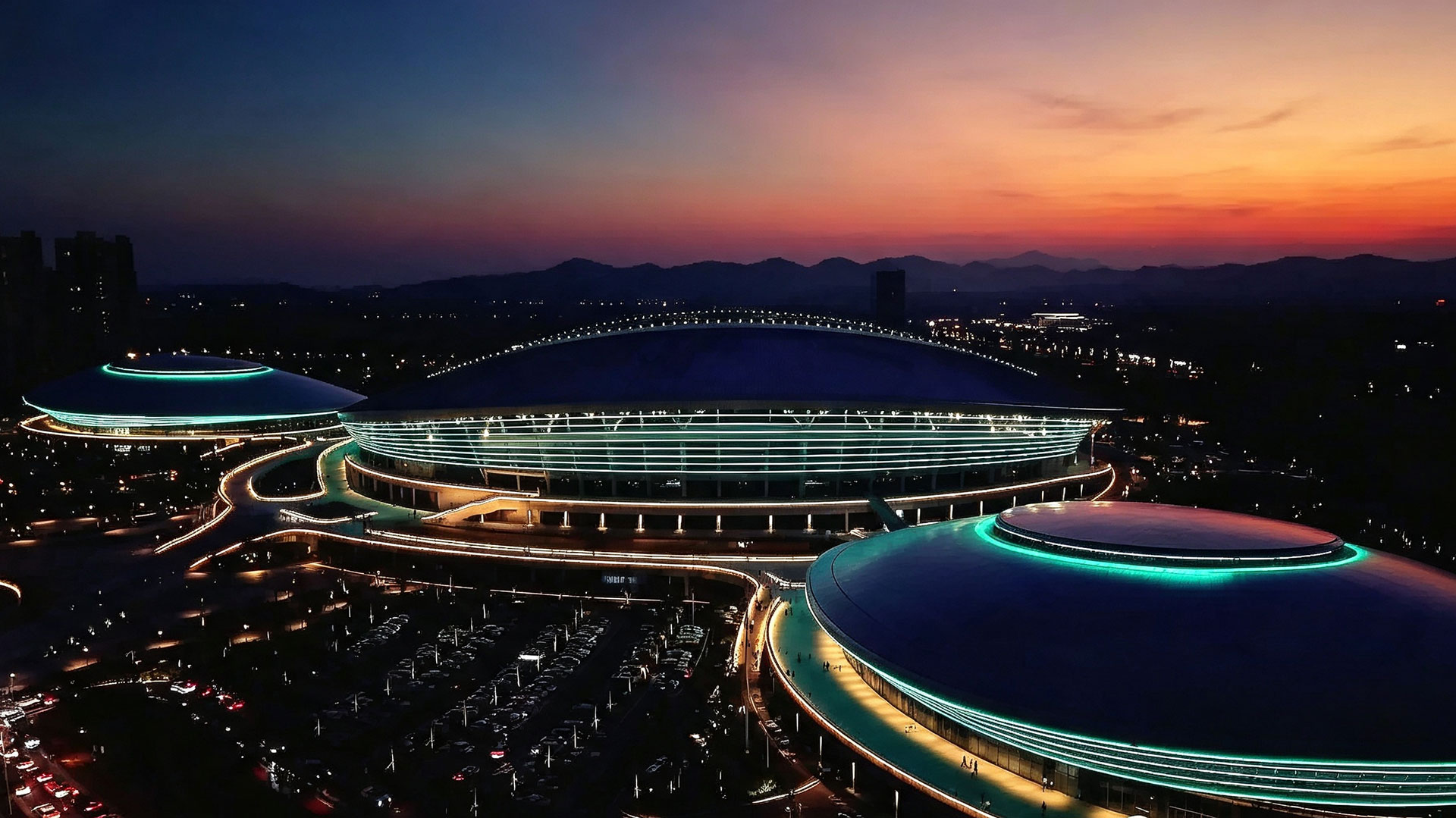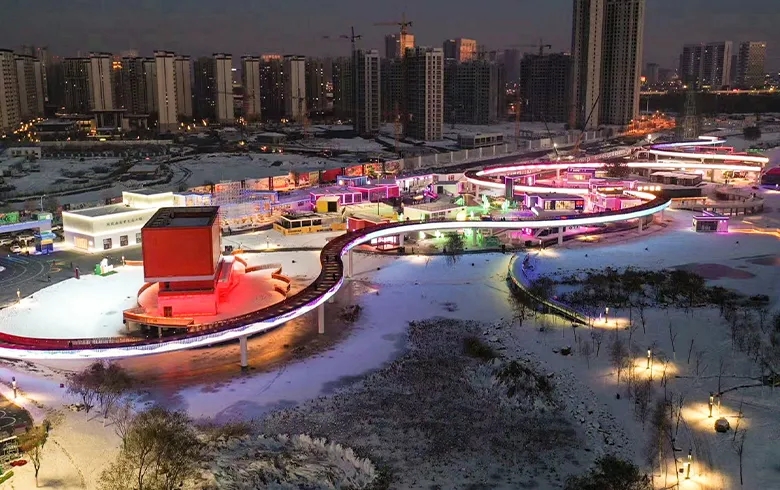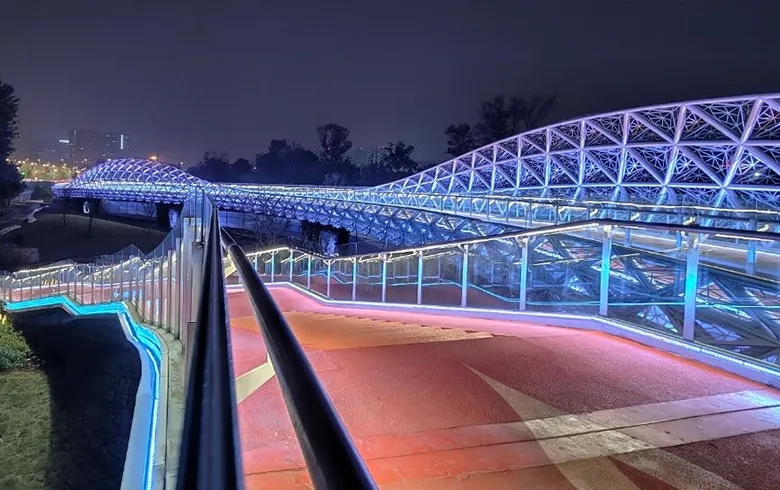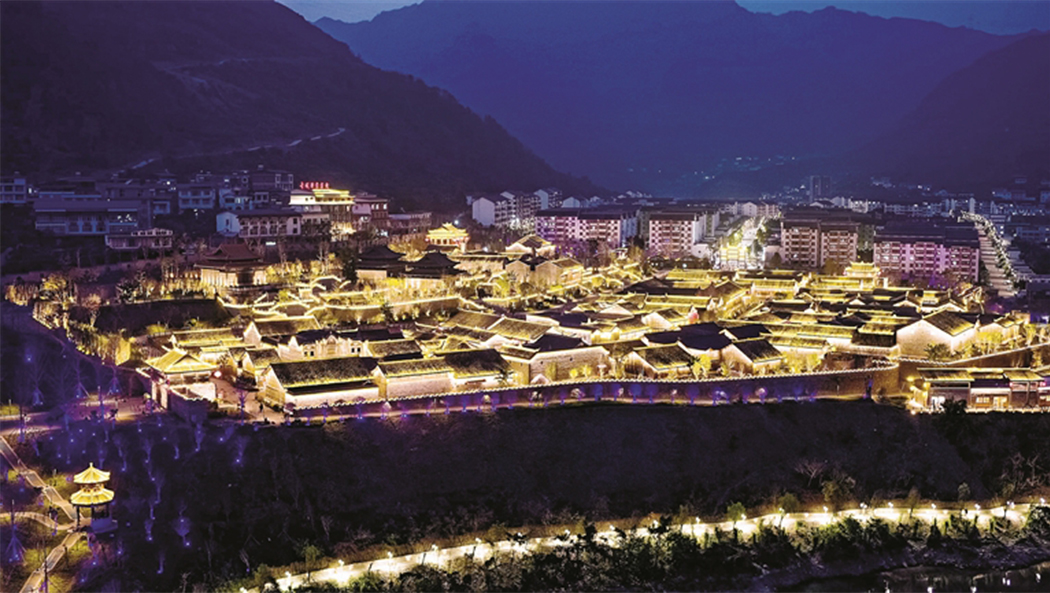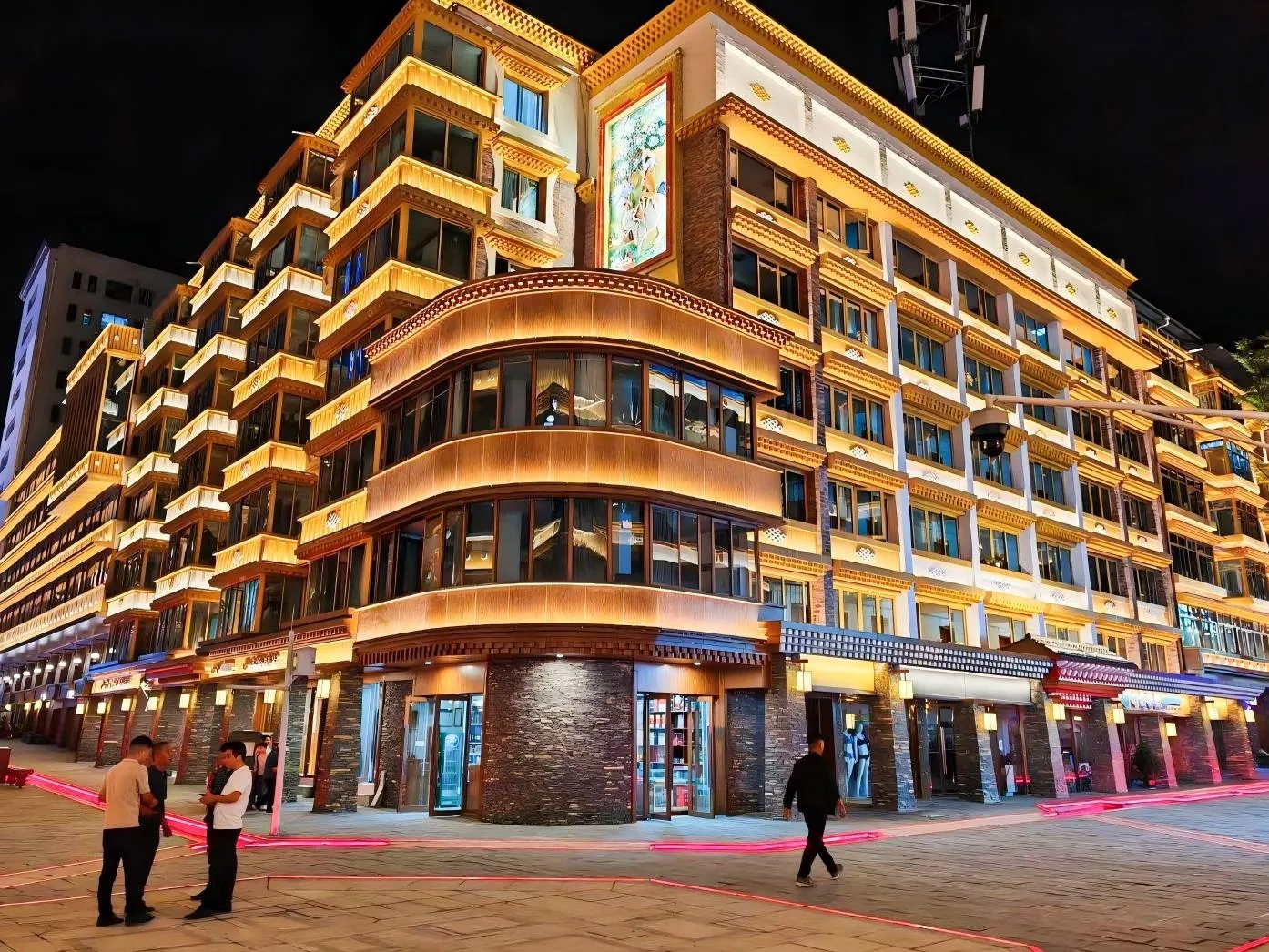


In modern urban construction, architectural outdoor lighting has become a core part of urban nightscape branding and commercial building presentation. However, most mid-to-low-end facade renovation projects suffer from uniform quality problems: excessive brightness, scattered stray light, strong human eye irritation and unreasonable night light overflow. These issues cause serious outdoor lighting glare and urban light pollution, affecting resident rest, disrupting ecological rhythms and even failing official urban lighting acceptance standards.
For architects, urban planners, lighting designers and municipal government supervisors, qualified architectural lighting design is never simply “lighting up buildings”. The core of high-standard nightscape engineering lies in effective architectural lighting glare control and precise light pollution management. This guide systematically analyzes seven executable control dimensions: lamp position layout, LED beam angle selection, installation angle adjustment, luminous intensity matching, color temperature specification, intelligent control system and nighttime operation schedule, providing fully practical design standards for high-quality urban facade lighting projects.
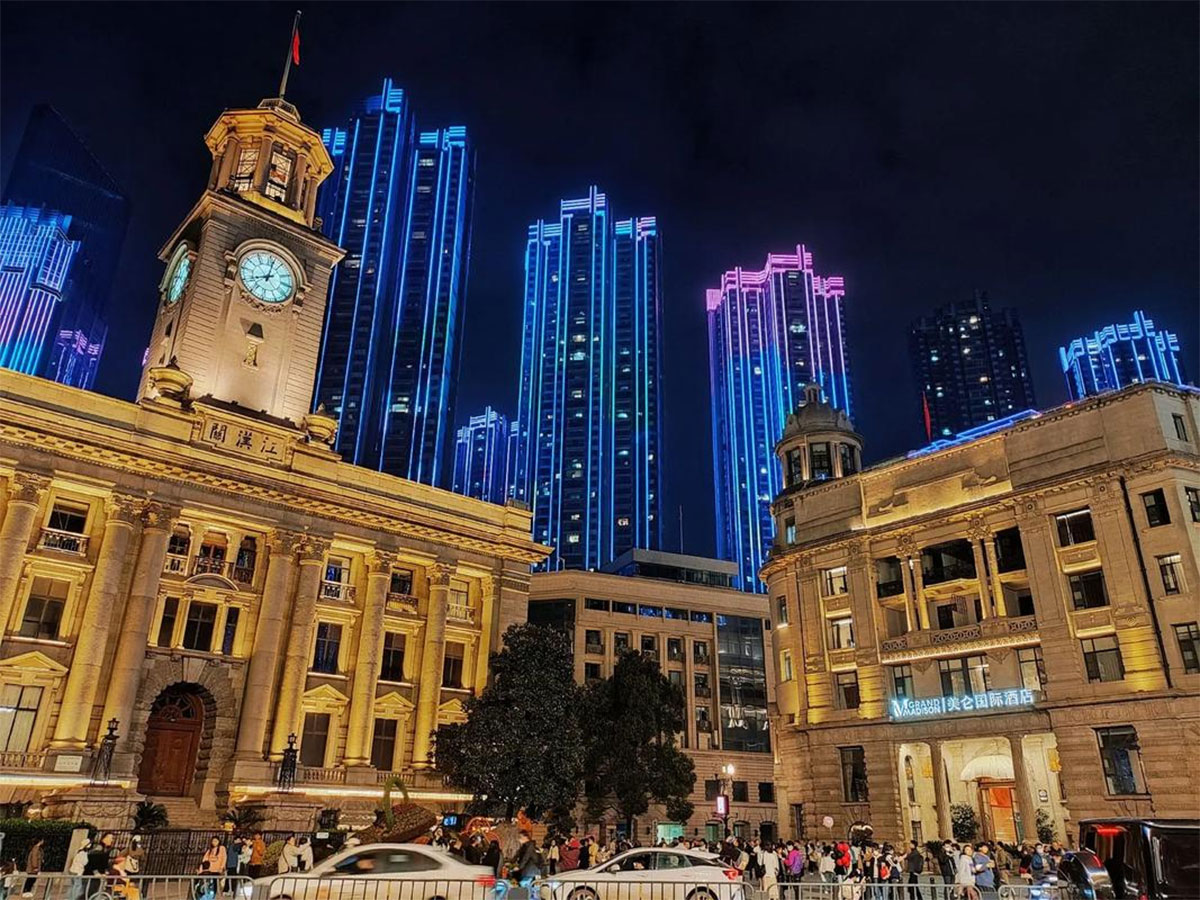
Unreasonable lamp placement is the primary cause of facade lighting glare and light overflow. Many projects directly install lamps on building surfaces or outer eaves, causing positive light exposure to pedestrian sightlines and forming direct glare stimulation.
Professionalarchitectural lighting glare control standard requires hidden and recessed layout priority. Designers should place lighting fixtures in concealed positions such as building cornices, structural gaps, floor partitioning lines and hidden brackets. Isolate the light source from public sightlines physically, ensure the light “hits the wall but not the eye”, and fundamentally reduce direct outdoor lighting glare. For ultra-flat curtain wall buildings without hidden structures, distant overhead installation and oblique projection are adopted to avoid horizontal light overflow.
Blind use of wide-beam flood lights is a common design error leading to urban light pollution. Excessively divergent light angles cause a large amount of invalid light to overflow into the sky, residential windows and urban green spaces, forming scattered light waste and hazy night sky glare.
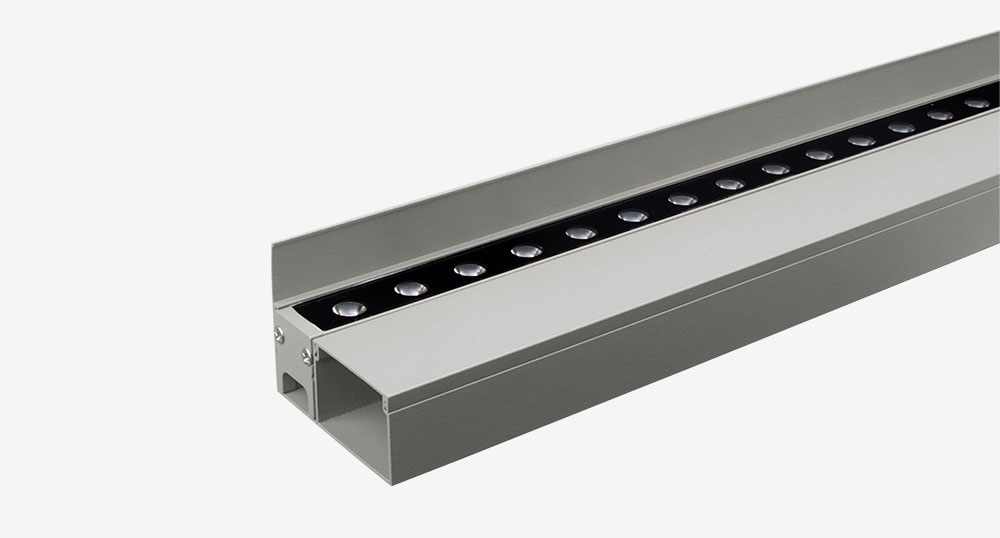
According to architectural lighting design specifications, different building heights and facade areas must match exclusive beam angles. Narrow and medium beams are used for high-rise vertical facades to concentrate effective luminous energy; professional wall washer flat beams are adopted for large-area wall surfaces to ensure uniform light distribution without edge stray light. Precise optical matching greatly improves light utilization rate and is the core technical means to realize low glare outdoor lighting.
Even with high-quality low-glare lamps, incorrect installation angles will completely destroy the lighting effect. Horizontal or upward tilting installation will cause massive light spillover to the sky and surrounding buildings, aggravating urban light pollution.
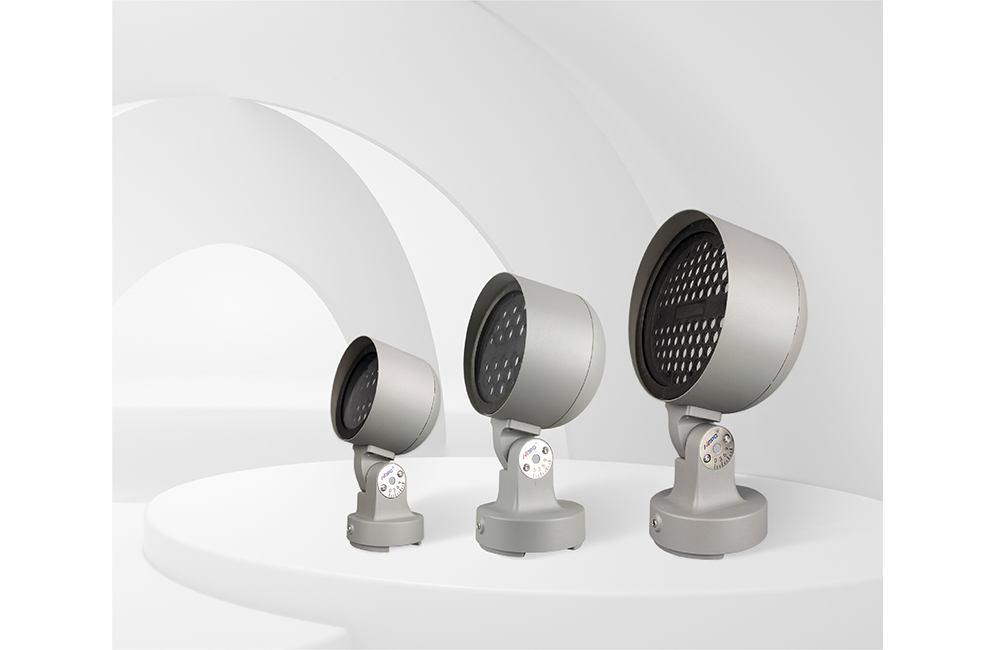
Standard facade lighting installation requires a reasonable downward tilt angle according to the lamp installation height. The light spot is locked strictly on the building facade to form a closed luminous area. No invalid upward light is generated, effectively suppressing stray light diffusion. This manual angle calibration is indispensable in standardized outdoor lighting control and can significantly reduce peripheral glare interference.
Excessive overall brightness is the most intuitive cause of facade lighting glare. Many commercial buildings pursue exaggerated night effects and overload lamp power, resulting in overly bright facades, strong contrast with the surrounding night environment, and serious visual irritation to pedestrians and residents.
Professional architectural lighting design implements graded brightness design according to building attributes and urban functional zoning. Landmark buildings adopt moderate high-brightness expression; ordinary commercial and residential supporting facades use soft low-luminance lighting. Avoid unified full-power lighting, balance hierarchical visual effects, and achieve comfortable low glare outdoor lighting presentation.
High color temperature cold white light (above 6000K) has strong penetrating power and harsh visual feeling, which easily forms strong glare reflection on glass curtain walls and metal facades, becoming an invisible source of urban outdoor lighting glare and light pollution.
In formal urban nightscape renovation and architectural lighting projects, 3000K–4000K neutral warm white light is the mainstream standard. Soft color temperature reduces high-reflection glare, improves building texture restoration, conforms to urban night environment comfort standards, and effectively avoids light disturbance to residents and urban ecological environment.
Fixed full-brightness operation throughout the night is a major neglected cause of long-term facade lighting glare. The human eye’s dark adaptation mechanism makes high-brightness lighting after midnight more likely to produce strong glare interference.
Advanced outdoor lighting control solutions adopt intelligent timing and dimming linkage modes. Implement full brightness in the early night peak period (18:00–22:00) for urban landscape display; automatically reduce 30%–50% brightness after 22:00 to weaken nighttime glare and light overflow. This intelligent dynamic adjustment is widely adopted in modern urban architectural lighting glare control systems, balancing landscape effect and urban environmental protection.
Unlimited all-night lighting will continuously accumulate urban light pollution, interfere with biological rhythms and resident sleep quality, and easily trigger urban environmental assessment failures.
Combined with urban management standards, professional projects formulate standardized operation schedules: landmark lighting is turned off at 23:00; ordinary commercial facade lighting is closed at 22:30; key scenic spots adopt holiday timed opening. Through time-dimensional refined management, eliminate invalid long-term glare radiation, and realize compliant and environmentally friendly architectural lighting design.
Position: Concealed installation, avoid direct sightline exposureOptics: Custom beam angle locking, eliminate stray light overflowAngle: Downward tilted projection, prohibit upward sky light spilloverBrightness: Graded luminance design, prevent over-bright glareColor Temperature: 3000K–4000K soft neutral light, reduce harsh reflectionControl: Intelligent dimming timing, dynamic glare suppressionTime: Standard night shutdown, control pollution duration
Q1: What causes glare in architectural facade lighting?
A1: Direct exposed light sources, unreasonable beam angle divergence, incorrect installation angles, excessive brightness and ultra-cold color temperatures are the main causes of outdoor lighting glare and building light pollution.
Q2: How to effectively reduce facade lighting light pollution?
A2: Adopt hidden lamp layout, professional optical beam matching, downward projection installation, graded brightness design and intelligent timing dimming. Full-process architectural lighting glare control can greatly reduce urban light overflow.
Q3: What is the best color temperature for low-glare building lighting?
A3: 3000K to 4000K neutral warm white light is the most suitable low glare outdoor lighting color temperature for architectural facades, ensuring soft vision and accurate building color restoration.
Q4: Why do urban night buildings look dazzling and glaring?
A4: Most unqualified projects use wide-angle flood lights with excessive power and high color temperature, lacking scientific outdoor lighting control and angle limitation, resulting in serious stray light and visual glare.
Q5: Is intelligent dimming necessary for architectural lighting?
A5: Yes. It is the most efficient post-design optimization method for architectural lighting design, effectively solving late-night glare disturbance and long-term urban light pollution problems.
High-quality architectural outdoor lighting is not about high brightness or exaggerated effects, but about precise, restrained and environmentally friendly light expression. Professional architectural lighting glare control covers the whole process from early layout, optical design, installation construction to later intelligent operation. Standardizing the seven major control dimensions can completely solve common problems such as outdoor lighting glare, facade lighting glare and urban light pollution, helping architects and engineering teams deliver compliant, comfortable and high-grade urban nightscape projects.
HIPO Lighting provides professional low glare outdoor lighting fixtures and one-stop architectural lighting design and outdoor lighting control solutions for urban facade renovation, commercial building lighting and landmark nightscape projects. We support full-process glare and light pollution optimization guidance to meet urban environmental protection and engineering acceptance standards.
If you need customized low-glare facade lighting schemes and professional light pollution control suggestions, welcome to contact our technical team to obtain exclusive engineering design solutions.