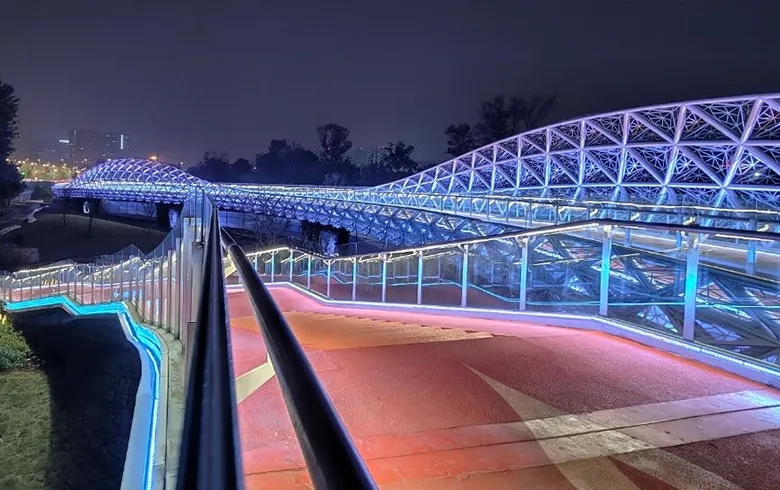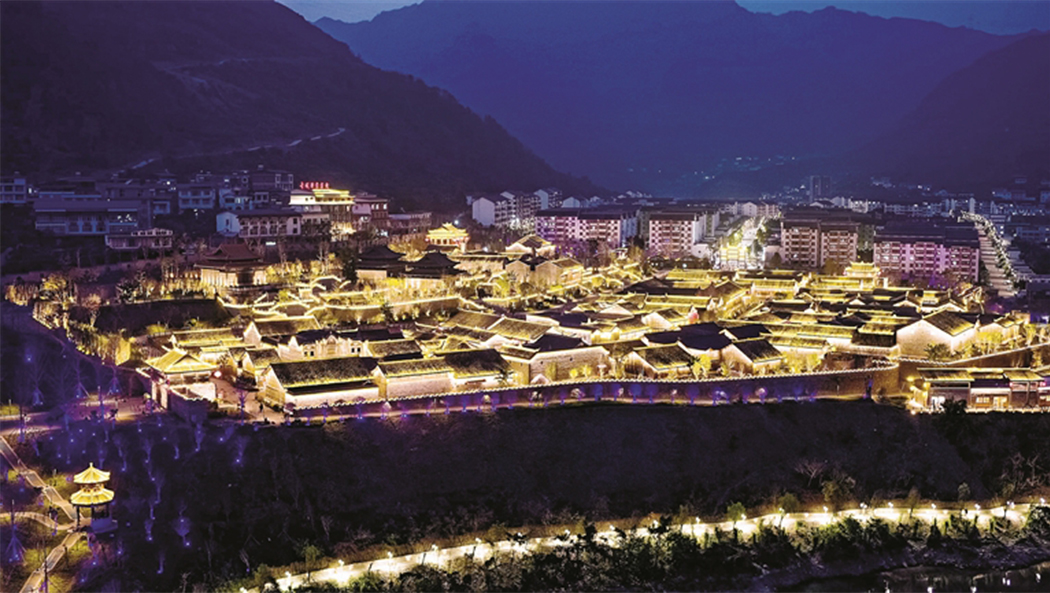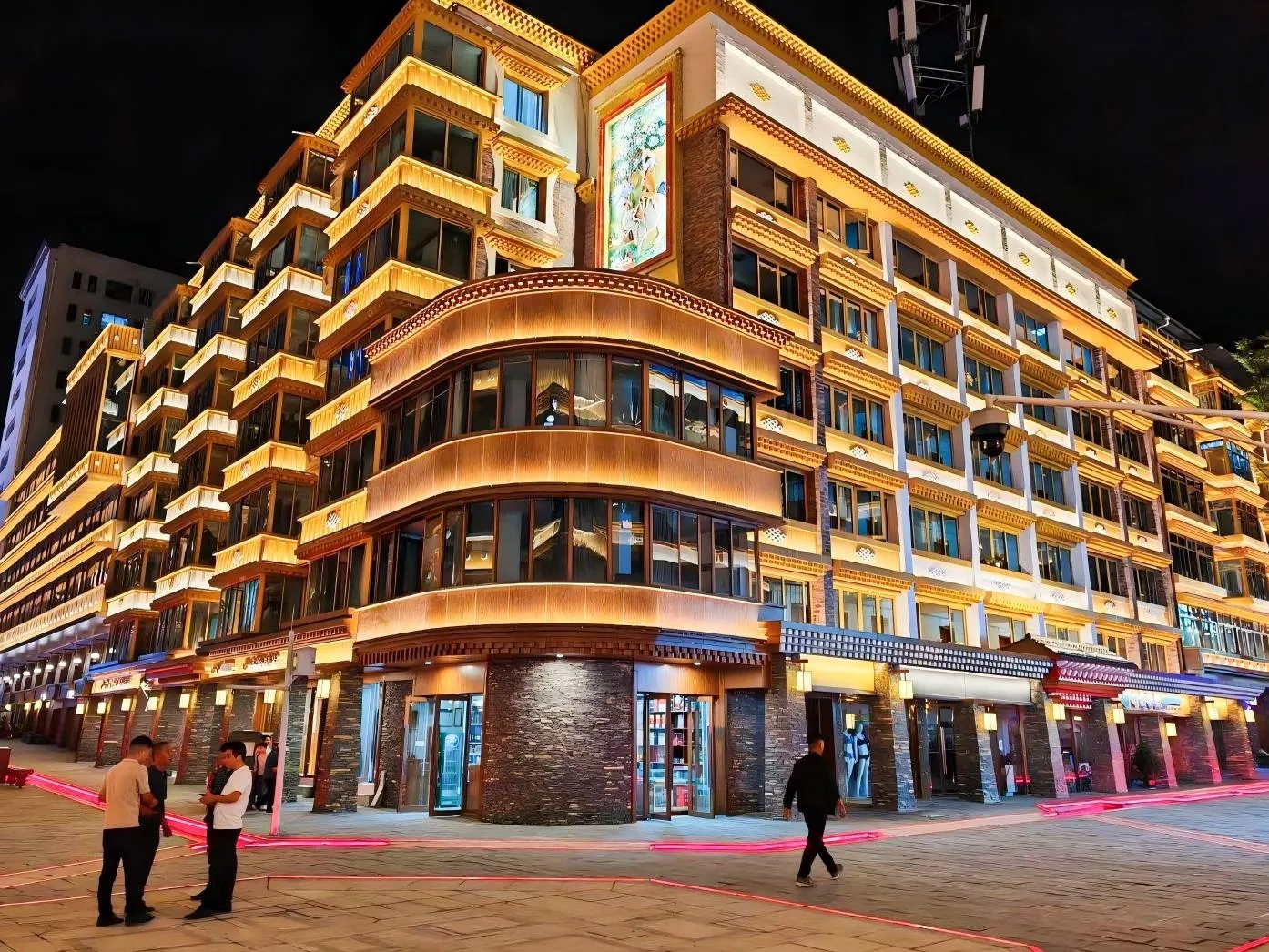


Most outdoor lighting designers and engineering contractors face the same core confusion during project design: At what installation height and coverage area should I choose the right LED beam angle? Most online articles only define basic beam angle concepts, failing to provide actionable LED beam angle guide and practical matching standards between installation distance, target area and professional optical parameters for outdoor lighting optics.
As a professional manufacturer focusing on LED optical design and engineering customized lighting solutions, HIPO Lighting summarizes real project matching rules for LED beam angle selection. This practical guide abandons basic theoretical explanations and focuses entirely on scene-based selection logic for narrow beam LED, medium beam, wide beam LED, asymmetric beam and professional wall washing optics, solving core pain points of uneven illumination, light waste and stray light in all types of outdoor lighting projects.
Combined with global outdoor engineering design habits, outdoor lighting optics are divided into five mainstream optical types. The selection logic is fixed: long distance + concentrated light = narrow beam; short distance + large coverage = wide beam; linear building & road scenes = asymmetric & wall washer beam.
Narrow beam LED (5°–15°): Long-distance focused projection, suitable for high installation height and small-area highlight lightingMedium beam LED (20°–45°): Universal balanced optics, applicable to most conventional flood lighting scenarios and standard flood light beam angle matchingWide beam LED (60°–120°): Large-area uniform coverage, for low installation and wide-range ground outdoor lighting scenariosAsymmetric beam: Offset rectangular light distribution, specially designed for road and linear strip scene outdoor lighting opticsWall washer beam: Flat uniform light output, no central hotspot, exclusive professional wall washer beam angle for building facade lighting
Applicable installation distance: 15m – 50mCore matching scenes: High pole lighting, landmark tower top projection, high-rise building highlight accent, distant landscape modeling lighting
Narrow beam LED features high light intensity, strong light gathering and low light divergence. In high-altitude and long-distance projection projects, conventional wide-angle lights will cause serious light divergence, resulting in dim target surfaces and severe light pollution. The professional narrow beam LED optical design can concentrate luminous energy on the target area, ensuring clear layering and strong three-dimensional sense for high-rise landmarks and high-pole venues, which is the core advantage of targeted LED optical design for long-distance outdoor lighting.
Practical design rule: For every 10 meters of installation height, select 5°–8° beam angle; for ultra-long distance projection above 30 meters, 10°–15° narrow beam is the most cost-effective flood light beam angle solution.
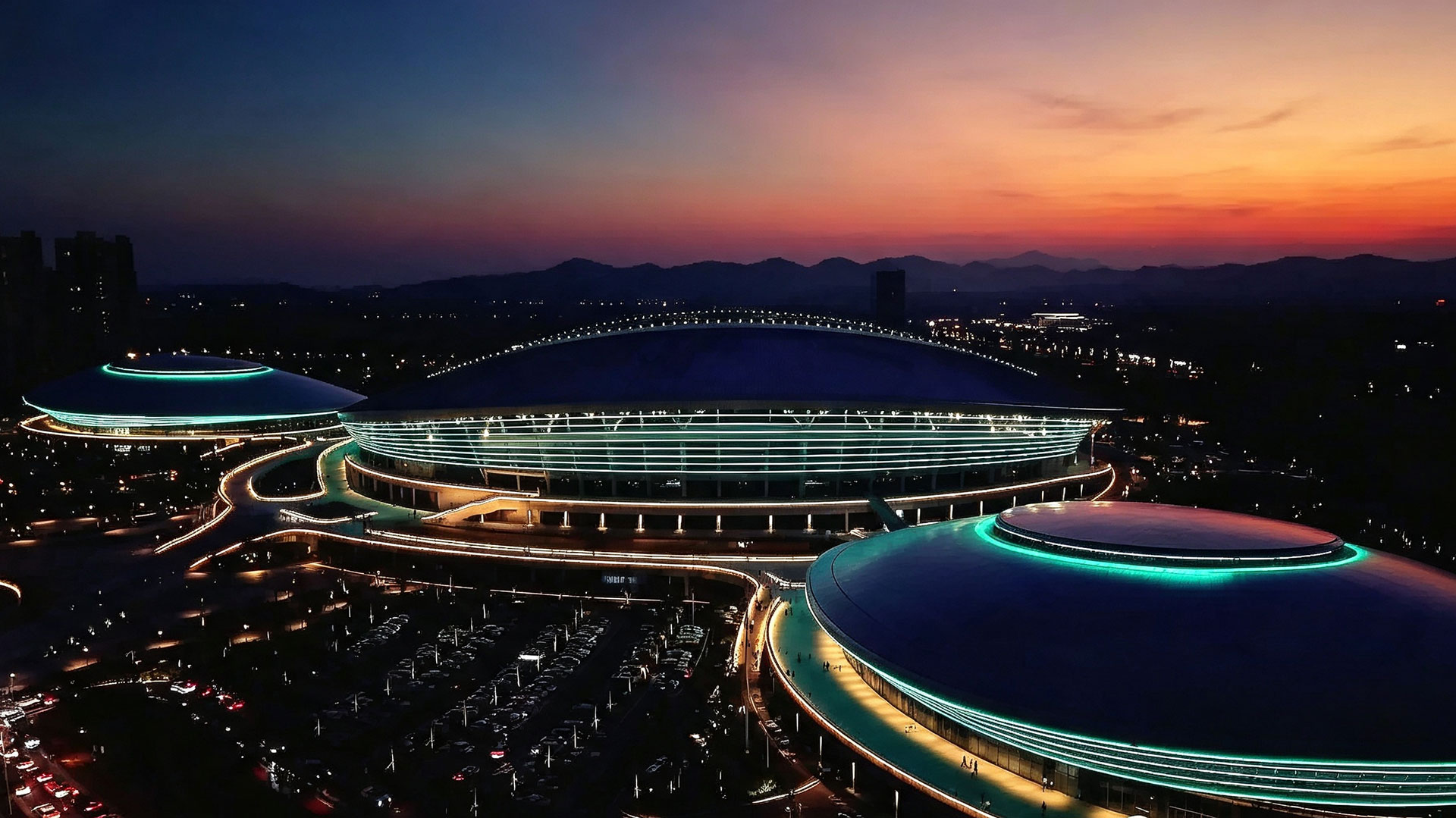
Applicable installation distance: 6m – 15mCore matching scenes: Courtyard landscape, small building outline, stadium auxiliary lighting, park partial accent lighting
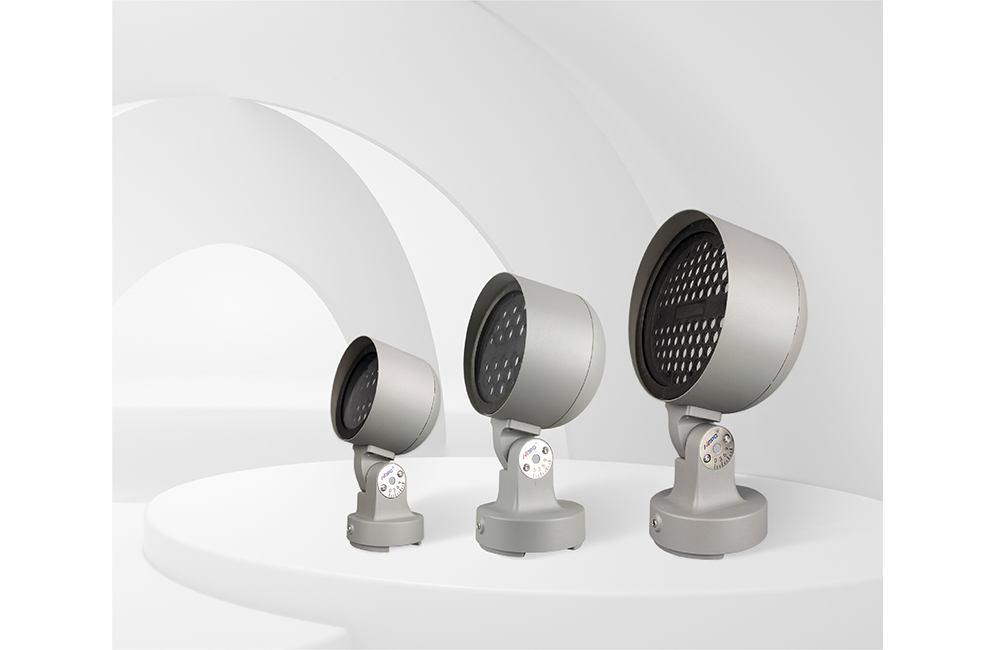
Medium beam is the most versatile LED beam angle in outdoor engineering, perfectly balancing projection distance and coverage area for daily outdoor lighting optics applications. It avoids the insufficient coverage of narrow beams and the blurred light effect of wide beams, fully adapting to medium-height installation scenes in most municipal and landscape projects, and serves as the mainstream flood light beam angle for general outdoor flood lighting.
Practical design rule: 20°–30° for 8–12 meters installation height (small-area concentrated lighting); 30°–45° for 12–15 meters installation height (medium-area uniform coverage). This LED beam angle guide standard is widely adopted in community and scenic spot renovation projects.
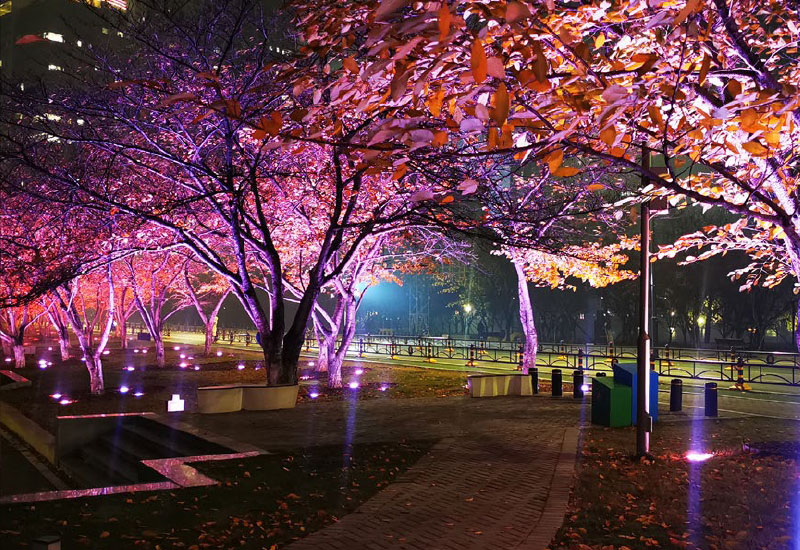
Applicable installation distance: 3m – 8mCore matching scenes: Park walkways, community squares, low-height green belt lighting, large-area flat ground lighting
Wide beam LED is designed for short-distance and large-area uniform illumination. Low installation height matched with narrow beams will cause local over-brightness and serious zebra crossing light spots. The ultra-wide optical design eliminates illumination blind spots, realizing overall soft and uniform ground brightness, which is the optimalLED beam angle solution for public large-area outdoor lighting scenes.
Practical design rule: 60°–90° beam angle for 5–8 meters height square lighting; 90°–120° ultra-wide beam for 3–5 meters low-height landscape lighting, which is the core standard of outdoor lighting optics for public leisure spaces.
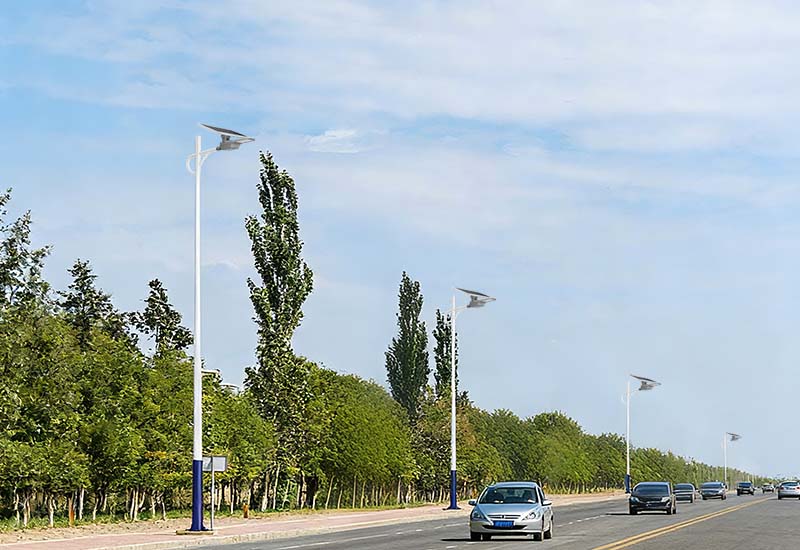
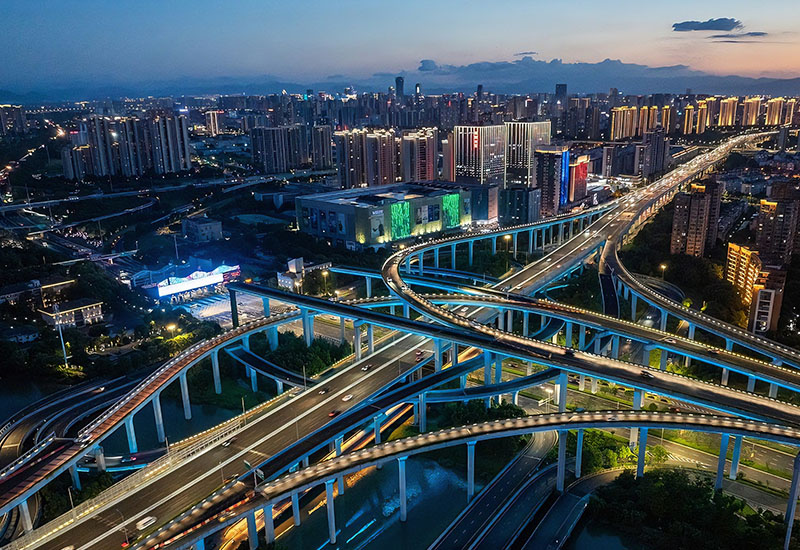
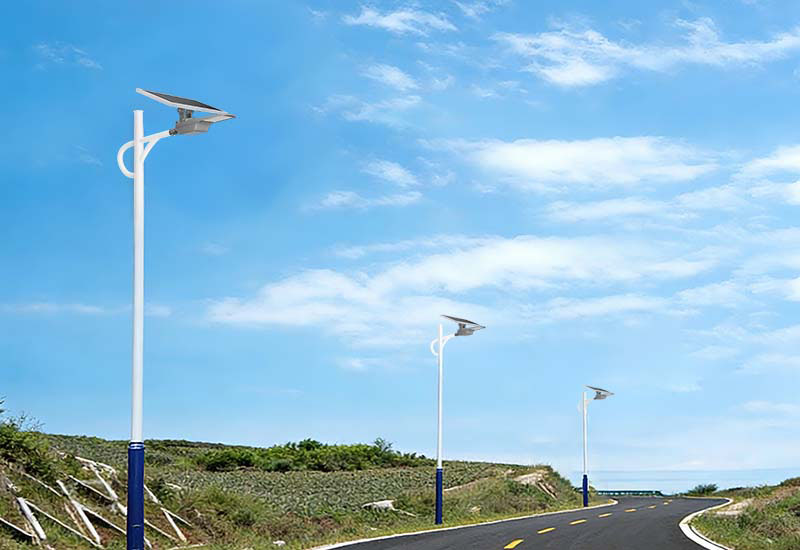
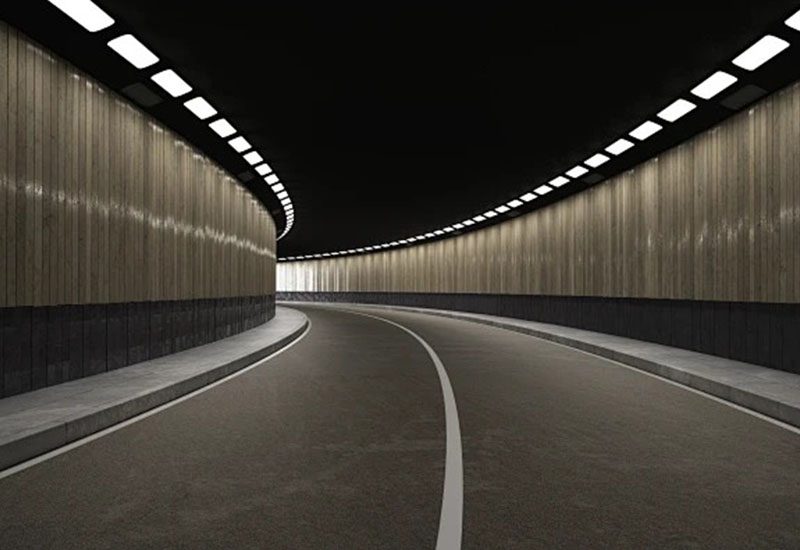
Applicable installation distance: 8m – 12mCore matching scenes: Urban road lighting, highway auxiliary roads, long strip tunnel entrances, linear corridor lighting
Symmetrical circular beam angles cannot meet linear road lighting demands, easily causing wasted light on both sides of the road and insufficient illumination in the driving lane. The asymmetric beam adopts offset rectangular light distribution, which accurately tilts the light toward the road surface, improving road illumination uniformity while reducing light pollution to roadside buildings and green belts.
This professional LED optical design is a mandatory standard for modern smart road lighting, effectively solving the common engineering problems of uneven road brightness and low light utilization rate, and optimizing overall outdoor lighting optics performance for linear traffic scenes.
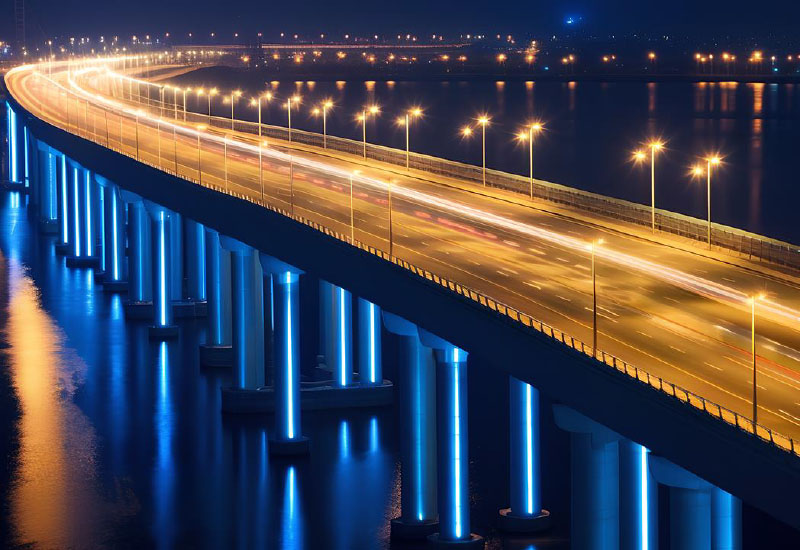
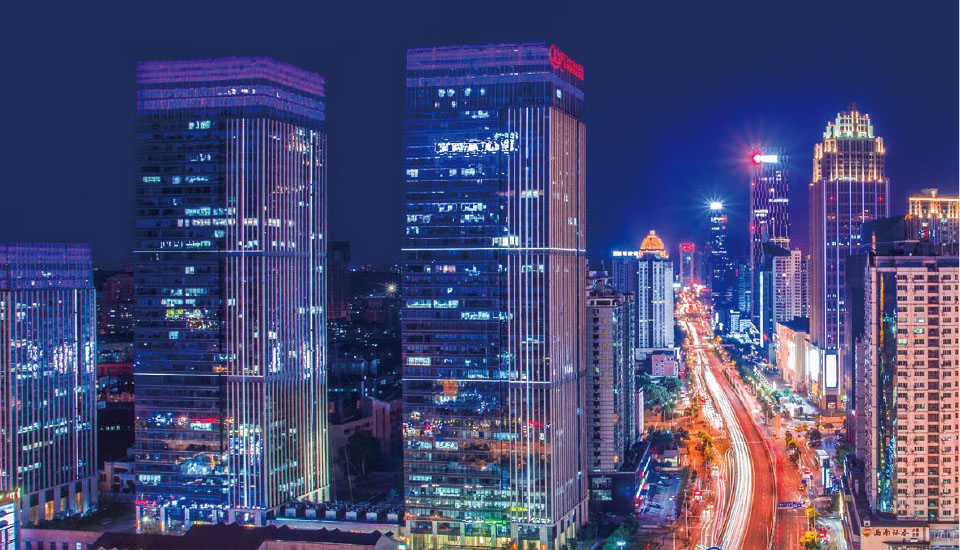
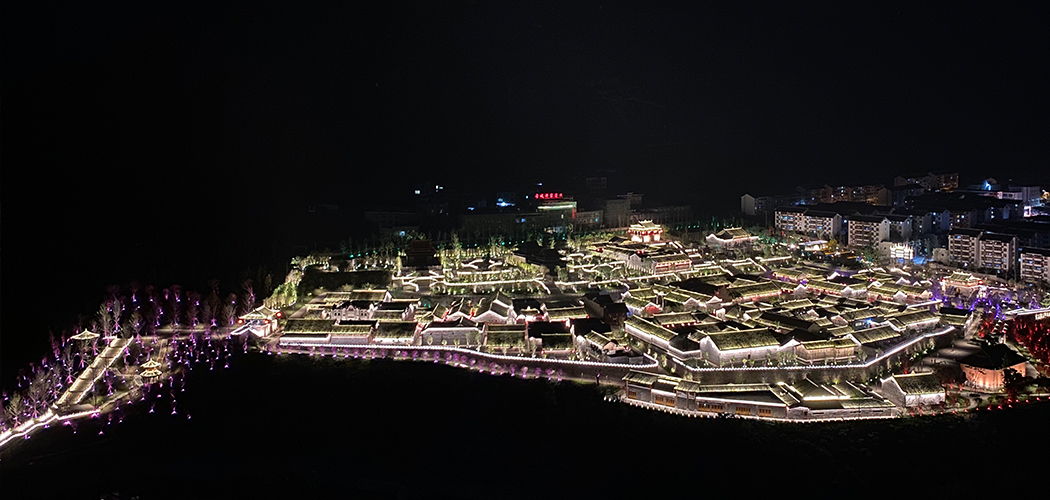
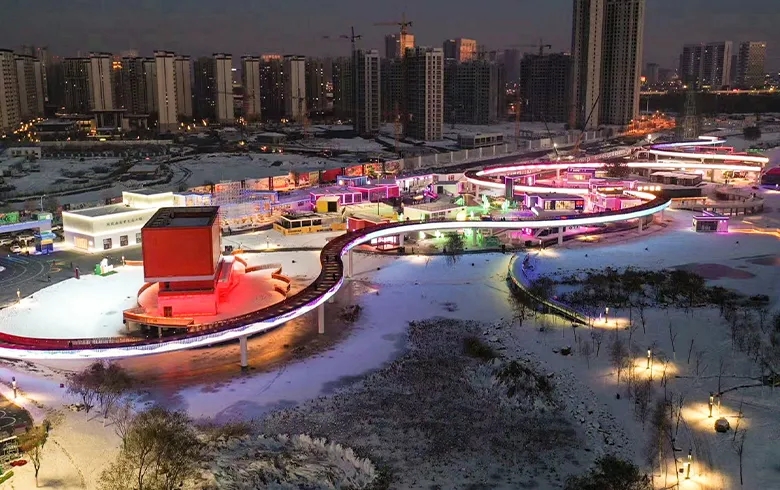
Applicable installation distance: 2m – 6m (wall distance)Core matching scenes: Commercial building facade, bridge side wall, cultural tourism building exterior wall, large-area vertical wall lighting
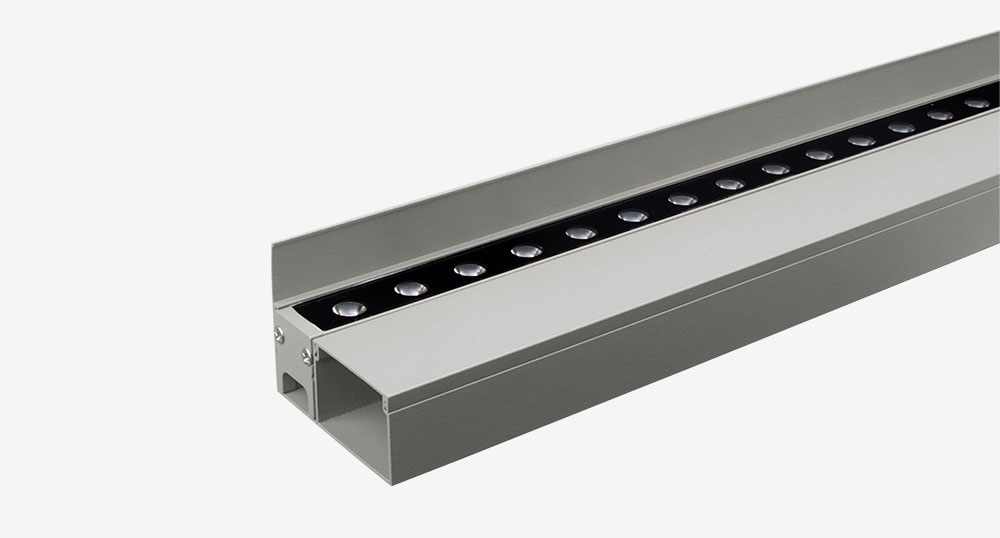
The dedicated wall washer beam angle adopts flat uniform light output design with no central hotspot and no edge dark area. Different from ordinary flood lights, it forms a continuous and uniform light belt on the vertical wall surface, perfectly restoring the building’s architectural lines and hierarchical texture, and is the exclusive LED optical design for high-standard building facade lighting projects.
Practical design rule: For short-distance wall washing within 3 meters, select ultra-flat wall washer beam; for 3–6 meters long-distance facade lighting, match enhanced wall washing optics to avoid light attenuation and ensure overall uniform brightness of large building surfaces.
Long-distance landmark projection (15–50m) → Narrow beam 5°–15°Medium-height landscape flood lighting (6–15m) → Medium beam 20°–45°Low-height large-area square lighting (3–8m) → Wide beam 60°–120°Linear road & strip lighting (8–12m) → Asymmetric beamBuilding facade wall washing (2–6m wall distance) → Professional wall washer beam
Q1: How to choose LED beam angle according to installation height?
A1: Follow the core rule: higher installation height matches smaller LED beam angle, lower height matches wider beam. High poles and landmarks use narrow beam LED; low squares and parks use wide beam LED.
Q2: What beam angle is best for outdoor flood lights?
A2: Conventional outdoor flood lighting adopts 30°–45° medium beam as the standard flood light beam angle, which balances projection distance and coverage area, suitable for most landscape and venue lighting.
Q3: What is the difference between wall washer beam and ordinary flood beam?
A3: The professional wall washer beam angle features uniform flat light output without hotspots, suitable for large vertical facades. Ordinary flood lights have central strong light and edge dark areas, unable to meet architectural wall washing standards.
Q4: Why use asymmetric beam for road lighting?
A4: Asymmetric outdoor lighting optics can accurately distribute light on the road surface, improve illumination uniformity, reduce light waste and avoid light pollution to surrounding environments, complying with municipal road lighting design specifications.
Q5: Can unified beam angle be used for all outdoor scenes?
A5: No. Blindly using universal beam angles will cause insufficient brightness, uneven illumination or serious light waste. Professional LED optical design requires customized beam matching according to installation distance and target area size.
The core of scientific LED beam angle selection is never pursuing a fixed parameter, but realizing precise matching ofinstallation distance + scene area + optical effect. Reasonable configuration ofnarrow beam LED, wide beam LED, flood light beam angle and wall washer beam angle can maximize light utilization rate, eliminate dark spots and light pollution, and improve the overall grade and compliance of all outdoor lighting projects with professional outdoor lighting optics standards.
HIPO Lighting focuses on professional LED optical design for outdoor engineering. We support customized LED beam angle solutions, including professional flood light beam angle, exclusive wall washer beam angle and asymmetric optical solutions for different municipal, landscape, industrial and architectural projects. Our professional optical design team provides one-stop outdoor lighting optics scene matching guidance to help engineers deliver high-standard uniform lighting projects.
If you need customized beam angle configuration and outdoor lighting optical scheme design for your project, welcome to contact our technical team to obtain professional engineering matching solutions.