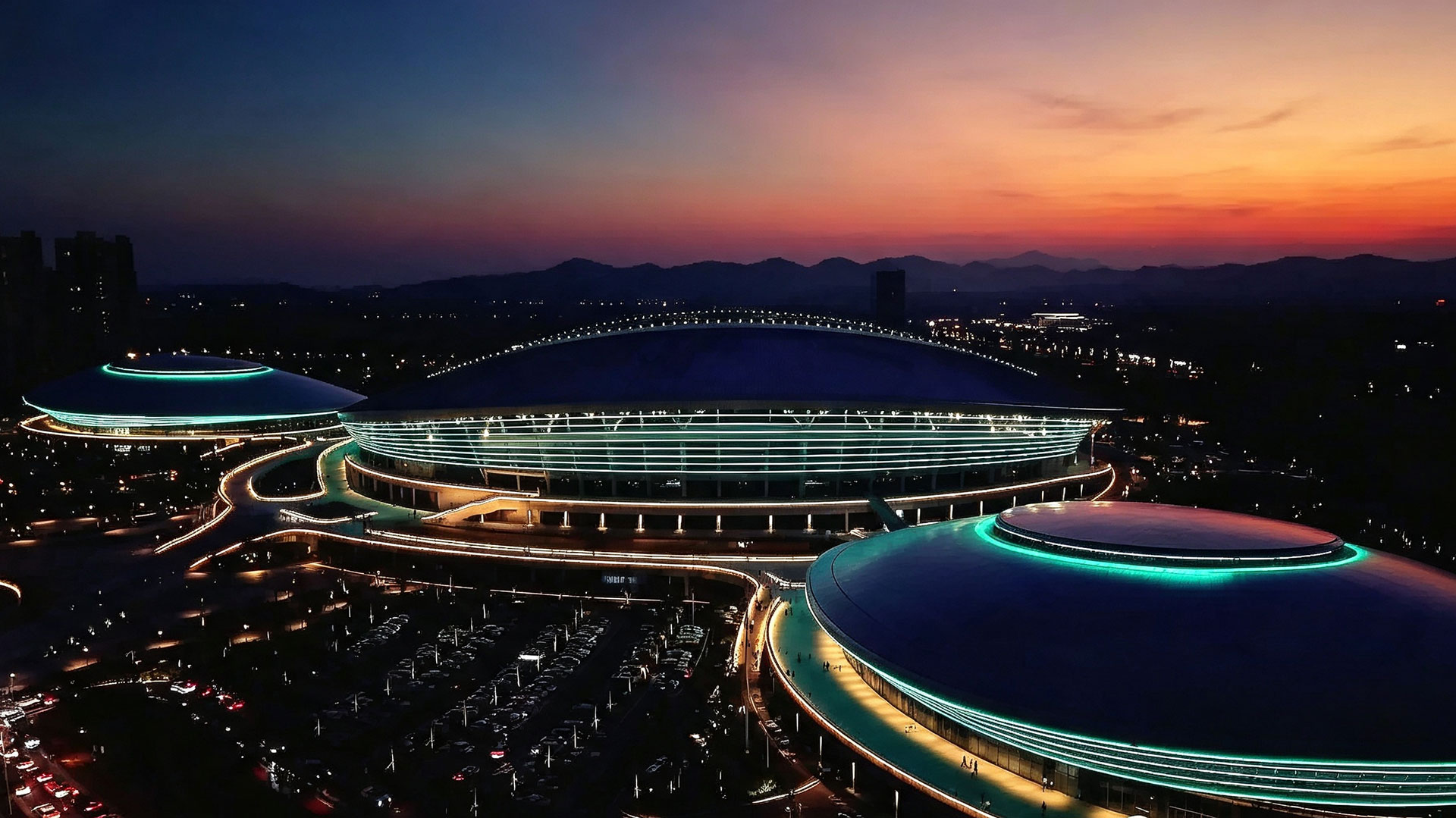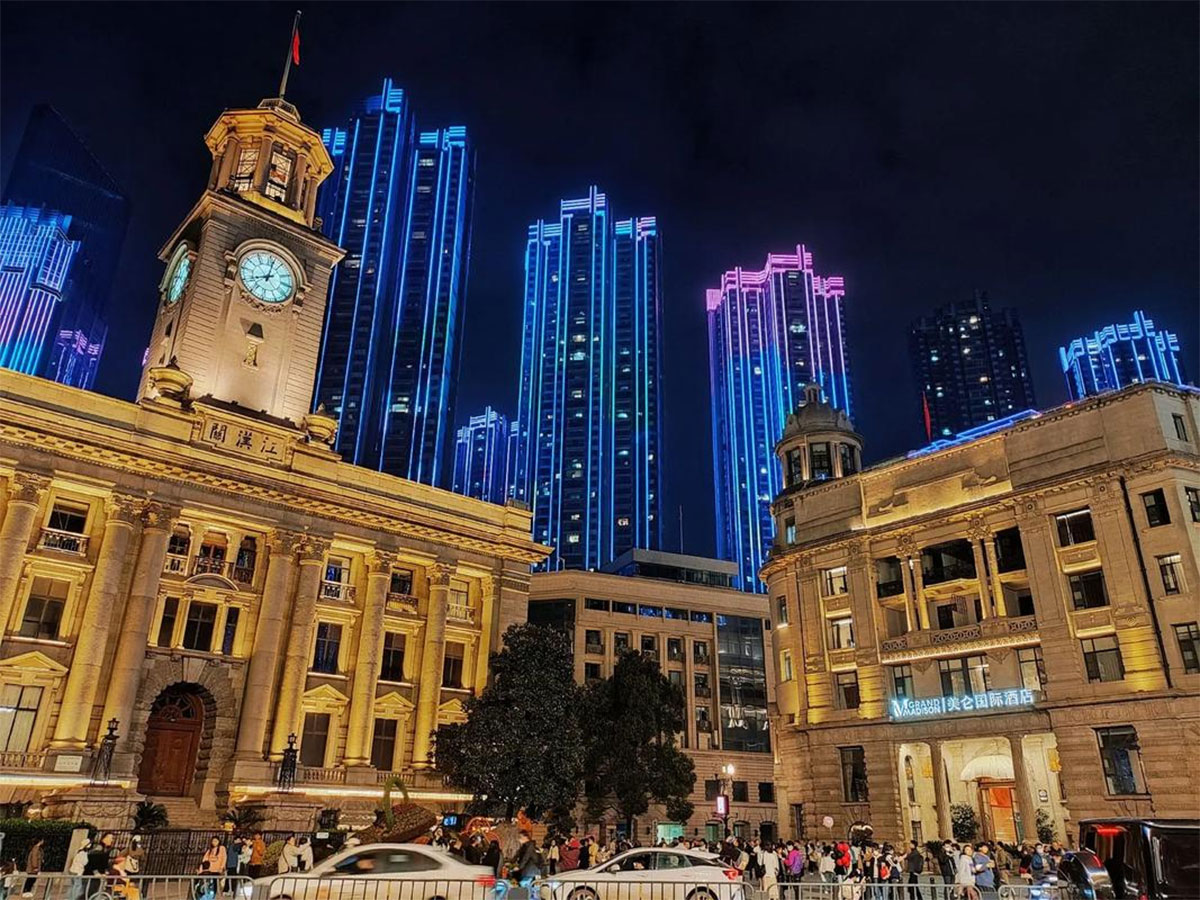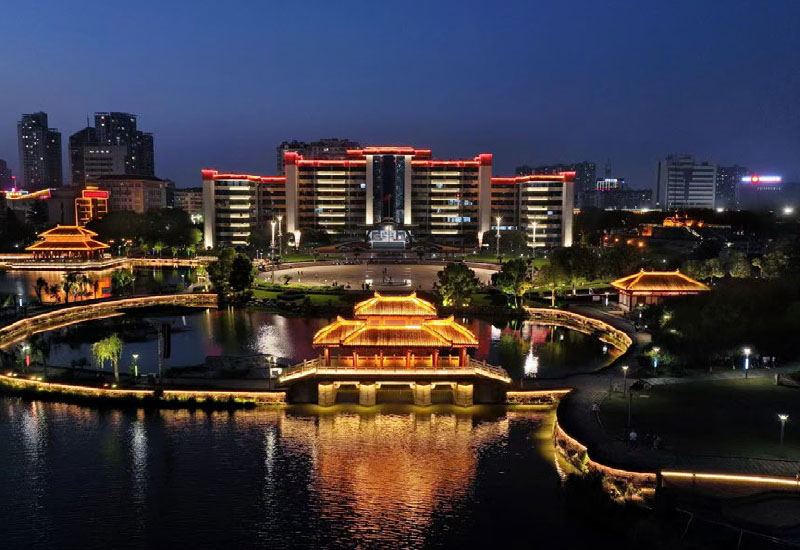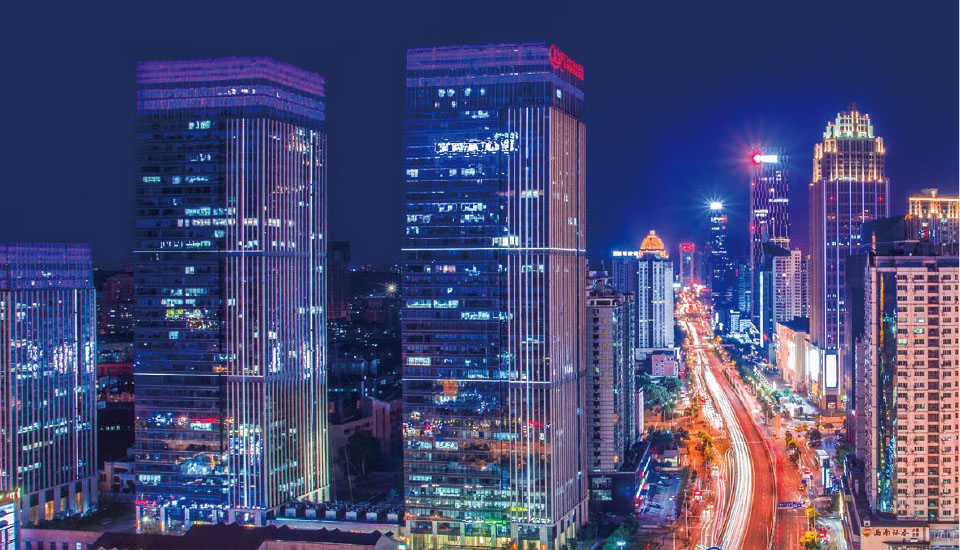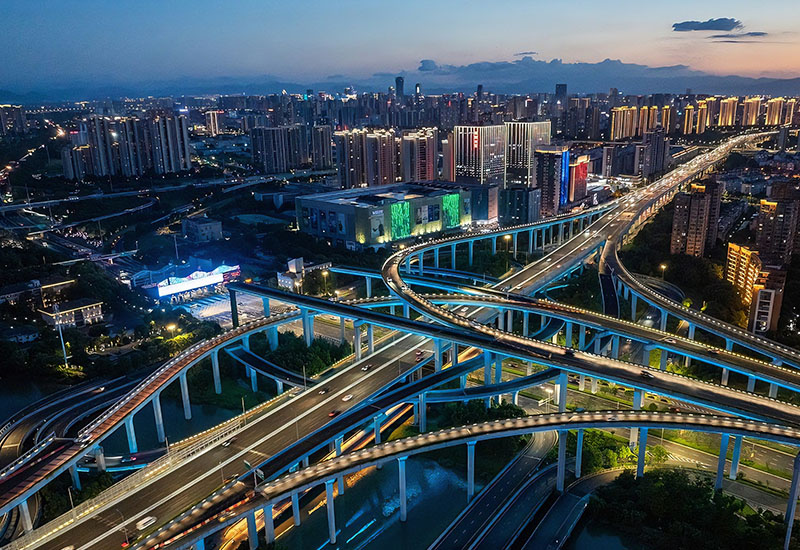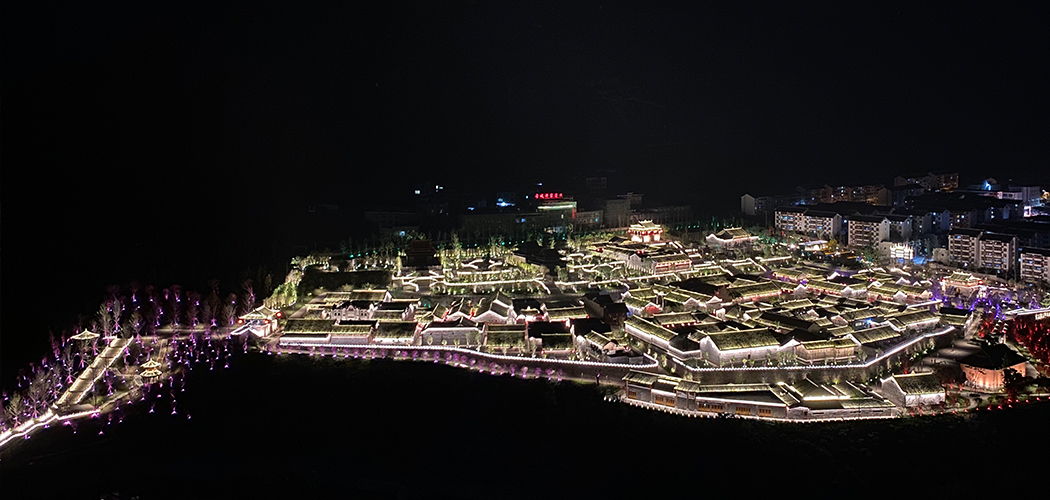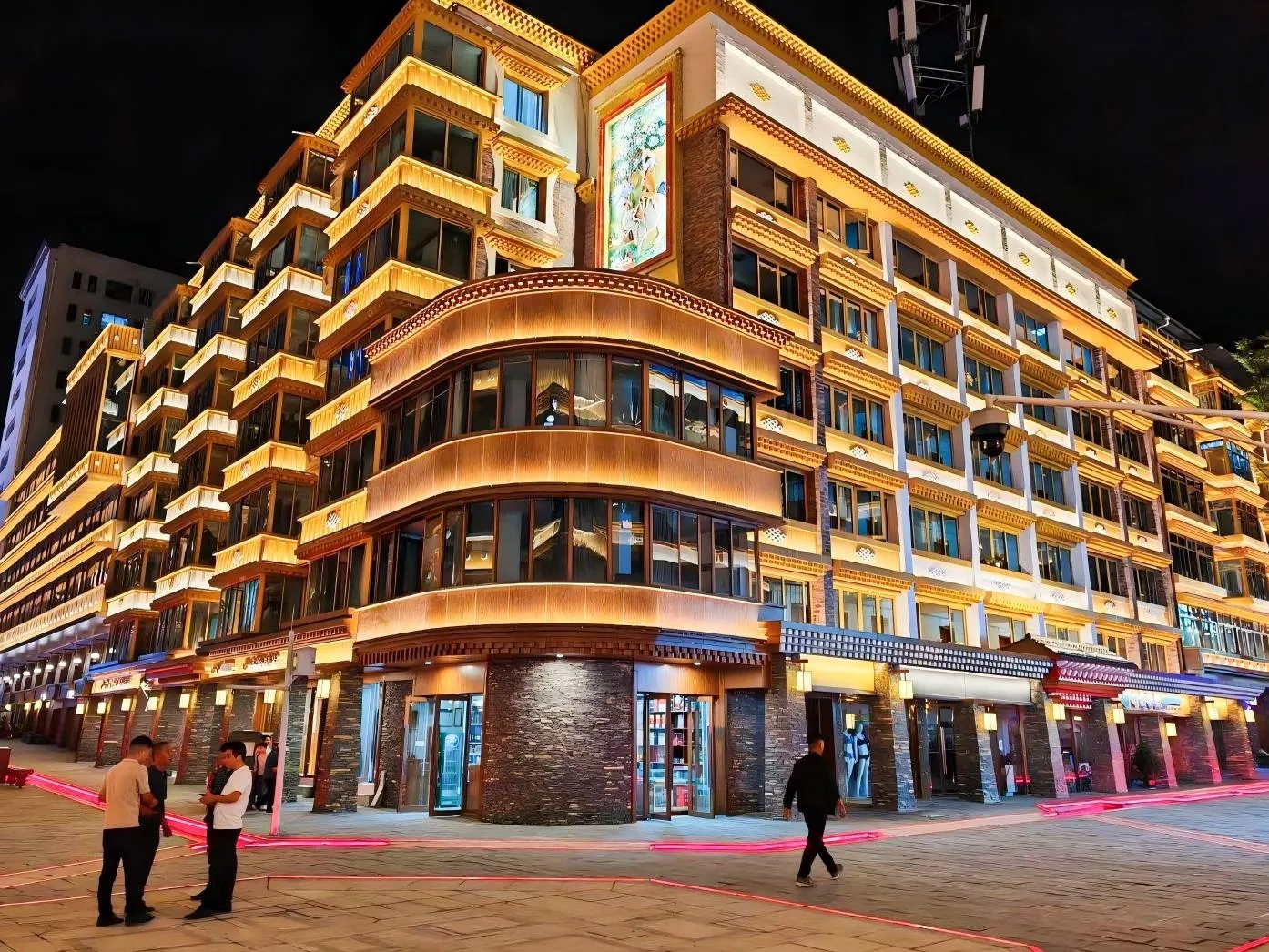


In modern urban and commercial development, lighting is no longer just a technical system for visibility. It has become a key factor influencing architectural identity, nighttime economy, and spatial experience.
During the daytime, buildings express value through structure and facade design. At night, lighting systems redefine their visual presence. Lighting determines not only whether a building is visible, but also whether it is memorable.
At the same time, rising energy costs and sustainability requirements are forcing lighting design to balance visual performance with energy efficiency. The core objective of modern architectural lighting is therefore to achieve higher visual impact with lower energy consumption.
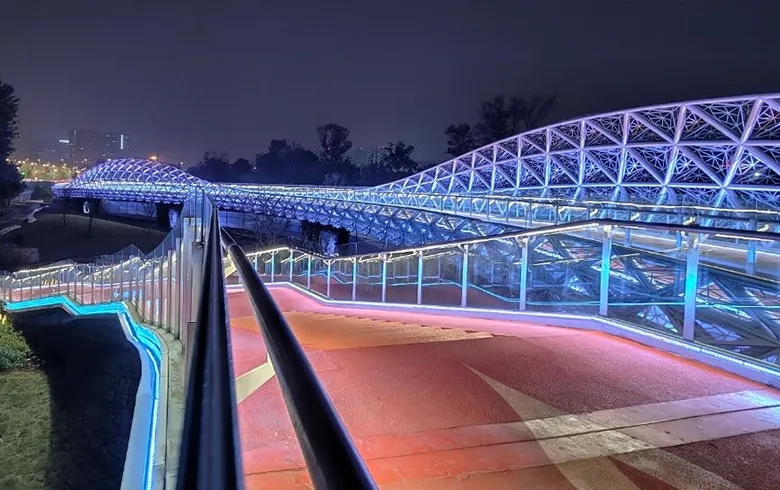
A complete architectural lighting system typically consists of four layers:
Functional lighting ensures basic visibility and safety. Decorative lighting enhances architectural outlines and atmosphere. Accent lighting highlights key structural or visual elements. Smart control systems manage overall operation and energy optimization.
Together, these layers define both visual performance and energy efficiency.
High energy consumption in lighting projects is usually not caused by a single issue, but by a combination of design and operational inefficiencies.
Common problems include:
Among these, the lack of intelligent control and zoning is often the main reason for long-term energy waste.
Energy efficiency does not mean reducing lighting quality. It means improving the ratio of effective illumination.
Through lighting simulation and optical planning, light is directed only to required areas, reducing spill light and improving efficiency.
Related Solution:
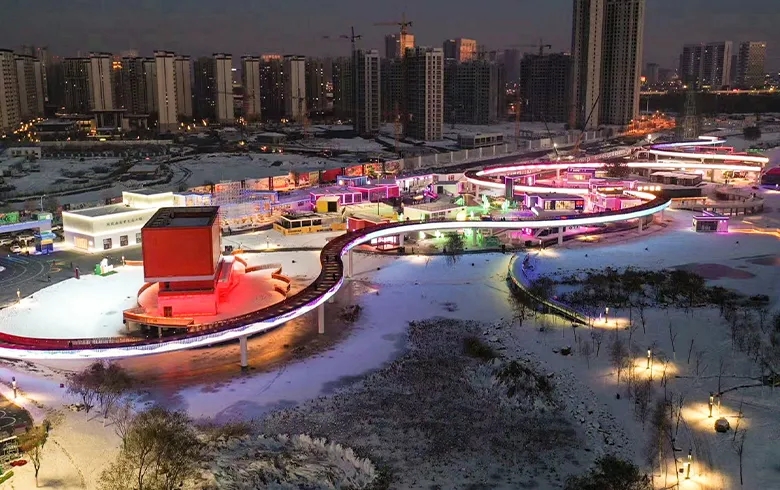
Architectural Landscape Lighting
Dividing lighting into independent zones allows dynamic adjustment based on time and usage:
This significantly reduces overall energy consumption.
Smart control systems adjust output automatically based on ambient light, time schedules, or activity levels, preventing unnecessary energy use.
Compared to traditional lighting technologies, LED systems offer higher luminous efficiency and lower heat loss, significantly reducing energy consumption at the same brightness level.
Integrating architectural lighting with city management platforms enables unified scheduling and avoids redundant operation.
System Reference:
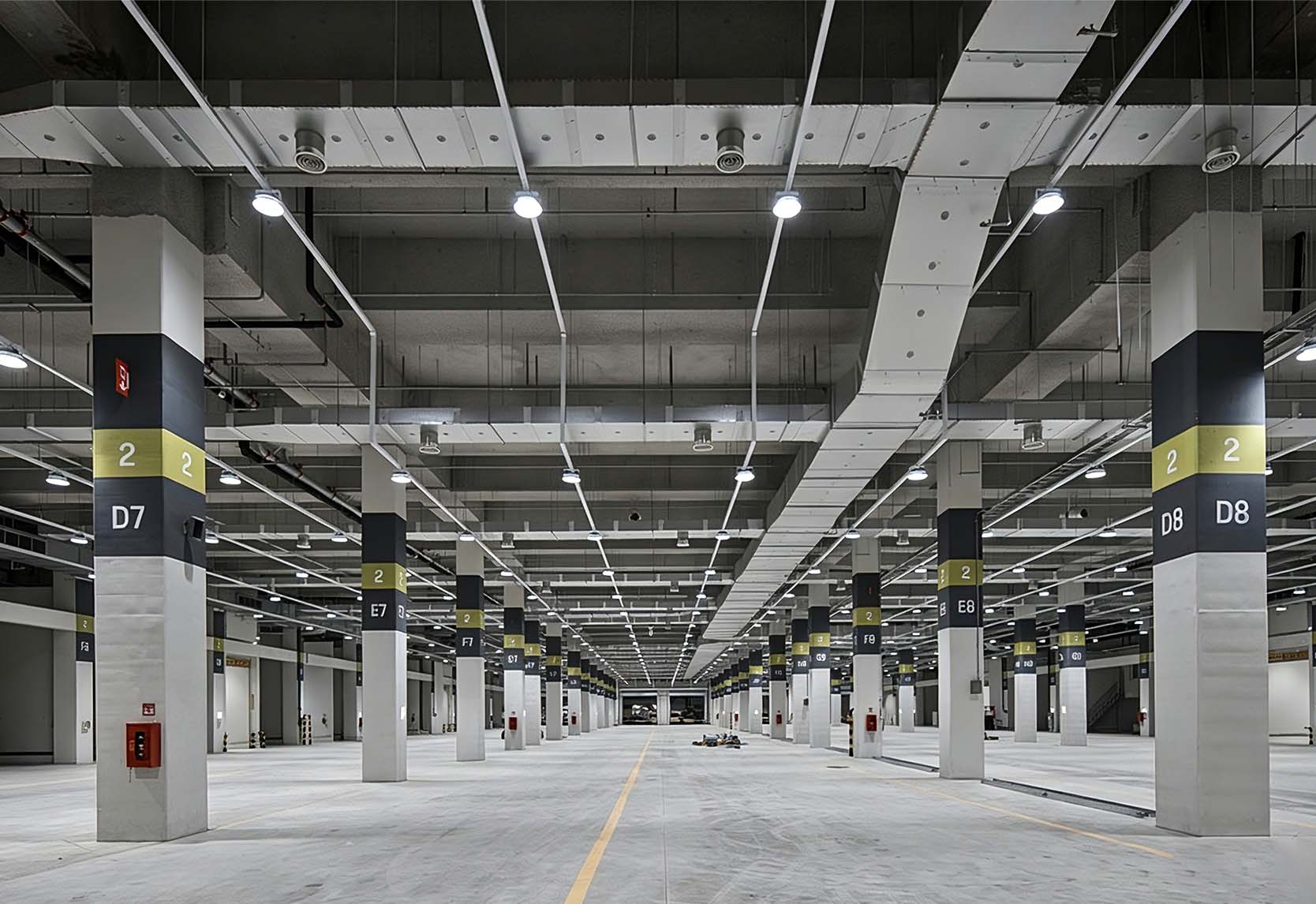
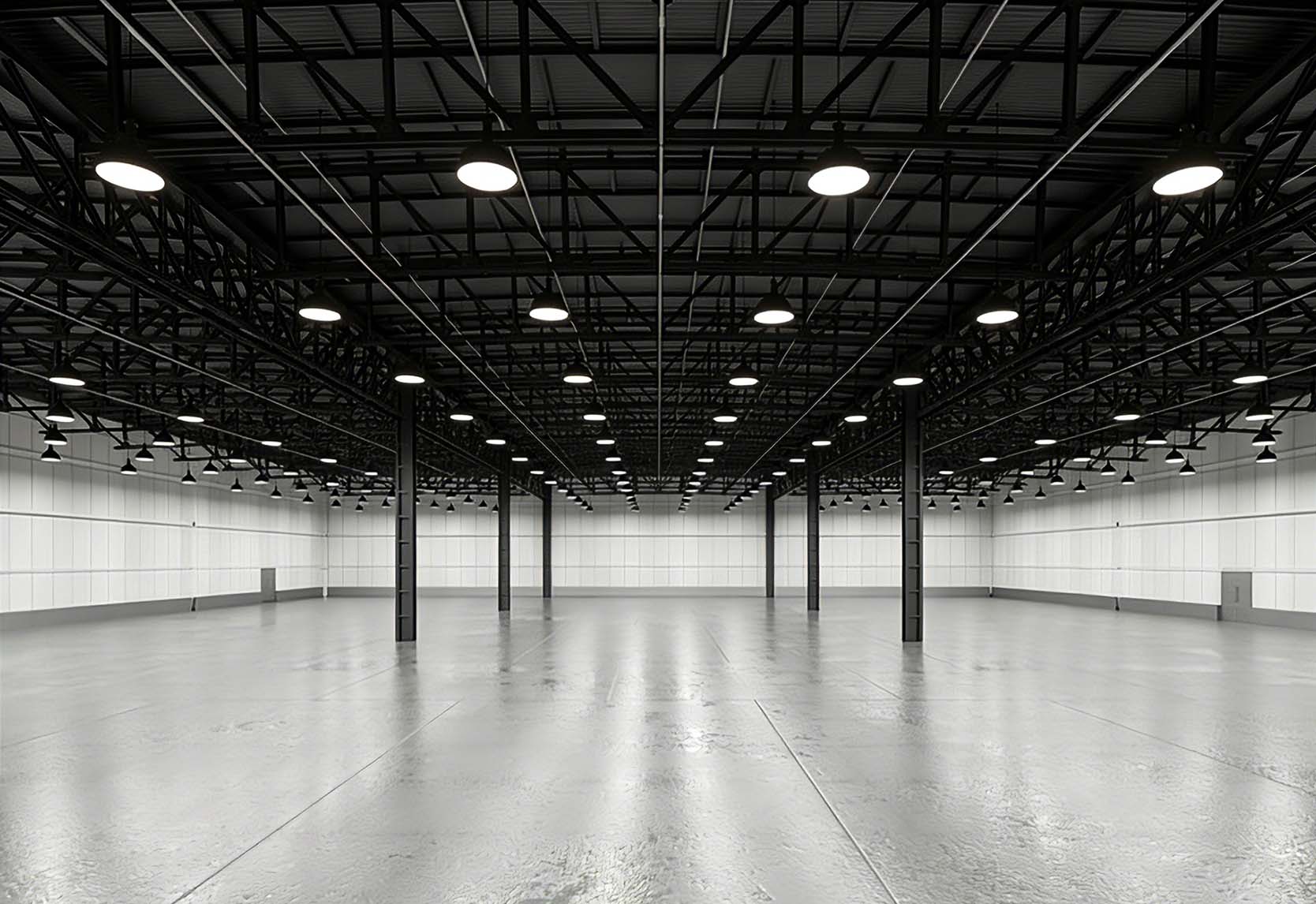
Industrial LED Lighting
While reducing energy consumption, architectural lighting must also enhance visual expression.
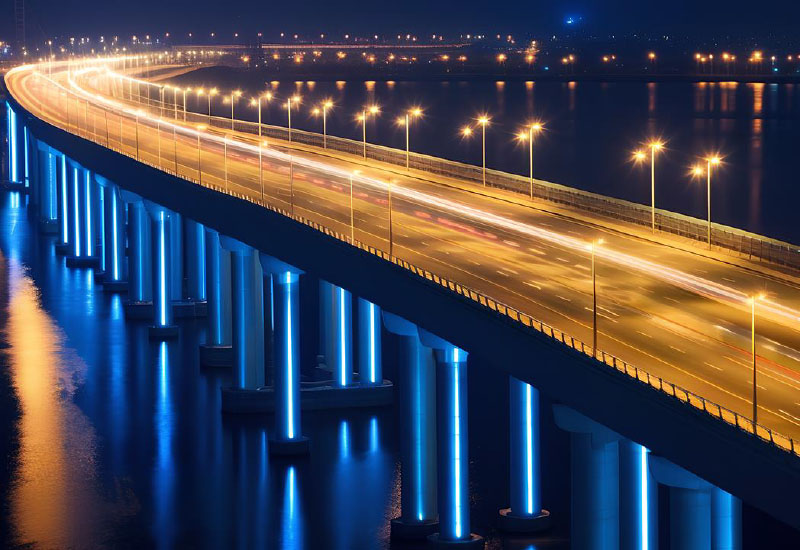
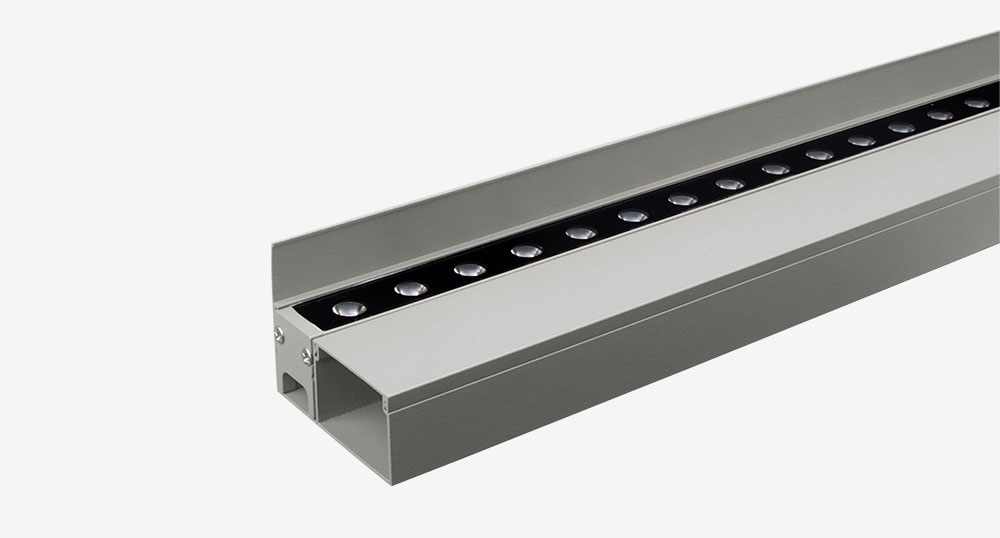
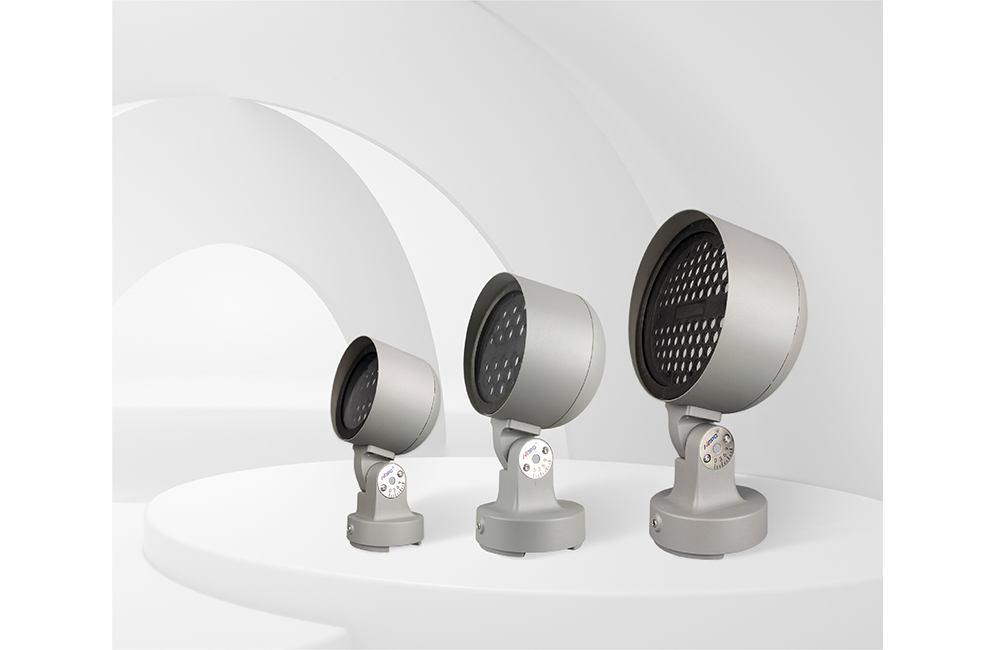
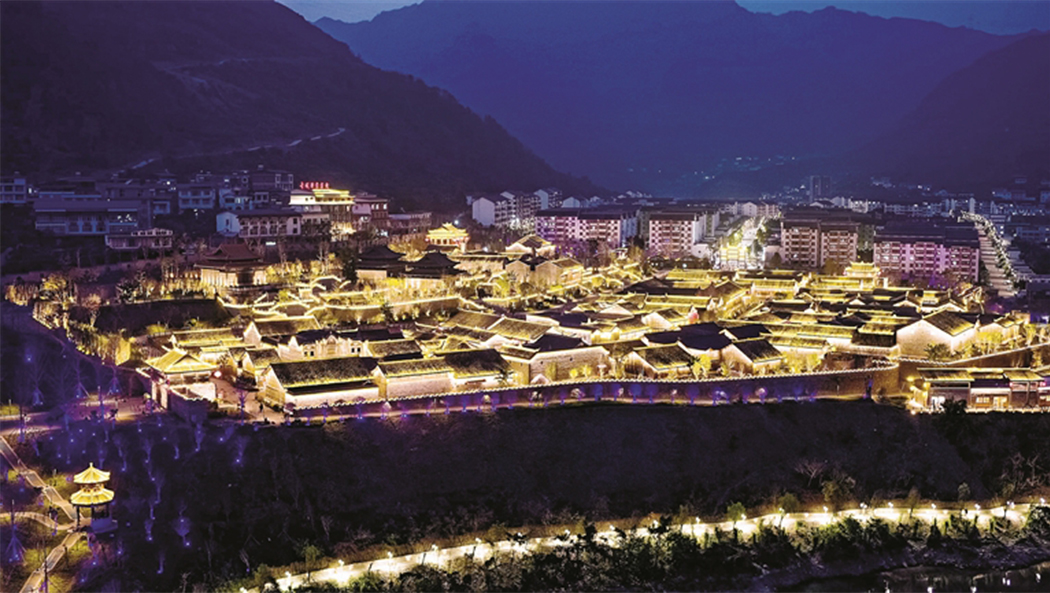
Linear lighting or projection lighting can emphasize building contours, improving nighttime recognition.
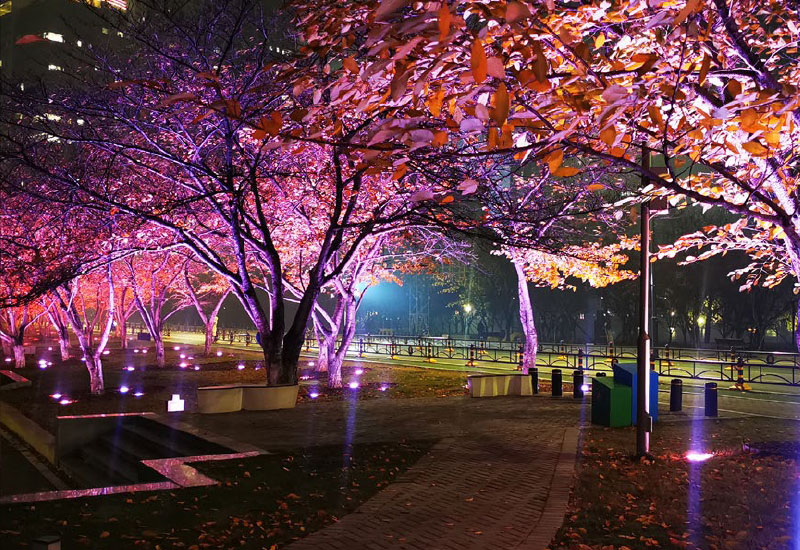
Lighting can highlight different materials such as glass, stone, and metal, enhancing texture and depth.
Combining key light, ambient light, and background light creates visual hierarchy rather than flat illumination.
Lighting scenes can change based on events, festivals, or time periods, making buildings more dynamic and interactive.
Smart lighting systems are becoming a standard feature in modern architecture. Their value lies in three key areas:
Energy optimization through automated dimming and zoning control; improved operational efficiency through remote monitoring; and flexible scene management for different nighttime expressions.
Smart systems transform lighting from a static infrastructure into a dynamic operational system.
Common issues include:
Overemphasis on brightness instead of visual comfort; lack of early-stage lighting simulation; ignoring control system design; excessive lighting causing light pollution; and failure to consider long-term maintenance costs.
These issues often impact performance more than fixture selection itself.
Architectural lighting is evolving in three main directions:
Energy efficiency is becoming a core design metric; lighting systems are integrating with building energy management systems; and nighttime architecture is increasingly focused on emotional and experiential expression.
Lighting is transitioning from a standalone system to a city-level experience platform.
The main goal is to enhance nighttime visual value while maintaining energy efficiency and operational cost control.
Common causes include poor zoning design, inefficient fixture selection, lack of smart control systems, and continuous full-power operation.
Yes. Through zoning control, automatic dimming, and scene management, smart systems significantly reduce unnecessary energy consumption.
Most medium and large-scale projects require customization due to differences in structure, materials, and functional requirements.
LED lighting provides higher efficiency, lower energy consumption, longer lifespan, and better controllability.
Key factors include visual comfort, clarity of spatial hierarchy, and overall energy efficiency.
High-quality LED systems can operate for many years with proper maintenance, depending on environmental conditions and design quality.
HIPO Lighting is a professional outdoor lighting manufacturer specializing in high-performance LED lighting products and project-based lighting solutions.
Core solution categories include:
HIPO Lighting supports customers worldwide through:
✓ Product selection support
✓ Lighting solution consulting
✓ OEM / ODM manufacturing
✓ Project delivery assistance
✓ Long-term technical service
Whether for commercial developments, public infrastructure, or industrial facilities, HIPO Lighting is committed to creating sustainable and efficient lighting environments through innovative lighting technologies.