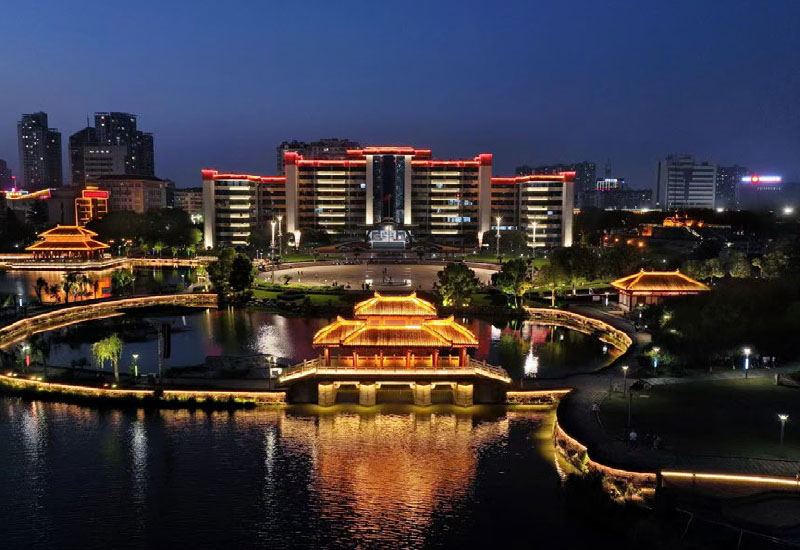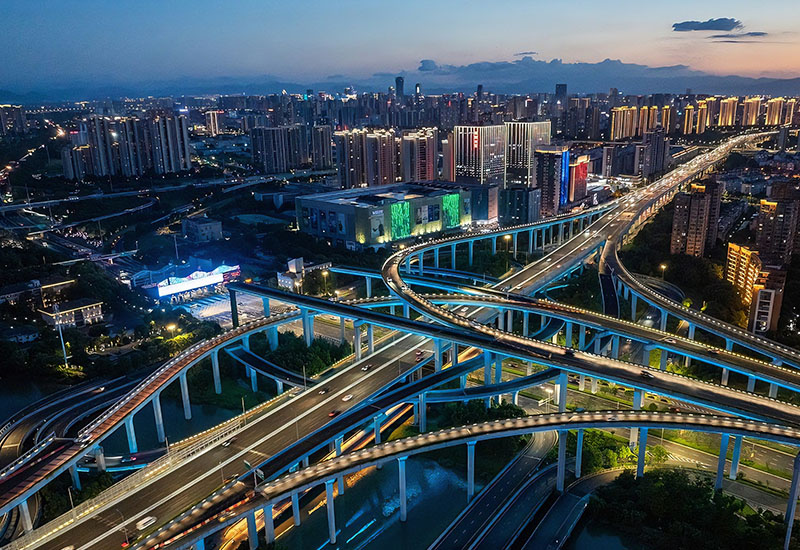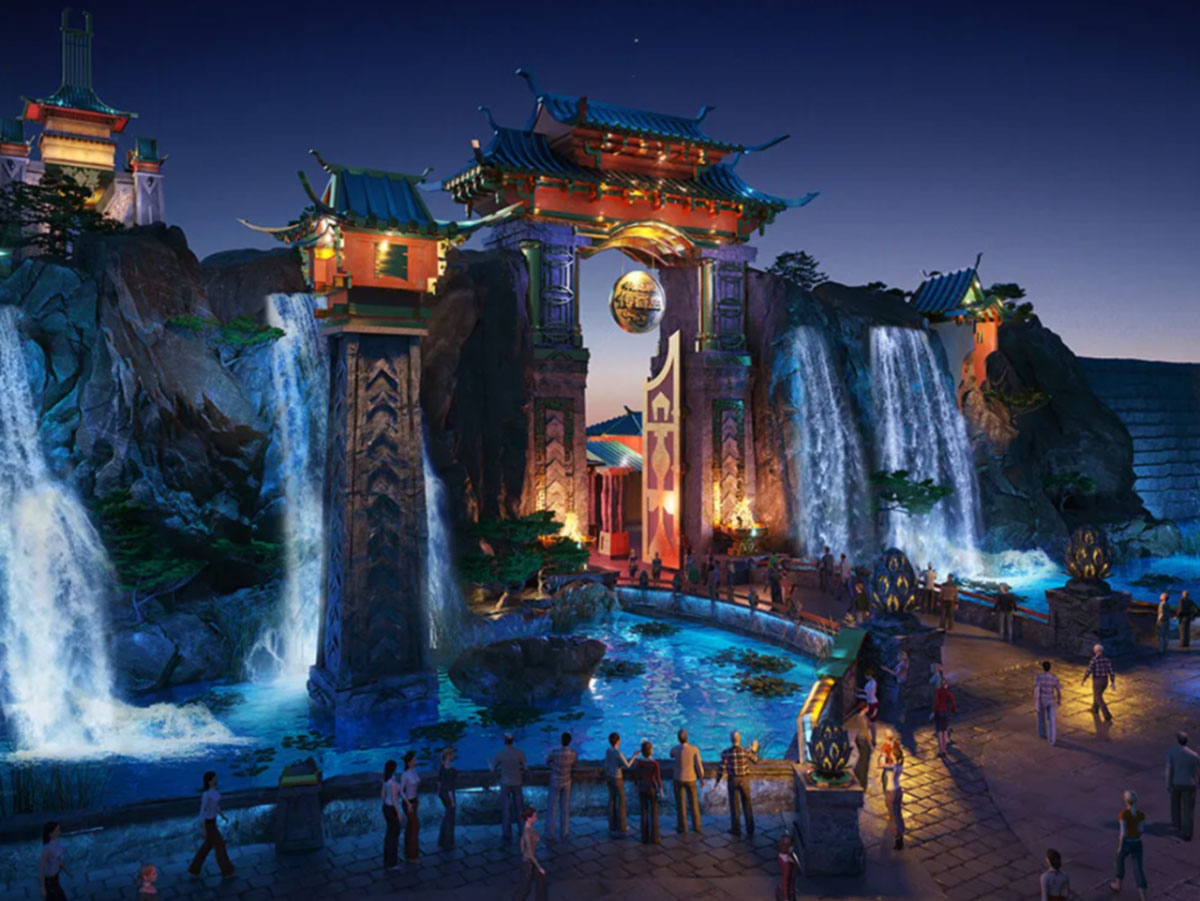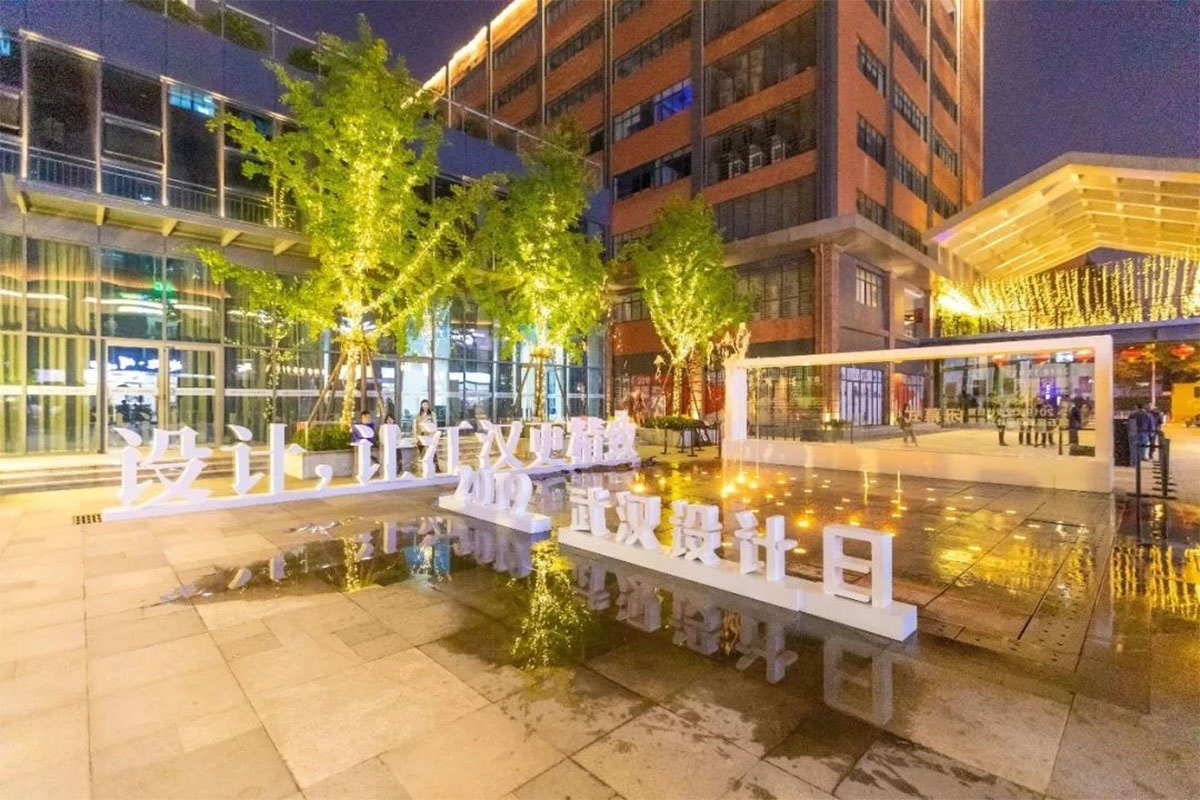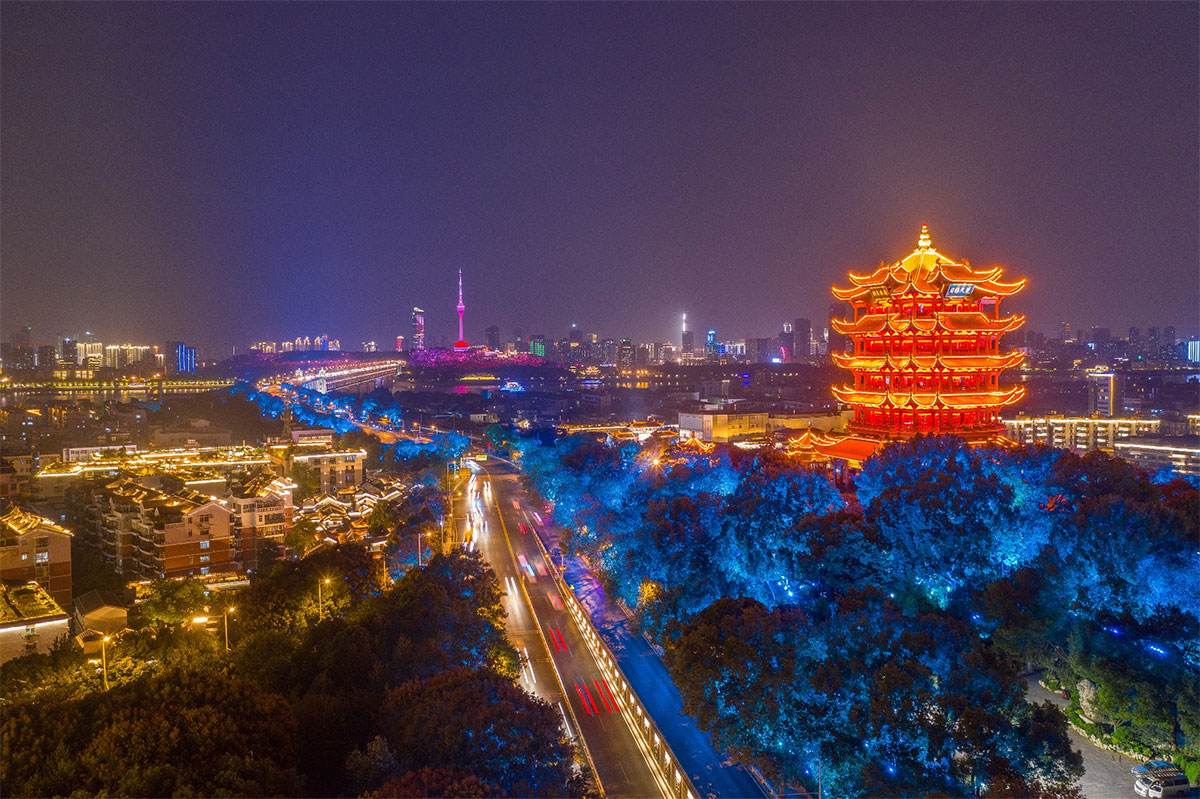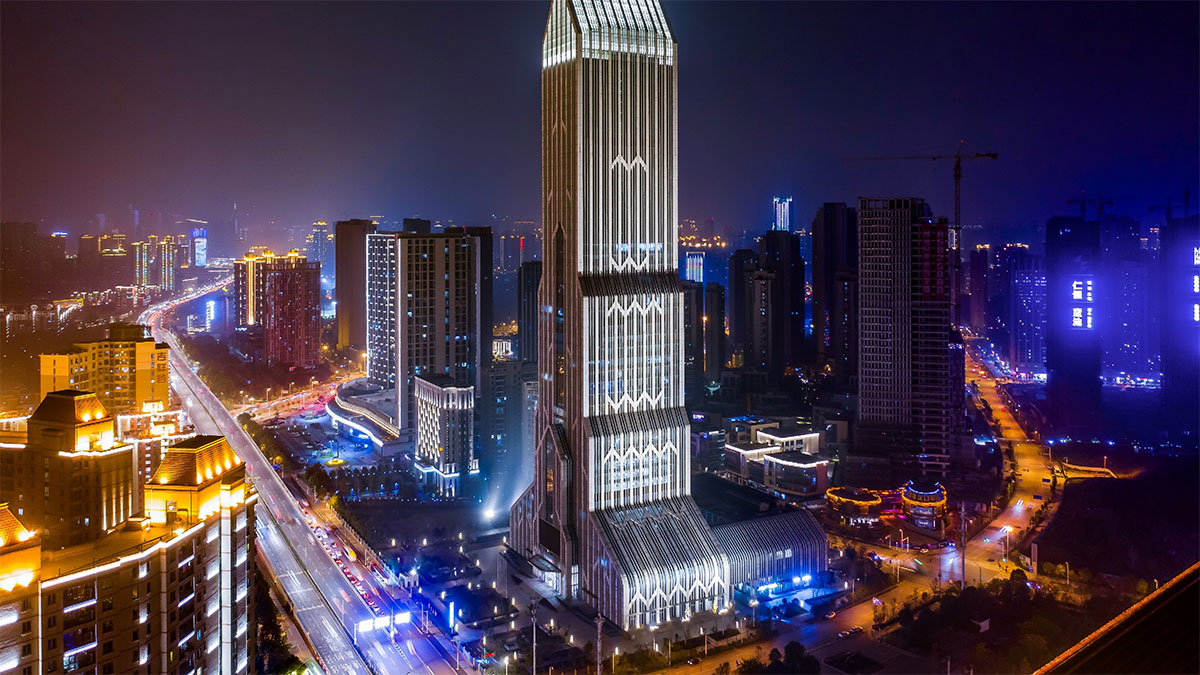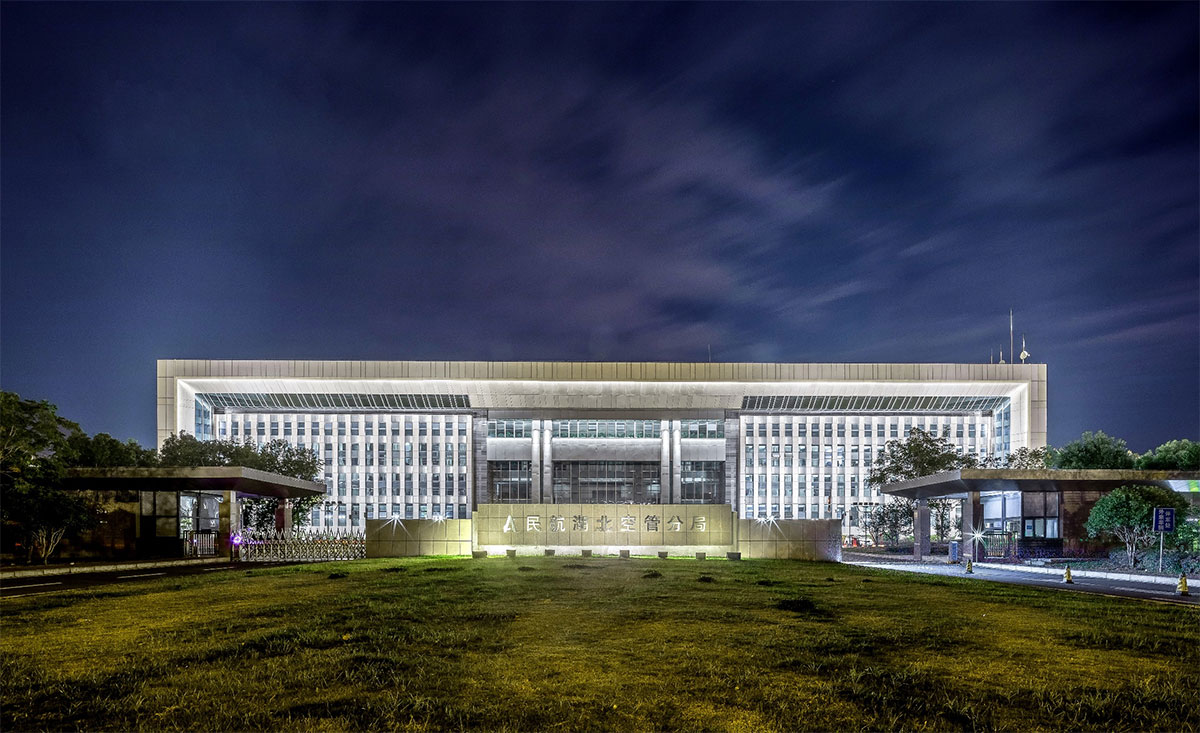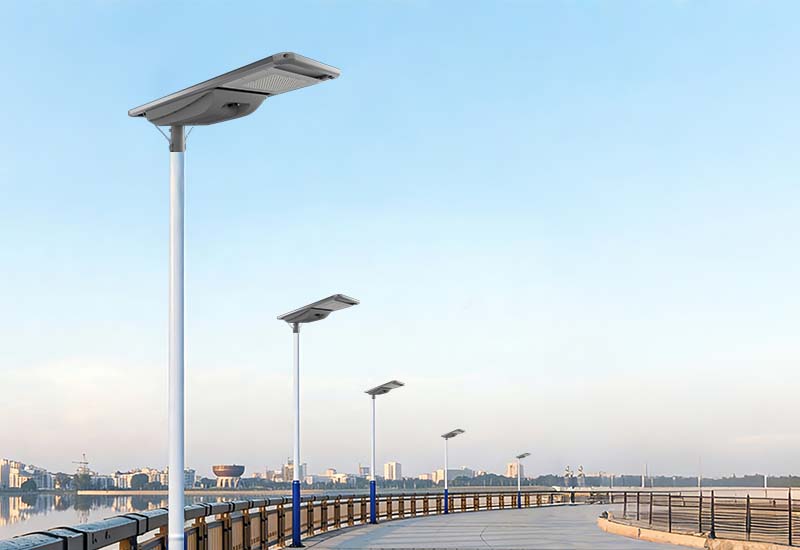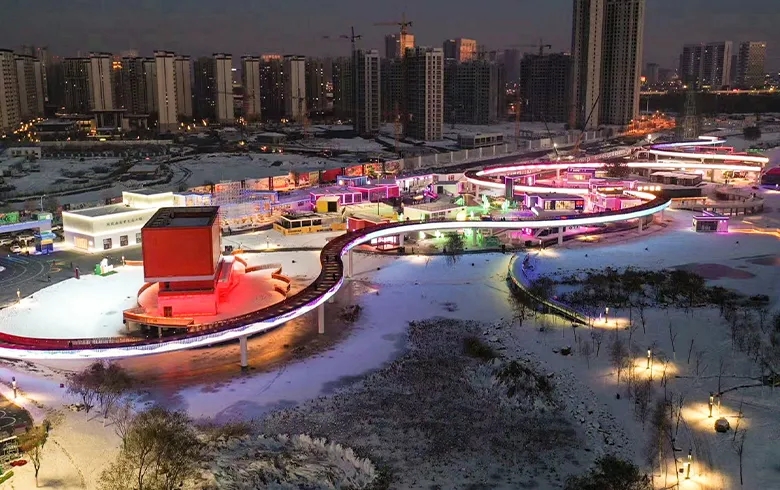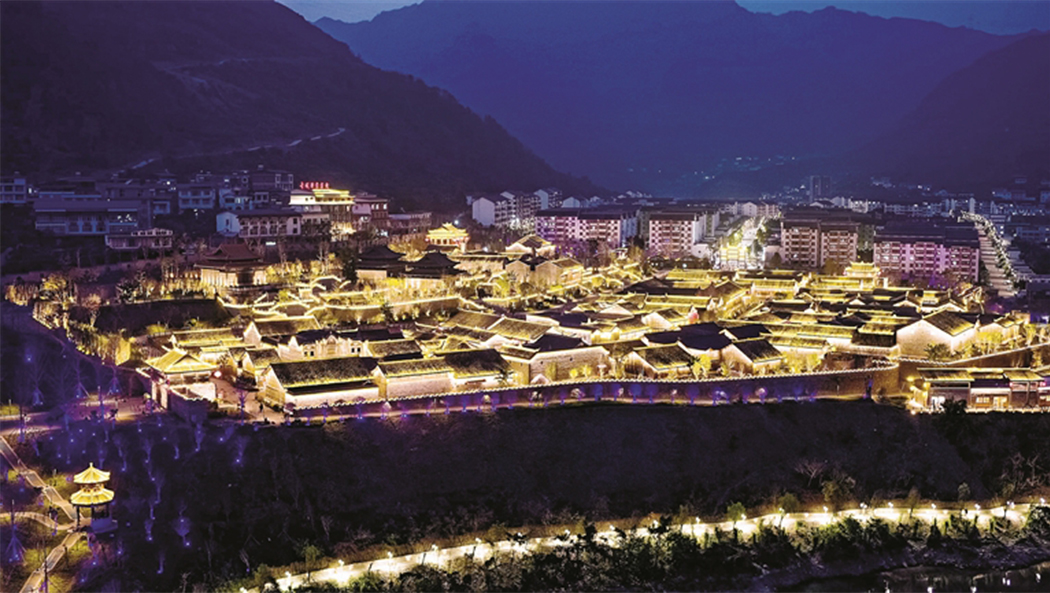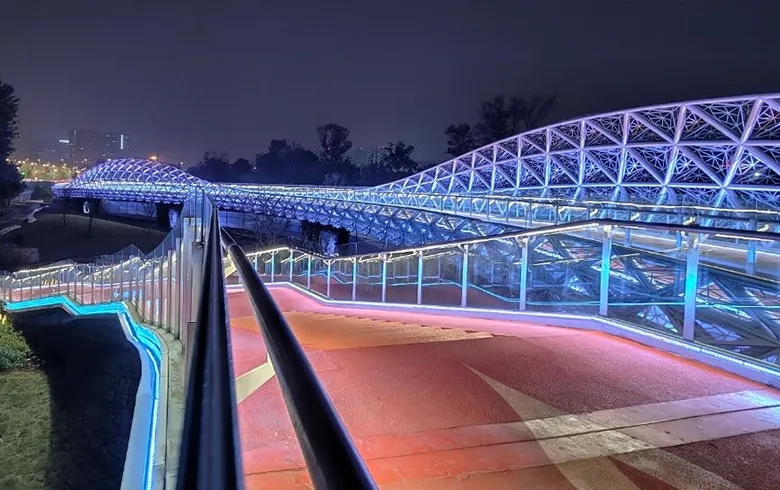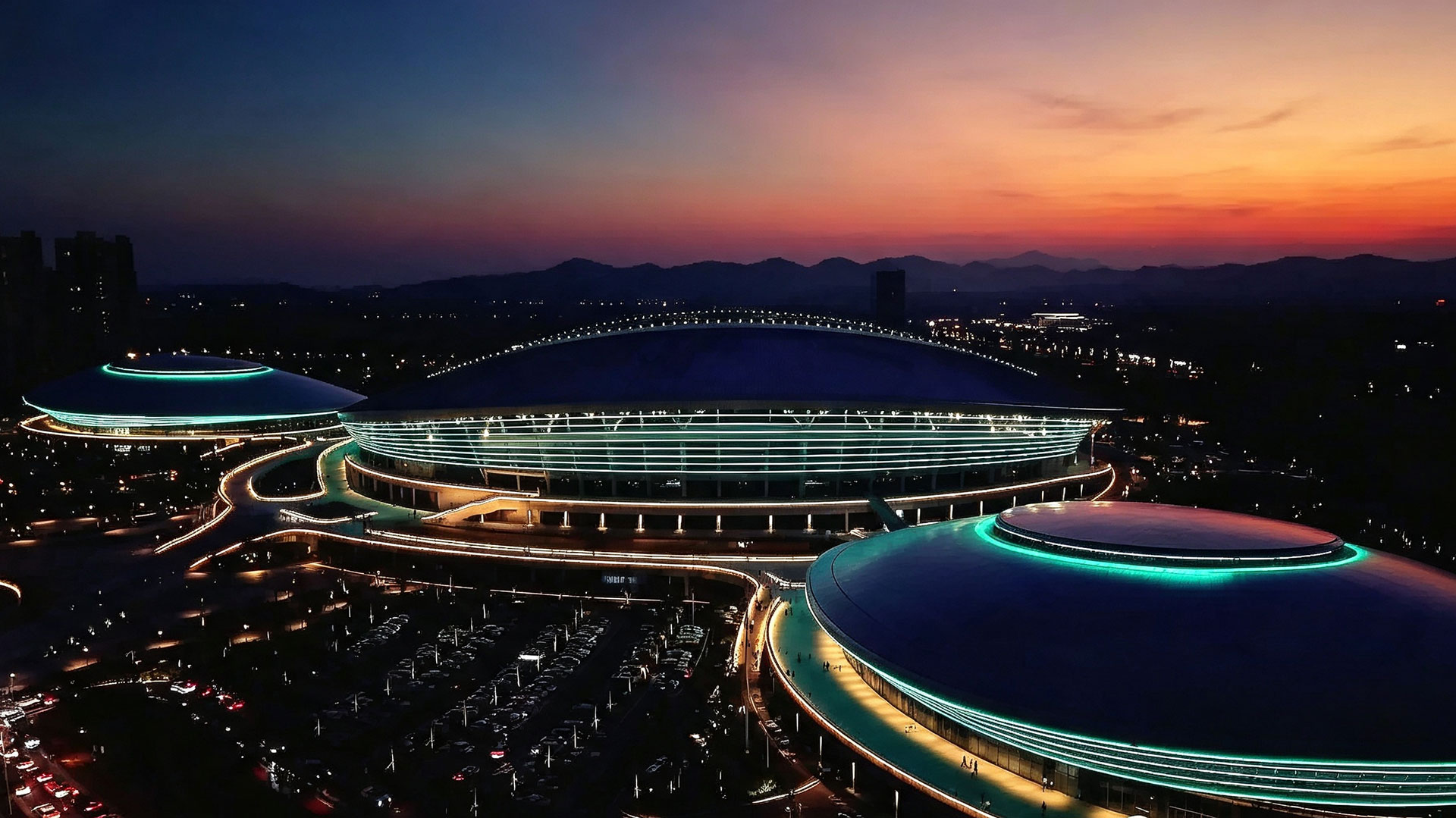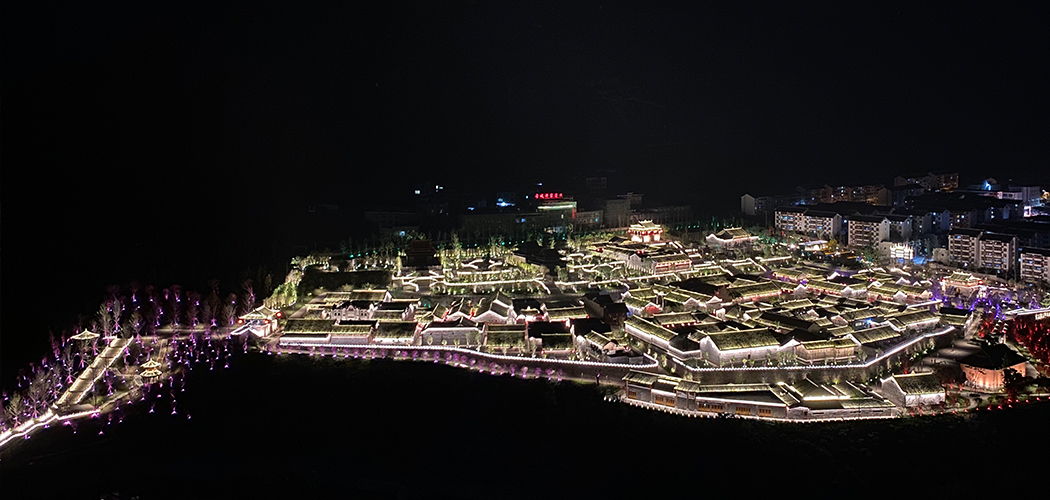


With the development of urban renewal and nighttime economies, public spaces such as city plazas, parks, and waterfront areas are becoming more than simple functional areas. They now serve multiple purposes, including recreation, social activities, cultural events, and community interaction.
As a result, Public Space Lighting is no longer just about installing enough fixtures to provide visibility. A successful lighting design needs to consider how people use the space, how different areas function, and how light can improve the overall nighttime experience.
For parks and public spaces, effective lighting should provide safety, enhance visual appeal, and create a comfortable environment through thoughtful planning.

In many projects, lighting design starts with a basic question: does the space have enough illumination?
However, for open public areas such as parks and plazas, brightness alone does not determine whether the lighting works well. More importantly, lighting should help people understand and navigate the space naturally.
For example, when entering a park at night, people instinctively look for entrances, pathways, activity areas, and resting zones. If every area uses the same lighting level and approach, the space may appear bright but lack hierarchy. Visitors may find it harder to understand the layout and feel less connected with the environment.
Effective Public Space Lighting uses different lighting levels and techniques to guide movement, highlight important areas, and create a more comfortable nighttime experience. The goal is not simply to make a space brighter, but to make the space easier and more enjoyable to use.
A public space usually includes different functional areas, and each area has different lighting requirements.
For example, entrances need stronger visual recognition to guide visitors into the space. Pathways require continuous and comfortable illumination to support safe movement. Rest areas usually benefit from softer lighting to create a relaxed atmosphere.
Therefore, lighting planning should start with understanding how each area will be used, rather than selecting fixtures first and applying the same solution everywhere.
Area | Lighting Focus |
Main entrance | Improve visibility and guide visitors |
Walking paths | Provide continuous illumination and reduce dark areas |
Rest areas | Create a comfortable and relaxing atmosphere |
Landscape features | Highlight trees, sculptures, water features, and focal points |
Activity plazas | Support gatherings while maintaining overall visual comfort |
Public spaces usually require two types of lighting: functional lighting and landscape lighting.
Functional lighting focuses on practical needs, such as pedestrian safety, visibility, and navigation. It is commonly used for pathways, entrances, stairs, and activity areas.
Landscape Lighting focuses more on visual enhancement. It highlights elements such as trees, sculptures, water features, and architectural structures to create a more attractive nighttime environment.
These two approaches should work together rather than operate separately.
A space with only functional lighting may feel flat and uninviting. On the other hand, excessive focus on decorative lighting may affect usability and create glare. A well-designed lighting solution finds a balance between practicality and visual experience.
Successful nighttime environments rarely rely on uniform brightness across the entire space.
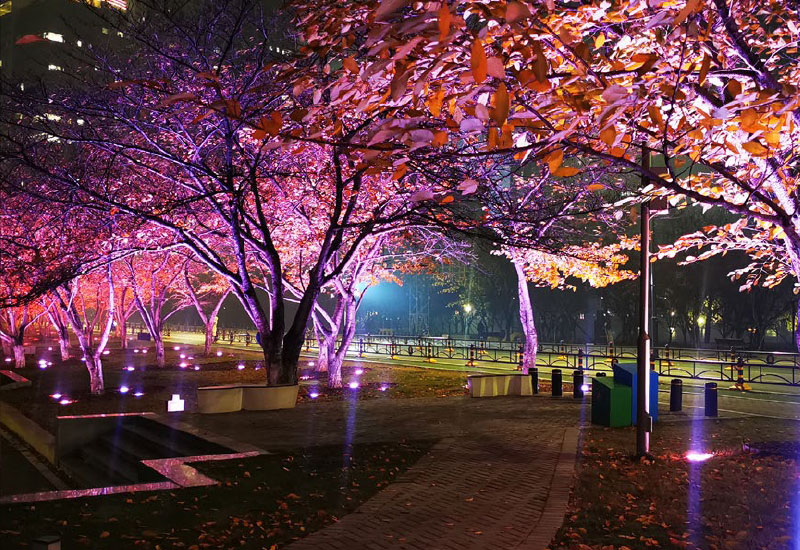
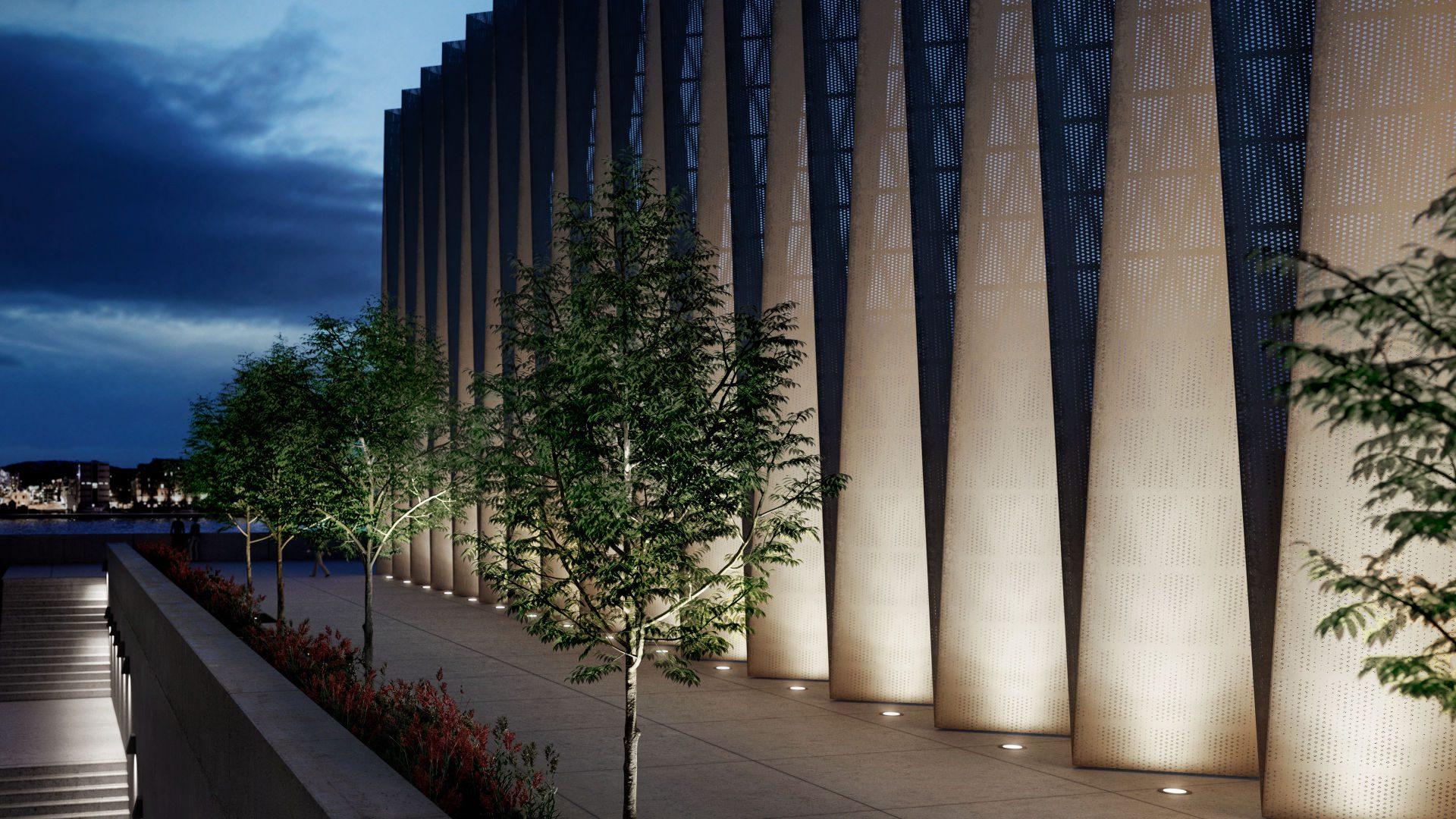
In a city plaza, for example, entrances, activity areas, and key landscape elements usually require stronger visual emphasis, while background areas such as lawns and planting zones can remain relatively subtle.
This contrast helps create depth and allows visitors to naturally understand where to go and what areas deserve attention.
For landscape projects, effective lighting is not about adding more fixtures. It is about using light strategically to organize the space and create clear visual priorities.
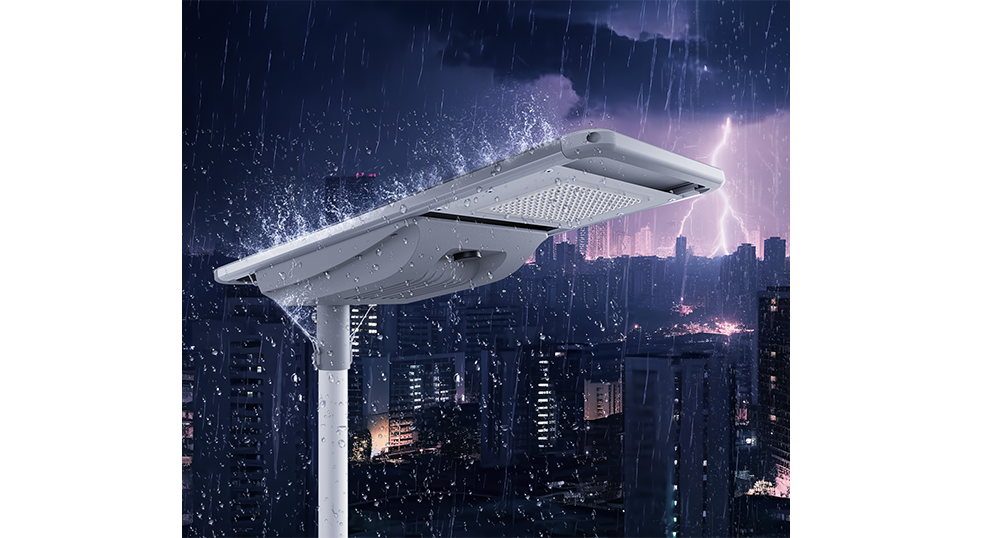
Public lighting projects are usually expected to operate for many years, making long-term reliability an important consideration.
A fixture installed in a difficult-to-access location may increase maintenance costs, even if its initial performance is excellent. For example, replacing a component on a high pole or within a complex landscape structure may require additional equipment and labor.
Therefore, lighting design should consider not only the initial installation but also:
· Product durability;
· Outdoor protection performance;
· Maintenance accessibility;
· Future management requirements.
For large-scale public projects, lifecycle cost is often more important than the initial purchase price.
Different types of public spaces have different lighting objectives. A successful lighting solution should be developed based on the characteristics of each environment rather than applying the same approach to every project.
Application | Design Focus | Recommended Lighting Approach |
City Plaza | Overall illumination, pedestrian flow, activity areas | General lighting combined with feature lighting |
Urban Park | Safety, comfort, and landscape atmosphere | Pathway lighting combined with landscape lighting |
Waterfront Area | Glare control and environmental experience | Low-glare lighting with focused landscape illumination |
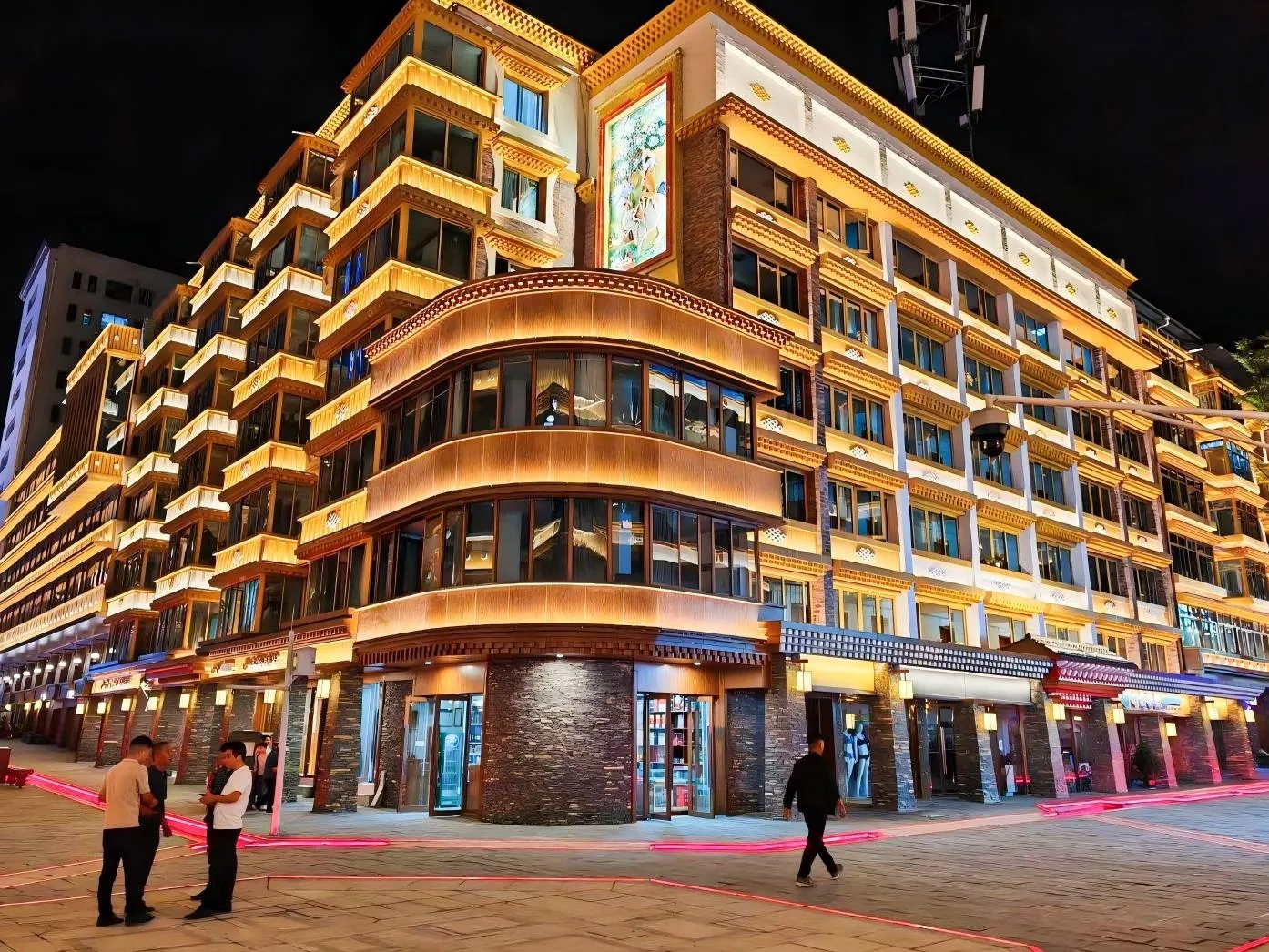
Commercial Outdoor Space | Brand image and nighttime attraction | Architectural lighting combined with plaza lighting |
Cultural Square | Architectural character and event functions | Facade lighting combined with landscape lighting |
Although these projects all fall under the category of Public Space Lighting, their priorities can be very different.
For example, a city plaza may need stronger illumination for public activities, while a park focuses more on creating a comfortable environment where people can walk, relax, and stay. Understanding these differences is the foundation of effective lighting design.
In real projects, a complete Landscape Lighting solution rarely depends on a single type of fixture.
Different lighting products are designed for different purposes. By combining them properly, designers can create a more balanced and flexible lighting environment.
For example:
LED Wall Washers can provide smooth and uniform illumination for building facades or landscape walls.
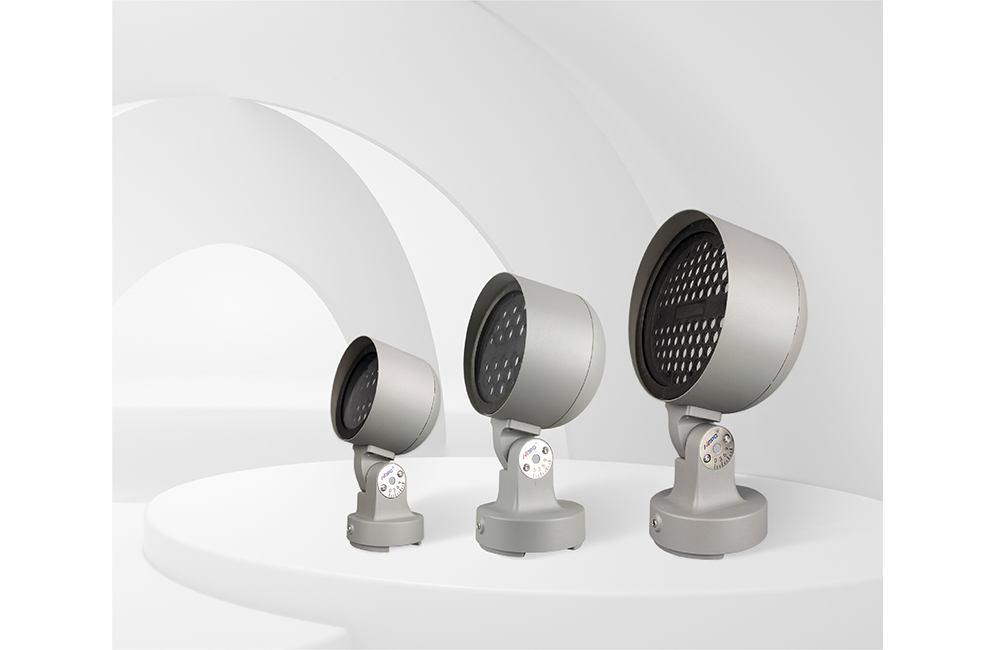
LED Flood Lights can highlight trees, sculptures, and important landscape features.
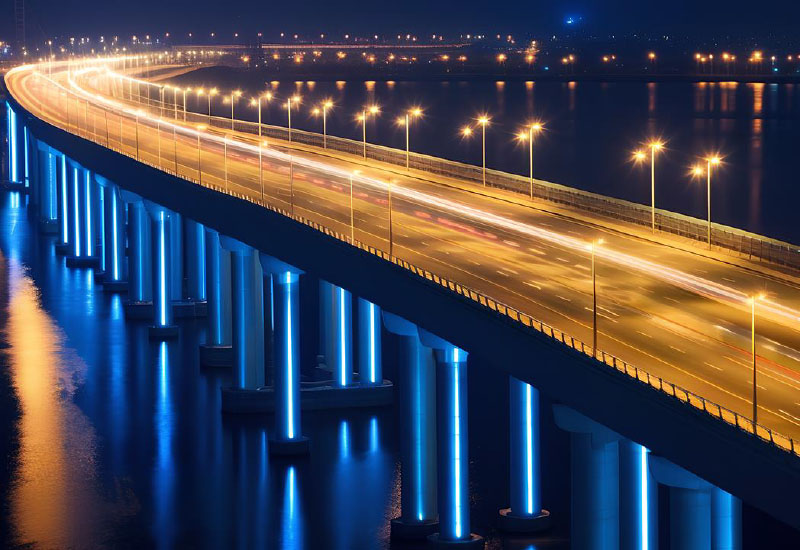
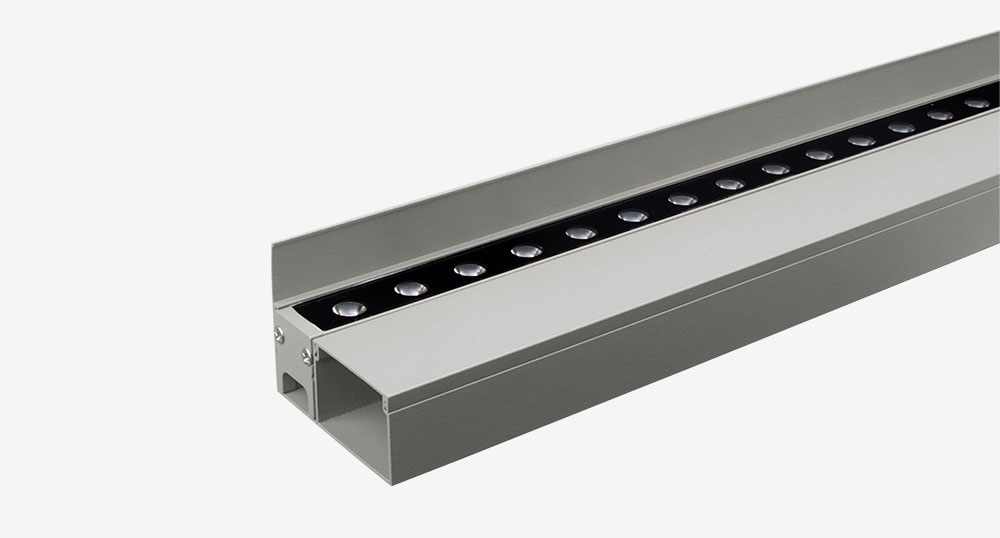
Linear Lights can emphasize architectural outlines, stairs, and pathways.
In-ground Lights can create subtle guidance along plazas and walkways.
Bollard Lights are commonly used for pedestrian paths and small outdoor areas.
Product Type | Typical Applications |
LED Wall Washer | Building facades and landscape walls |
LED Flood Light | Trees, sculptures, and key landscape elements |
Linear Light | Steps, railings, and architectural outlines |
In-ground Light | Plazas, pathways, and landscape details |
Bollard Light | Garden paths and pedestrian areas |
By assigning different roles to different fixtures, lighting designers can achieve better visual hierarchy while maintaining functionality.
The final lighting effect does not only depend on fixture performance. Many problems actually come from decisions made during the early planning stage.
Some fixtures are installed in locations that are difficult to access, such as high structures or dense landscape areas.
Although the installation may look clean initially, future maintenance can become complicated and expensive.
Considering accessibility, installation methods, and replacement convenience during the design stage can significantly improve long-term project management.
Landscape environments are constantly changing.
Trees grow, vegetation expands, and the surrounding environment may look different several years after completion. A lighting design that only considers the appearance on the completion day may gradually lose its effectiveness.
Therefore, fixture positions and lighting angles should consider future landscape development, not just the current condition.
To simplify installation, some projects use the same fixture type, brightness level, and color temperature throughout the entire space.
While this approach may make procurement easier, it often results in a flat and less engaging nighttime environment.
A better approach is to create different lighting layers:
Basic illumination for safety;
Accent lighting for important features;
Ambient lighting for atmosphere.
This creates a more natural and comfortable visual experience.
Public spaces often change over time. New landscape features, commercial activities, or smart management systems may be added in the future.
Planning sufficient flexibility in power supply, control systems, and installation space allows the lighting system to be upgraded more easily without major reconstruction.
A successful public space lighting project requires more than suitable fixtures. It requires products that can support different design concepts and adapt to various outdoor environments.
For example, building facades may require uniform illumination to enhance architectural features, while landscape elements such as trees and sculptures often need focused lighting to create visual highlights.
HIPO’s Architectural & Landscape Lighting portfolio includes Wall Washer, Flood Light, Linear Light, and other outdoor lighting products designed for architectural, landscape, and public space applications.
With product development capabilities and ODM support, HIPO provides flexible lighting solutions that can be adapted to different project requirements, including optical performance, installation methods, and lighting configurations.
No. Effective Park Lighting is not about maximizing brightness. A good design focuses on safety, comfort, and visual guidance. Proper lighting hierarchy is often more important than simply increasing illumination levels.
Functional lighting focuses on practical needs such as visibility, pedestrian movement, and safety. Landscape Lighting focuses on enhancing visual features such as plants, structures, and architectural elements.
Different fixtures serve different purposes. For example, Wall Washers are suitable for facade illumination, Flood Lights work well for accent lighting, and Linear Lights are effective for architectural outlines. Combining different fixtures helps achieve both functional and aesthetic goals.
Besides lighting performance, project owners should evaluate durability, weather resistance, maintenance requirements, and future upgrade possibilities to ensure reliable long-term operation.
Public Space Lighting is not simply about adding more light to an area. It is about creating a balanced relationship between people, space, and the nighttime environment.
Whether for city plazas, parks, or commercial outdoor areas, successful Landscape Lighting requires thoughtful planning, appropriate fixture selection, and consideration of long-term operation.
By combining functional requirements with visual design, modern lighting solutions can create public spaces that are safer, more comfortable, and more attractive after dark.
HIPO Lighting is a professional LED lighting manufacturer specializing in architectural, landscape, and outdoor lighting solutions.
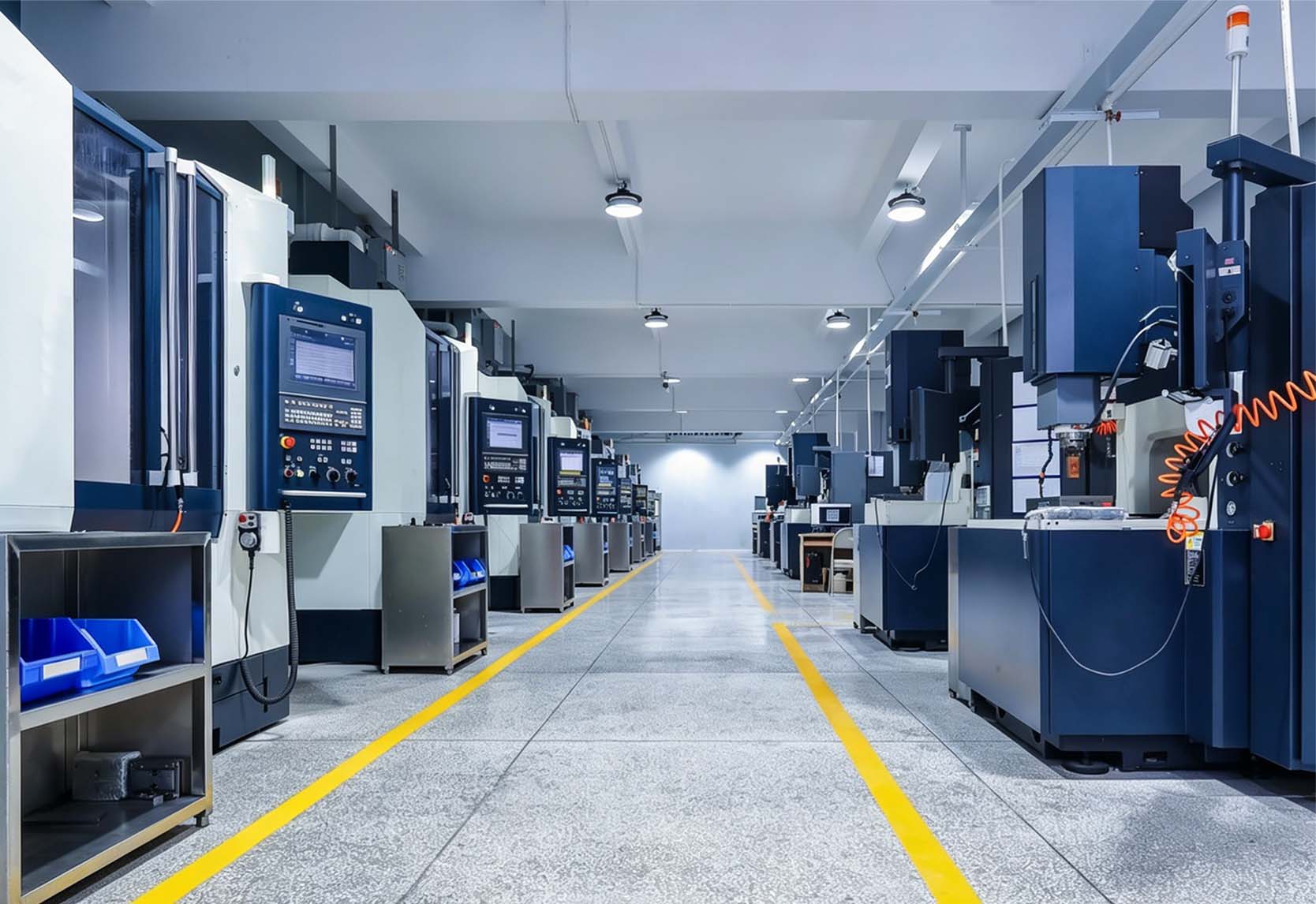
With R&D capabilities, a 10,000㎡ manufacturing base, and ODM support, HIPO provides flexible lighting solutions for public spaces, urban landscapes, commercial areas, and outdoor projects.
By combining reliable LED products with customized lighting solutions, HIPO helps customers create safe, comfortable, and visually appealing nighttime environments.