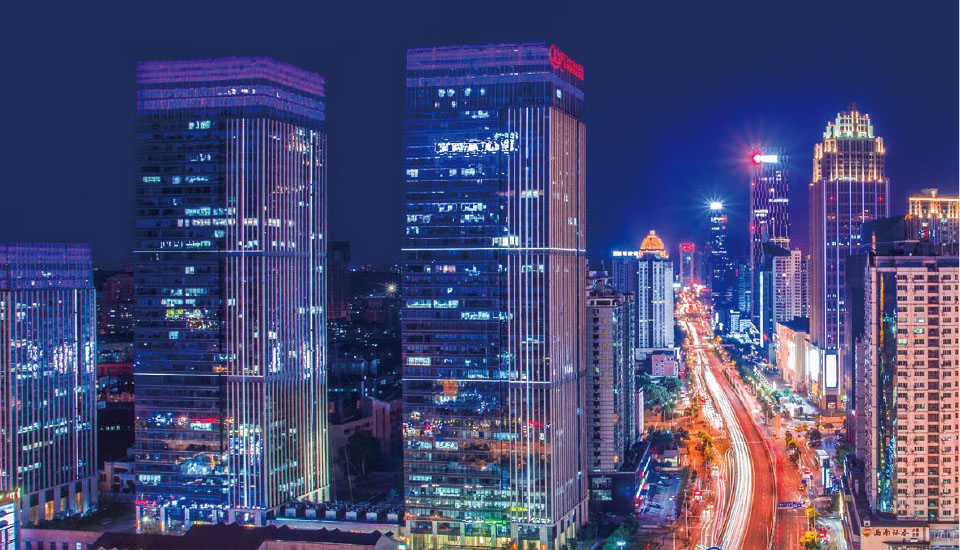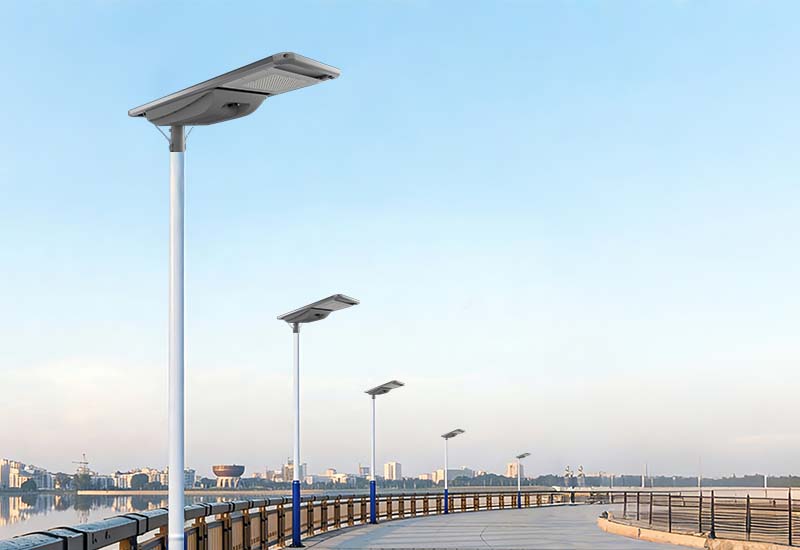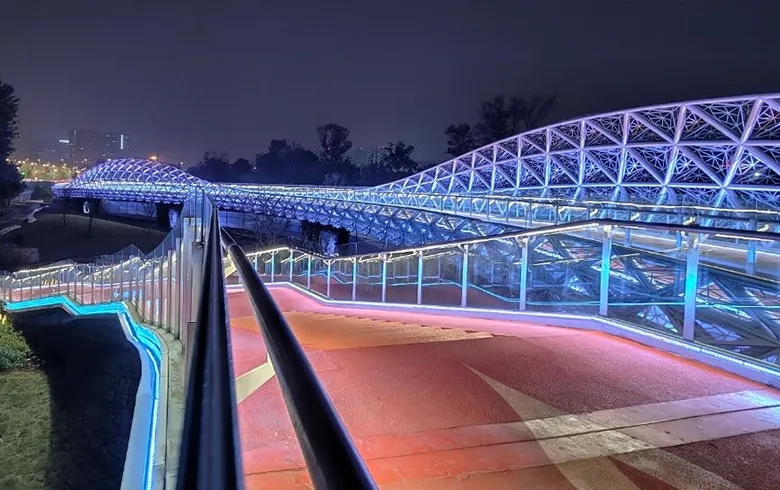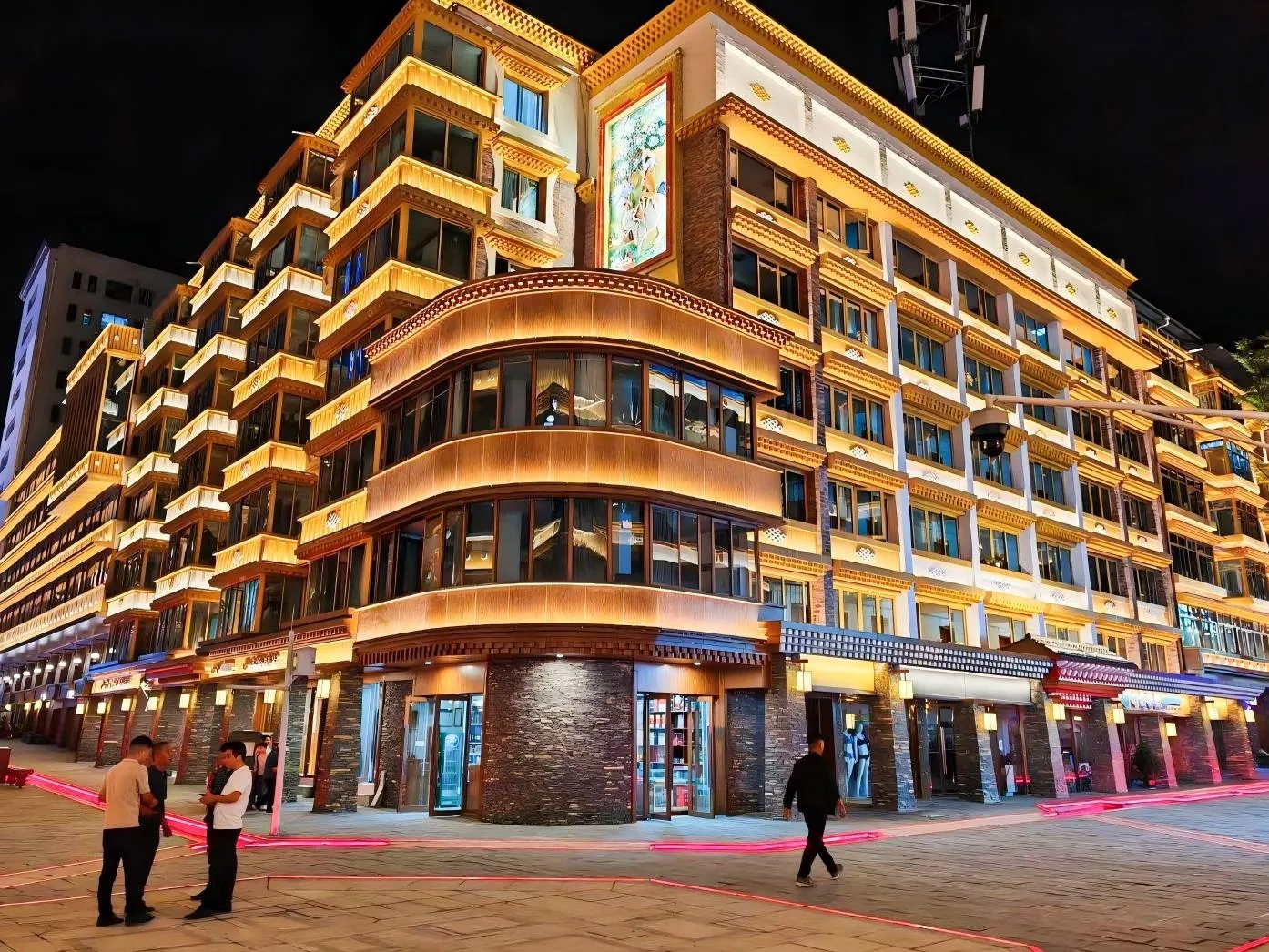


In today’s urban environment, commercial competition is no longer limited to daytime visibility or architectural form. Nighttime experience has become a key factor influencing visitor flow, dwell time, and overall brand perception.
Well-designed lighting does more than illuminate a space. It shapes spatial hierarchy, guides movement, enhances safety, and creates emotional atmosphere. For commercial operators, this translates into increased engagement, stronger identity, and improved business performance.
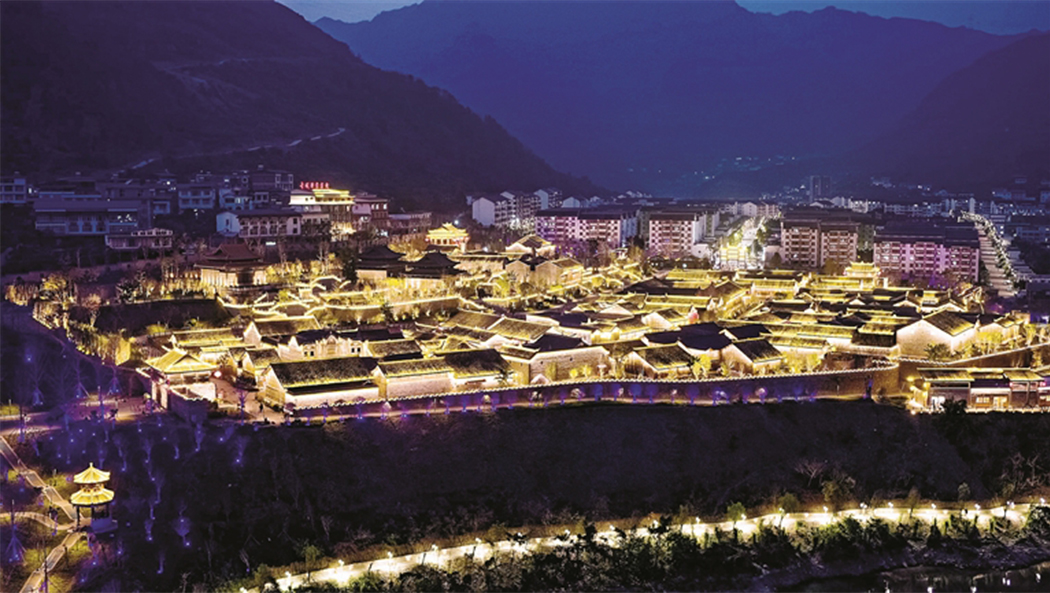
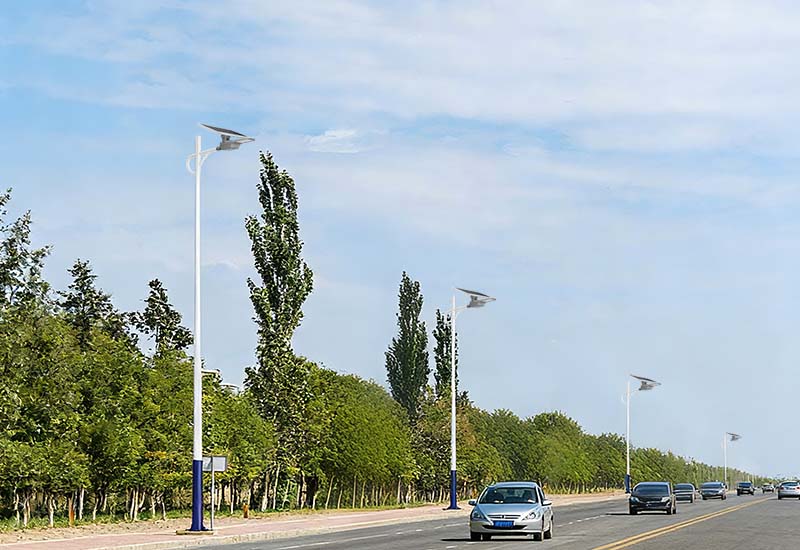
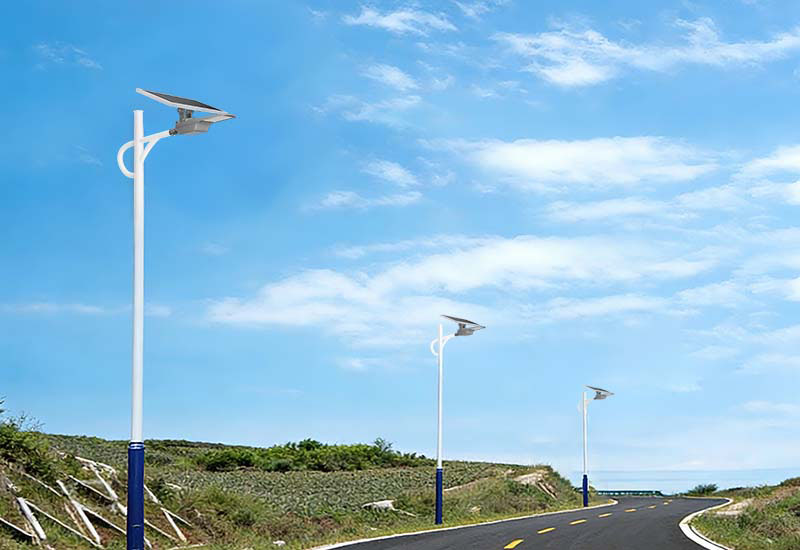
Pathway lighting is the foundation of any outdoor lighting system. Its main purpose is to guide movement while maintaining spatial clarity.
Common approaches include:
This approach is widely used in commercial streets, parks, and public walkways.
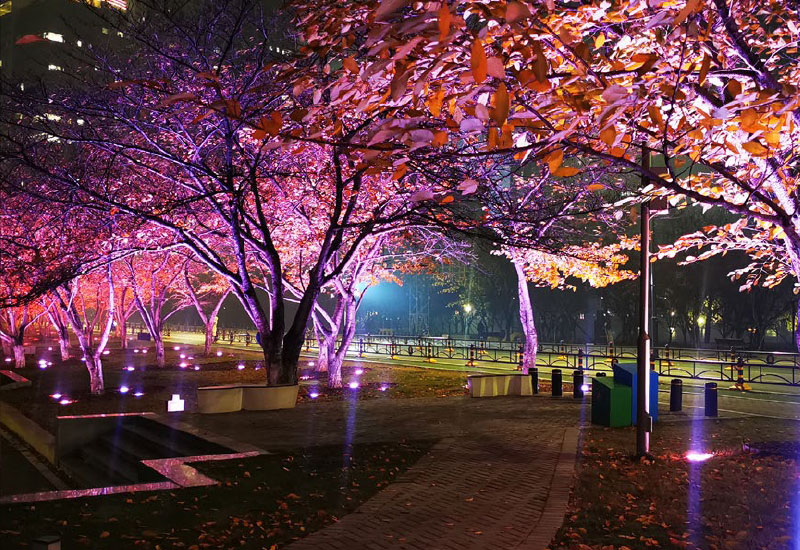
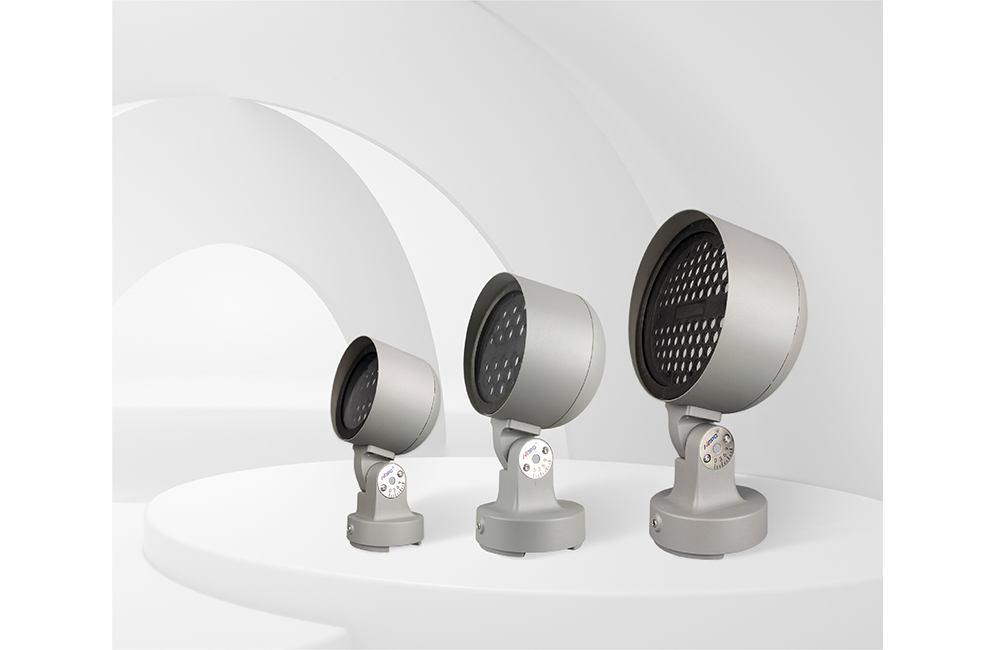
Highlighting natural elements such as trees and shrubs can significantly enhance spatial depth and visual layering.
Typical techniques include:
This method is commonly applied in hotel landscapes, parks, and premium commercial environments.
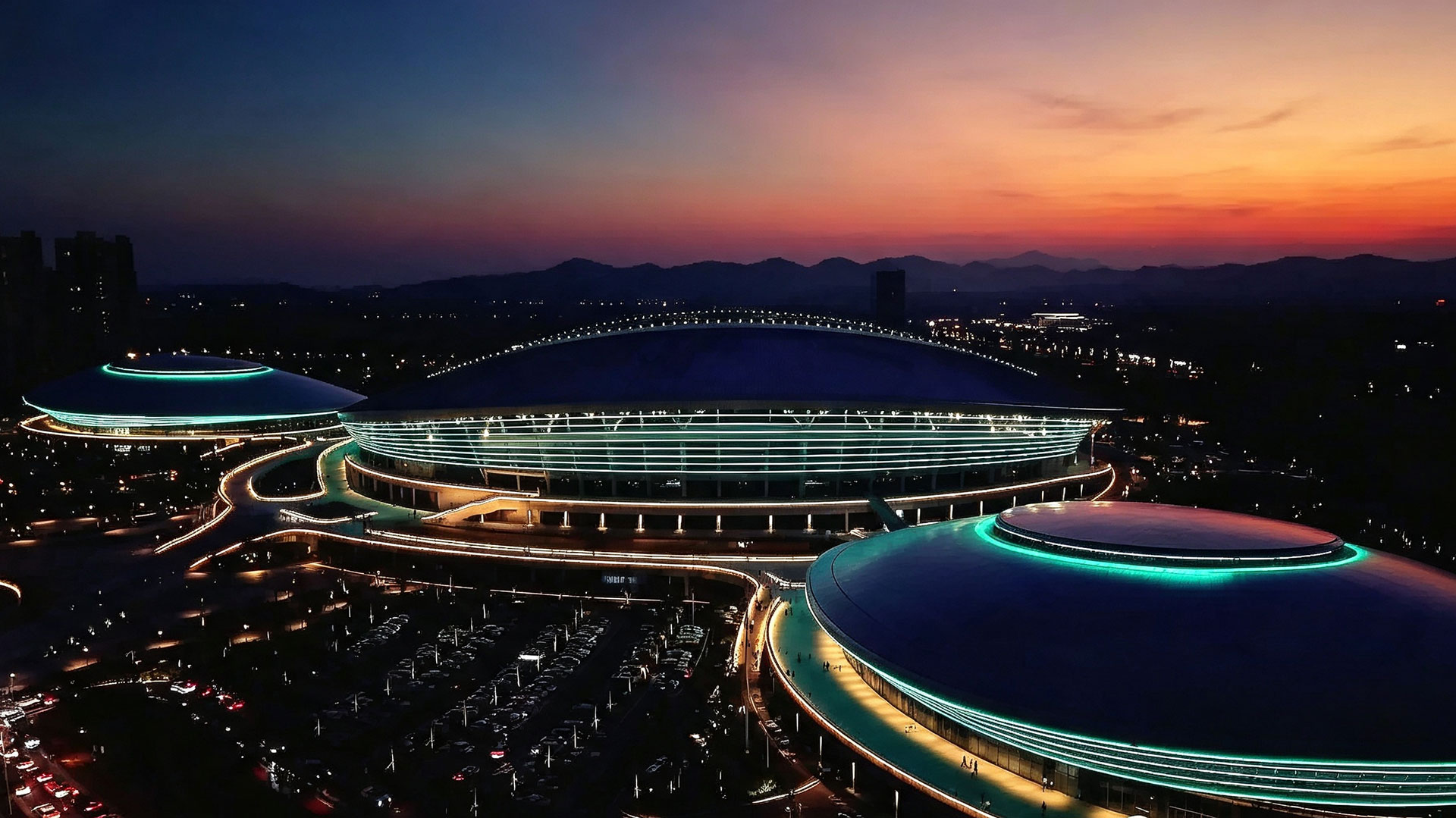
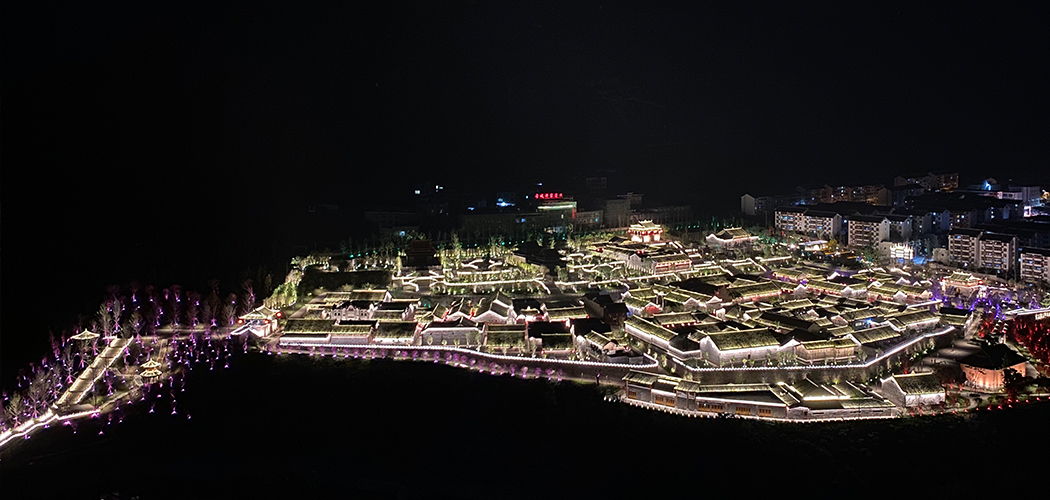
Modern lighting design increasingly integrates buildings with surrounding landscapes, creating a unified visual environment rather than isolated elements.
Key design focus:
Related Solution:
Architectural & Landscape Lighting
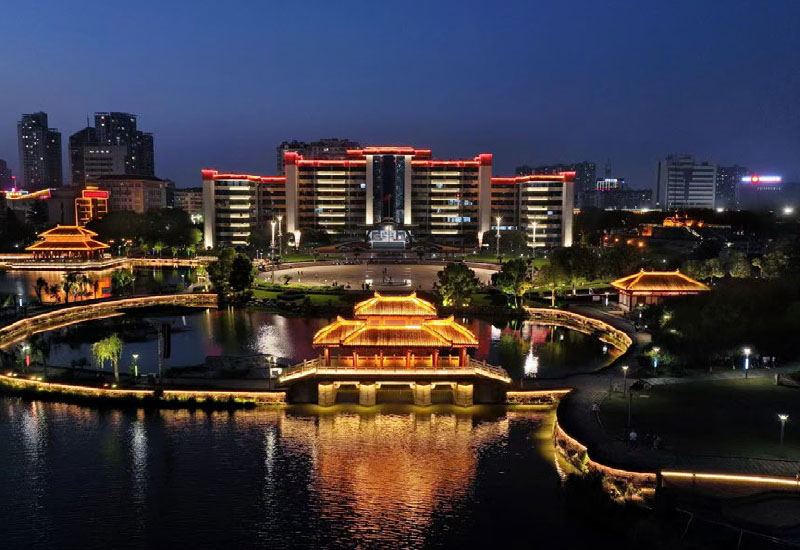
Water is one of the most expressive elements in landscape design. Lighting enhances its movement and visual impact.
Common techniques include:
Suitable for fountains, lakes, and waterfront commercial spaces.
Recessed lighting provides subtle illumination while maintaining a clean visual appearance.
Key advantages:
Entrances are the most critical visual points in commercial environments.
Design strategies include:
Entrance lighting strongly influences first impressions and visitor conversion.
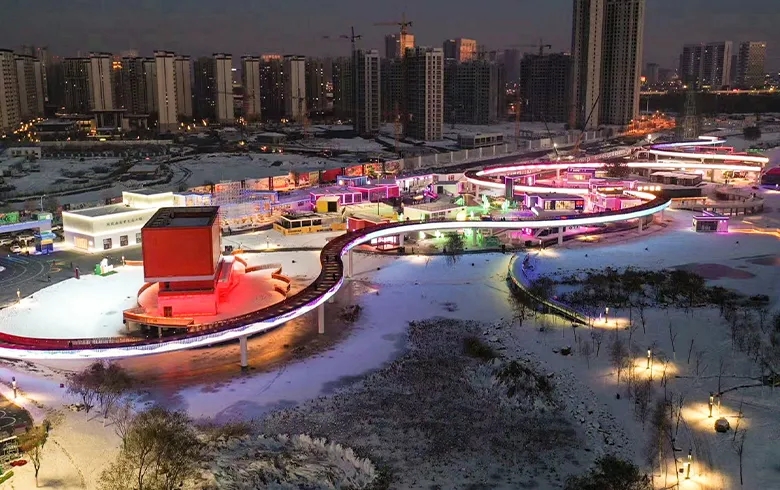
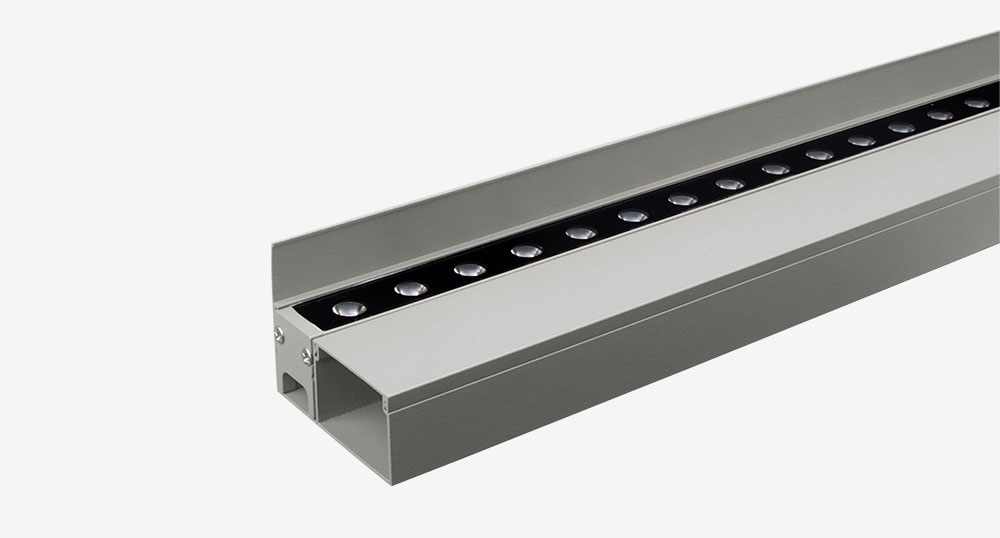
Linear lighting has become a defining element of modern landscape design.
Applications include:
Its strength lies in continuity and modern aesthetics.
This design balances safety and visual appeal.
Common methods:
Interactive lighting enhances engagement and social sharing potential.
Features include:
Different color temperatures can define spatial function:
Lighting rhythm enhances spatial experience through controlled variation:
Often used in night tourism and commercial streets.
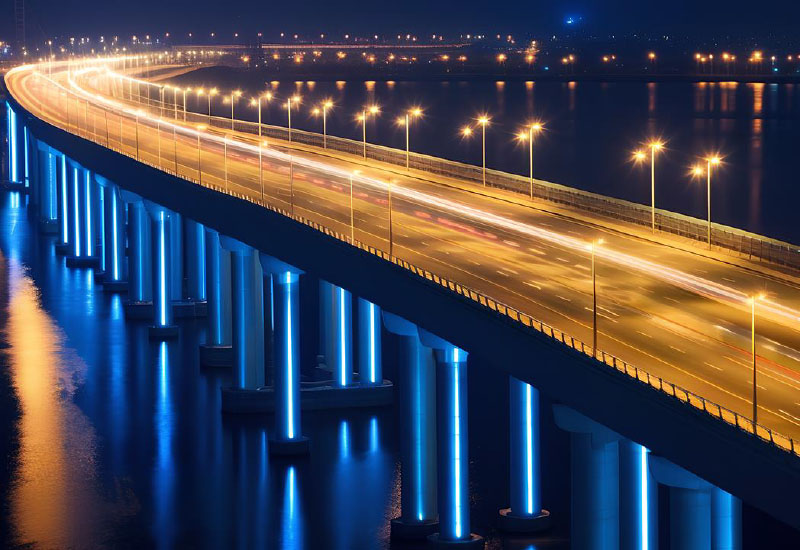
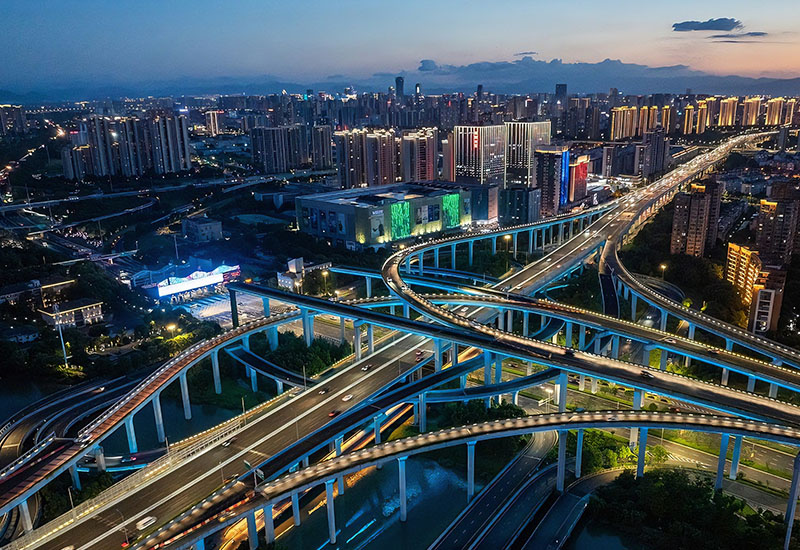
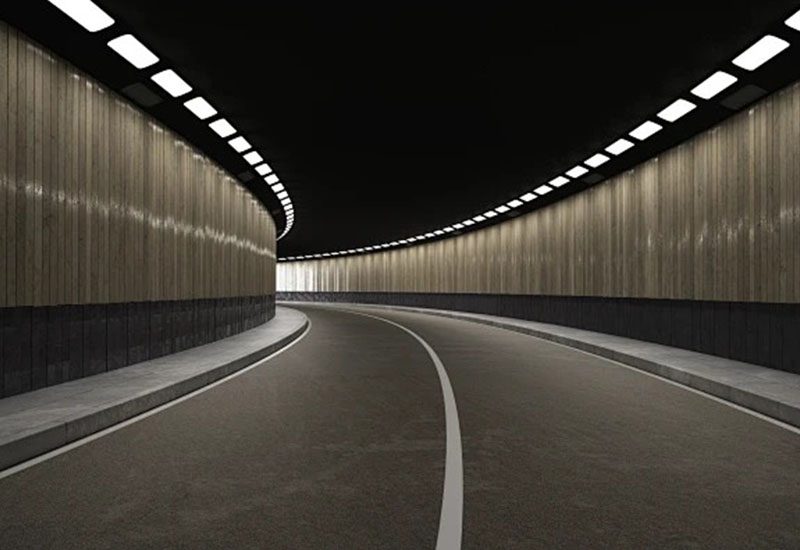
Bridge lighting emphasizes structural aesthetics and urban identity.
Key design elements:
Modern lighting design increasingly prioritizes visual comfort.
Key considerations:
Smart lighting is becoming a core standard in modern landscape projects.
Key functions include:
Related System:
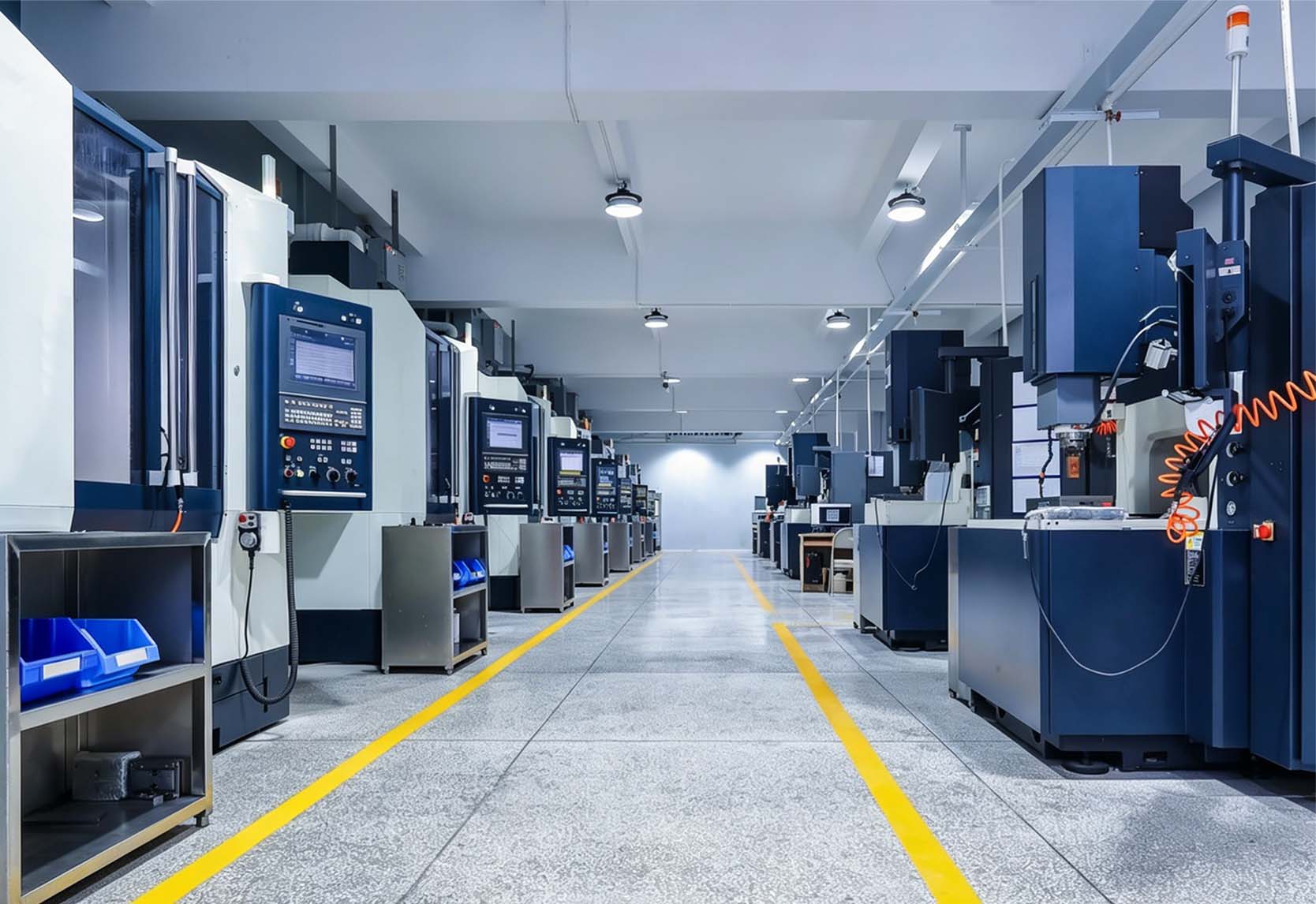
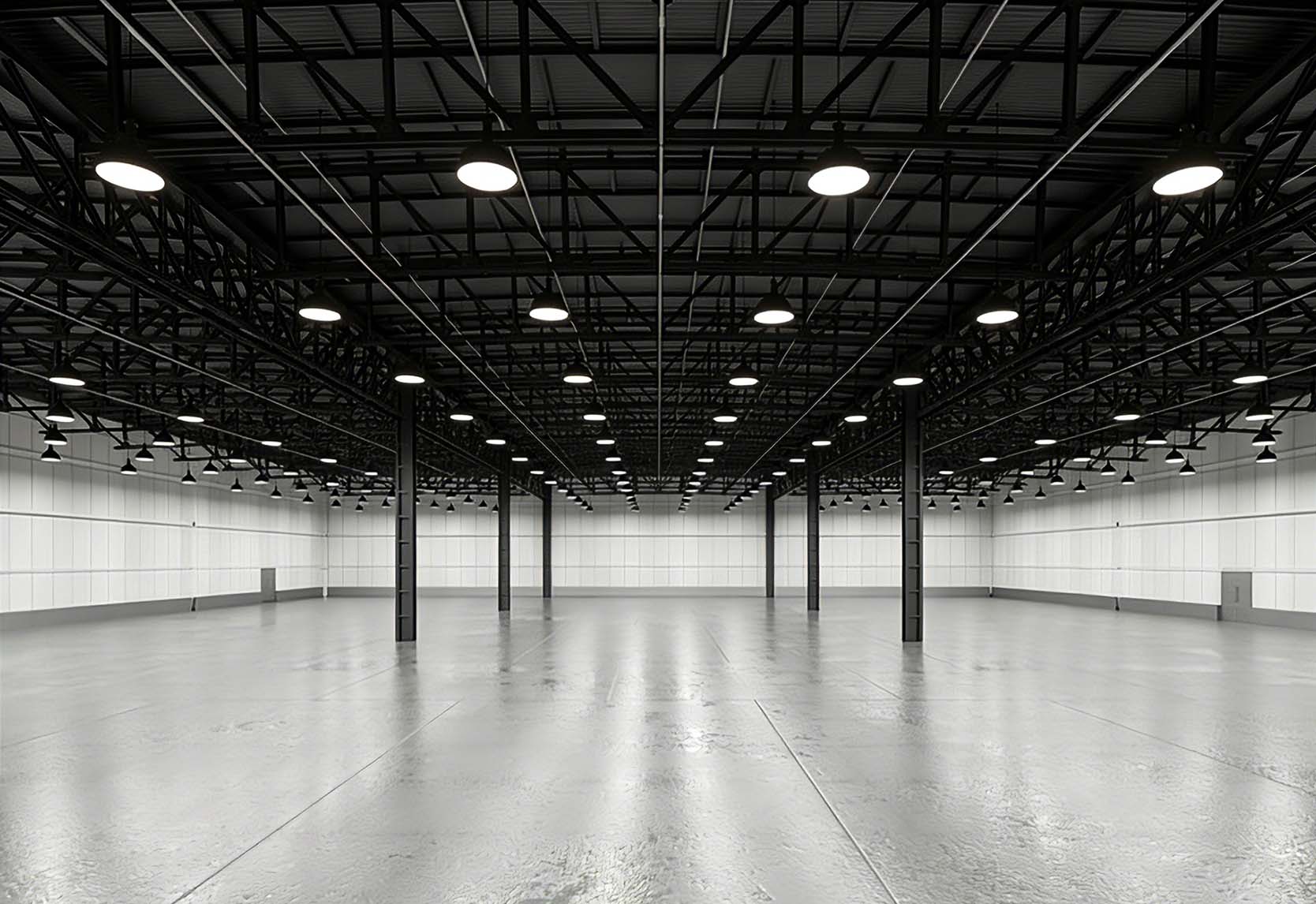
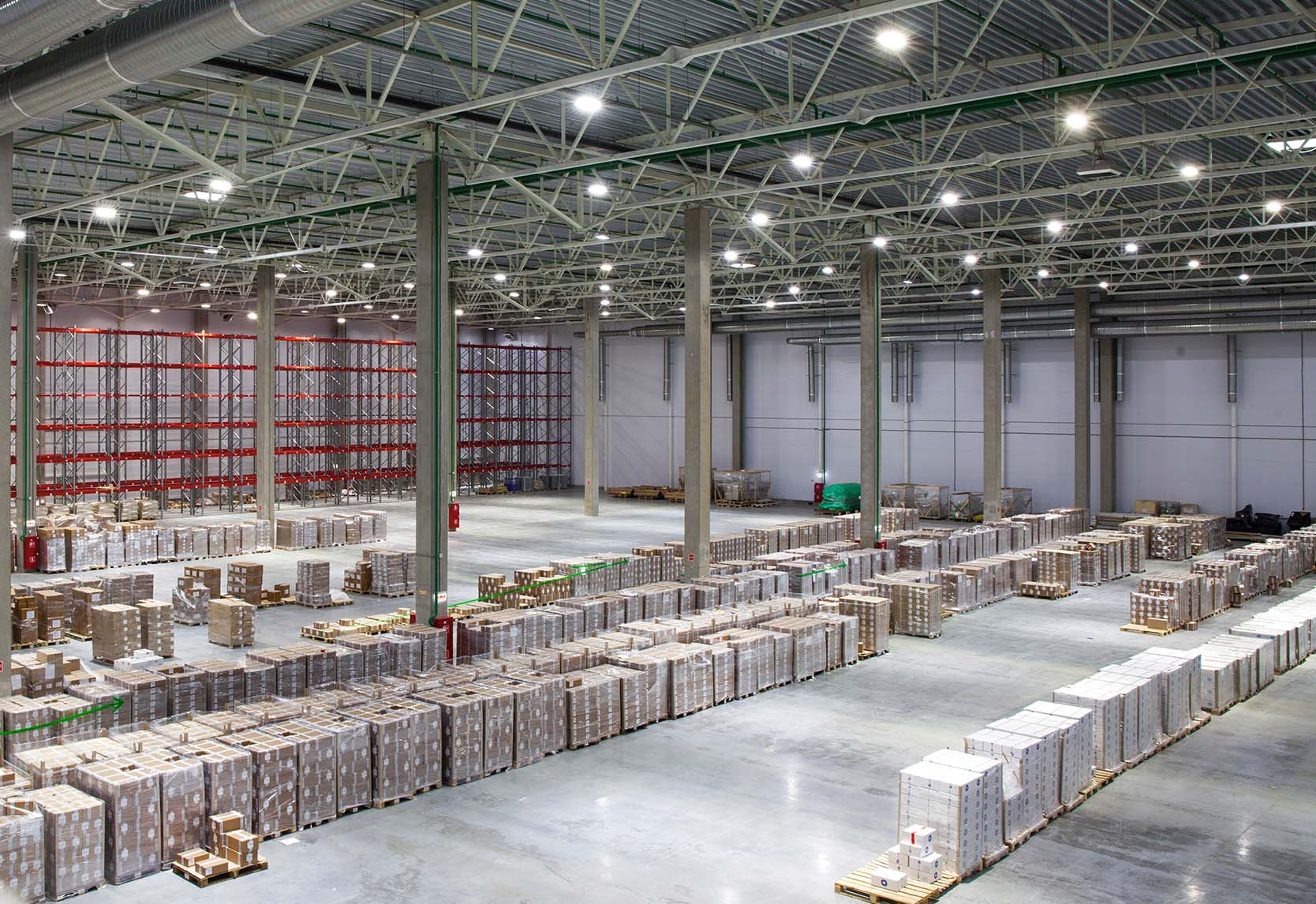
Industrial LED Lighting
The main goal is to enhance spatial experience, improve safety, and increase commercial attractiveness through structured lighting design.
Because lighting directly affects atmosphere, visitor behavior, and overall spatial value. Professional design helps avoid energy waste and visual discomfort.
Key factors include visual comfort, spatial hierarchy clarity, and overall nighttime consistency.
They enable remote control, energy optimization, scene management, and improved operational efficiency.
Initial investment may increase, but long-term energy savings and LED efficiency typically reduce overall lifecycle costs.
HIPO Lighting is a professional outdoor lighting manufacturer specializing in high-performance LED lighting products and project-based lighting solutions.
Core solution categories include:
HIPO Lighting supports customers worldwide through:
✓ Product selection support
✓ Lighting solution consulting
✓ OEM / ODM manufacturing
✓ Project delivery assistance
✓ Long-term technical service
Whether for commercial developments, public infrastructure, or industrial facilities, HIPO Lighting is committed to creating sustainable and efficient lighting environments through innovative lighting technologies.