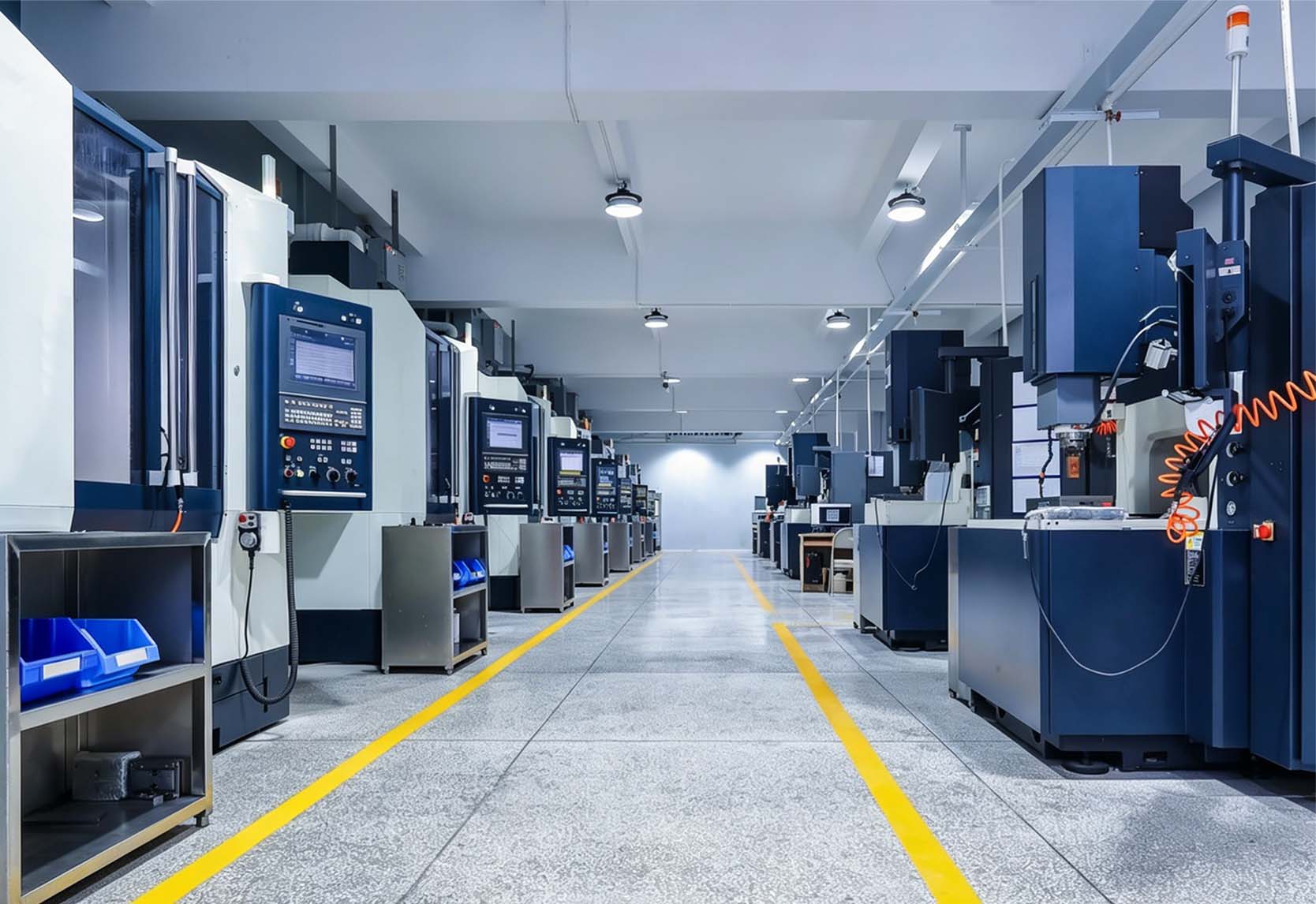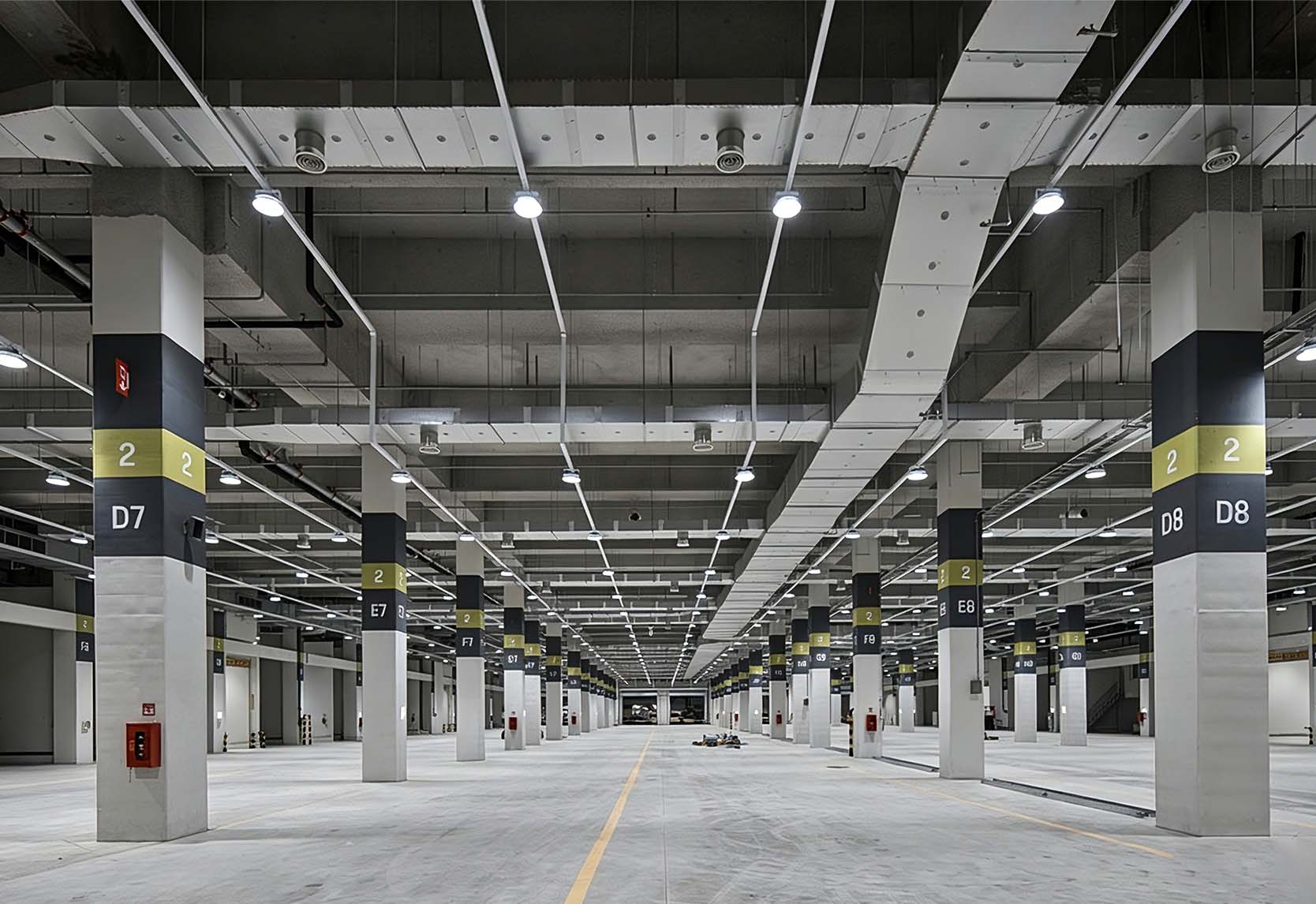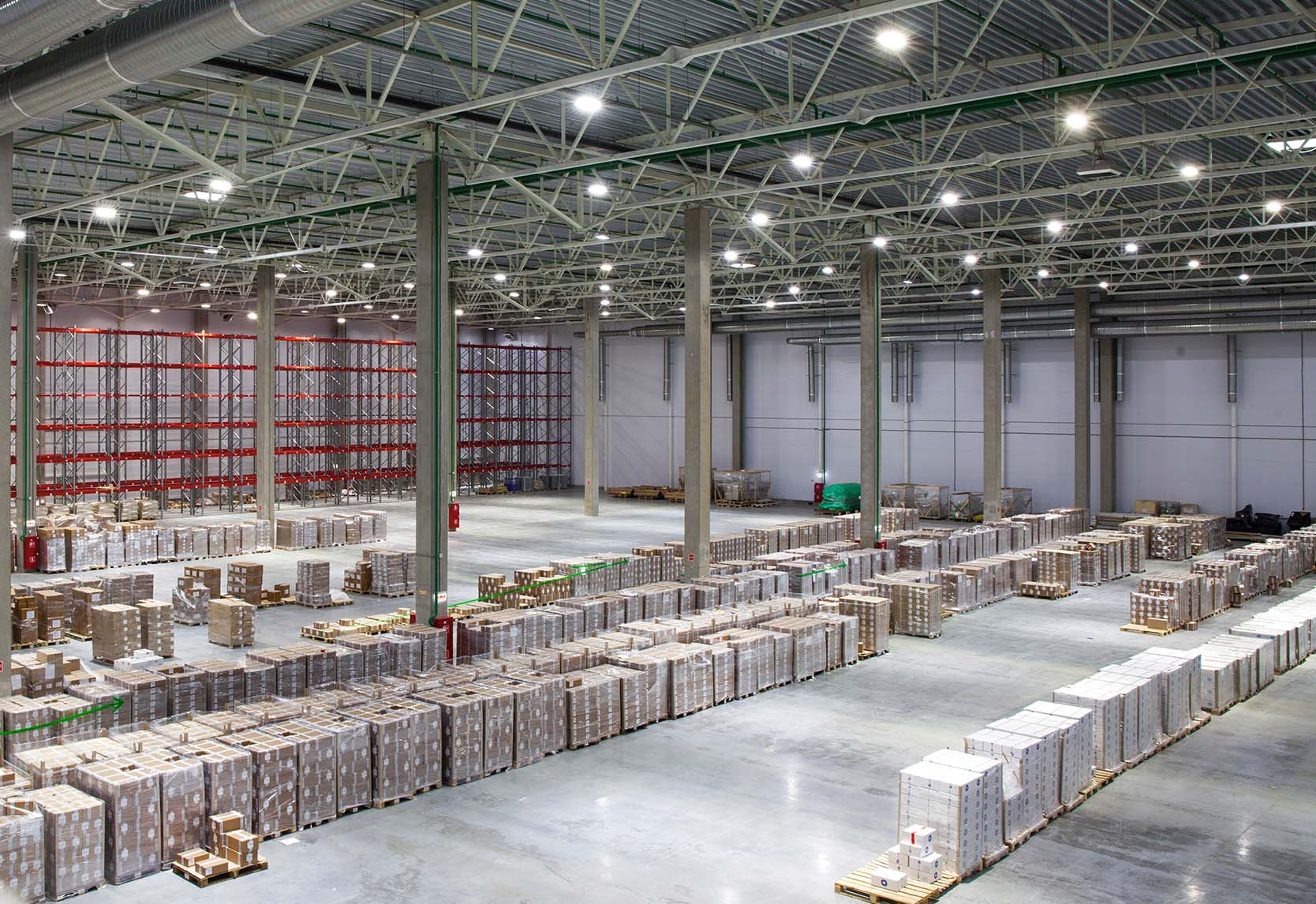


In factories and large warehouse environments, high bay lighting is one of the most critical lighting systems. Since installation heights typically range from 6 to 20 meters, lighting performance depends heavily on luminous efficiency, beam angle, and thermal management.
Incorrect selection can lead to uneven illumination, insufficient brightness, high energy consumption, or frequent maintenance—directly affecting productivity and operational costs. High bay lighting is therefore not just a lighting product, but a key factor in overall space efficiency.
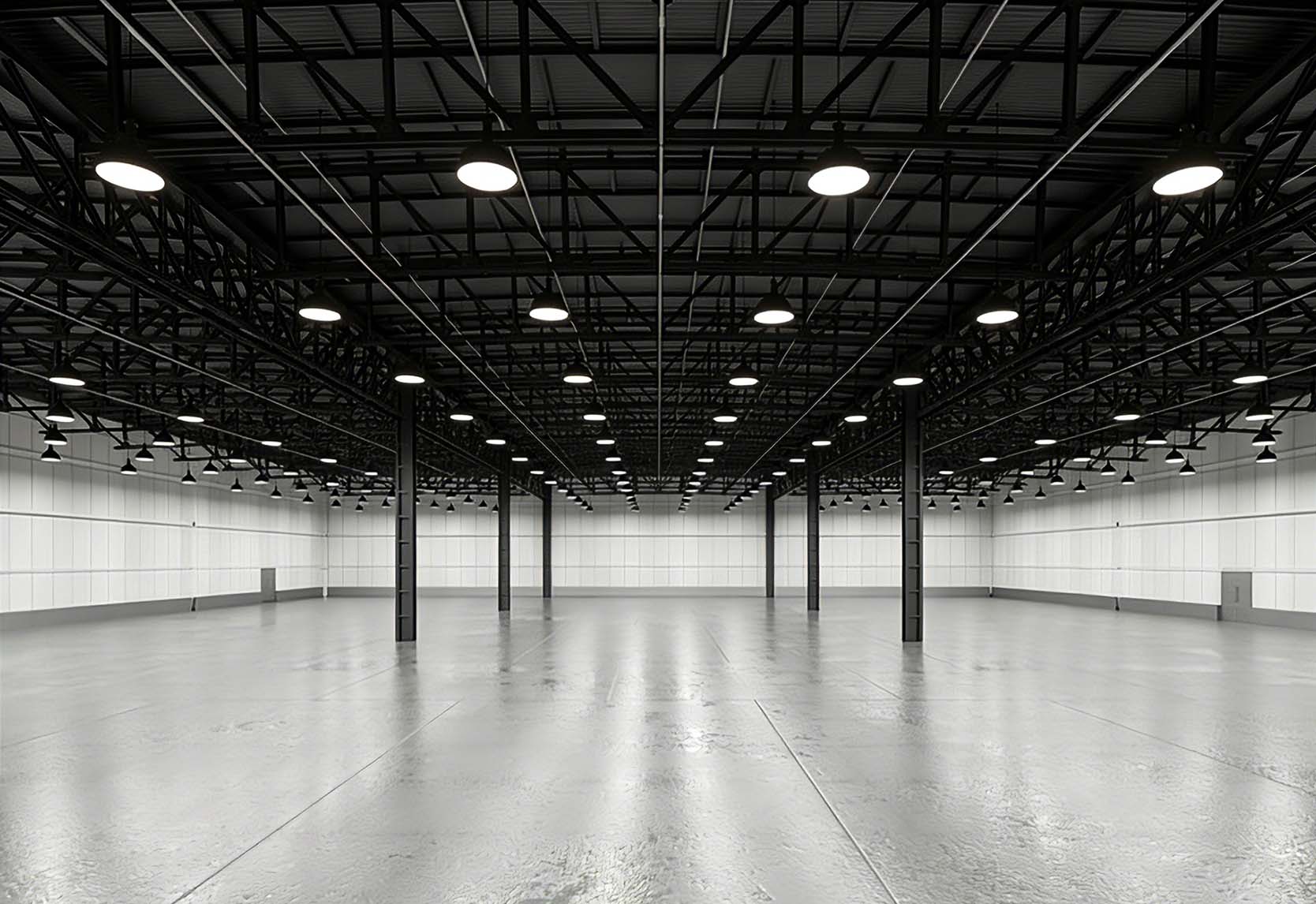
Industrial LED high bay lighting is commonly used in:
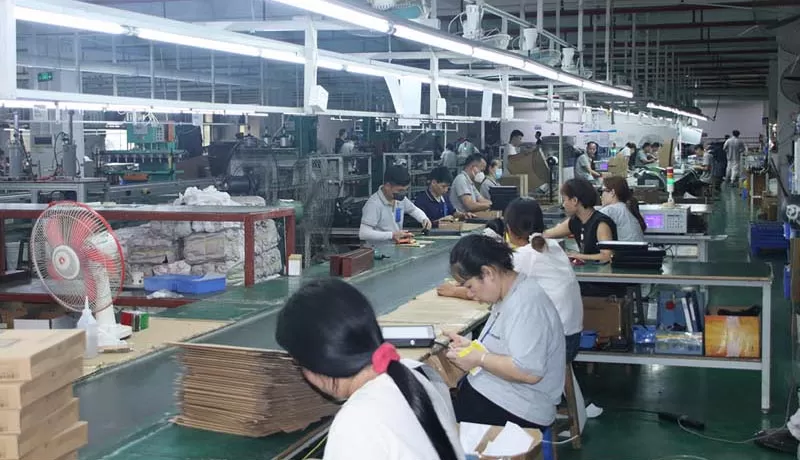
Large manufacturing workshops requiring high brightness and uniform illumination; warehouse logistics centers focusing on aisle visibility and inventory accuracy; indoor sports facilities requiring wide-area uniform lighting; and precision assembly areas requiring low glare and high color rendering.
Each scenario has different lighting requirements, making proper selection essential.
When selecting high bay lighting, the following factors are critical:
Luminous flux determines overall brightness. High bay lights require sufficient output to illuminate large spaces effectively, depending on height and area size.
Higher efficacy means more light output per unit of energy, making it a key indicator for energy-efficient design and cost reduction.
Color temperature affects visual comfort. Industrial environments typically use neutral white or cool white to enhance clarity and productivity.
A higher CRI ensures more accurate color representation, which is essential in quality inspection and precision manufacturing environments.
Industrial environments often involve dust, moisture, or oil exposure. A suitable IP rating ensures long-term reliability and stable performance.
Beam angle determines light distribution. Narrow angles are suitable for high ceilings with focused lighting, while wide angles are better for uniform coverage.
Proper selection depends on mounting height:
6–10 meters: medium power with uniform distribution; 10–15 meters: higher power with optimized beam control; above 15 meters: high-efficiency fixtures with strong anti-glare design.
The higher the installation, the more precise optical control is required.
Energy efficiency is not only about replacing fixtures but optimizing the entire lighting system.
Replacing traditional lighting with high-efficiency LED high bay fixtures significantly reduces energy consumption while maintaining brightness levels.
Product Reference:
Industrial LED Lighting Solutions
Dividing spaces into independent lighting zones allows flexible control based on usage, reducing unnecessary full-load operation.
Integration with motion sensors and scheduling systems enables automatic switching and dimming, minimizing wasted energy.
Efficient optical distribution reduces fixture redundancy and improves overall lighting effectiveness.
Typical mistakes include focusing only on price instead of efficiency, ignoring installation height compatibility, neglecting IP rating requirements, overusing high wattage fixtures, and lacking control system integration.
These issues can significantly reduce expected energy savings and lighting quality.
High bay lighting is evolving toward:
Higher efficiency with lower energy consumption; smart IoT-enabled control systems; modular designs for easier maintenance and upgrades.
Lighting systems are shifting from standalone fixtures to intelligent energy management nodes within industrial environments.
Usually between 6 and 20 meters, depending on the application and required illumination level.
No. Proper selection depends on height, area size, and lighting requirements. Overpowered fixtures can cause glare and energy waste.
Yes. LED technology provides higher luminous efficacy, significantly reducing energy consumption for the same brightness.
In most cases, existing wiring can be reused, although system optimization may improve performance.
Medium to wide beam angles are typically used for warehouses to ensure uniform aisle lighting and visibility.
High-quality LED high bay lights have long lifespans, depending on usage environment and thermal design.
Key indicators include luminous efficacy, heat dissipation design, IP rating, driver stability, and industrial-grade certification.
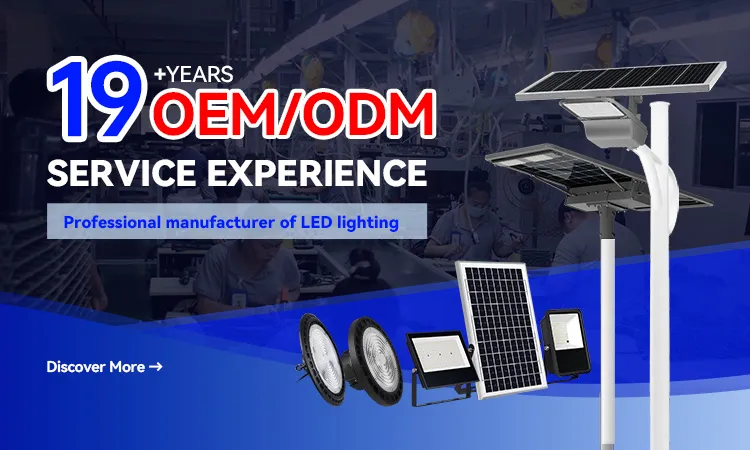
HIPO Lighting specializes in industrial and outdoor lighting systems, providing efficient, energy-saving, and intelligent lighting solutions for global factories, warehouses, and infrastructure projects.
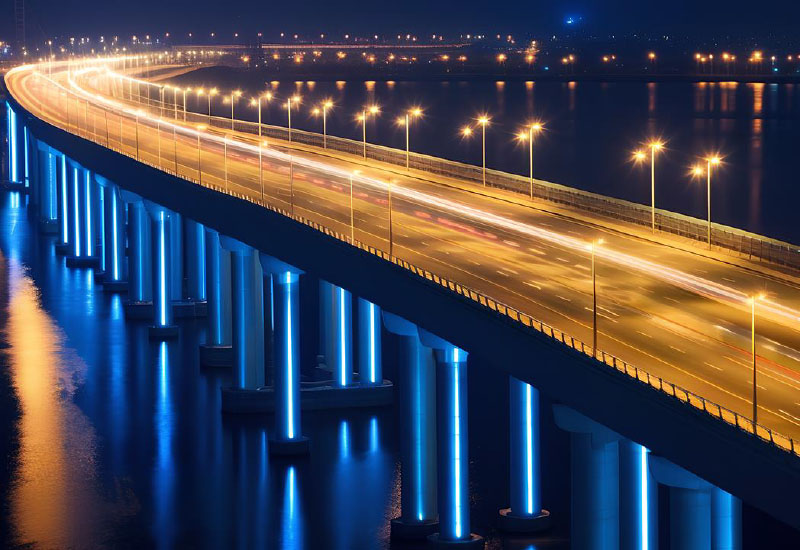
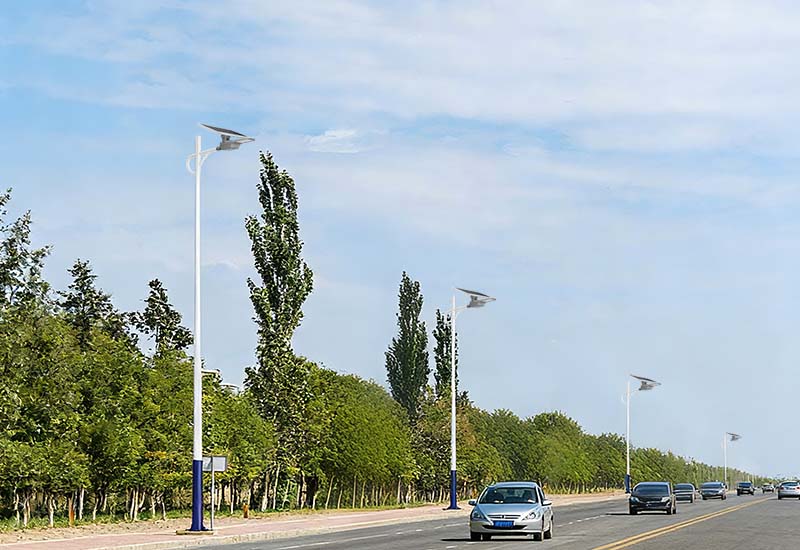
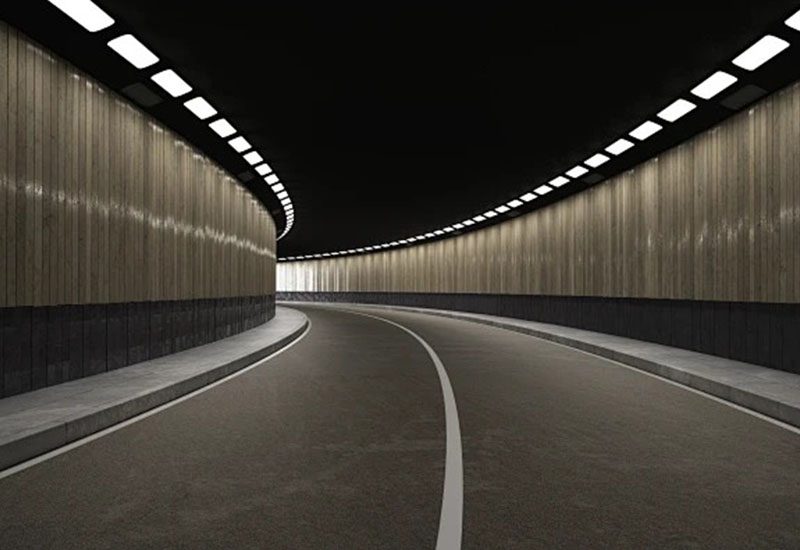
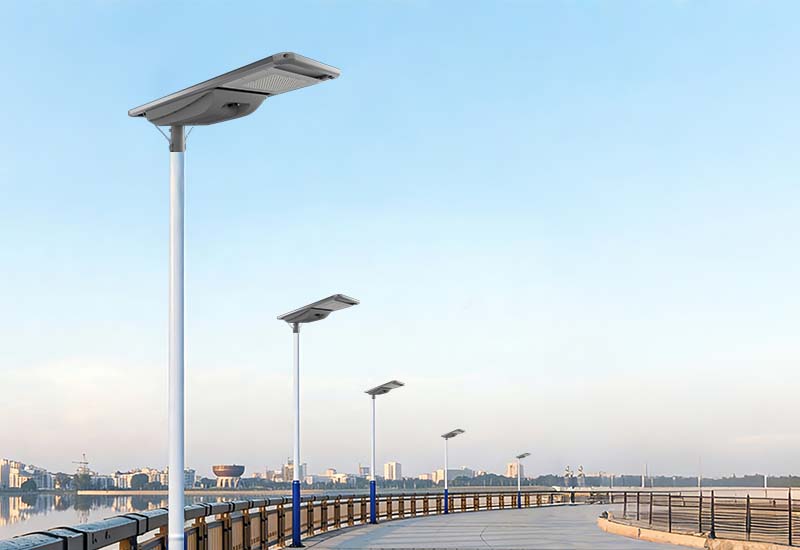
Applications include industrial facilities, warehouse logistics lighting, roadway systems, and tunnel lighting environments.
We provide end-to-end support from lighting design and product configuration to project implementation and long-term maintenance, helping clients achieve lower energy consumption and higher productivity.
Industrial High Bay Lighting Product:
View Immediately
Contact Us:
Get Your Solution by Contacting Us Today