



In recent years, as new energy solutions are being developed, solar street lamps have become a popular and critical option for lighting our roads.
They save energy, are good for the environment, cost nothing in electricity, are easy to put in, and don't need much upkeep. Because of all this, you'll find them widely used for outdoor lighting on rural roads, highways, at ports, and in various big infrastructure projects.
So, how do you go about picking the right solar streetlight system?
There are wide variations in lighting requirements, weather conditions, and actual challenges in different locations. Just choosing a wattage is not enough. Lights made for the countryside, for instance, do not meet the highway standards, and the typical utility lamps often fail in the most inhospitable areas along the coast.Hipo lighting offers many different solutions, with expert engineers ready to help you choose the best and most cost-effective option for your specific project.
Solar Streetlights for Rural Areas
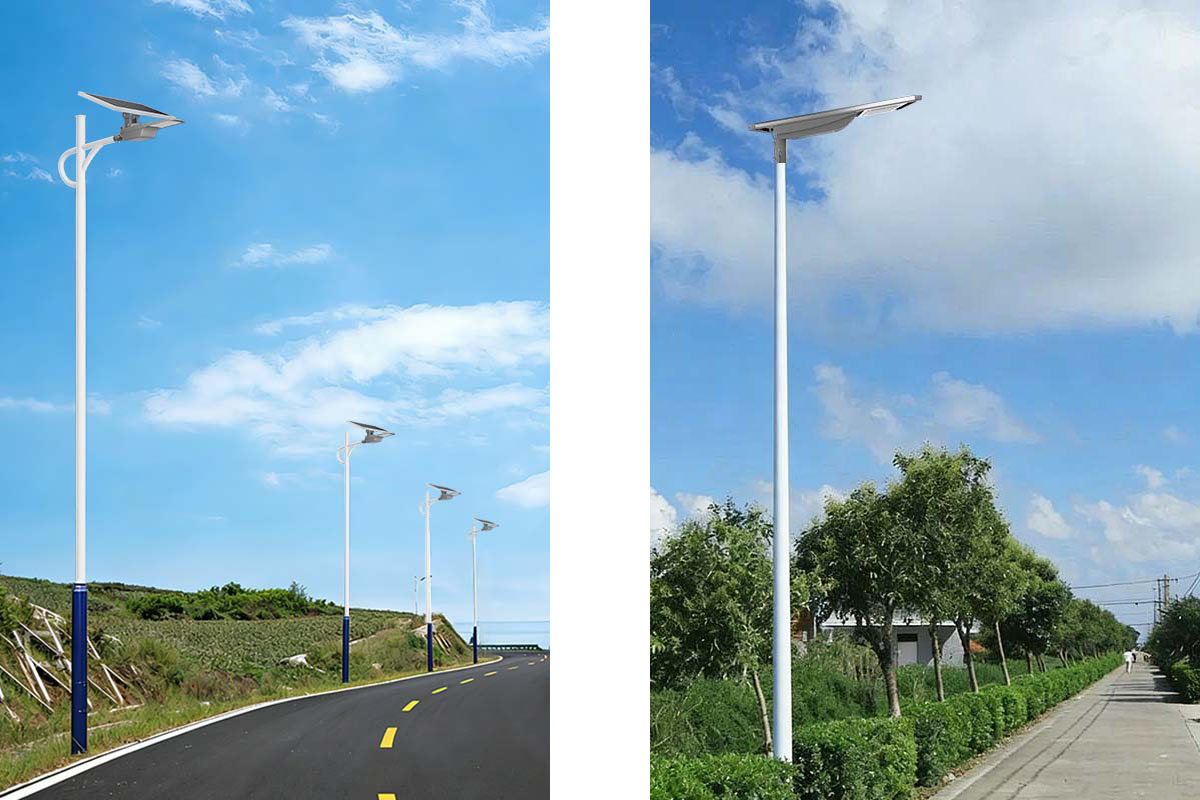
When it comes to lighting rural roads, village paths, field roads, and community public spaces, the main things people look for are simplicity, practicality, stability, reliability, and affordability. Because most rural areas do not have dedicated maintenance personnel, any lighting solution should focus on basic road safety and visibility, at the same time keeping the initial costs low and ensuring that maintenance is kept to a minimum.
In addition, rural areas face many challenges: budget constraints, lack of sunlight in winter, trees and buildings easily block sunlight, and regular inspections and repairs can be problematic. That's why solar street lamps are a good idea in rural areas. It's worth it. It's very efficient to store energy even at low levels of light, and it doesn't need to be constantly attentive.
Solar Streetlights for Highways
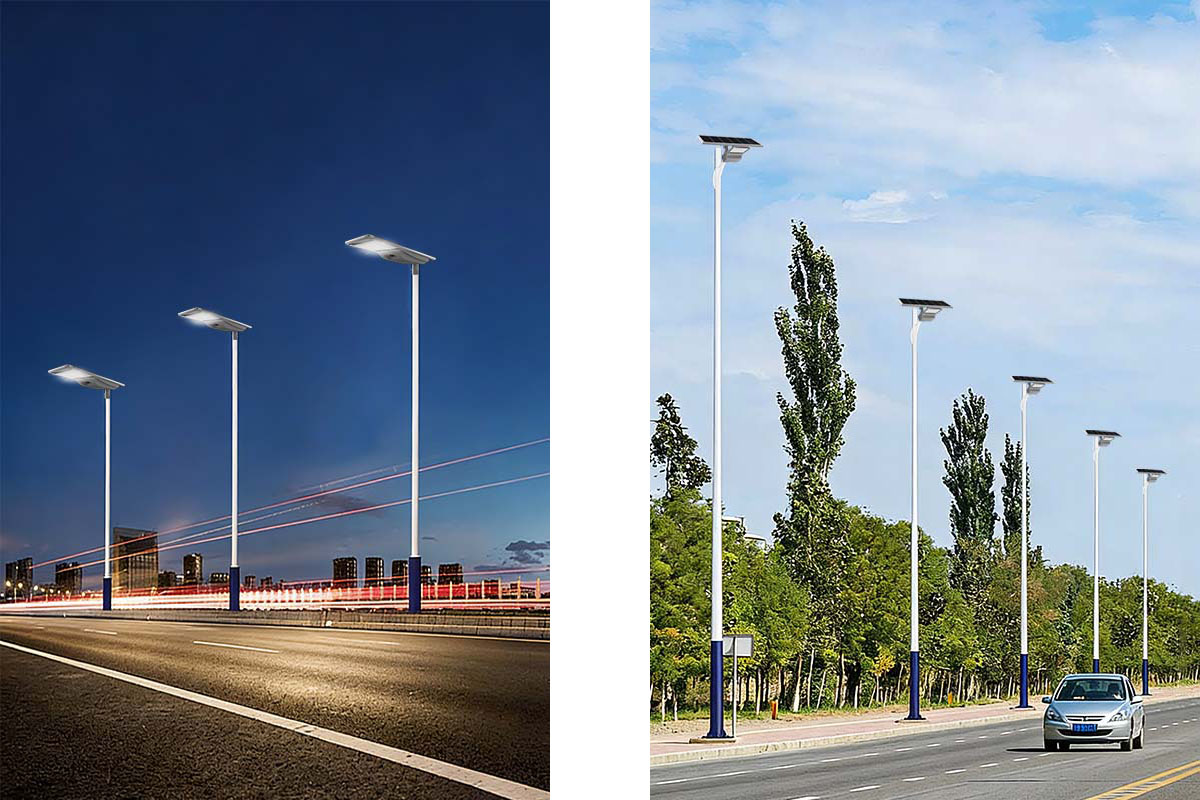
The key lighting standards for highway solar street lamps are consistent brightness, steady light output, and overall safety. The lights should be bright enough to allow the road traffic to see them clearly and to ensure that they do not have any dark spots.They also need smart anti-glare design to stop strong light from bothering drivers and causing safety issues. A robust lighting solution should also be very weather-resistant, able to handle strong winds and other extreme conditions, and keep working reliably for a long time.
You will often find 30 to 60 Watt lamps on the freeway ramps and in service areas. However, major roads require more light, so typically 80 to 150 watt lamps are selected.A neutral color temperature, around 4000K-5000K, is usually preferred for clear visibility. When these are combined with professional road light distribution angles (Class III and Class V), it makes sure the light spreads evenly across the whole road surface.
Special Solar Streetlights for Ports and Coastal Areas
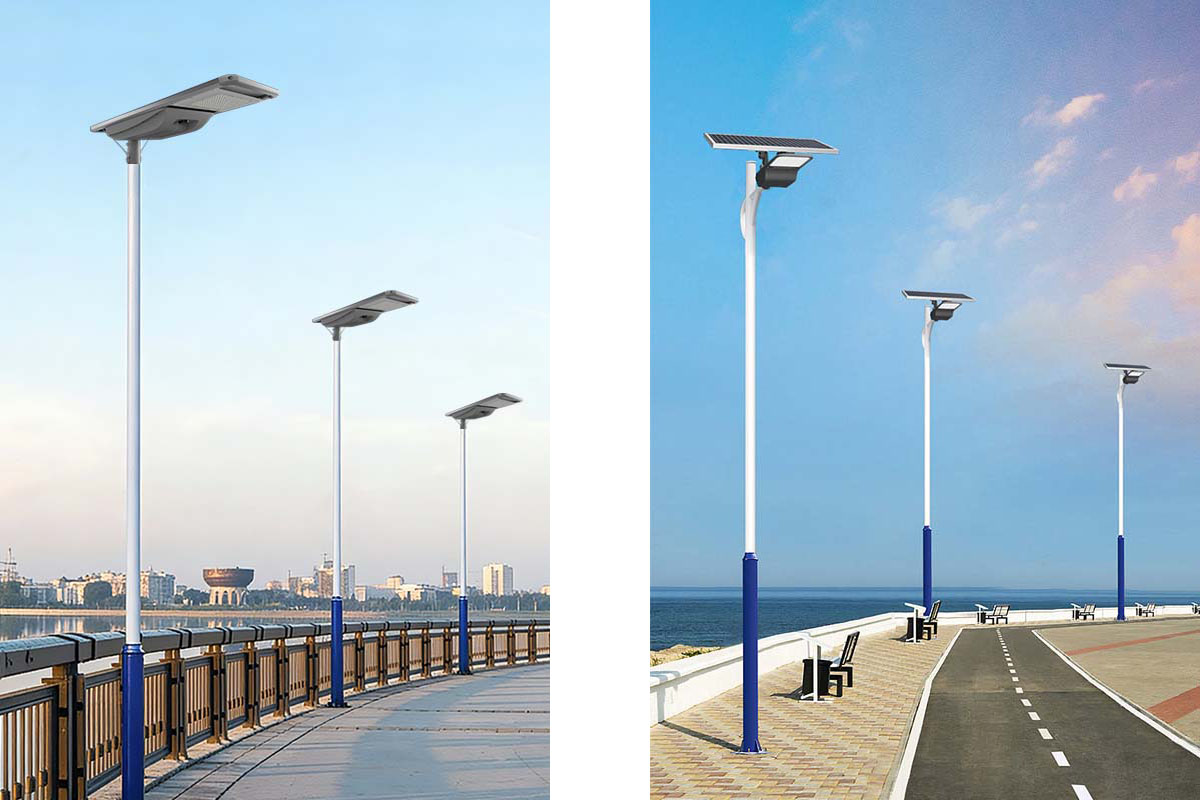
Ports, container yards, docks, and roadsides are pretty hard to get outside lighting. These areas are damp, have strong salt spray, and are constantly subjected to the vibrations of ships and heavy machinery.Plus, the lights often need to be on 24/7, which really puts a lot of stress on the equipment. Only industrial-grade street lamps, which are corrosion-resistant and durable, can function reliably for a long time in such environments.
These special street lamps require a special anti-corrosive treatment to achieve an IP68 protection rating and an excellent efficiency in converting sunlight into electricity. The battery that stores the energy is typically 24V-48 V lithium iron phosphate, with a capacity of 150 Ah to 300 Ah, which ensures that it can provide a minimum of 10 uninterrupted days, even if it is cloudy or wet. Using smart adaptive lighting and remote monitoring, you can adjust the brightness as required, and monitor how the device works in real time, which helps to maintain a constant illumination in challenging coastal environments.
Frequent Mistakes When Buying Solar Streetlights
1. Buying High-Power Lights Without Thinking: Just getting more power does not necessarily mean better lighting.
2. Not Considering Actual Environment: Lights that do not have corrosion resistance will not last long in a harbor. And if they can't handle strong winds, they're not safe on the roads.
3. Using Low-Quality Parts: Cheap, poor-quality solar panels and batteries can dramatically reduce the lifetime of your lights, and ultimately cost you more over time.
4. Not Enough Battery Life for Bad Weather: In the countryside, we recommend lighting that lasts at least 3-5 days on cloudy or wet days. Roads and harbors, you need seven to ten days.
Technical requirements for solar street lamps vary according to the circumstances: in the countryside, priority is given to high quality models with minimum maintenance; on motorways, light, even, safety, durability and reliability; in ports and coastlines, industrial, corrosion-resistant and environmentally friendly lighting systems are required.
Getting customized solutions will help keep the lights running steadily, reduce maintenance costs, and actually maximize the energy efficiency of your outdoor lighting projects.
If you're looking for custom solar streetlight designs for rural roads, highways, or ports, feel free to get in touch with our team of experts. We'll put together a complete lighting solution that's perfect for your specific project location and what you need it to do.
