

In manufacturing and logistics industries, lighting is often an overlooked source of long-term energy consumption. Many factories and warehouses still rely on high-pressure sodium lamps or metal halide systems, which are inefficient and require frequent maintenance.
As industrial automation and energy efficiency standards improve, lighting systems are no longer just infrastructure—they are a key factor affecting productivity, safety, and operational cost structure. Upgrading to LED industrial lighting has become a proven strategy for significant cost reduction.
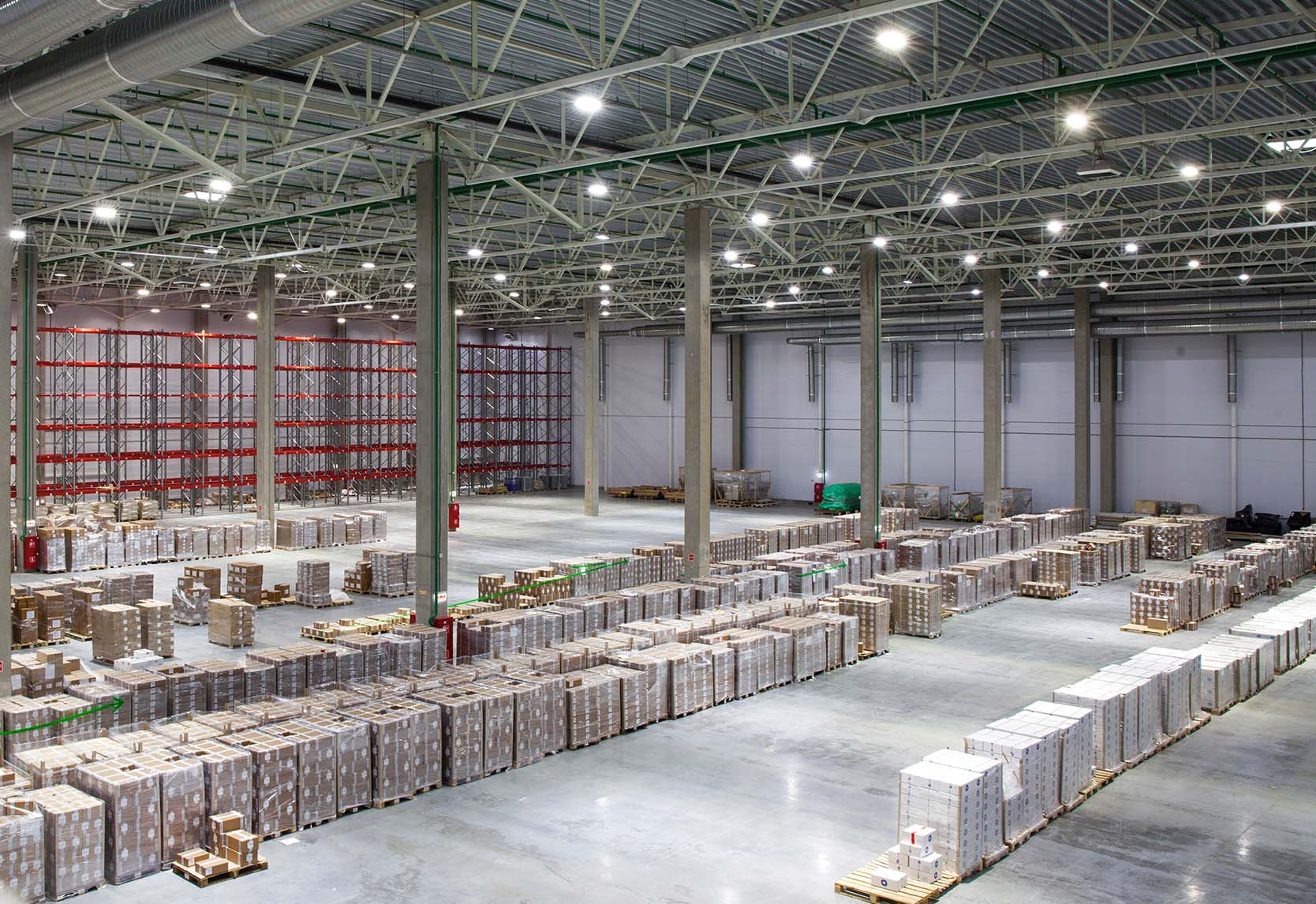
Industrial lighting is mainly used in the following environments:
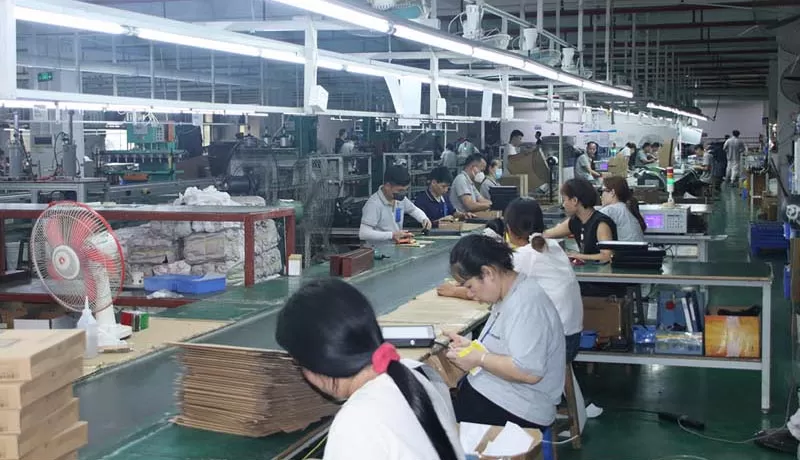
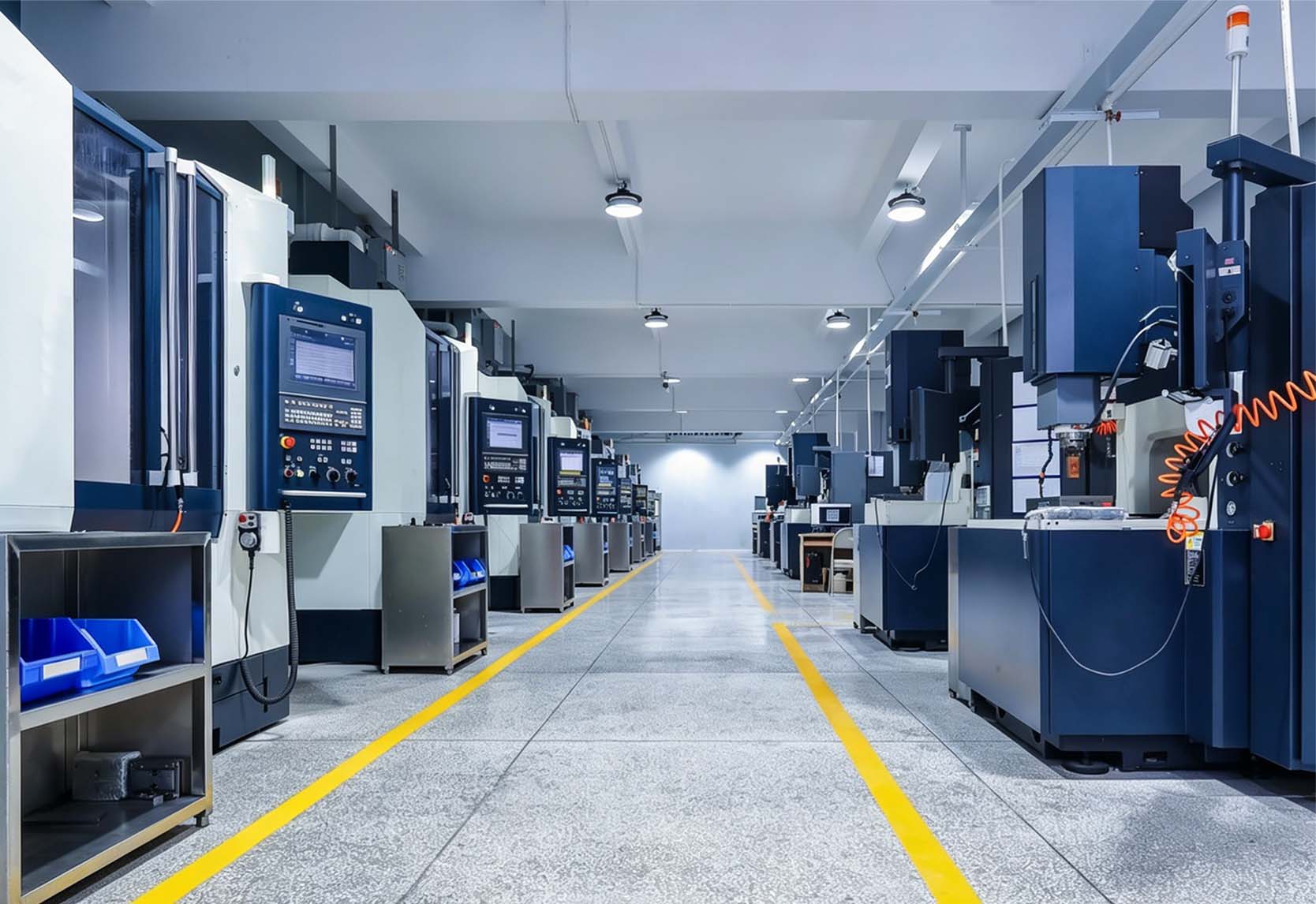
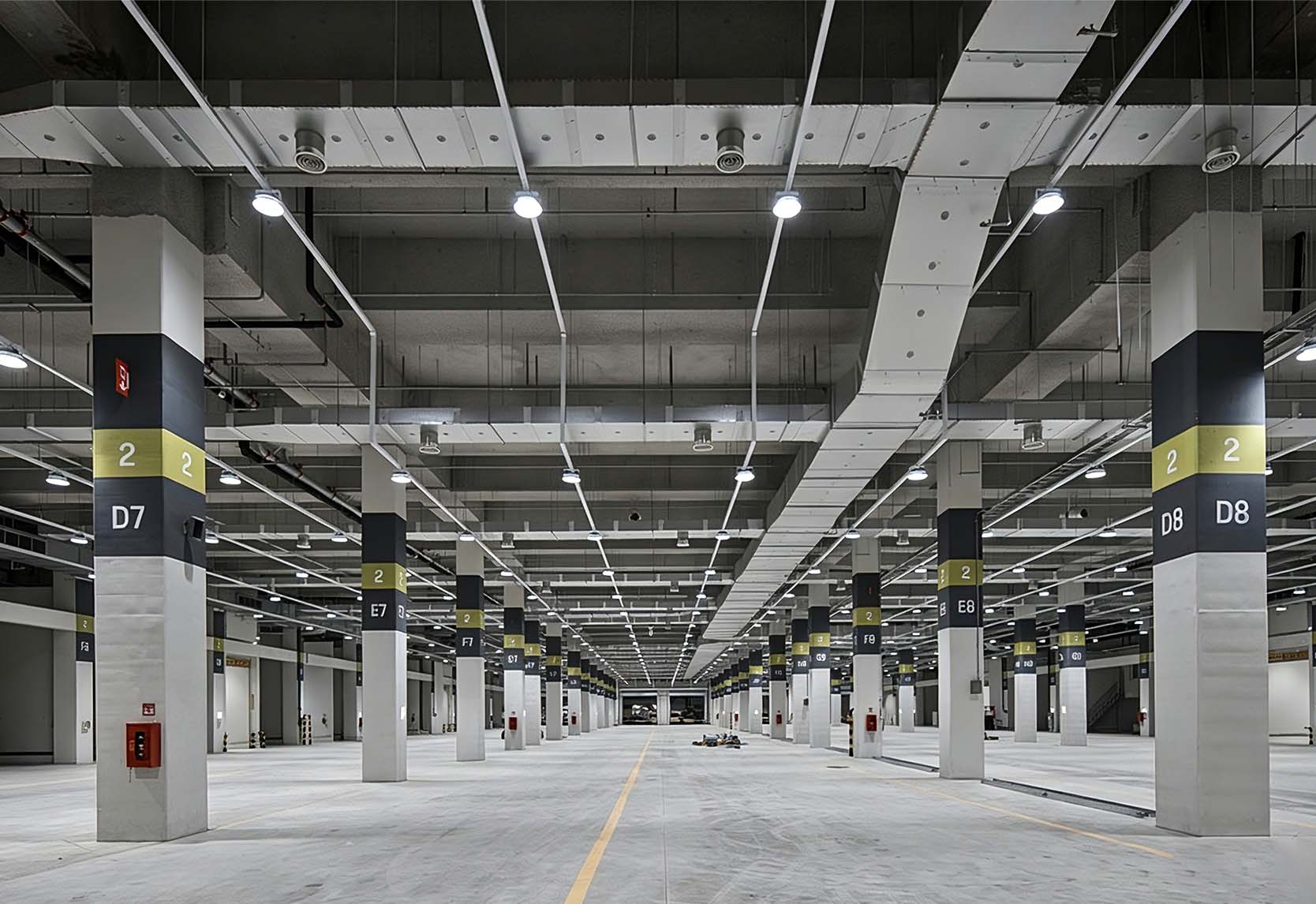
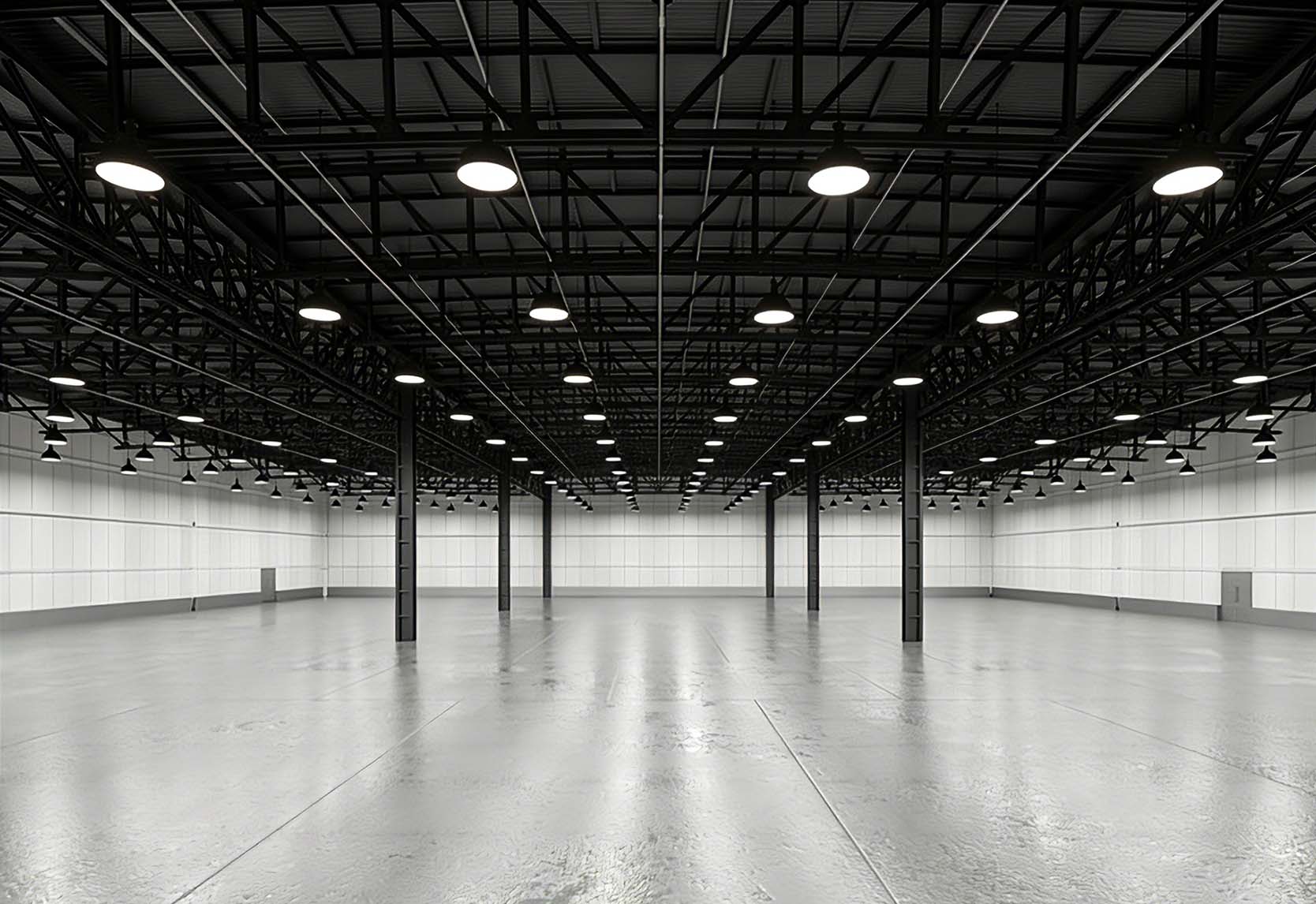
High-bay factories require high brightness and uniform illumination for production work; warehouses need clear aisle lighting for logistics efficiency; assembly workshops require low-glare, high-CRI lighting for precision tasks; large indoor facilities focus on uniformity and energy efficiency.
Different environments require flexible lighting system design.
Conventional lighting systems present several long-term issues:
High energy consumption due to low luminous efficiency; frequent maintenance caused by short lamp lifespan; unstable lighting quality with significant lumen depreciation; slow start-up time affecting productivity; and high heat output increasing cooling costs.
Together, these issues significantly increase total operating expenses.
LED industrial lighting offers system-level improvements:
Higher energy efficiency compared to traditional lighting; longer lifespan reducing maintenance frequency; stable light output with minimal degradation; instant start improving operational efficiency; and better controllability with smart dimming capabilities.
Cost reduction is not only about replacing fixtures but optimizing the entire system.
Replacing traditional lamps with high-efficiency LED high-bay fixtures significantly reduces power consumption while maintaining the same illumination level.
Product Reference:
Industrial LED Lighting Solutions
Dividing spaces into lighting zones enables flexible control:
This significantly reduces wasted energy.
Integration of motion sensors, daylight sensors, and time scheduling enables automatic dimming and switching, preventing unnecessary energy use during idle periods.
Proper optical design improves light distribution efficiency, reduces fixture redundancy, and increases effective illumination coverage.
LED fixtures last significantly longer, reducing high-altitude maintenance frequency and minimizing downtime and labor costs.
A high-performance industrial lighting system should include:
High luminous efficiency and low glare design for visual comfort; uniform illumination for reduced eye strain; high color rendering for operational accuracy; durable construction for harsh environments; and smart control systems for energy optimization.
Different spaces require different approaches:
High-bay factories use high-power suspended fixtures for overall illumination; warehouses use linear or directional lighting for aisle visibility; assembly areas require low-glare high-CRI lighting; logistics centers benefit from zoned smart lighting systems.
Frequent issues include:
Replacing fixtures without system optimization; ignoring smart control systems; choosing low-cost products with poor performance; poor optical planning leading to uneven lighting; and neglecting long-term maintenance costs.
These mistakes often reduce expected energy savings.
Industrial lighting is evolving toward intelligent and data-driven systems.
Future systems will include real-time energy monitoring, automatic dimming, equipment integration, and predictive maintenance analytics, enabling precise energy management.
Lighting systems are shifting from passive illumination to active energy management platforms.
Yes. With proper system design, energy savings, reduced maintenance, and smart control integration, total operating cost reduction of 30% or more is achievable.
Although initial investment is higher, LED systems provide lower energy consumption, longer lifespan, and reduced maintenance, resulting in lower total lifecycle cost.
High-power, long-operating-hour areas such as production floors and warehouses, especially when lacking zoning control.
Smart control enables on-demand lighting, reducing unnecessary energy use during idle periods and improving efficiency.
Yes. Industrial-grade LED fixtures are designed for dust resistance, moisture protection, and high-temperature environments.
In most cases, existing wiring can be reused, but system optimization may improve performance significantly.
It depends on project scale, but phased upgrades can often be implemented quickly without major disruption.
HIPO Lighting specializes in industrial and outdoor lighting systems, providing efficient, energy-saving, and intelligent lighting solutions for global factories, warehouses, and infrastructure projects.
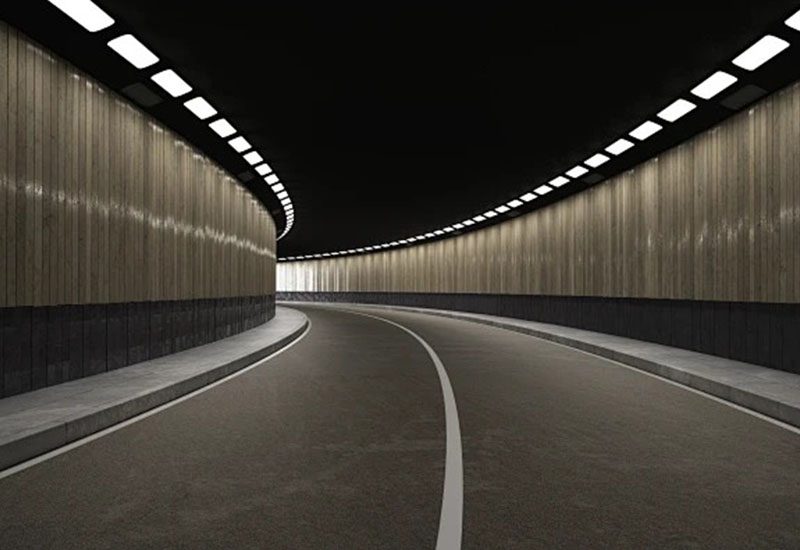
Applications include industrial facilities, warehouse logistics lighting, roadway systems, and tunnel lighting environments.
We provide end-to-end support from lighting design and product configuration to project implementation and long-term maintenance, helping clients achieve lower energy consumption and higher productivity.
Solutions:
Industrial LED Lighting Solutions