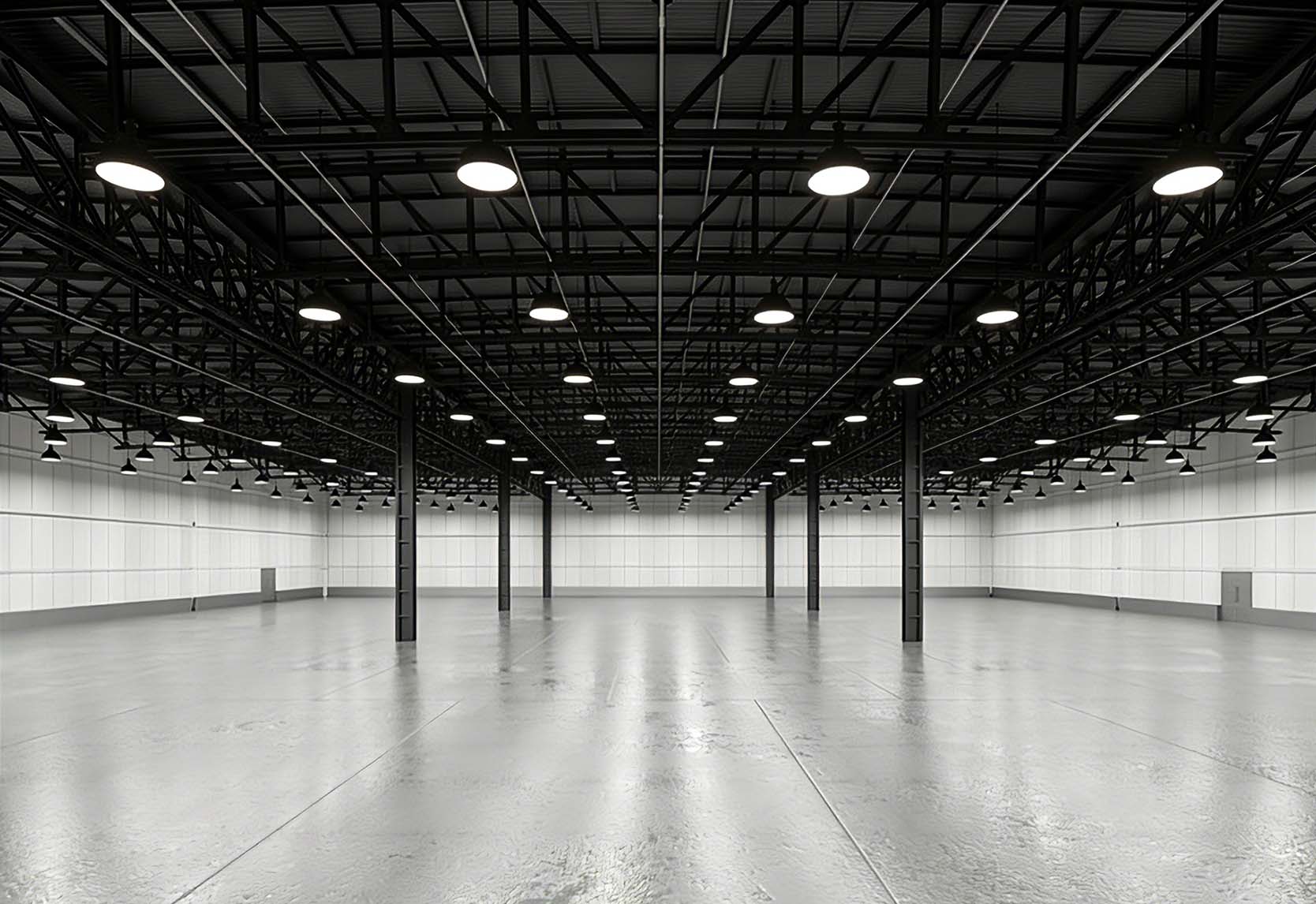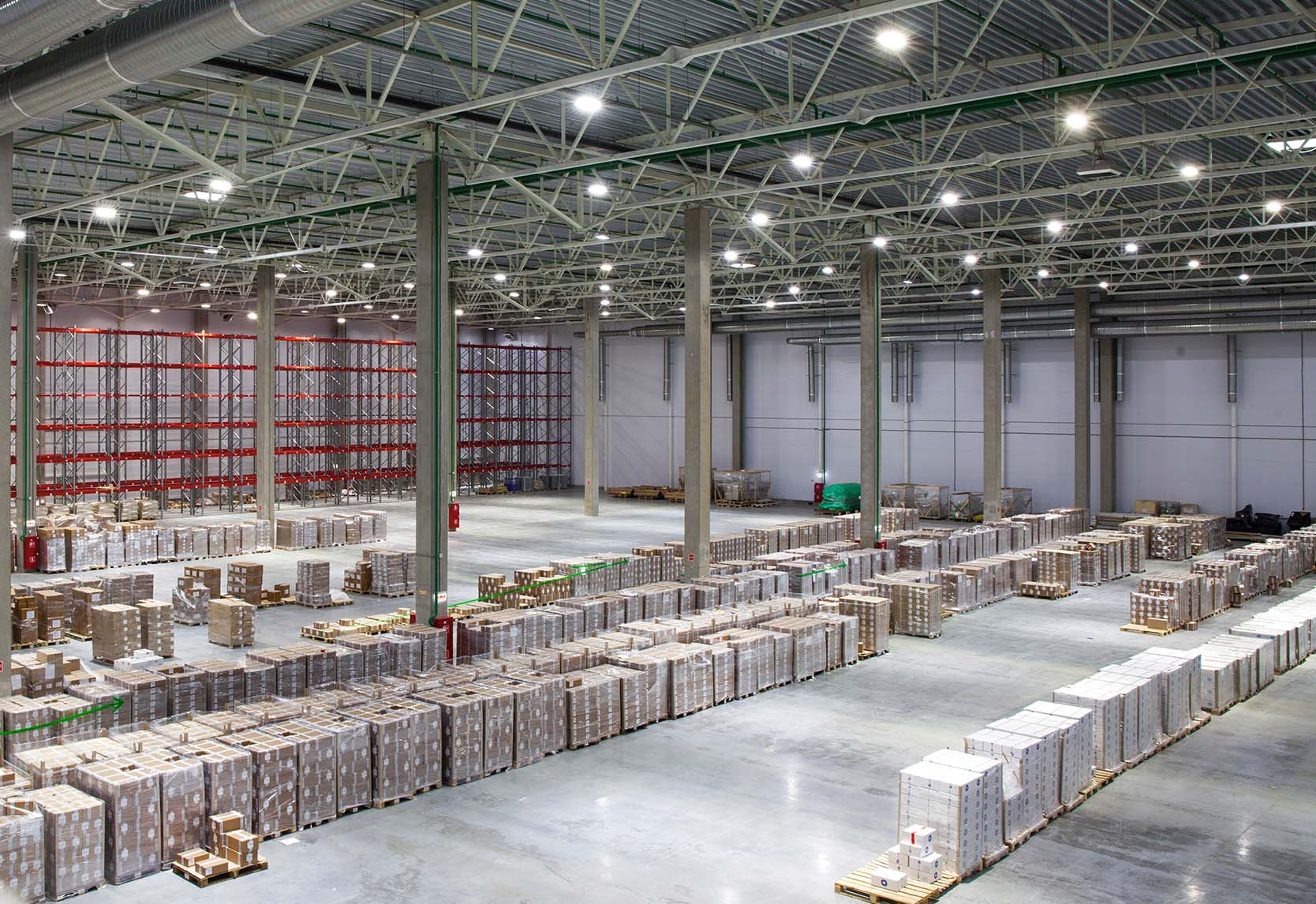


For manufacturing plants, warehouses, logistics centers, and industrial facilities, lighting systems often operate for extended hours every day. As a result, lighting energy consumption and maintenance requirements can directly affect long-term operating costs.
More companies are now investing in Industrial LED Lighting Retrofit projects to replace traditional lighting systems with more efficient solutions. However, for facility managers and engineering teams, the key question is not simply whether LED lighting can save energy, but:
How quickly can the investment be recovered, and what long-term value can the upgrade create?
A successful LED Retrofit project should be evaluated beyond the initial fixture cost. Companies need to consider the complete lifecycle value, including energy savings, maintenance reduction, lighting performance, and product reliability.
The ROI of an industrial lighting upgrade mainly comes from two areas:
First, reducing electricity consumption by replacing high-power traditional fixtures with more efficient LED systems.
Second, lowering maintenance costs through longer fixture lifespan and fewer replacement requirements.
Therefore, the value of an Industrial LED Lighting Retrofit project should be evaluated based on total lifecycle costs rather than only the initial investment.
Cost & Benefit Factor | Description | Impact on ROI |
Initial investment | Fixture purchase, installation, and system adjustment | Determines upfront cost |
Energy savings | Reduced power consumption and electricity usage | Provides direct financial returns |
Maintenance reduction | Fewer replacements, less labor, and reduced high-bay maintenance | Creates long-term savings |
Production efficiency | Reduced downtime caused by lighting maintenance | Important for industrial facilities |
Lighting improvement | Better illumination quality and working conditions | Adds long-term operational value |
For industrial applications, maintenance savings and operational reliability can be as important as electricity savings when calculating the real ROI of an LED Retrofit project.
The payback period of an LED Retrofit project depends on several factors, including the existing lighting system, operating hours, installation environment, and product performance.
Factor | Impact on ROI | Why It Matters |
Existing lighting type | High | Older high-power fixtures provide greater energy-saving potential |
Operating hours | High | Longer daily operation accelerates cost recovery |
Optical design | High | Proper light distribution reduces unnecessary fixture quantity |
Working environment | Medium-High | Heat, dust, and moisture affect product lifespan |
Product reliability | High | Lower failure rates improve lifecycle value |
Lighting controls | Medium | Additional controls can further reduce energy consumption |
The actual benefits of an Energy Saving Lighting upgrade depend heavily on the original lighting system.
Facilities using traditional high-power lighting typically have greater opportunities for improvement.
Existing Lighting System | LED Upgrade Potential |
Metal halide lighting | High |
High pressure sodium lighting | High |
Fluorescent lighting | Medium |
Older LED systems | Limited |
For example, replacing outdated 400W or higher-power fixtures with efficient LED solutions can significantly reduce electricity consumption while maintaining required illumination levels.
For facilities that already use LED lighting, further improvements may focus on:
· Improving lighting uniformity;
· Reducing maintenance requirements;
· Optimizing lighting control systems;
· Increasing overall system reliability.
Industrial lighting upgrades are not simply about replacing a high-wattage fixture with a lower-wattage LED product.
A common misunderstanding is:
Replacing a 400W fixture with a 200W LED fixture automatically delivers 50% energy savings.
However, without proper lighting design, the expected results may not be achieved.
Poorly planned solutions can cause:
· Insufficient illumination in working areas;
· Uneven light distribution;
· Additional fixture requirements;
· Lower-than-expected energy savings.
A professional Industrial LED Lighting solution should consider:
· Facility height;
· Equipment layout;
· Working areas;
· Required illumination levels;
· Beam angles.
By optimizing optical performance, companies can reduce energy consumption while ensuring lighting conditions meet operational requirements.
Industrial facilities often operate under more demanding conditions compared with commercial spaces.
Dust, heat, moisture, vibration, and continuous operation can affect fixture performance and service life.
When selecting LED Retrofit products, companies should evaluate more than efficiency. Product reliability also plays an important role in long-term return.
Product Factor | Importance |
IP rating | Protects fixtures from dust and moisture |
IK rating | Improves durability in demanding environments |
Thermal design | Controls operating temperature and extends lifespan |
Driver quality | Ensures stable performance and reduces failures |
A reliable Energy Saving Lighting solution should not only reduce electricity consumption but also minimize future maintenance costs.
A manufacturing facility previously used 400W metal halide fixtures as the main lighting system in its production workshop.
Over time, the company experienced several challenges:
· High lighting energy consumption;
· Reduced brightness caused by lumen depreciation;
· Increasing maintenance costs due to high installation heights.
To improve efficiency, the facility implemented an Industrial LED Lighting Retrofit project.
The original 400W metal halide fixtures were replaced with 200W Industrial LED High Bay fixtures. Based on the workshop height and lighting requirements, the fixture configuration and optical performance were optimized to improve both energy efficiency and illumination quality.
Item | Before Retrofit | After Retrofit |
Fixture type | 400W metal halide lighting | 200W Industrial LED High Bay |
Power consumption | 400W per fixture | 200W per fixture |
Energy usage | High | Reduced by approximately 50% |
Lifetime | 10,000-15,000 hours | 50,000+ hours |
Maintenance demand | Frequent replacement required | Significantly reduced |
Lighting performance | Visible lumen depreciation | More stable and uniform illumination |
After the upgrade, the company reduced lighting energy consumption while lowering maintenance frequency and labor costs.
For industrial facilities, the value of LED Retrofit extends beyond electricity savings. Reduced maintenance requirements and improved lighting conditions also contribute to stronger long-term operational efficiency.
An industrial lighting upgrade is a long-term investment involving product selection, lighting design, installation conditions, and lifecycle management.
During an LED Retrofit project, supplier capability directly affects the final return. Selecting products only based on initial price may result in poor lighting performance, higher maintenance costs, or lower-than-expected energy savings.
Therefore, companies should work with Industrial LED Lighting suppliers that have engineering experience, manufacturing capability, and project support resources.
HIPO Lighting specializes in industrial lighting, architectural lighting, and outdoor lighting solutions, providing reliable LED products and project support for global customers.
For industrial applications, HIPO provides more than standard lighting fixtures. With capabilities covering product development, structural design, and manufacturing, HIPO supports customized requirements and large-scale Industrial LED Lighting projects.
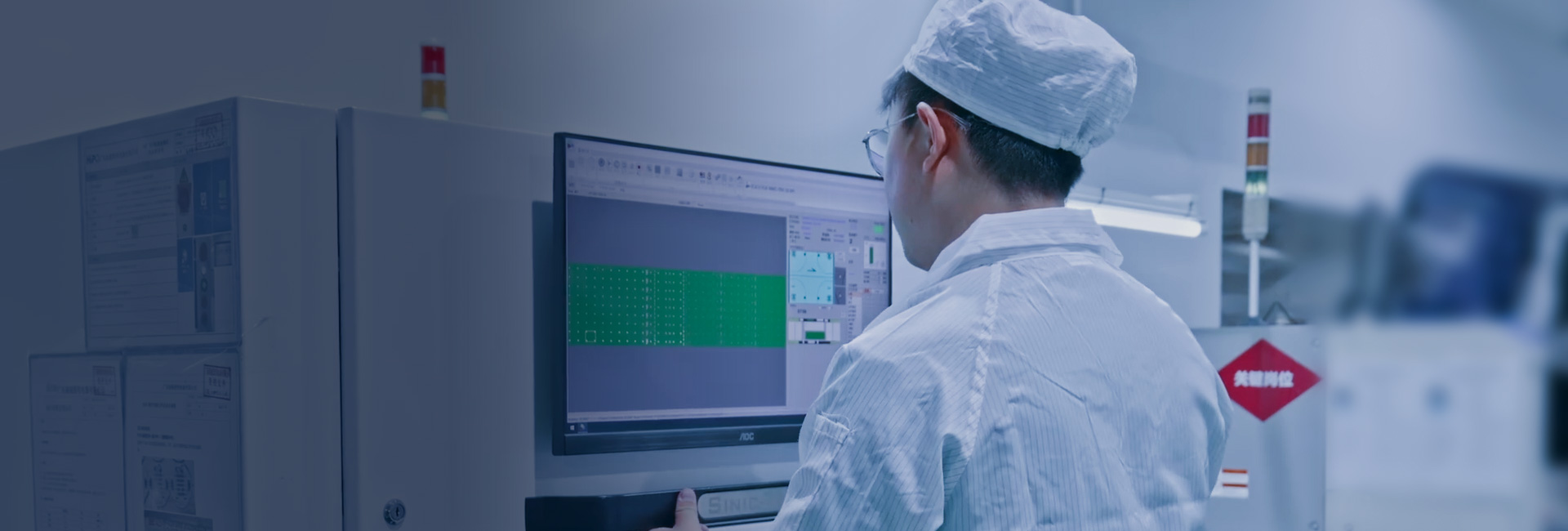
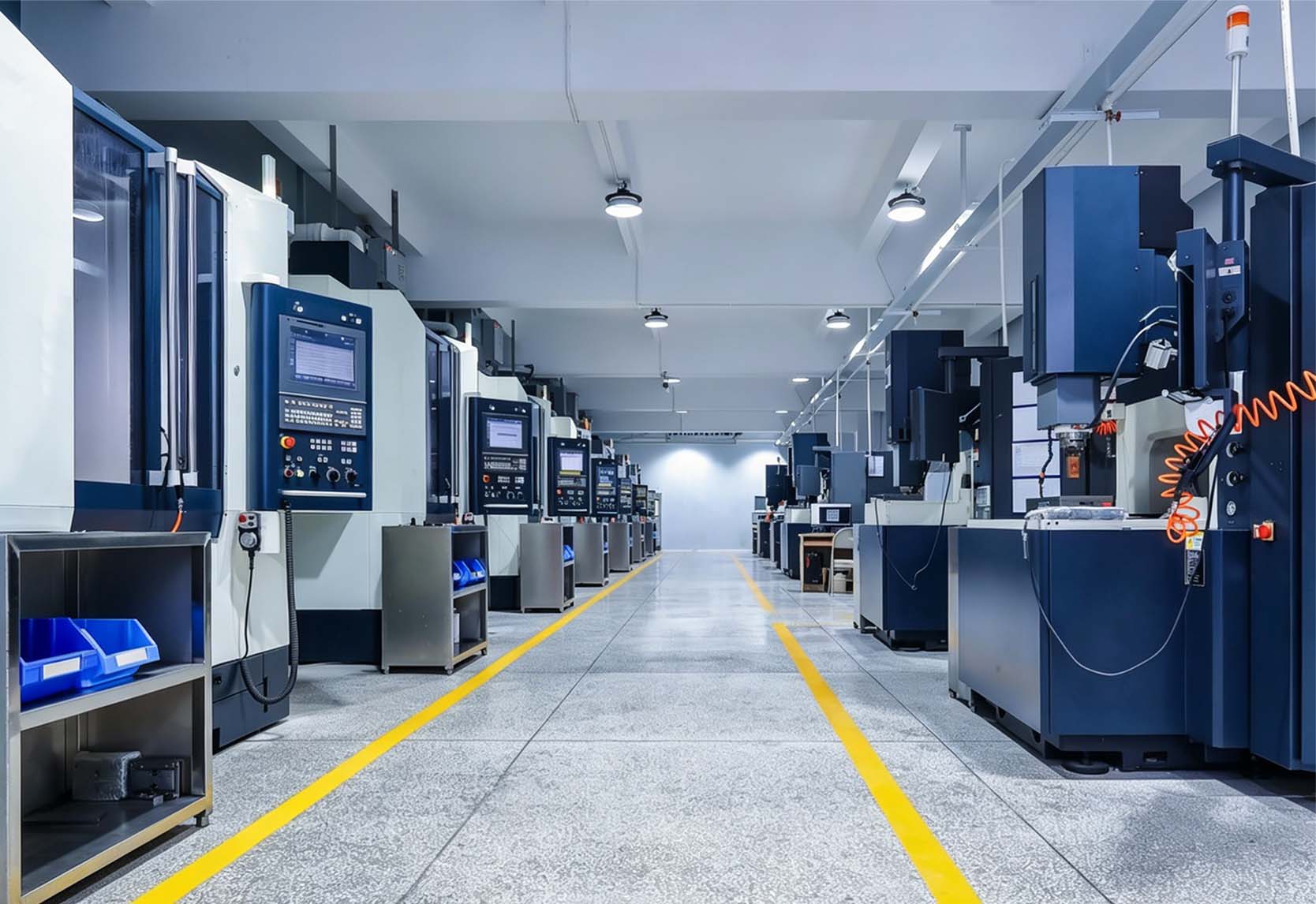
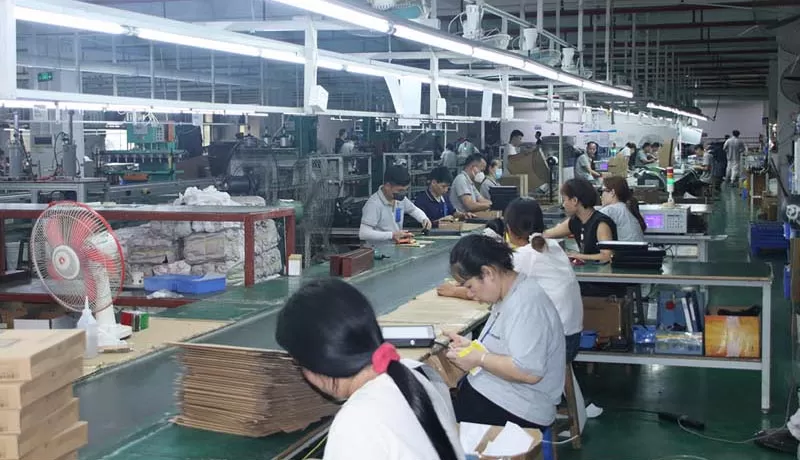
The company operates a 10,000㎡ production facility with 10 production lines, supported by in-house die-casting capabilities and automated SMT production equipment. These manufacturing resources help ensure product consistency, stable quality, and reliable delivery for industrial lighting projects.
For LED Retrofit applications, HIPO focuses on matching lighting solutions with actual project requirements. By considering factors such as installation height, operating environment, illumination targets, and energy-saving goals, HIPO helps customers avoid inefficient solutions and unnecessary investment.
Through a structured project service process covering requirement analysis, solution design, sample confirmation, and mass production, HIPO provides complete support for manufacturing plants, warehouses, and other industrial applications.
Industrial lighting upgrades are not simply about replacing traditional fixtures with LED products. A successful LED Retrofit project requires careful consideration of energy efficiency, product reliability, lighting design, and lifecycle costs.
By selecting the right Industrial LED Lighting solution, companies can reduce electricity consumption, lower maintenance requirements, and improve long-term operational efficiency.
For businesses planning lighting upgrades, working with an experienced supplier can help maximize the value of Energy Saving Lighting investments and achieve stronger ROI over the entire product lifecycle.