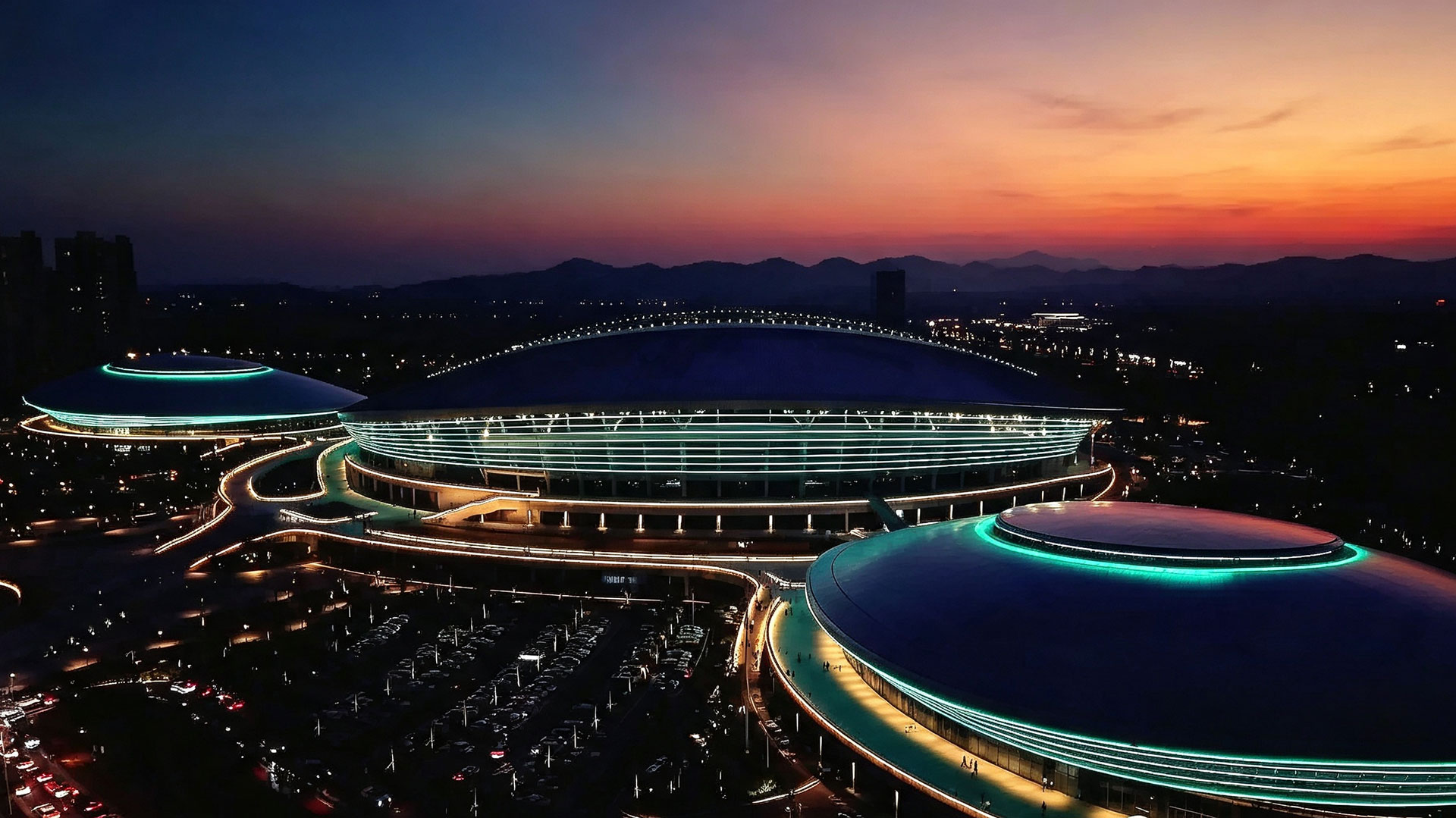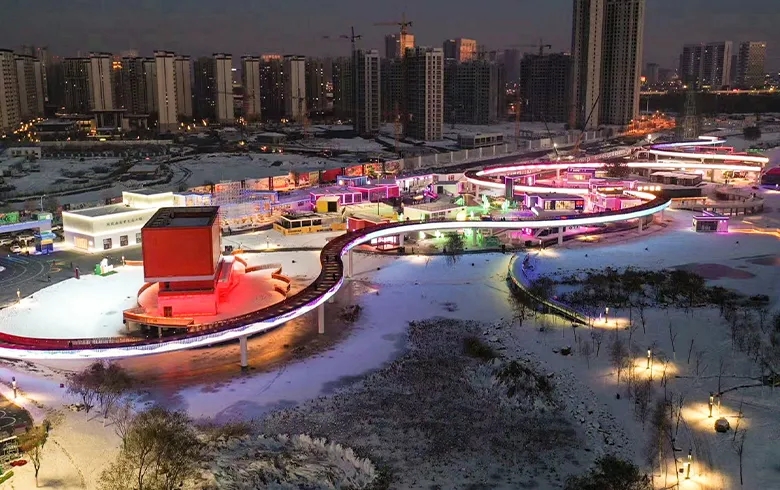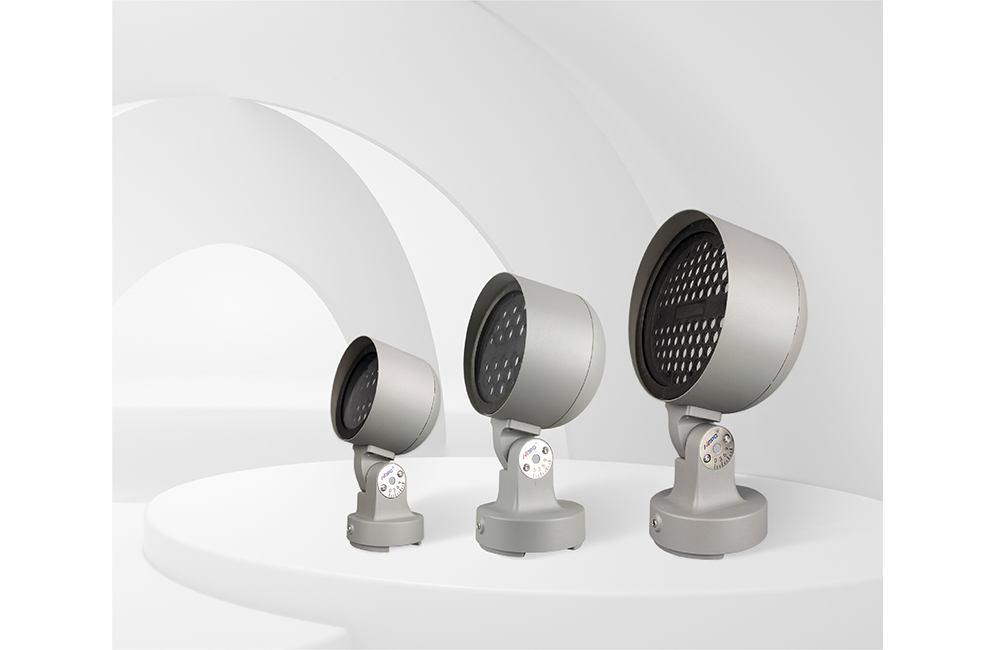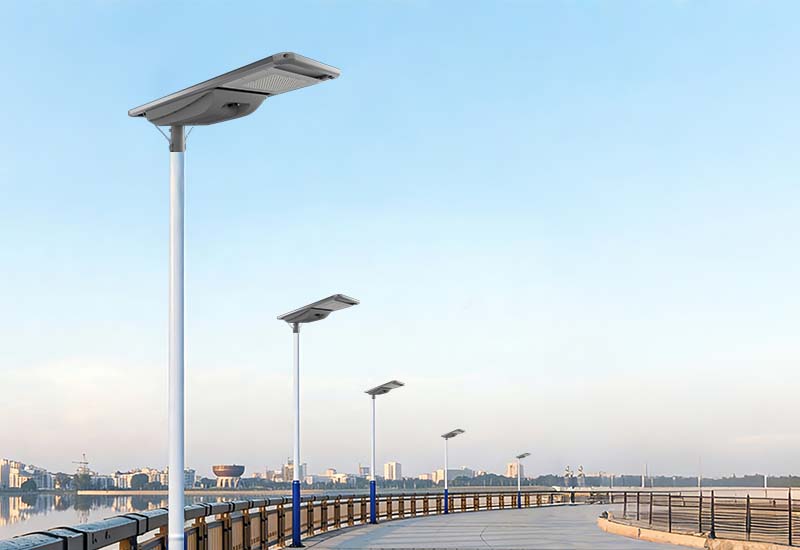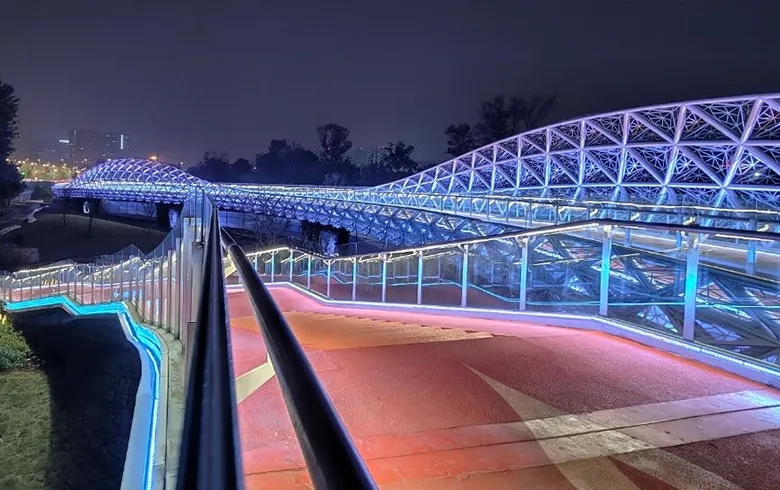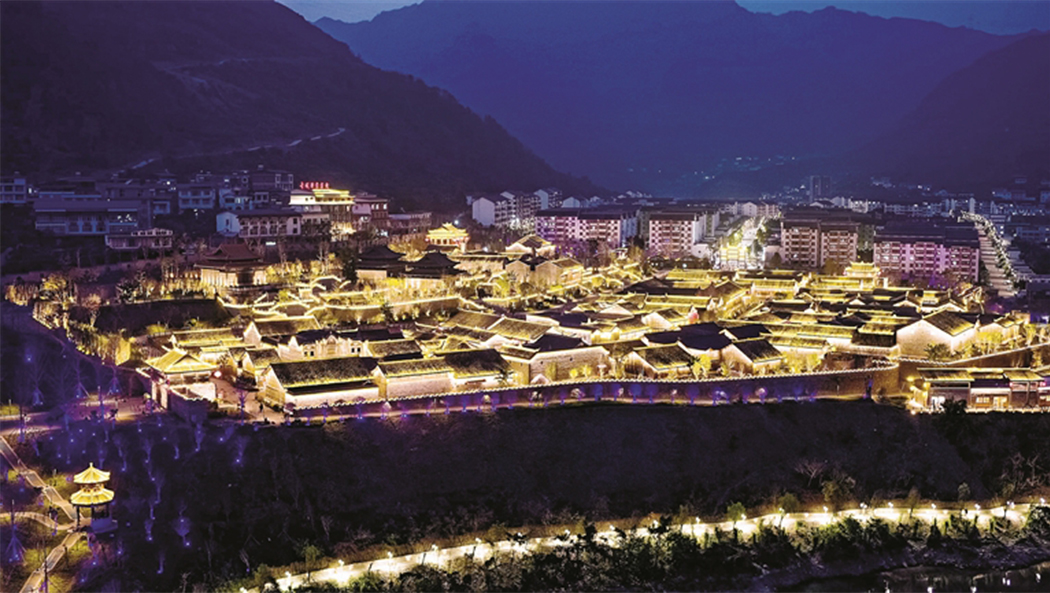


In modern urban development and commercial construction, lighting is no longer just a functional requirement. It has become a critical element that defines architectural identity, commercial value, and nighttime experience.
Many projects initially focus on fixture specifications such as wattage, brightness, or price. However, during real-world implementation, the final result often deviates from expectations. These issues are rarely caused by product quality alone, but rather by the lack of a system-level design and execution approach.
A successful lighting project involves multiple integrated stages: architectural understanding, lighting design, fixture selection, control system planning, installation coordination, and long-term maintenance.
Therefore, selecting a lighting partner is essentially choosing a long-term system capability provider rather than a simple product supplier.
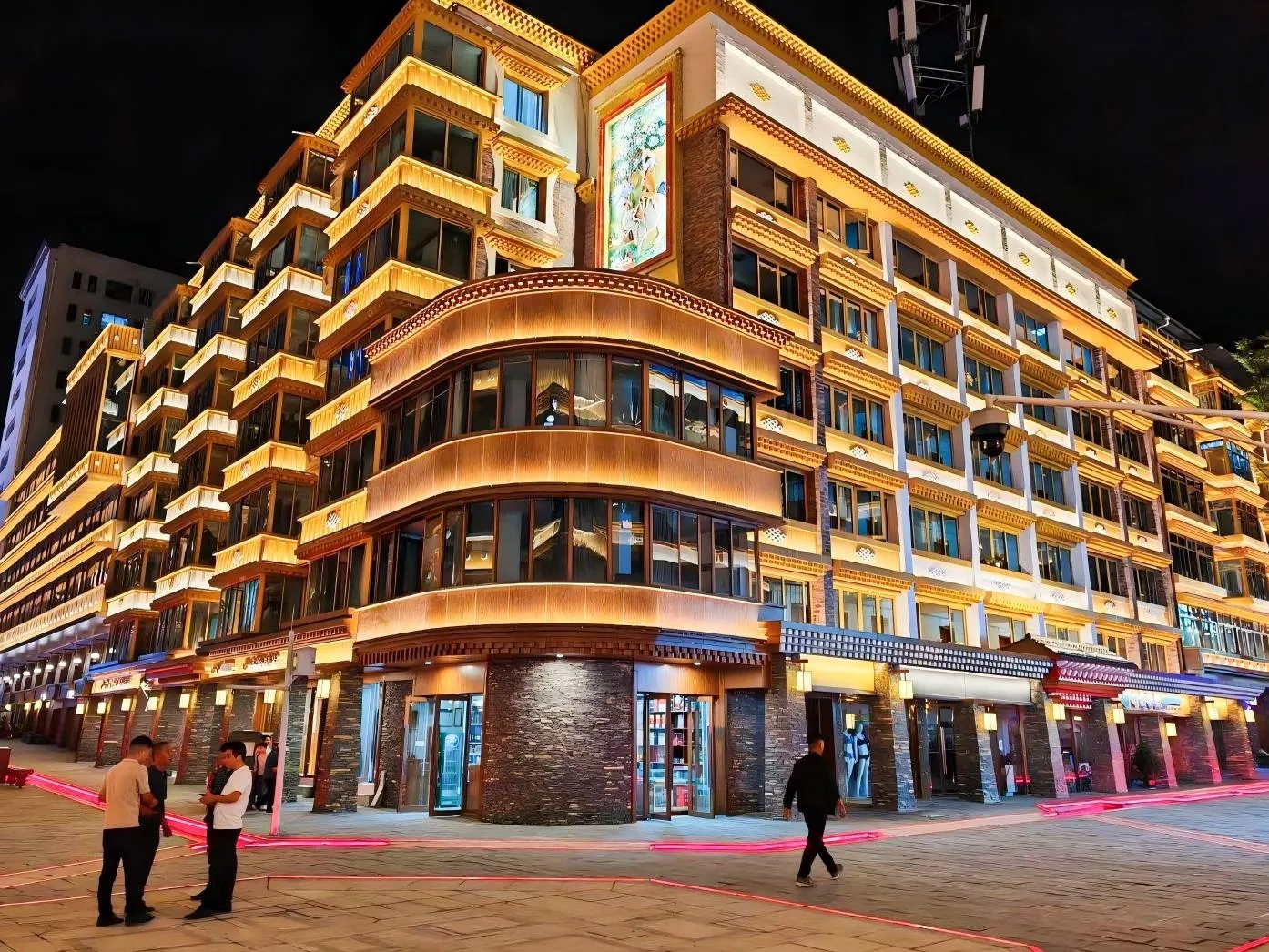
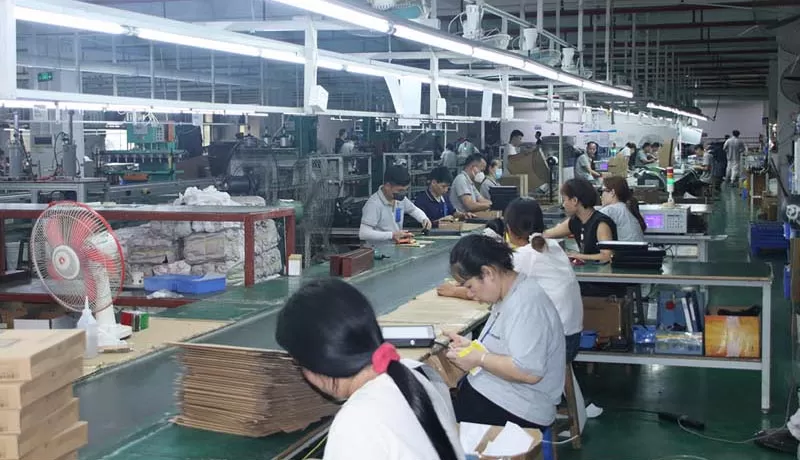
A professional lighting company does not simply manufacture fixtures—it delivers complete project solutions.
Its capabilities typically cover:
From early-stage requirement analysis, integrating architectural form and spatial function into lighting strategy; to optical simulation and visual effect optimization; to customized fixture development based on project needs; to installation guidance and on-site commissioning; and finally long-term operation and maintenance support.
The key difference is clear: the deliverable is not a product, but a complete lighting outcome.
The lighting industry is undergoing a structural transformation:
In this transformation, companies with system integration capability are becoming the real project drivers.
Related Solution:
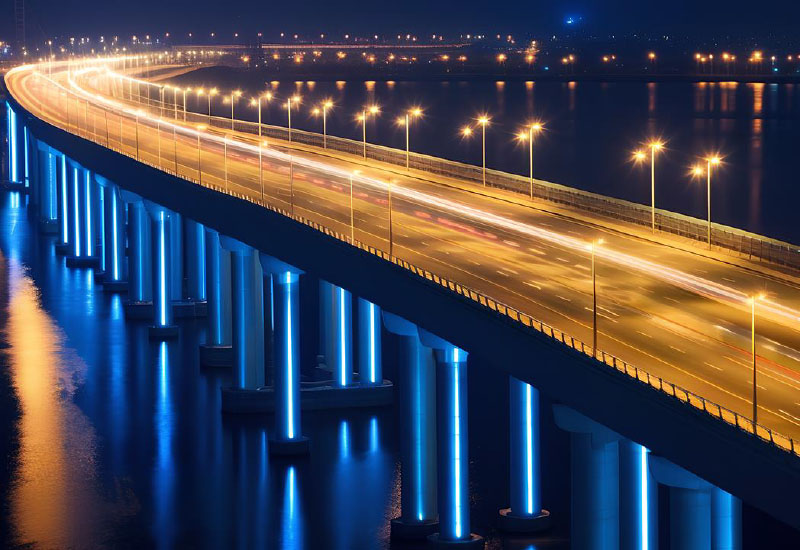
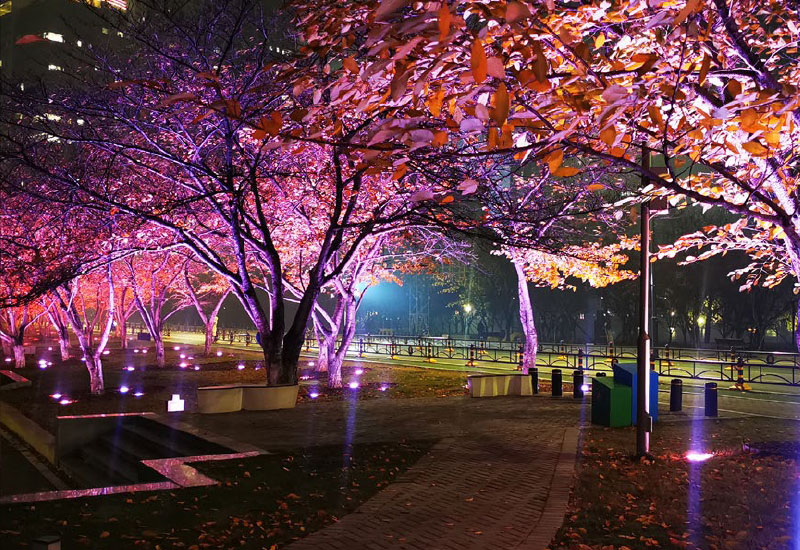
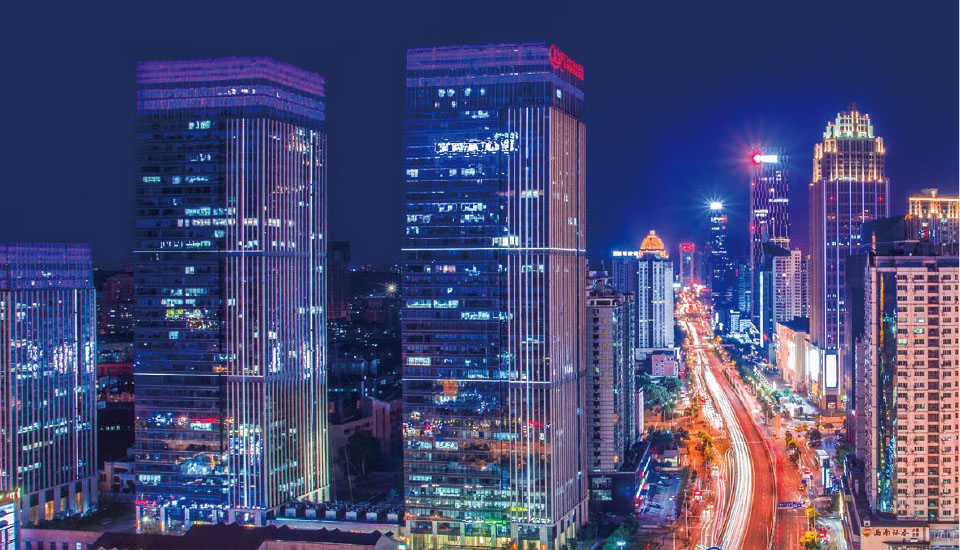
Architectural Landscape Lighting Solutions
A qualified supplier should provide end-to-end project support, not just fixtures.
Key questions include:
If a supplier only provides product specifications, it is often insufficient for complex projects.
Learn more:
Architectural Landscape Lighting Guide 2026
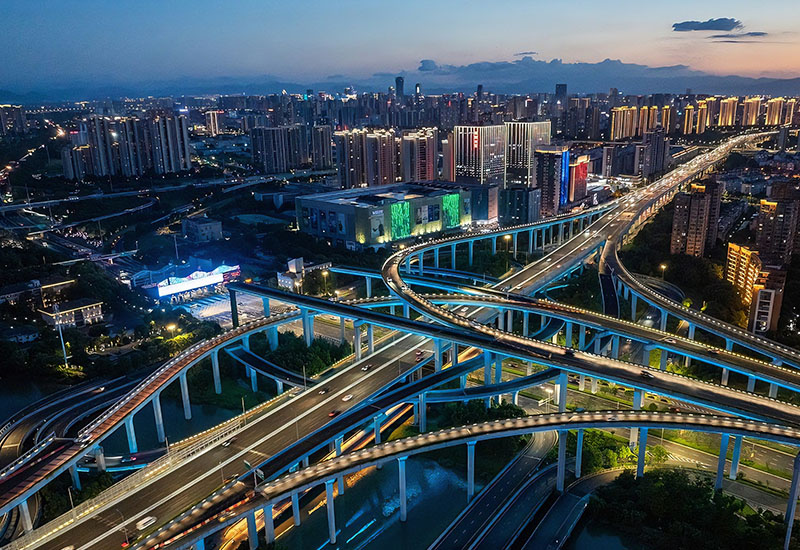
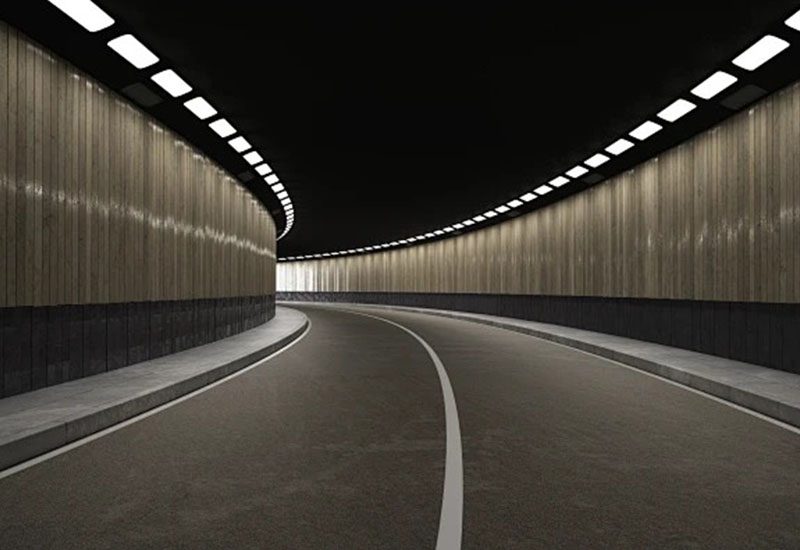
Modern projects involve multiple lighting systems working together, including architectural, landscape, roadway, and industrial lighting.
A mature system typically includes:
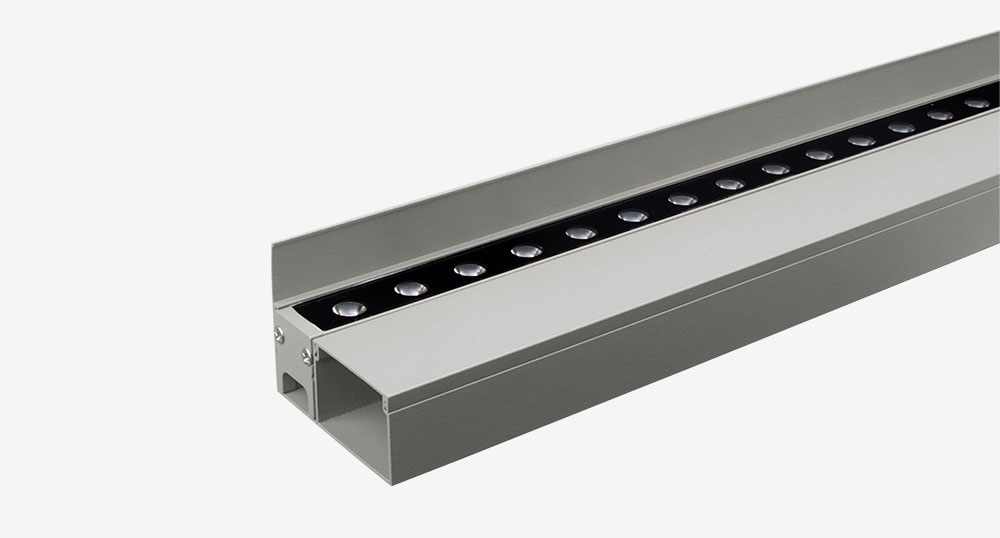
Product Reference:
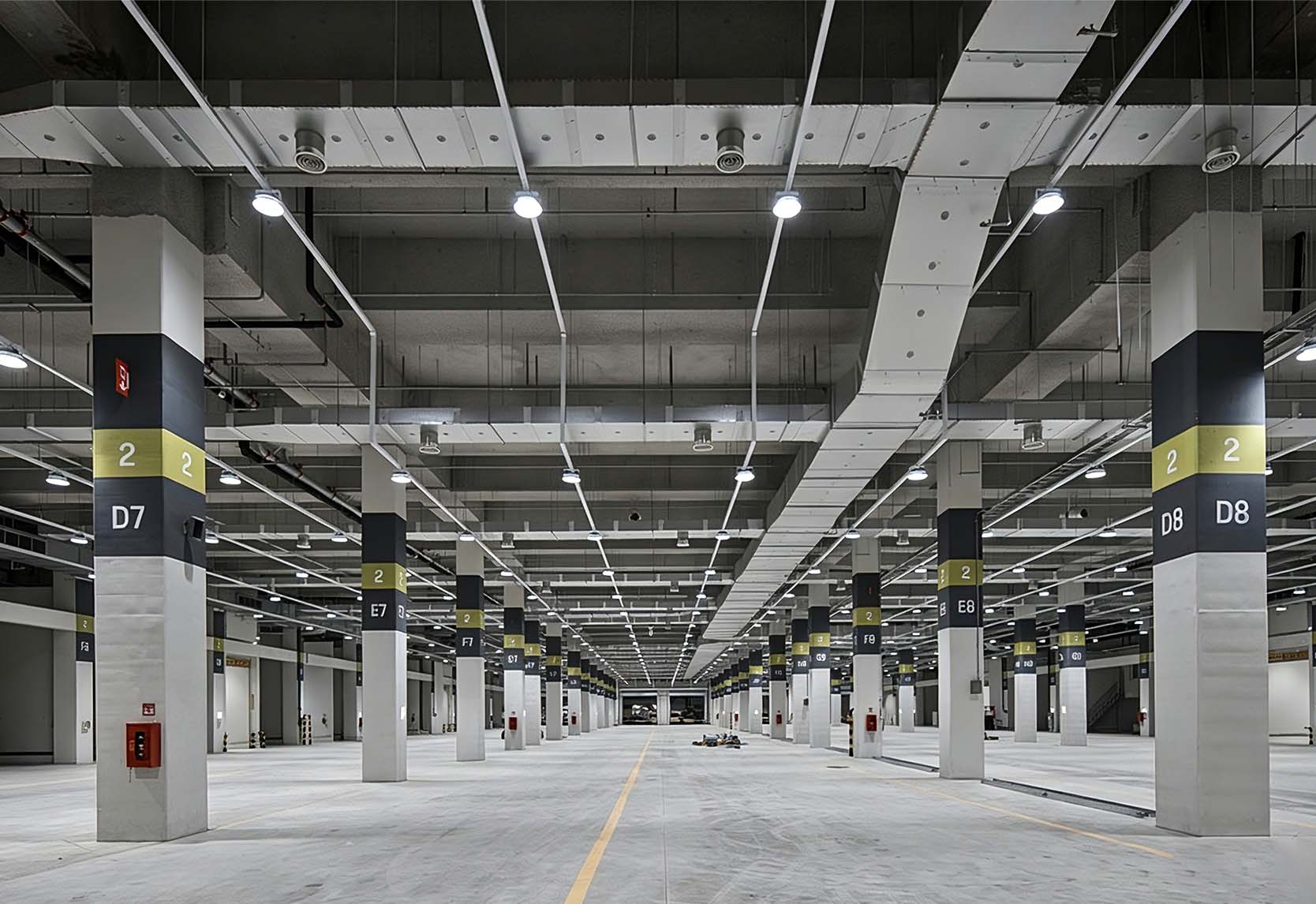
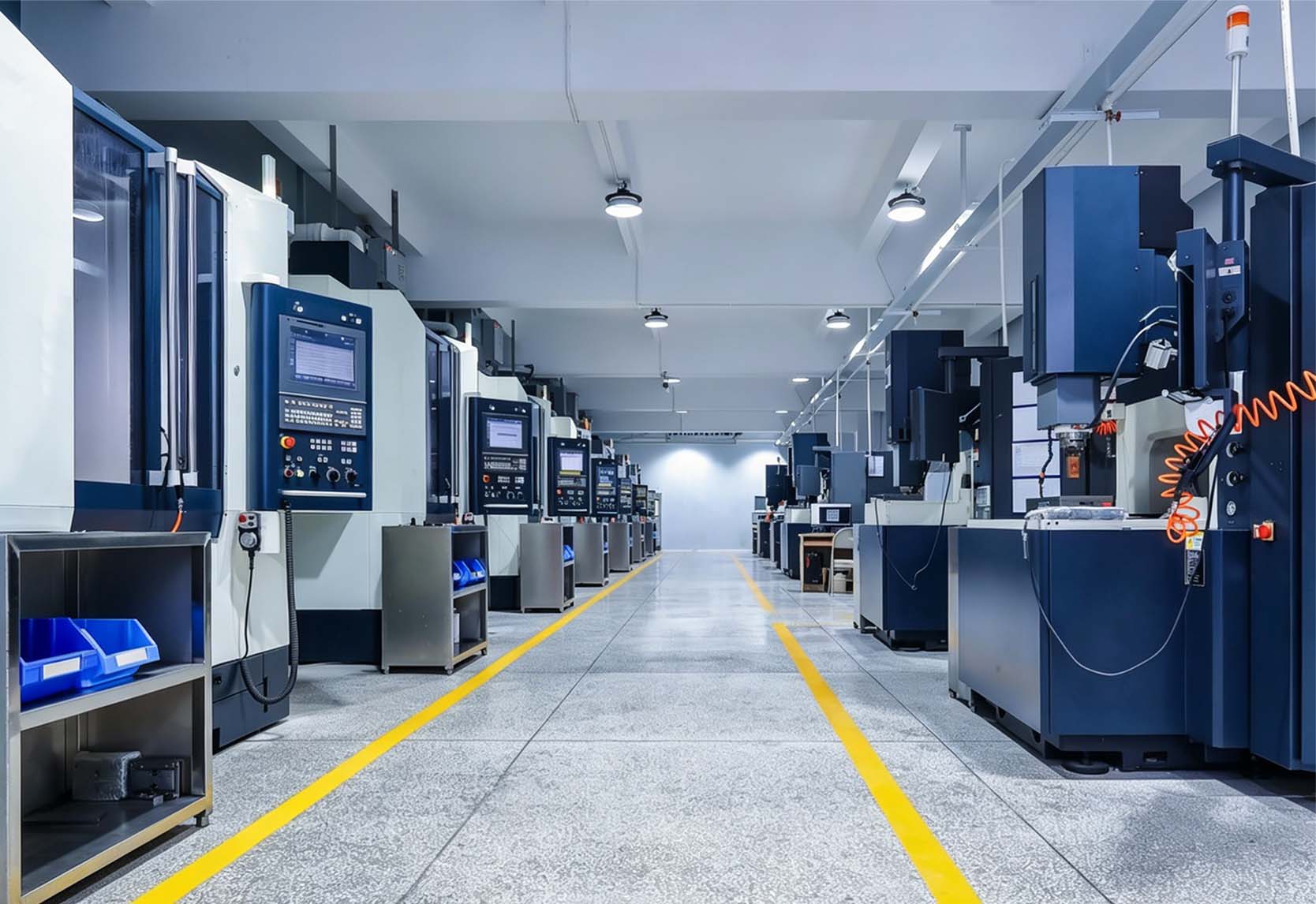
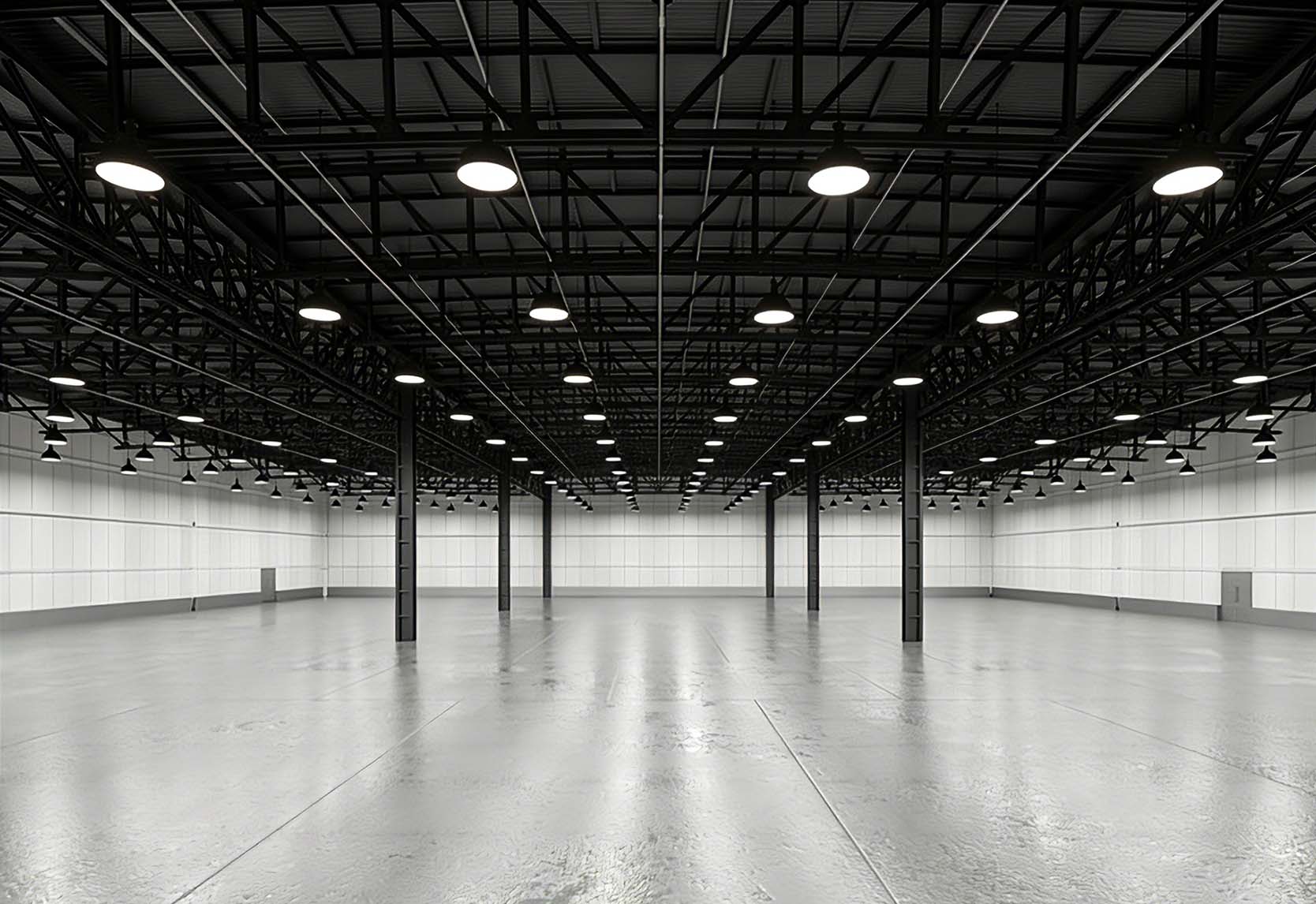
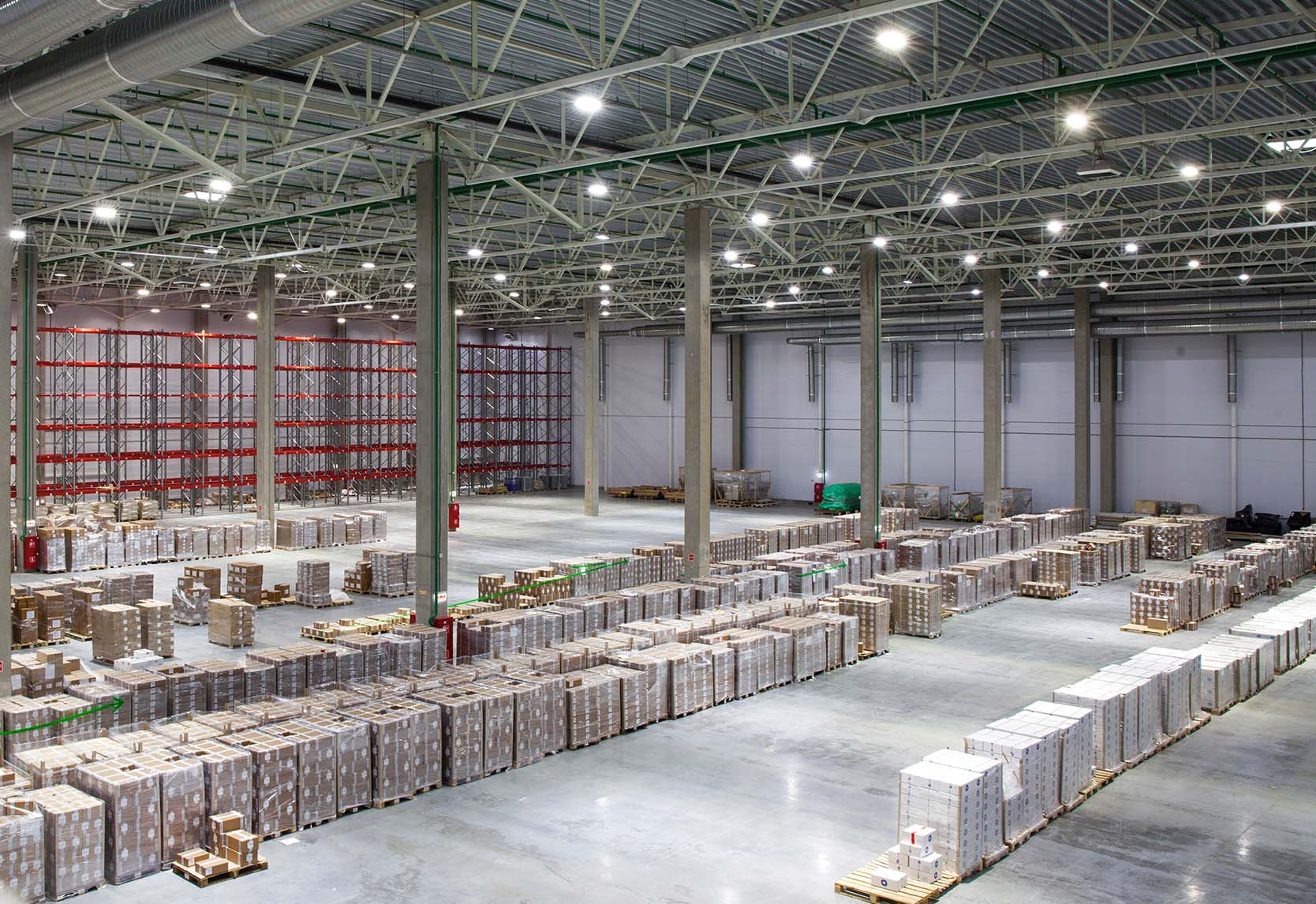
Industrial LED High Bay Lighting
Experience is one of the most reliable indicators of capability.
Different project types require different expertise:
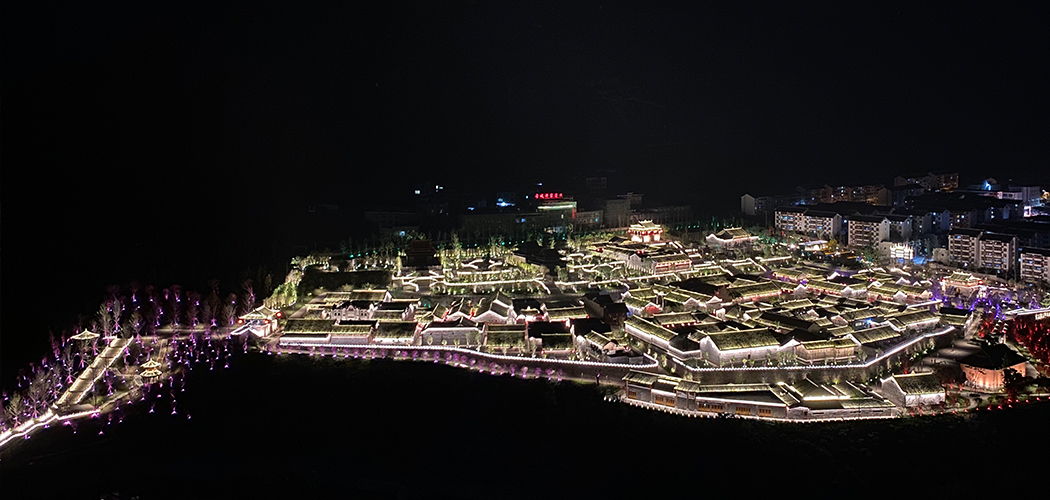
Commercial complexes focus on visual impact and dynamic lighting; hotels and tourism projects emphasize atmosphere and emotional experience; municipal projects prioritize stability and efficiency; industrial parks focus on durability and low maintenance.
Lack of project experience often leads to poor execution even if products perform well.
Modern lighting systems increasingly rely on intelligent control.
Typical features include:
Related Solution:
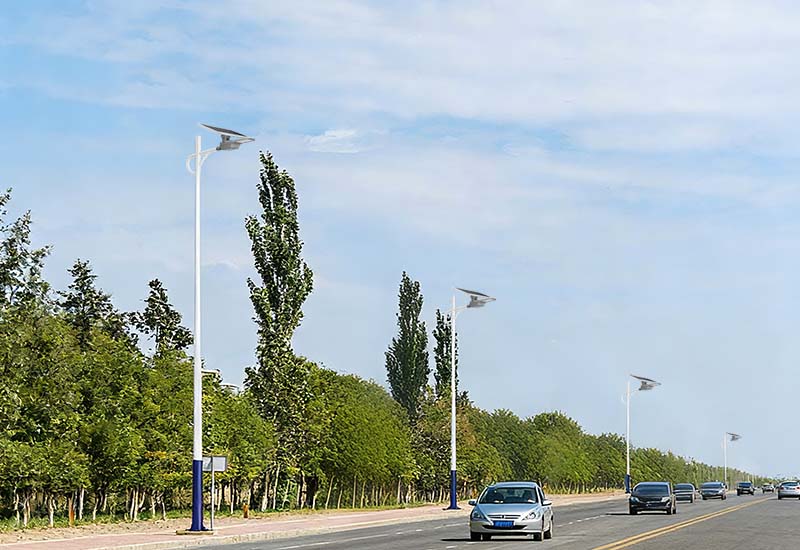
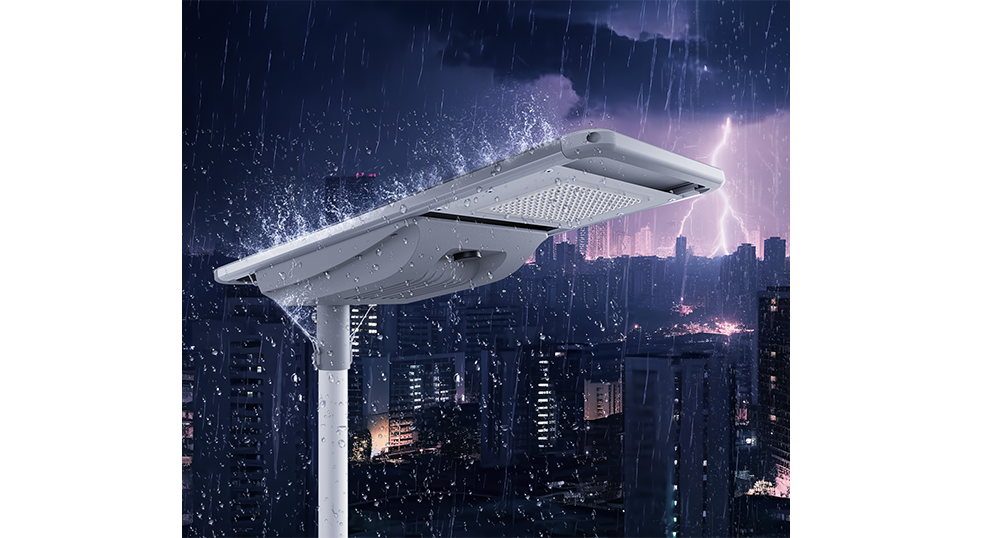
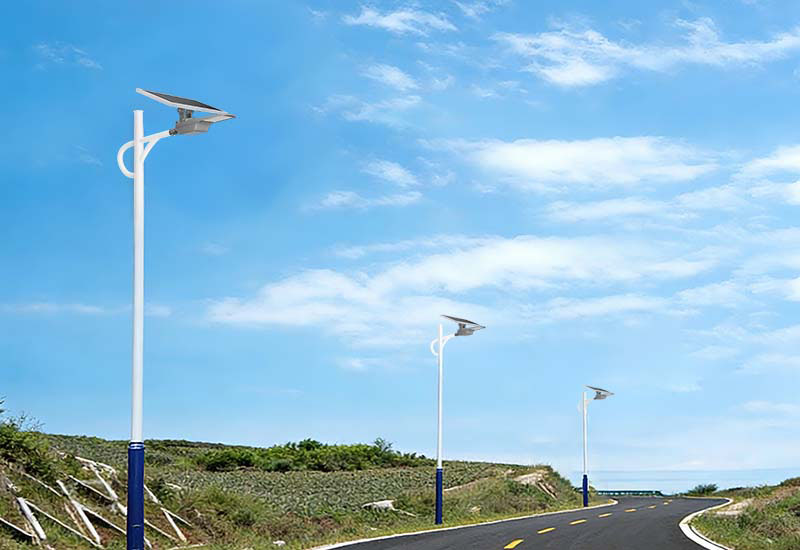
Solar Street Lighting Systems
Lighting systems are long-life infrastructure assets.
Key support capabilities include:
Different project types require different partner strengths:
Commercial complexes require dynamic lighting and control flexibility; hospitality projects focus on atmosphere design; municipal projects prioritize stability and efficiency; industrial parks require reliability and low maintenance cost.
There is no “best supplier”—only the most suitable partner.
Typical mistakes include:
Over-focusing on initial cost while ignoring lifecycle cost; prioritizing brightness over visual comfort; lacking early-stage lighting design involvement; and underestimating the importance of control systems.
These issues often have a greater impact than product selection itself.
Evaluate their project experience, system integration capability, R&D strength, product range, and long-term service support.
For commercial, municipal, and large-scale architectural projects, smart control is increasingly a standard requirement for efficiency and energy savings.
Because each project has unique architectural conditions, environmental constraints, and functional requirements.
High-quality LED lighting systems are designed for long-term stable operation with proper maintenance.
By using high-efficiency fixtures, intelligent control systems, optimized design strategies, and proper maintenance planning.
HIPO Lighting is a professional outdoor lighting manufacturer specializing in high-performance LED lighting products and project-based lighting solutions.
Core solution categories include:
HIPO Lighting supports customers worldwide through:
✓ Product selection support
✓ Lighting solution consulting
✓ OEM / ODM manufacturing
✓ Project delivery assistance
✓ Long-term technical service
Whether for commercial developments, public infrastructure, or industrial facilities, HIPO Lighting is committed to creating sustainable and efficient lighting environments through innovative lighting technologies.