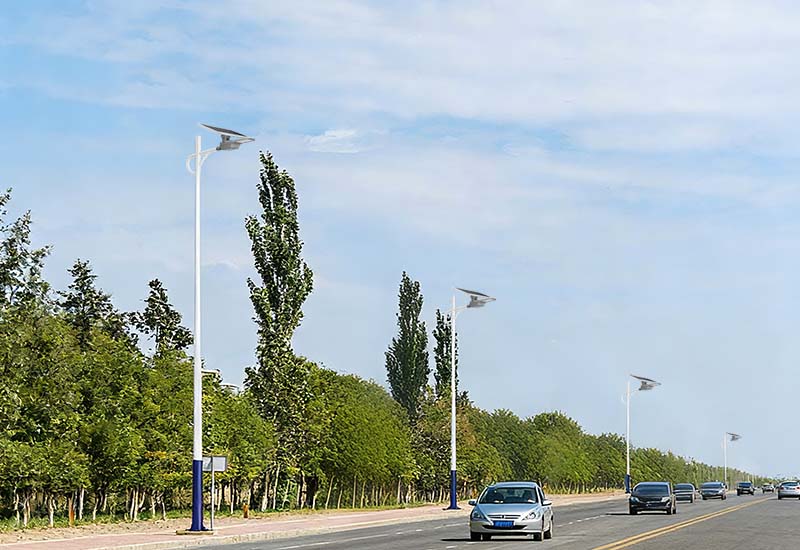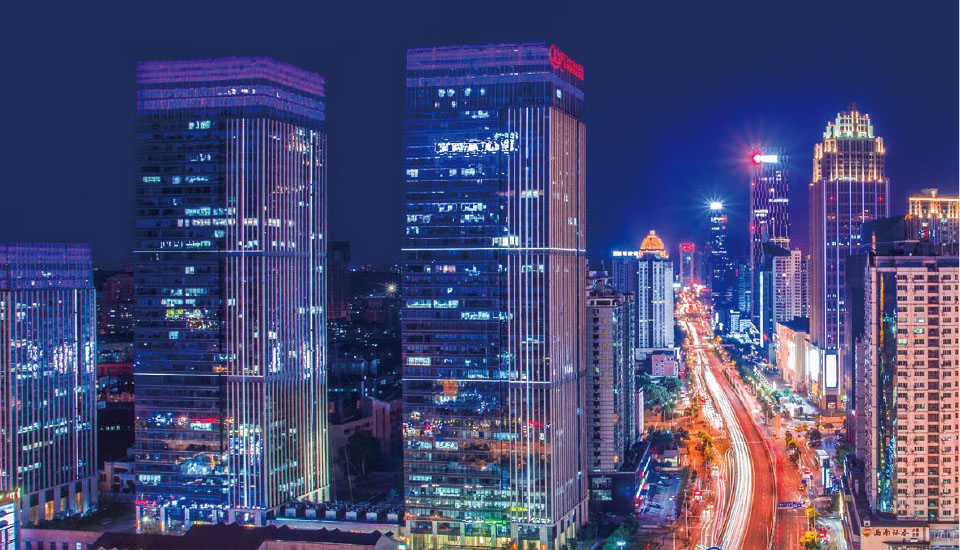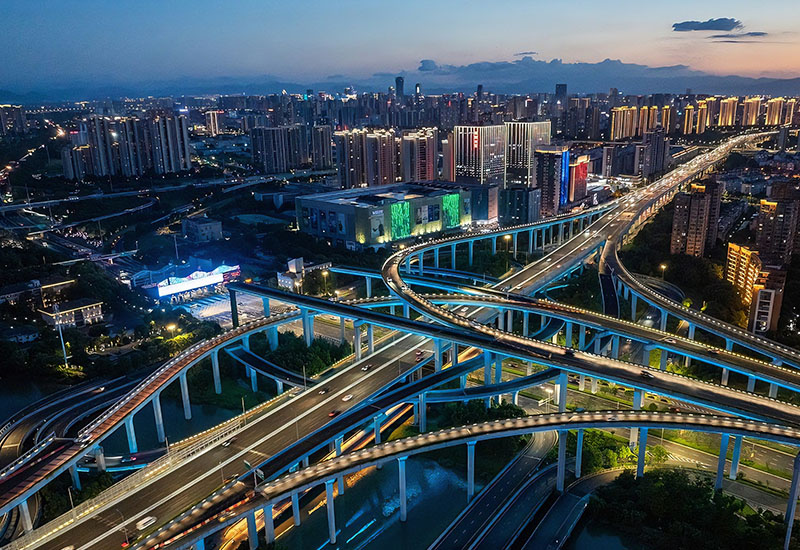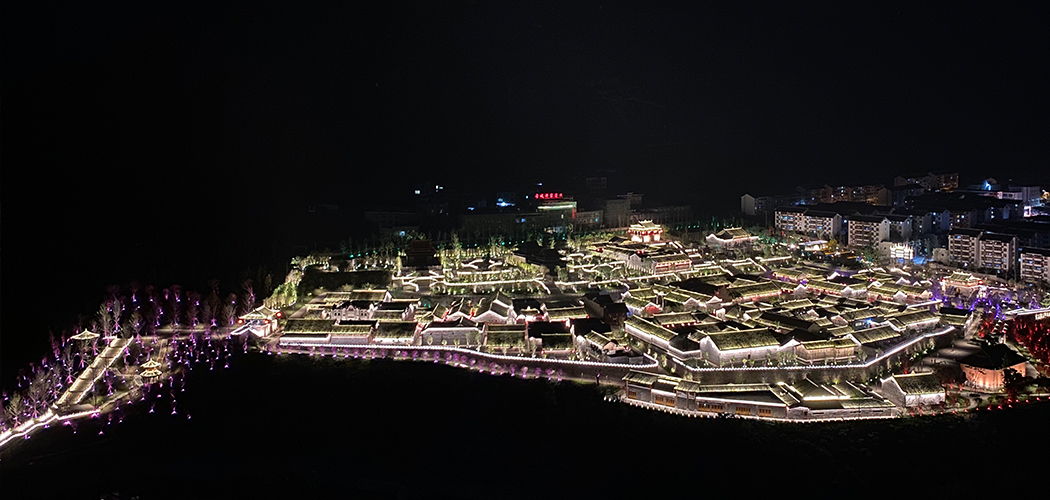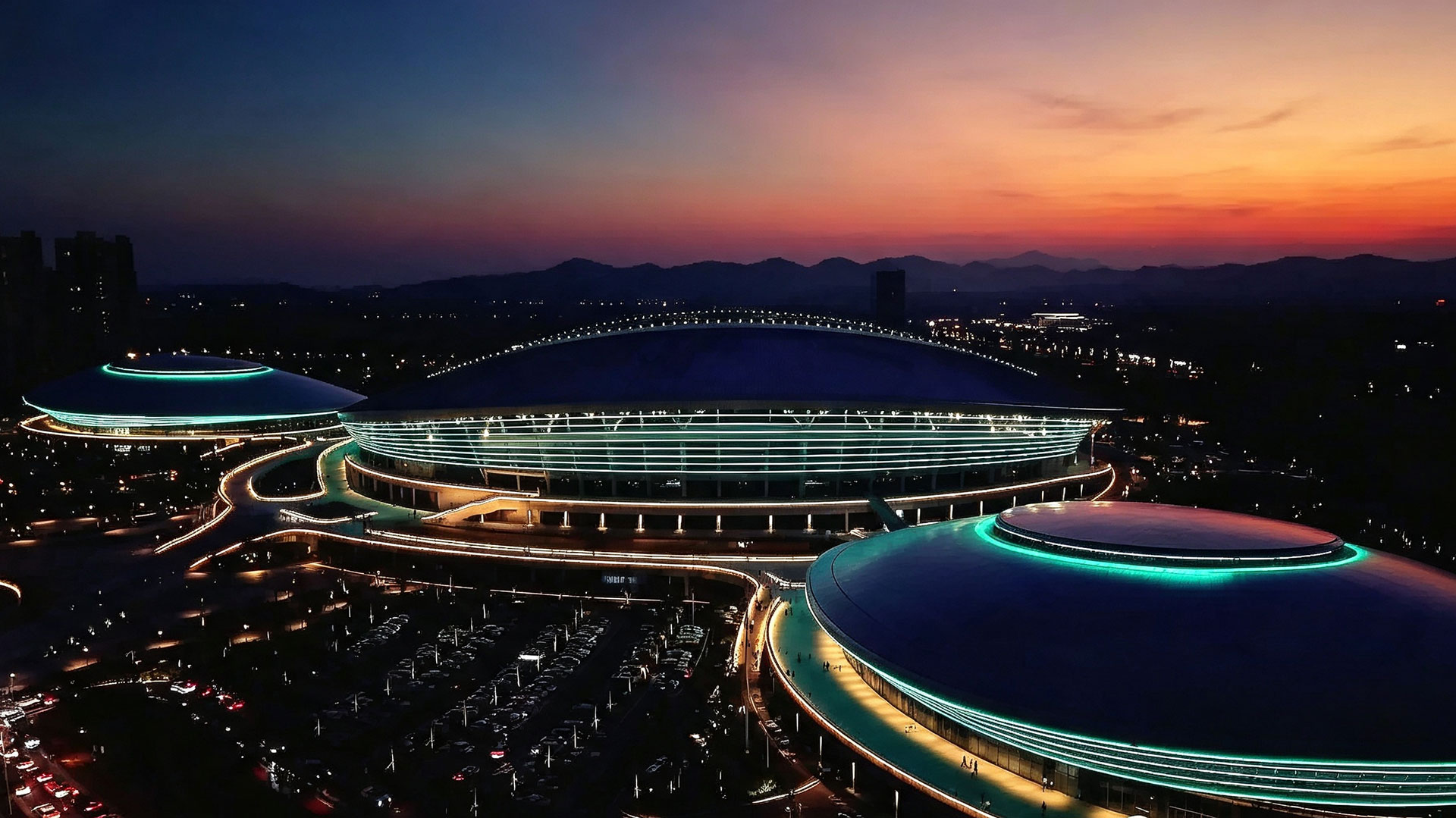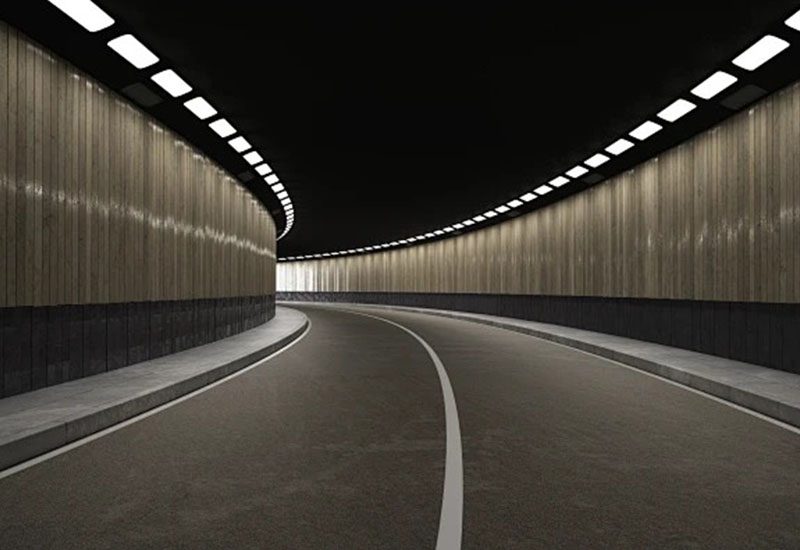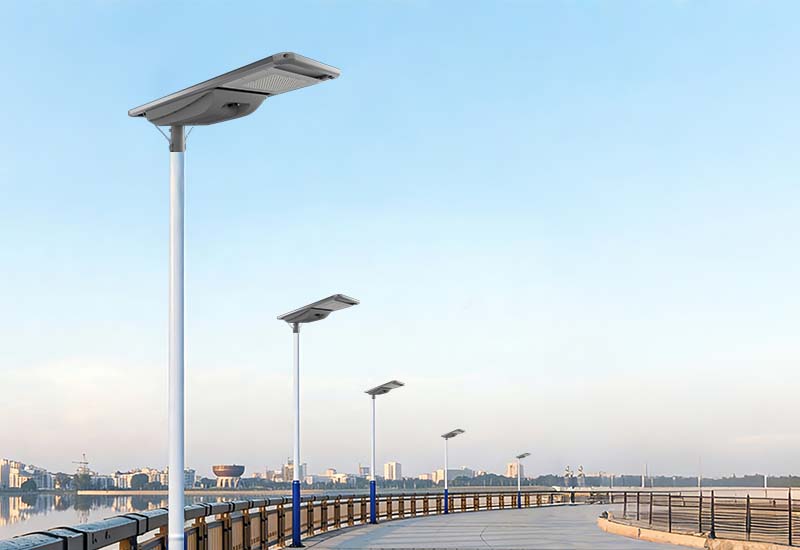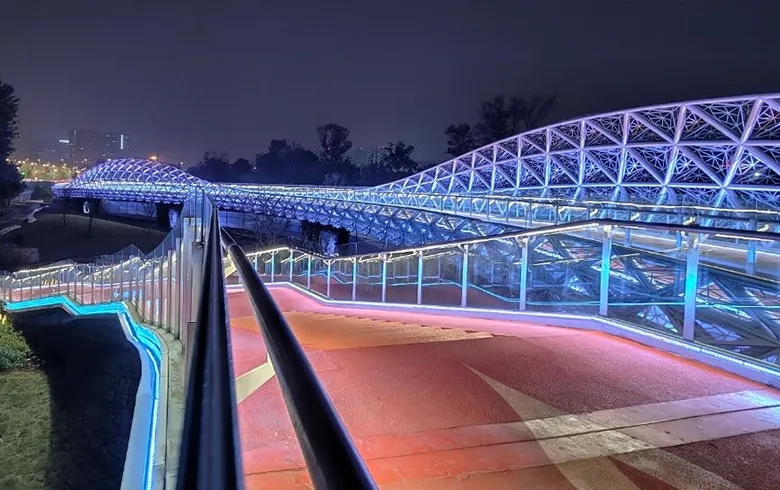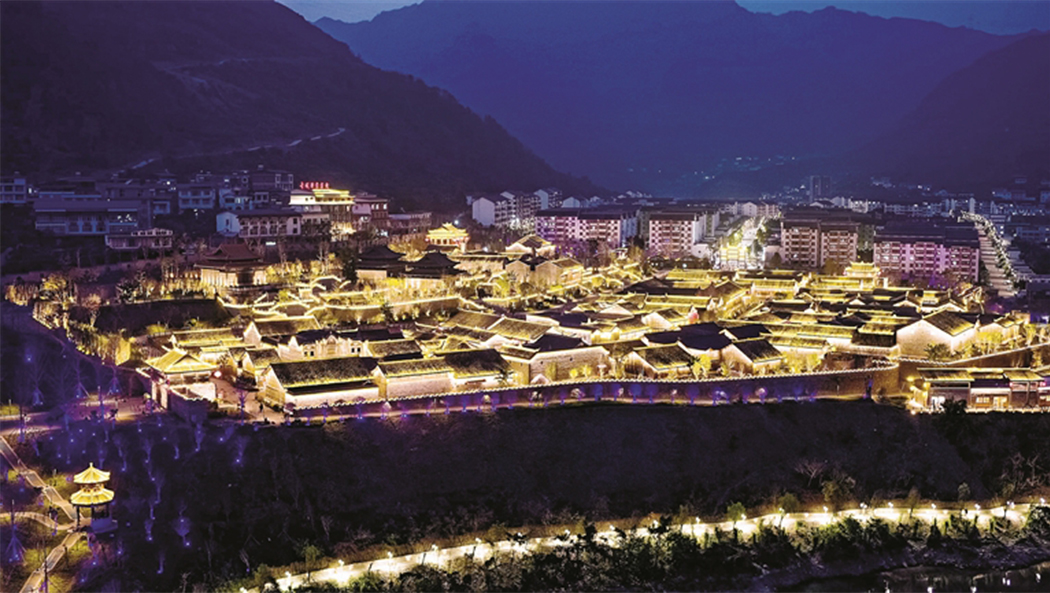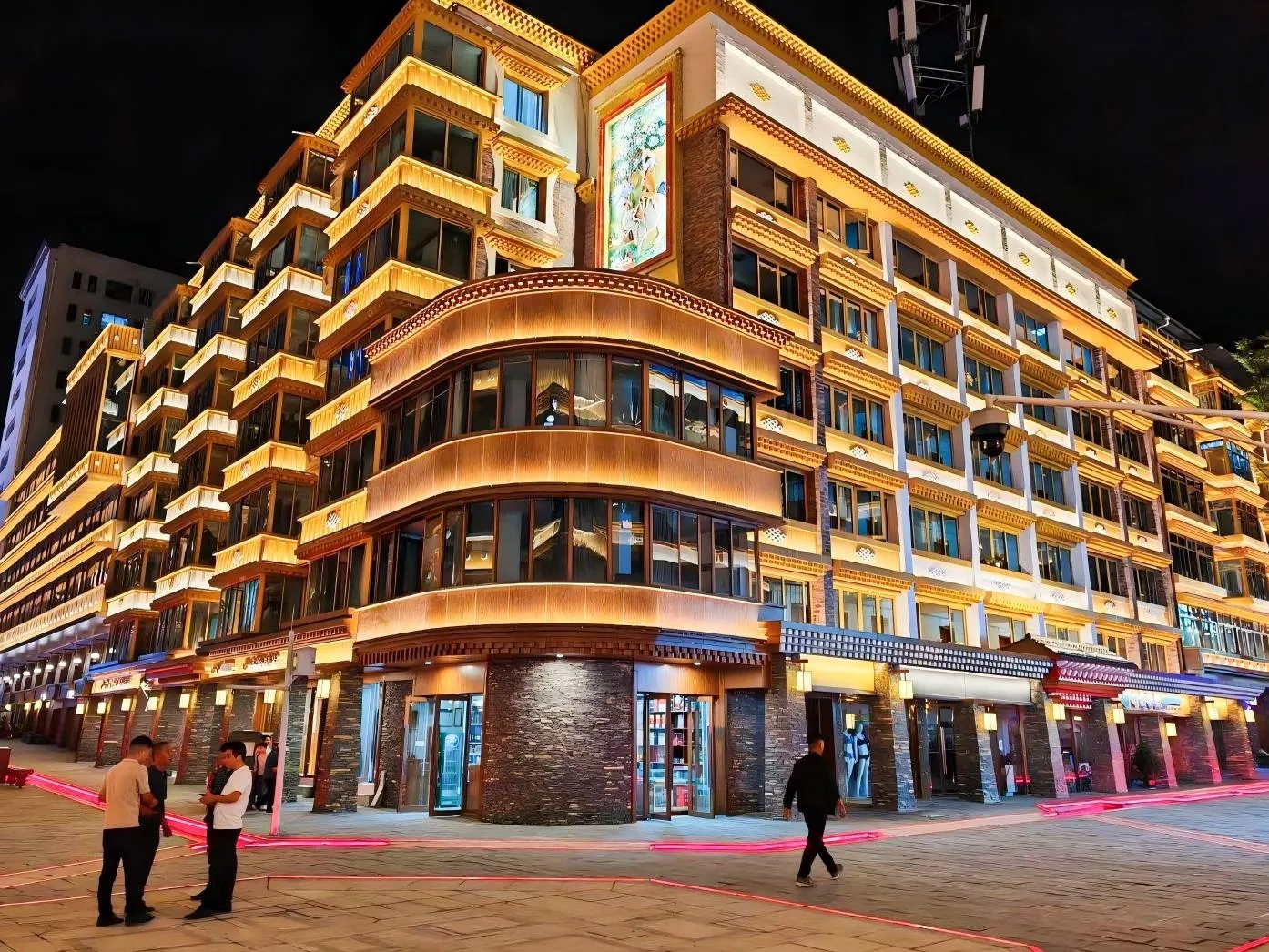


As cities continue to expand, road lighting has become an essential part of urban infrastructure.
In the past, the primary purpose of road lighting was to provide basic visibility and ensure nighttime traffic safety. However, with the development of smart cities, low-carbon initiatives, and more refined urban management, modern cities are placing higher expectations on lighting systems.
Today, urban lighting projects are no longer focused only on providing sufficient brightness. They also need to address:
· How to reduce energy consumption across large-scale lighting networks;
· How to improve lighting system efficiency;
· How to lower long-term maintenance costs;
· How to create a more comfortable nighttime urban environment.
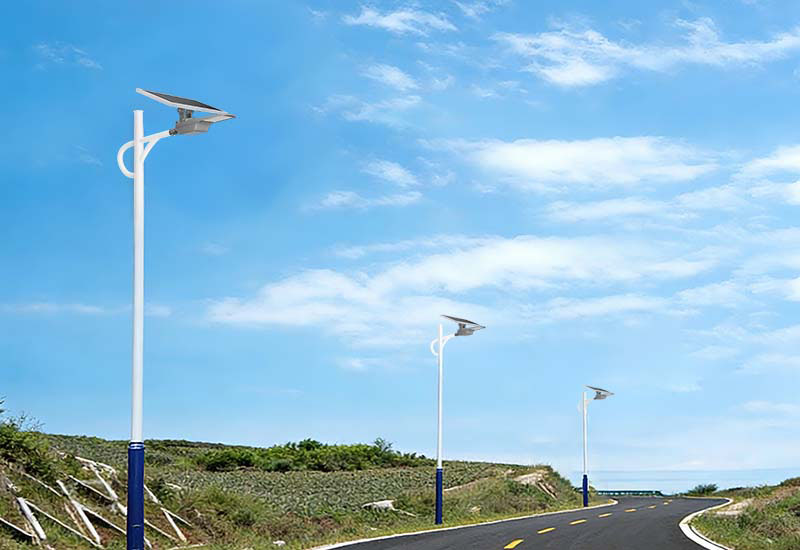
Therefore, modern LED Street Lighting is not simply a replacement for traditional lamps. It has become an important part of green infrastructure upgrades in smart city development.
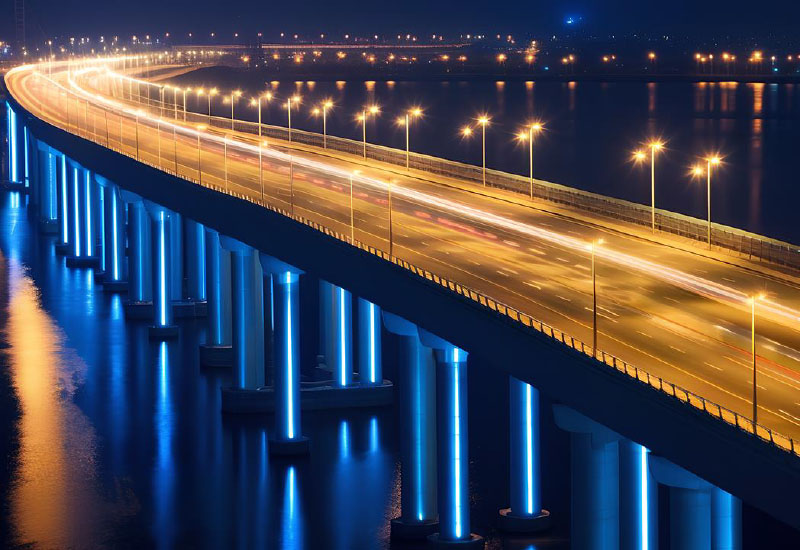
The upgrade of road lighting is not simply about replacing old fixtures. It is driven by the changing requirements of modern urban management.
In the past, road lighting mainly focused on two objectives:
· Providing sufficient nighttime visibility;
· Ensuring traffic safety.
As a result, traditional Road Lighting solutions prioritized brightness and coverage.
However, with increasing urbanization, road lighting systems are facing new challenges:
· Rising energy consumption from large-scale lighting networks;
· Higher maintenance pressure caused by long operating hours;
· Different lighting requirements at different times of the day;
· Increasing demand for better nighttime urban environments.
These challenges are pushing road lighting from fixed operation models toward more efficient, intelligent, and sustainable solutions.
Traditional Road Lighting systems usually operate under fixed schedules:
For example:
Lights are turned on at night, maintained at a fixed brightness level, and switched off during the day.
Although this approach can meet basic illumination requirements, it lacks flexibility.
Smart cities emphasize more precise resource management. Therefore, future road lighting needs to adapt to different application scenarios.
Application Scenario | Lighting Requirements |
Peak traffic hours | Maintain stable illumination to ensure road safety |
Low-traffic late-night periods | Reduce unnecessary lighting output and save energy |
Severe weather conditions | Improve visibility and enhance safety |
As a result, Smart Road Lighting is no longer only about keeping roads illuminated. It focuses on using intelligent management methods to optimize lighting resources.
The core concept of smart cities is improving urban operation efficiency through advanced technologies.
Because road lighting covers large areas and operates for long periods, it has become an important field for smart infrastructure upgrades.
Future road lighting systems need to achieve improvements in multiple areas:
Upgrade Direction | Goal |
Energy management | Reduce overall urban lighting energy consumption |
Operation management | Improve equipment monitoring and maintenance efficiency |
Lighting environment optimization | Enhance nighttime urban experiences |
Therefore, the goal of smart road lighting is not simply adding intelligent devices, but creating a lighting system that responds more accurately to actual urban needs.
During the transformation of road lighting systems, LED has become an important choice for modern urban lighting.
This trend does not mean traditional lighting technologies are no longer usable. Instead, LED has become more suitable for modern urban requirements due to continuous improvements in energy efficiency, optical control, and compatibility with intelligent management systems.
In recent years, LED lighting technology has continued to evolve, driving road lighting from traditional “high-brightness illumination” toward more efficient, precise, and intelligent lighting solutions.
Road lighting has two major characteristics:
· Large coverage areas;
· Long operating hours.
Therefore, improving the energy efficiency of individual fixtures can significantly reduce overall urban energy consumption.
With advances in LED chips, driver technology, thermal management, and optical design, modern LED Street Lighting can achieve lower energy consumption while maintaining required illumination performance.
Compared with traditional road lighting solutions, LED advantages mainly include:
Technology Improvement | Value |
High-efficiency LED sources | Reduce energy consumption per lighting unit |
Optimized thermal management | Maintain stable long-term performance |
Efficient driver systems | Improve overall energy utilization |
For cities, large-scale LED road lighting upgrades can deliver long-term energy savings while reducing operational costs.
Green lighting is not only about reducing fixture power. It is also about improving how effectively light is used.
Traditional light sources usually rely on reflectors and fixture structures to control light distribution. LED lighting, however, offers greater flexibility through advanced optical designs, lenses, and beam control technologies.
This allows lighting systems to:
· Direct more light toward road surfaces;
· Reduce unnecessary light loss;
· Minimize light spill into surrounding areas.
Therefore, modern Road Lighting design focuses on achieving:
Better illumination performance with less energy consumption.
Precise optical control improves lighting efficiency while also helping create a better nighttime environment.
The development of smart road lighting requires lighting equipment that can respond quickly and support flexible control.
Compared with traditional lighting technologies, LED is more suitable for integration with intelligent control systems, enabling:
· Lighting output adjustment based on time;
· Optimization according to road conditions;
· Connection with urban lighting management systems.
For example, lighting levels can be reduced during late-night periods with lower traffic volumes, while brightness can be increased during severe weather or special events.
This “on-demand lighting” approach is becoming a key direction for sustainable urban lighting development.
Although LED has become an important direction for modern road lighting upgrades, different lighting technologies still have their own suitable application environments.
Lighting Technology | Suitable Applications |
LED Lighting | Urban roads, smart city projects, public spaces, commercial areas, and applications requiring high efficiency and precise control |
Traditional high-intensity discharge lighting | Certain existing lighting systems or specific industrial applications |
As cities place greater emphasis on energy efficiency, intelligent management, and refined lighting design, LED continues to gain advantages in modern road lighting applications.
Road lighting upgrades are not driven by a single technology. They represent improvements across equipment, control methods, and urban management approaches.
Upgrade Dimension | Traditional Road Lighting | Smart Green Road Lighting |
Energy utilization | Higher consumption with fixed operation | LED improves efficiency and reduces long-term energy use |
Light control | Limited utilization of light output | Precise optical control improves efficiency |
Operation mode | Fixed schedules | Lighting strategies optimized based on demand |
Management method | Relies heavily on manual inspection | Data-driven management improves maintenance efficiency |
Urban experience | Meets basic illumination needs | Balances safety, comfort, and environmental quality |
In the future, LED Street Lighting will become an important foundation connecting green energy management with smart city development.
The development of smart cities places higher requirements on road lighting products.
Urban lighting projects require not only energy-efficient LED fixtures but also suppliers with strong product capabilities, optical design expertise, and reliable project delivery experience.
HIPO Lighting specializes in LED lighting product development and manufacturing, providing professional lighting solutions for outdoor environments, architectural applications, and large-scale public projects.
HIPO provides:
Urban Lighting Requirements | HIPO Solutions |
Energy-efficient lighting | High-efficiency LED lighting products that improve energy utilization and reduce long-term operating costs |
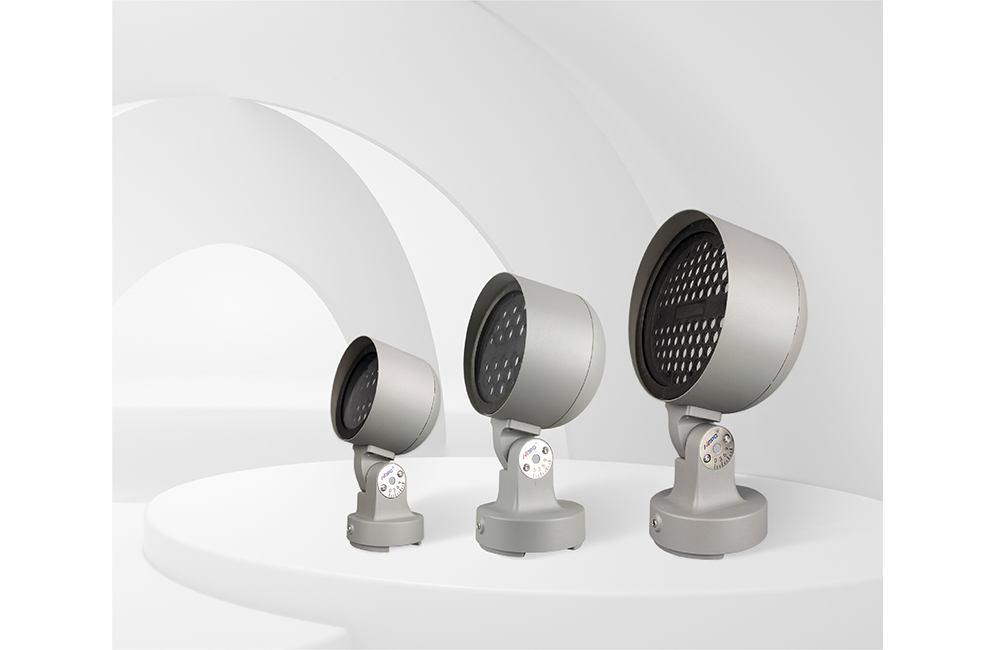
Large-area outdoor illumination | High-performance Outdoor LED Lighting products for different outdoor applications |
Precise lighting control | Multiple optical design options to improve light utilization and reduce waste |
Long-term outdoor operation | Reliable LED products designed for different environmental conditions |
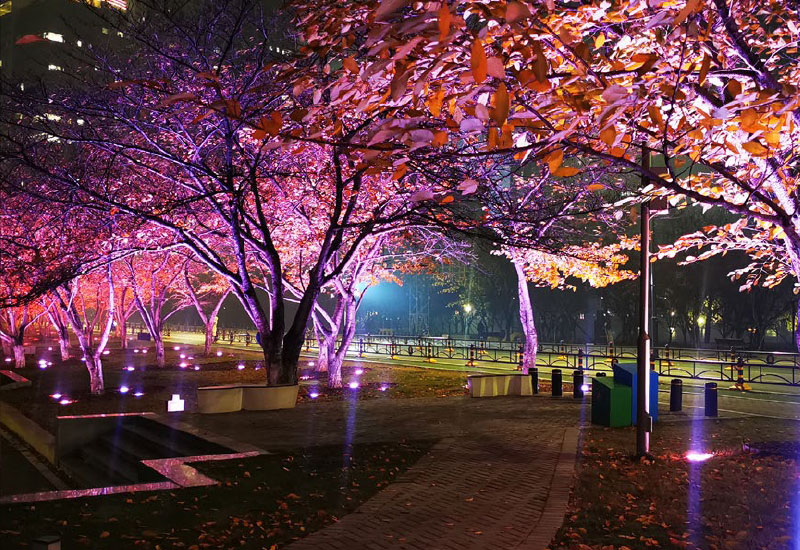
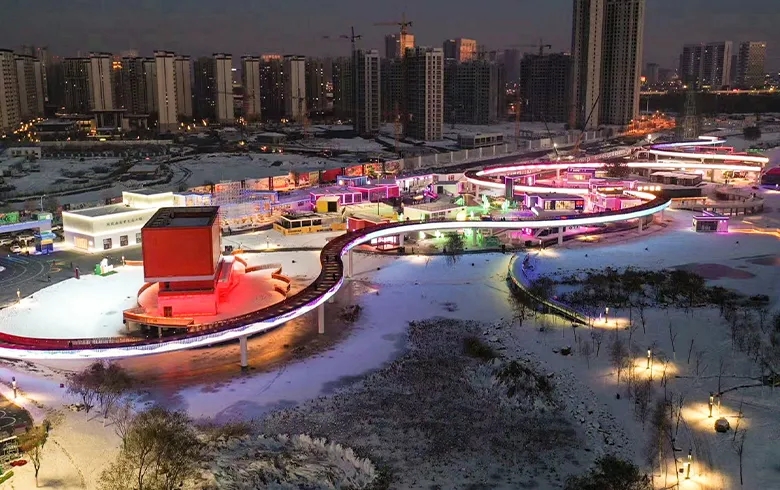
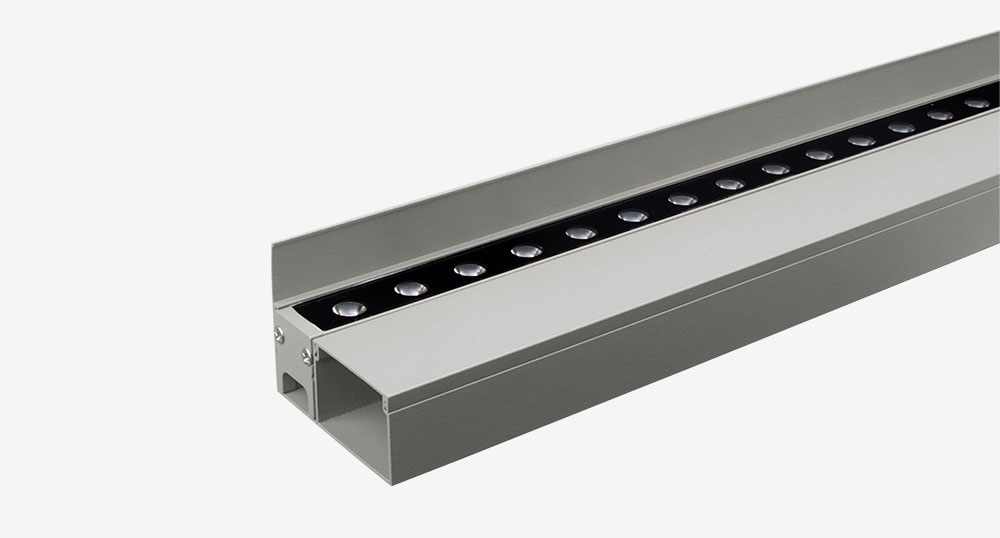
Public and architectural spaces | Architectural Lighting solutions that enhance nighttime visual effects |
By combining LED technology, optical design, and manufacturing capabilities, HIPO helps customers develop efficient and reliable outdoor lighting solutions.
For urban road lighting and large-scale outdoor lighting projects, product performance is only one part of project success. Stable supply capability is equally important.
Large lighting projects usually require:
· High-volume production capacity;
· Long-term operational reliability;
· Strict delivery schedules.
Therefore, lighting suppliers need mature manufacturing systems and quality control capabilities.
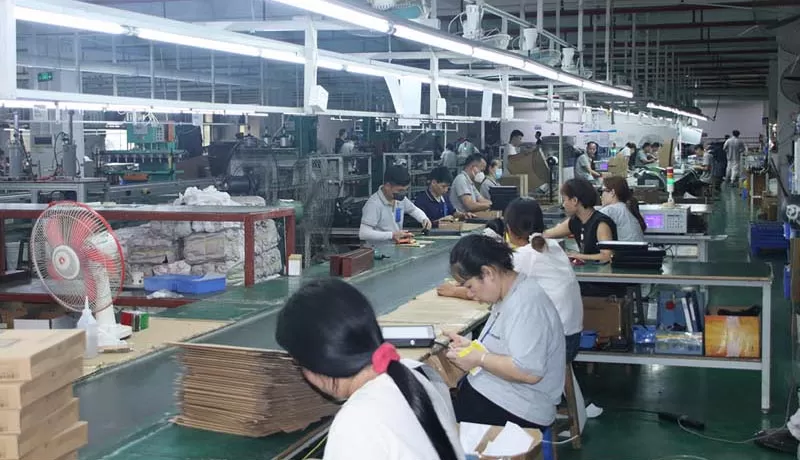
HIPO operates:
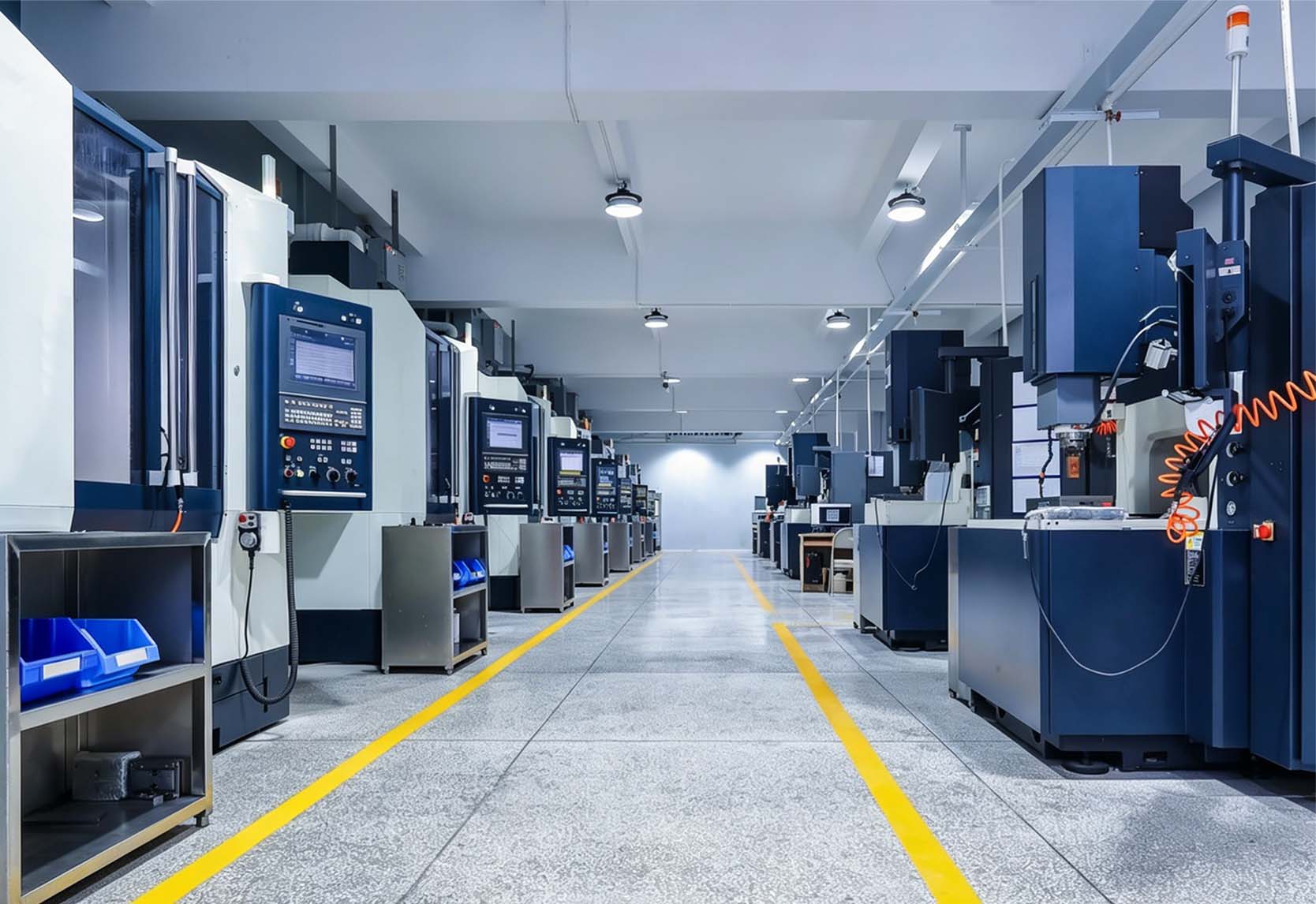
· A 10,000㎡ production base;
· 10 production lines;
supporting stable production and delivery for LED lighting projects of different scales.
Meanwhile, through a complete project service process, HIPO supports customers from initial requirements analysis and product selection to manufacturing and delivery.
The future development of road lighting is not simply about replacing traditional light sources with LEDs. It is moving toward smarter, greener, and more efficient urban lighting systems.
Smart cities are transforming Smart Road Lighting from fixed operation models into more precise and intelligent lighting management systems, while LED technology provides the reliable foundation for green lighting upgrades.
Through energy-efficient design, precise optical control, and intelligent management, modern LED Street Lighting helps cities reduce energy consumption, improve operational efficiency, and create better nighttime environments.
For customers planning road lighting upgrades, smart city projects, or large-scale outdoor lighting applications, choosing an LED lighting supplier with strong product capabilities and manufacturing experience is essential for long-term project success.