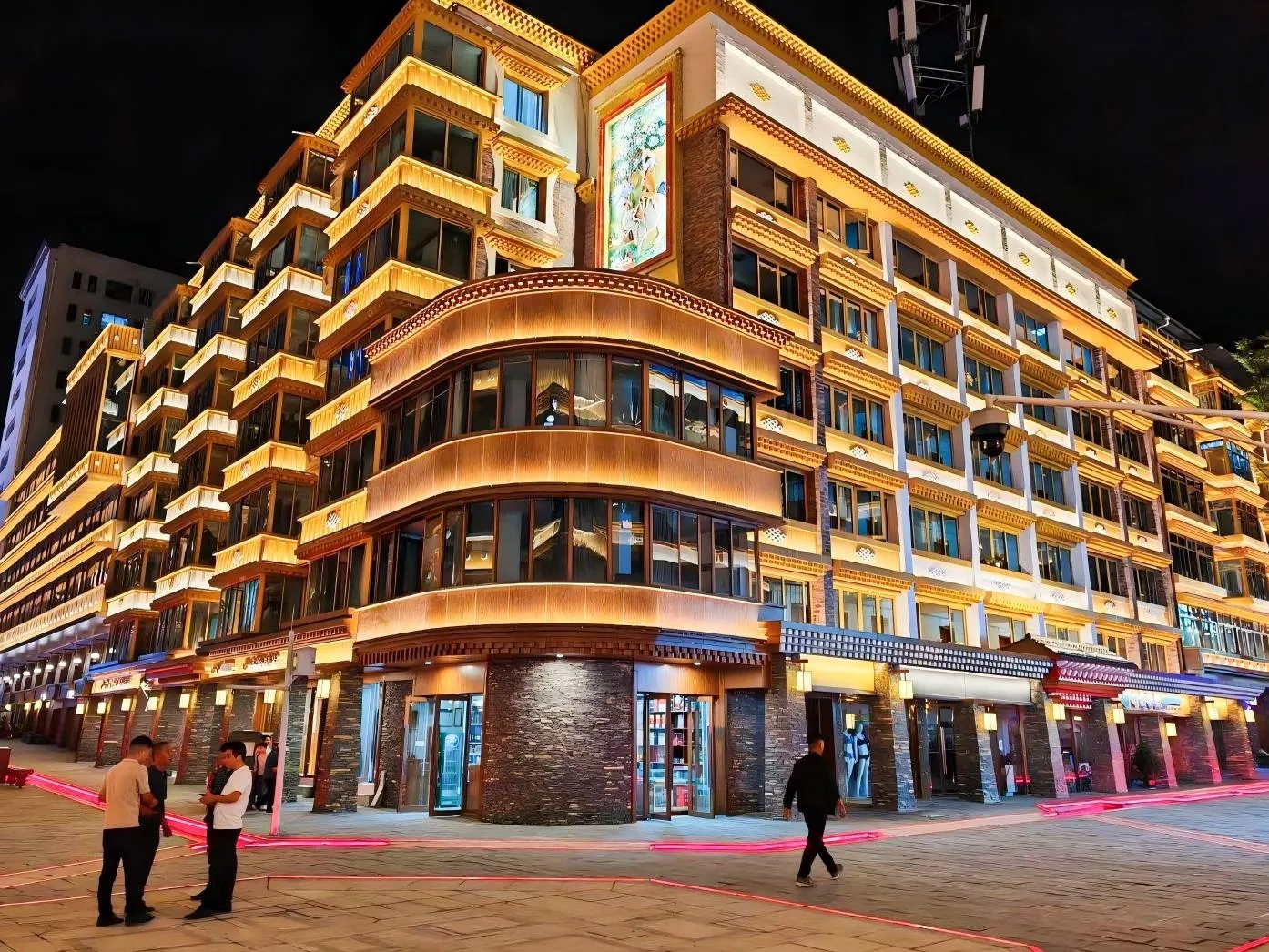


Choosing the right LED Flood Light for commercial buildings requires more than comparing wattage or price.
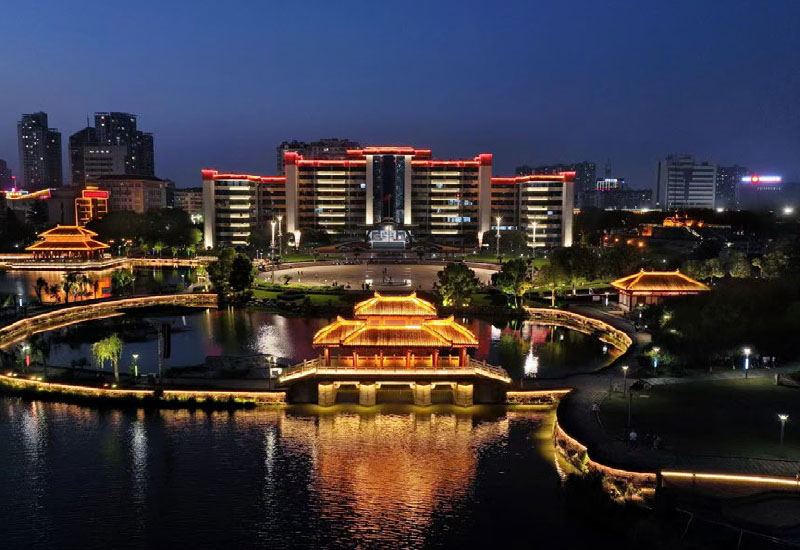
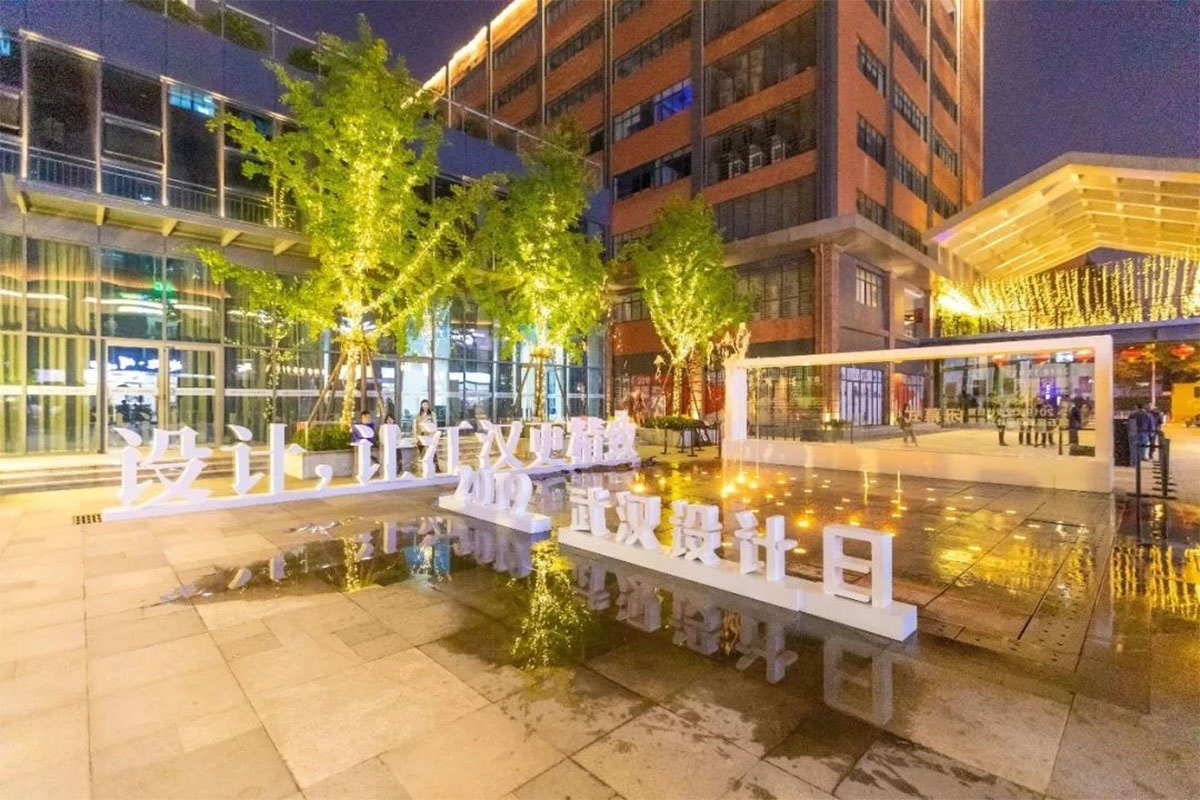
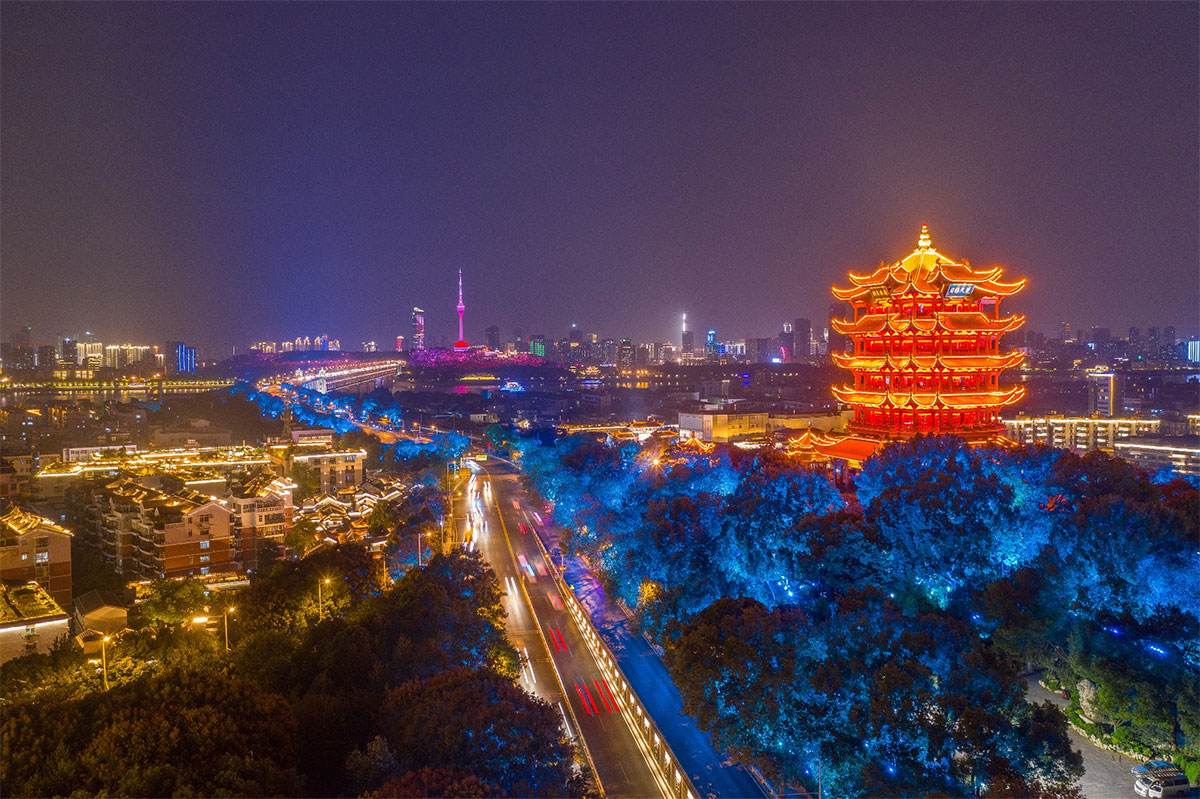
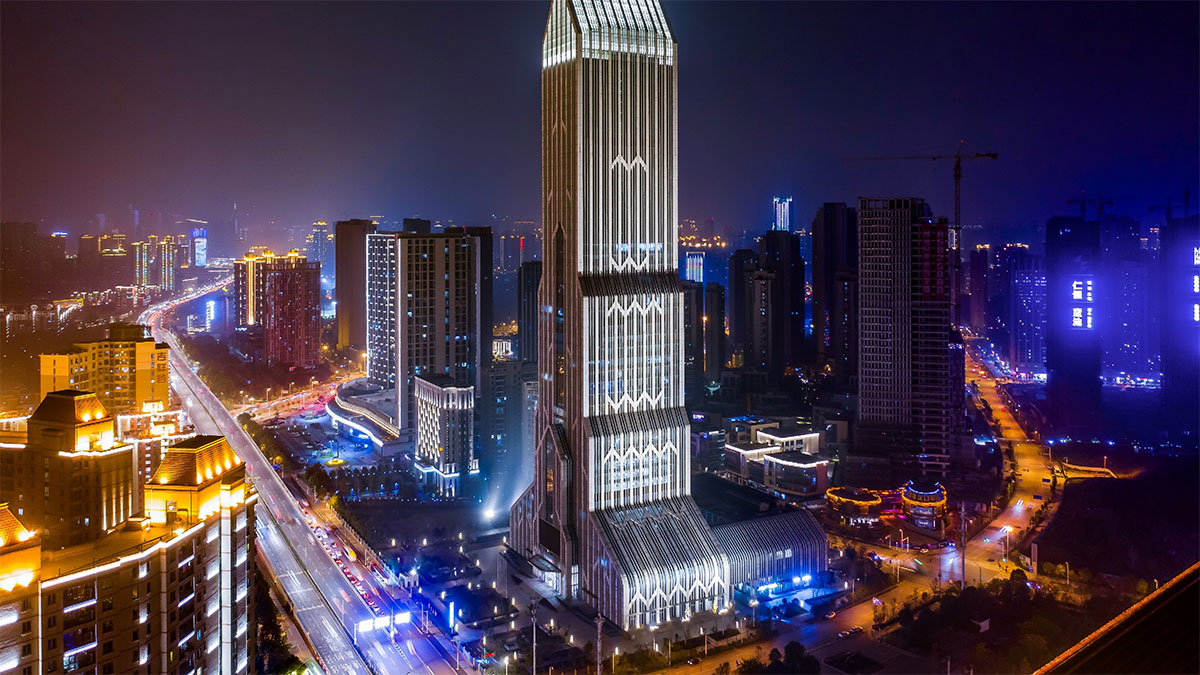
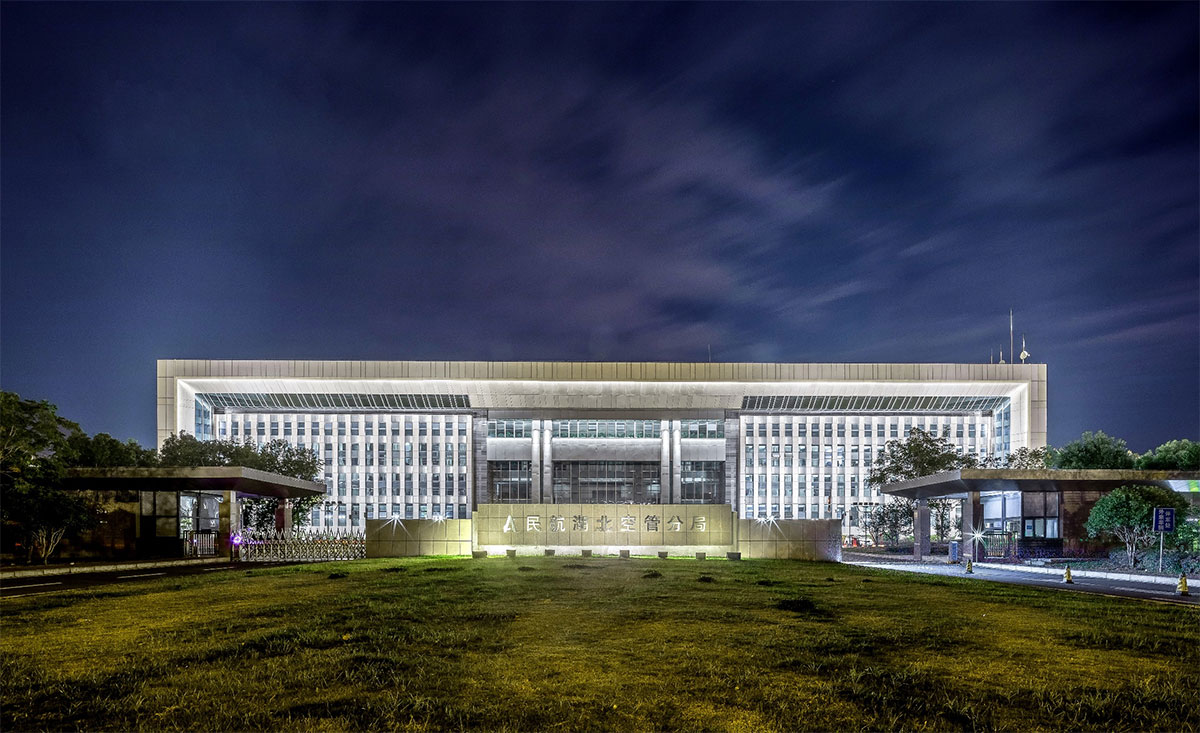
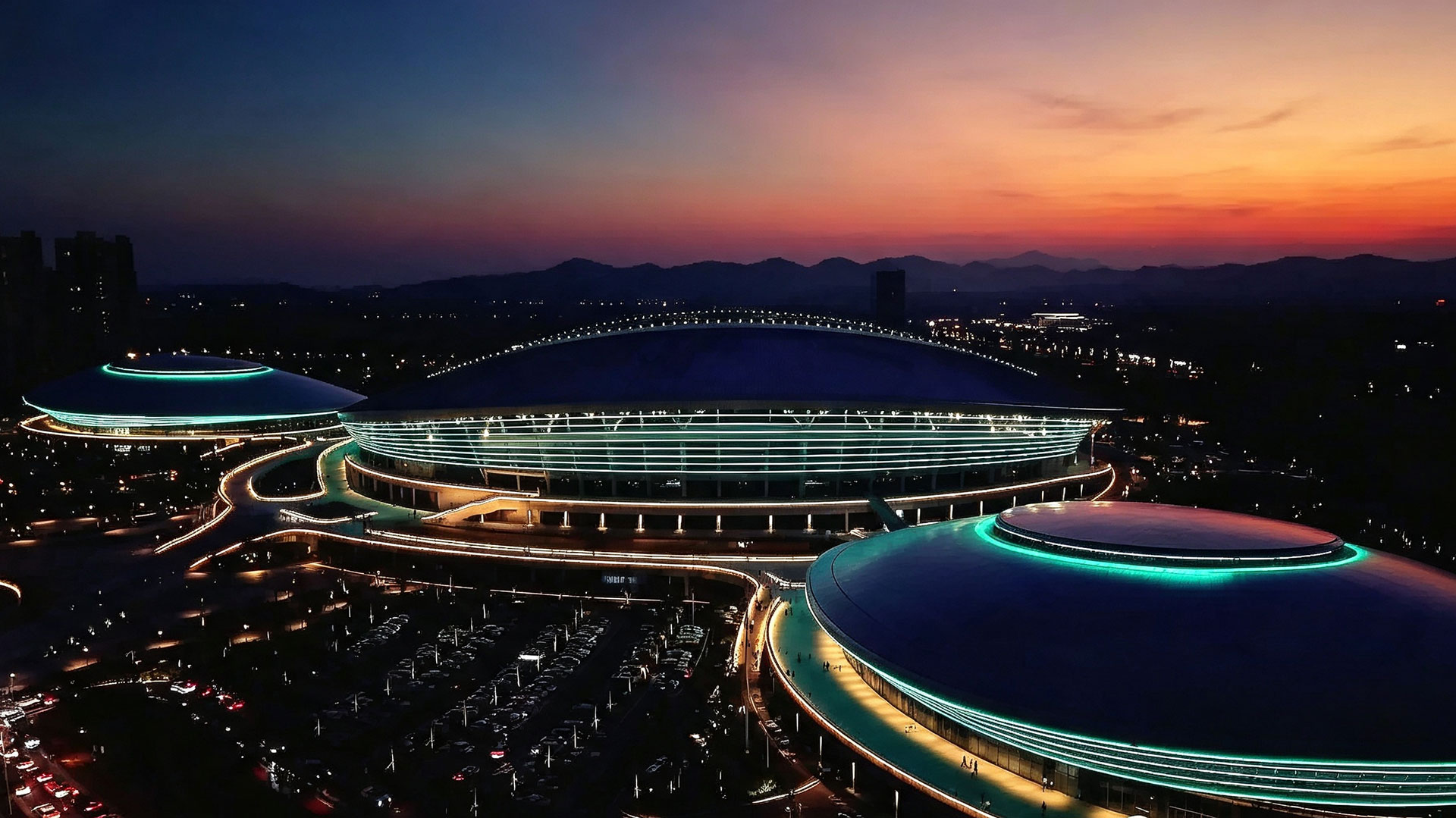
For hotels, office buildings, shopping centers, cultural landmarks, and public spaces, outdoor lighting plays an important role in enhancing architectural features, improving nighttime visibility, and creating a distinctive visual identity.
Factors such as beam angle, optical performance, color temperature, outdoor durability, lighting control, and supplier capability all influence the final lighting effect and long-term project performance.
This guide explains the key factors buyers should consider when selecting LED Flood Lights for commercial architectural projects.
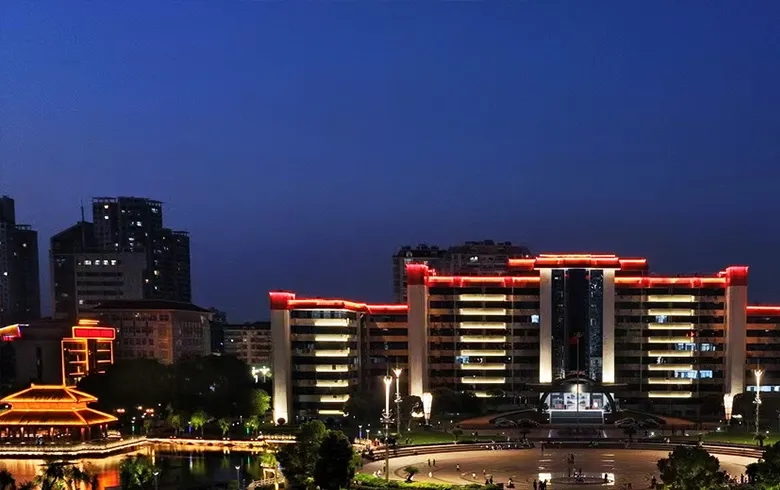
Before selecting an Architectural Flood Lighting solution, buyers should first define the project requirements.
Different commercial buildings have different lighting objectives.
| Building Type | Key Lighting Requirements |
Hotels | Warm atmosphere, architectural highlights, visual comfort |
Office Buildings | Uniform facade lighting, clean and professional appearance |
Shopping Centers | Strong visual impact, brand presentation, dynamic effects |
Cultural Buildings & Landmarks | Precise beam control, architectural detail highlighting |
Public Spaces | Wide coverage, durability, easy maintenance |
Understanding the application helps determine suitable lighting specifications, beam angles, and control options.
Before purchasing an Outdoor Flood Light, buyers should consider:
· Is the goal overall façade illumination or accent lighting?
· Which architectural elements need to be highlighted?
· Are dynamic lighting effects required?
· Will the system need smart control?
For example, large wall surfaces usually require wider beam angles, while columns, sculptures, and architectural details often need narrower beams for focused illumination.
Outdoor lighting fixtures operate under different environmental conditions.
Important factors include:
· Installation height;
· Lighting distance;
· Weather exposure;
· Maintenance accessibility.
These factors directly affect product selection and long-term reliability.
Explore HIPO Architectural & Landscape Lighting Solutions
Beam angle determines how widely light spreads and directly affects the final appearance of a building.
Selecting the correct beam angle helps achieve better lighting balance and architectural presentation.
Beam Angle | Suitable Applications | Lighting Effect |
Narrow Beam | Tall buildings, columns, architectural details | Focused illumination and strong visual emphasis |
Medium Beam | Medium facade areas, commercial buildings | Balanced coverage and highlighting |
Wide Beam | Large walls, open areas | Broad and uniform illumination |
Choosing an unsuitable beam angle may result in uneven lighting, excessive brightness, or insufficient coverage.
The selection should be based on:
· Building height;
· Lighting distance;
· Target area;
· Desired visual effect.
HIPO architectural lighting products support multiple beam angle options, including narrow beam, wide beam, and elliptical distribution designs for different project requirements.
HIPO Architectural & Landscape Lighting Product Range
For architectural lighting, brightness alone does not determine the final result. Optical design plays a key role in controlling how light is distributed.
Good optical performance helps achieve:
· Uniform illumination;
· Accurate beam control;
· Reduced glare;
· Better architectural presentation.
Poor optical design may create uneven brightness, unwanted hotspots, or excessive glare, affecting the overall visual experience.
HIPO highlights precision optical design, multiple beam options, and anti-glare solutions in its architectural lighting products.
Wattage is one of the most commonly compared specifications when purchasing LED Flood Lights. However, higher wattage does not always mean better lighting performance.
The required power depends on:
· Building height;
· Lighting area;
· Installation position;
· Projection distance;
· Desired lighting effect.
Two flood lights with the same wattage may create different results due to differences in optical design and beam distribution.
Therefore, commercial projects should select LED Flood Lights based on the overall lighting design rather than wattage alone.
Color temperature directly affects the atmosphere and visual appearance of commercial buildings.
Color Temperature | Recommended Applications | Visual Effect |
2700K–3000K Warm White | Hotels, commercial streets, cultural buildings, landscapes | Warm and comfortable atmosphere |
Around 4000K Neutral White | Offices, modern commercial spaces, public facilities | Clean and contemporary appearance |
RGBW | Landmarks, commercial attractions, dynamic projects | Flexible color-changing effects |
RGBW solutions are commonly used for projects requiring dynamic lighting effects, while fixed color temperatures are often preferred for standard architectural illumination.
HIPO architectural flood lights support different color temperature options and RGBW solutions for various applications.
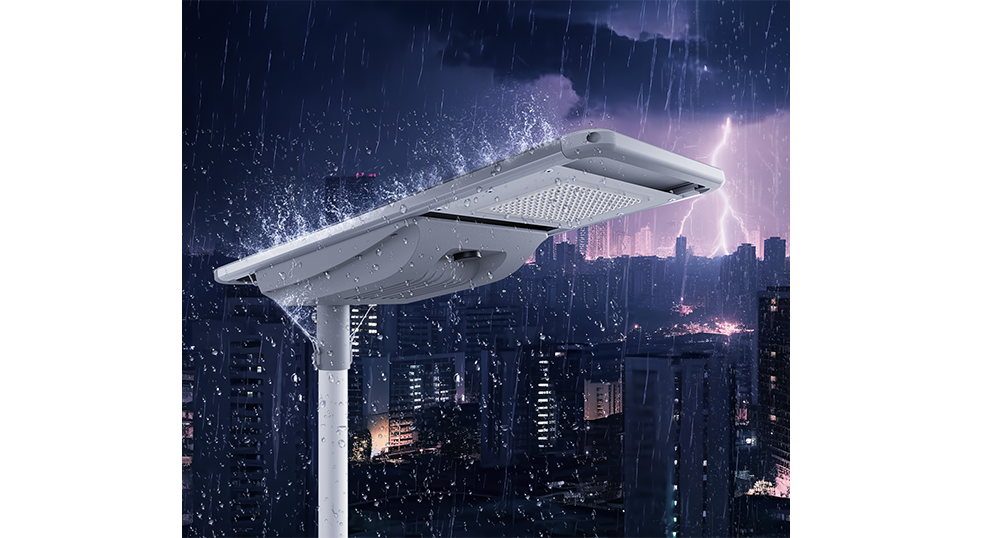
Since LED Flood Lights are installed outdoors, durability is essential for long-term operation.
Outdoor fixtures may face:
· Rain and humidity;
· Dust exposure;
· Temperature changes;
· Continuous operation.
Factor | Why It Matters |
IP Protection Rating | Helps protect against dust and water exposure |
Housing Material | Influences structural strength and outdoor reliability |
Surface Treatment | Improves resistance to environmental conditions |
Thermal Management | Helps maintain stable performance |
HIPO architectural flood lights feature IP66 protection for outdoor applications.
The HIPO Lingfeng Flood Light uses an ADC12 die-cast aluminum housing with fluorocarbon coating. Its design also includes a hidden convection air duct, double cavity heat dissipation structure, and independent driver box.
Modern commercial lighting projects increasingly require flexible control systems to create different lighting scenes and support future upgrades.
Common control options include:
Control Type | Application | Benefits |
DMX512 | Commercial buildings, landmarks, public lighting projects | Supports dynamic effects and multi-fixture coordination |
RDM | Large lighting systems | Enables remote addressing and easier device management |
RGBW Control | Landmarks, commercial spaces, entertainment projects | Provides flexible color-changing effects |
For projects requiring dynamic lighting effects, control compatibility should be considered during the initial design stage.
HIPO architectural flood lighting products support DMX, RDM, and RGBW control options to meet different project requirements.
Different commercial projects have different lighting priorities. The right LED Flood Light should match the building type, design objectives, and expected visual effect.
Application | Key Considerations |
Hotels | Warm lighting, architectural atmosphere, visual comfort |
Office Buildings | Uniform facade illumination, modern appearance |
Shopping Centers | Dynamic effects, brand presentation, visibility |
Museums & Cultural Buildings | Detail highlighting, precise beam control |
Public Spaces | Coverage range, durability, maintenance requirements |
A successful Architectural Flood Lighting project balances aesthetics, performance, and long-term operation.
Selecting the right flood light requires evaluating more than product price or basic specifications.
Common Mistake | Why It Matters |
Choosing only by wattage | Higher power does not always create better lighting results. Beam angle and optical performance are equally important. |
Ignoring glare control | Excessive glare can reduce visual comfort and affect the overall architectural experience. |
Focusing only on initial cost | Lower-priced products may increase future maintenance and replacement costs. |
Overlooking control requirements | Lack of control compatibility may limit future lighting upgrades. |
A complete evaluation process helps reduce project risks and improves long-term lighting performance.
For commercial architectural lighting projects, supplier capability is as important as product specifications.
Before selecting a supplier, buyers should evaluate the following factors:
Evaluation Factor | Key Questions |
Optical Design Capability | Can the supplier provide suitable beam solutions for different architectural applications? |
Customization Capability | Can they support OEM/ODM requirements and project-specific solutions? |
Manufacturing Capability | Do they have stable production capacity and quality control processes? |
Project Experience | Have they supported similar commercial lighting applications? |
Architectural lighting projects often require customized solutions based on:
· Building structure;
· Installation distance;
· Lighting objectives.
A supplier with optical engineering capability can provide more suitable lighting solutions instead of standard products only.
Large commercial projects may require customized products or specific lighting solutions.
OEM and ODM capabilities allow suppliers to support:
· Product modifications;
· Project-specific requirements;
· Customized lighting solutions.
HIPO provides ODM services and supports customized architectural lighting solutions for different project needs.
Learn More About HIPO R&D and Customization Capability
Stable manufacturing capability helps ensure:
· Consistent product quality;
· Reliable delivery schedules;
· Support for large-volume projects.
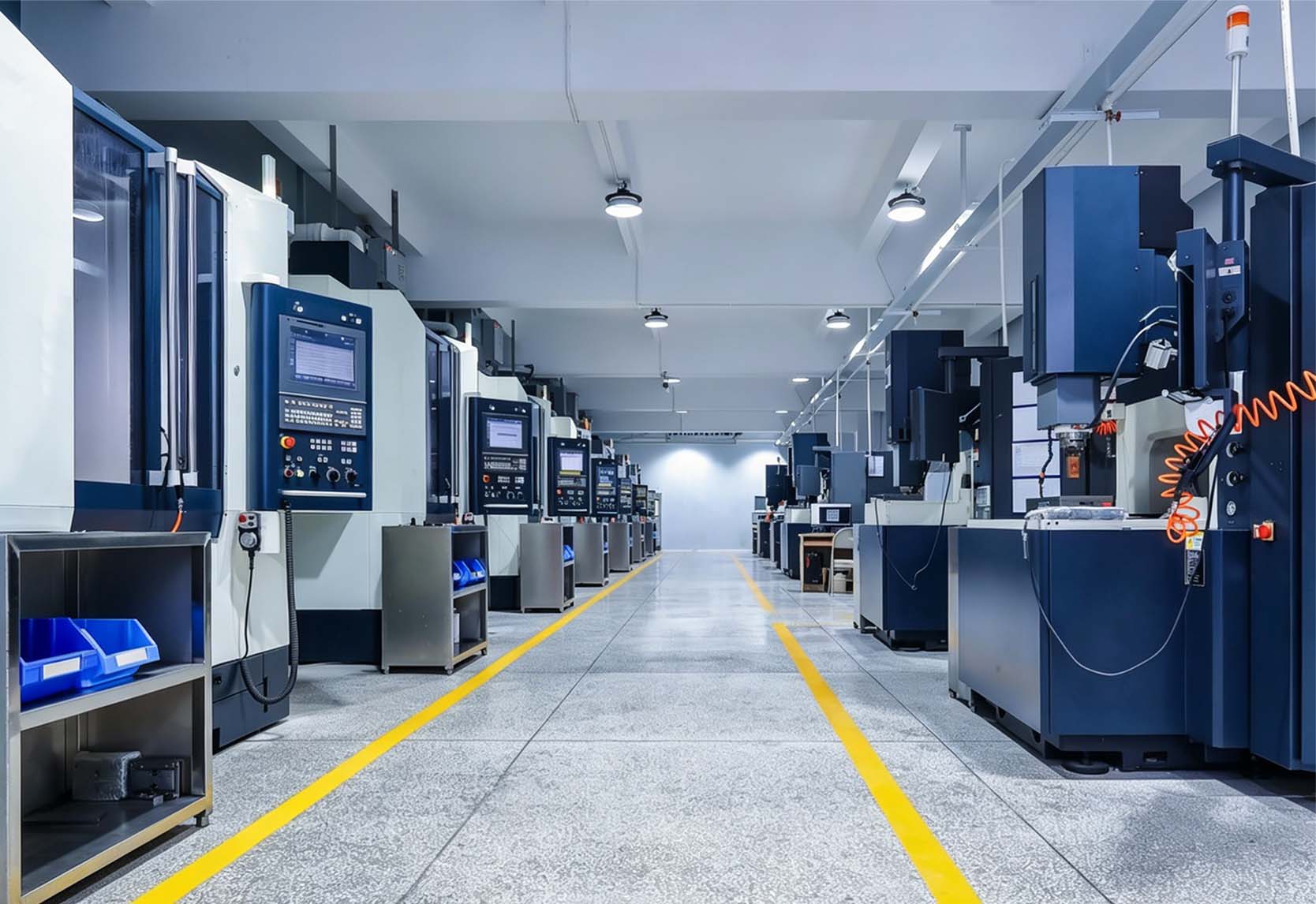
HIPO operates a 10,000㎡ manufacturing base with specialized production capabilities, including die-casting and SMT manufacturing.
HIPO provides LED Flood Light solutions for commercial buildings, landscapes, and outdoor architectural projects.
Its architectural lighting products support:
· Multiple beam angle options;
· Different color temperature solutions;
· RGBW lighting;
· DMX/RDM control;
· IP66 outdoor protection;
· Flexible installation options.
With R&D capability, manufacturing experience, and ODM support, HIPO helps customers develop lighting solutions for different architectural applications.
Before purchasing LED Flood Lights for commercial projects, buyers should confirm:
✓ Project application and lighting objectives
✓ Required beam angle and illumination range
✓ Suitable color temperature or RGBW requirements
✓ Outdoor protection requirements
✓ Control system compatibility
✓ Installation and maintenance conditions
✓ Supplier customization and manufacturing capability
A complete checklist helps buyers select suitable products and reduce potential project issues.
The best beam angle depends on building height, installation distance, and the area that needs to be illuminated.
Narrow beams are generally suitable for architectural details and accent lighting, while wider beams are better for large façade surfaces.
Wattage should be selected according to building size, installation position, lighting distance, and required visual effect.
It should not be considered separately from beam angle and optical design.
RGBW flood lights are suitable for projects requiring dynamic lighting effects, such as landmarks, commercial attractions, and public spaces.
For standard façade illumination, fixed color temperatures may be more appropriate.
Buyers should evaluate the supplier’s optical design capability, customization support, manufacturing capacity, quality control, and project experience.
Choosing the right LED Flood Light for commercial buildings requires careful consideration of lighting performance, environmental conditions, and supplier capabilities.
Beam angle, optical design, color temperature, durability, and control options all influence the final architectural lighting effect.
A well-designed Architectural Flood Lighting solution can enhance building appearance, improve nighttime experiences, and reduce long-term maintenance challenges.
For commercial façade lighting, landscape projects, or customized applications, working with an experienced lighting manufacturer can help achieve more reliable and effective lighting results.
HIPO Lighting is a professional LED lighting manufacturer specializing in architectural, landscape, industrial, and outdoor lighting solutions.
With a 10,000㎡ manufacturing base, R&D capability, and ODM support, HIPO provides reliable LED Flood Light and architectural lighting solutions for global commercial projects.
From product customization to large-scale production, HIPO helps customers achieve efficient, durable, and visually effective lighting solutions.