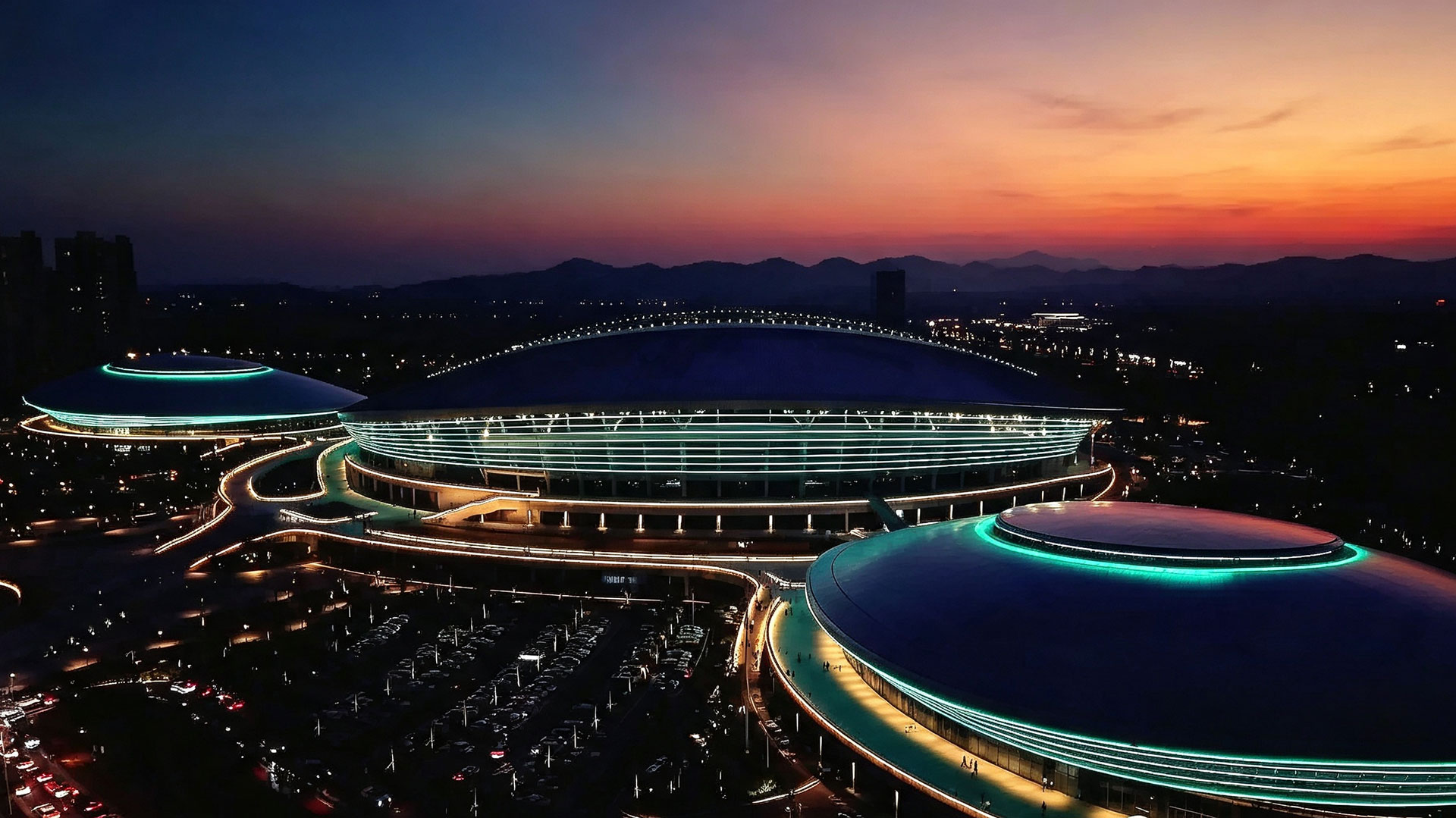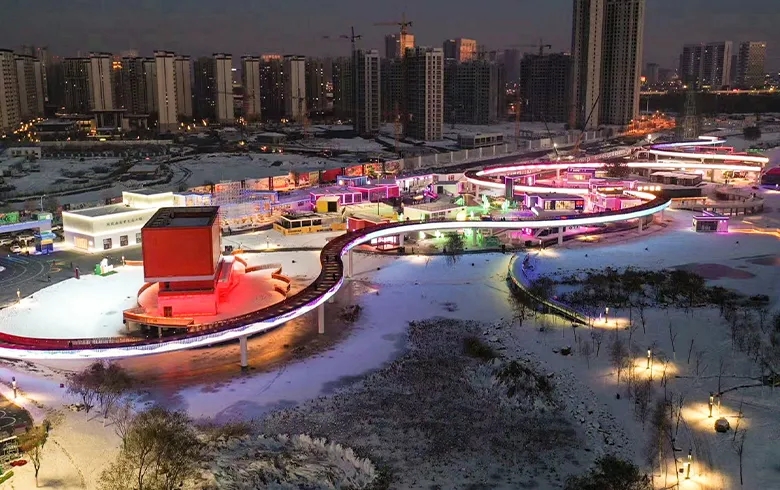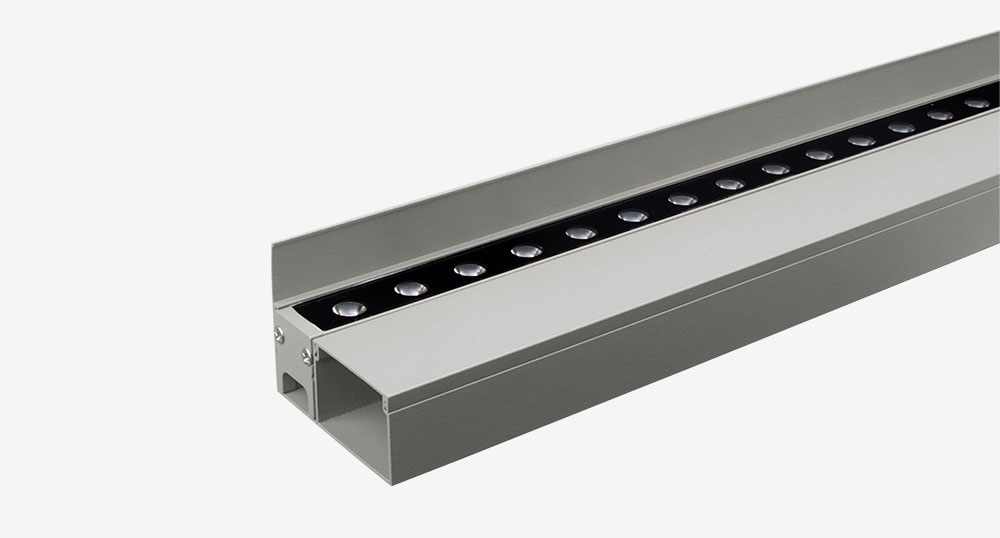


For large municipal, commercial, industrial and landscape outdoor lighting projects, informal product inquiries and simple parameter comparisons are never enough. Standard project execution follows a fixed closed-loop process: Specification → Tender → Supplier Bidding → Technical Evaluation → Project Approval → Construction. A complete, rigorous LED lighting specification is the core foundation to standardize bidding standards, eliminate unqualified suppliers, control project quality and avoid post-construction disputes.
Many engineering and procurement teams fail to write precise outdoor lighting specification documents, resulting in inconsistent product quality, mismatched technical parameters, unqualified on-site effects and increased maintenance costs. This guide systematically sorts out all mandatory modules of a formal lighting procurement specification, covering every core technical indicator required for large outdoor projects, helping engineers and purchasers compile a compliant, professional and tender-ready lighting specification sheet.
A professional LED lighting project specification is not a simple parameter list. It is a binding technical document that defines unified outdoor LED lighting requirements for the entire project. It effectively prevents suppliers from cutting corners with low-cost alternative materials, unifies product performance standards, simplifies supplier technical evaluation, and guarantees the long-term stability and acceptance pass rate of outdoor lighting projects.
For government bidding, large commercial complexes, industrial park renovation and urban nightscape upgrading projects, a complete lighting procurement specification is a necessary prerequisite for formal project launch.
A standard LED lighting specification for large outdoor projects must include 13 core modules, covering electrical performance, optical parameters, structural protection, control system, quality certification and after-sales guarantee. All items are essential evaluation indicators for supplier technical review.
Clarify the rated power, allowable power deviation range and power factor standard of outdoor LED lamps. Large engineering projects require fixed power matching according to lighting calculation data, with a typical power deviation of ≤±5% and power factor ≥0.9. This item avoids low-power shoddy products and ensures consistent overall brightness of the project, which is the basic indicator of standardizedoutdoor lighting specification.
Define initial lumen output, lumen maintenance rate and overall luminous efficiency of lamps. Professional lighting specification sheet needs to specify the lumen attenuation standard (lumen retention ≥90% after 3000 hours) to eliminate low-efficiency light sources. Clear lumen parameters ensure that the actual on-site illuminance meets the design standard and avoids insufficient brightness in the later stage of the project.
Unified color temperature is the key to uniform project lighting effect. The specification must clarify fixed CCT options (3000K/4000K/5000K) and tolerance range (±200K). For building facade and landscape projects, strict color temperature consistency is required to avoid color disorder and messy nightscape tone, which is a key detail of high-standard LED lighting project specification.
Specify the minimum color rendering index of lamps. General outdoor landscape projects require CRI≥80; commercial landmark and cultural tourism projects require CRI≥90. High CRI ensures accurate restoration of building texture and landscape colors, improving the overall grade of nightscape lighting, and is an indispensable part of outdoor LED lighting requirements.
Match professional beam angles according to project scenarios, including narrow beam, medium beam, wide beam, asymmetric beam and professional wall washer beam. The specification needs to clarify optical anti-glare and uniform light distribution requirements, avoid stray light and glare problems, and ensure that the optical effect fully matches the design drawing. Reasonable optical parameter setting is the core of refined lighting procurement specification.
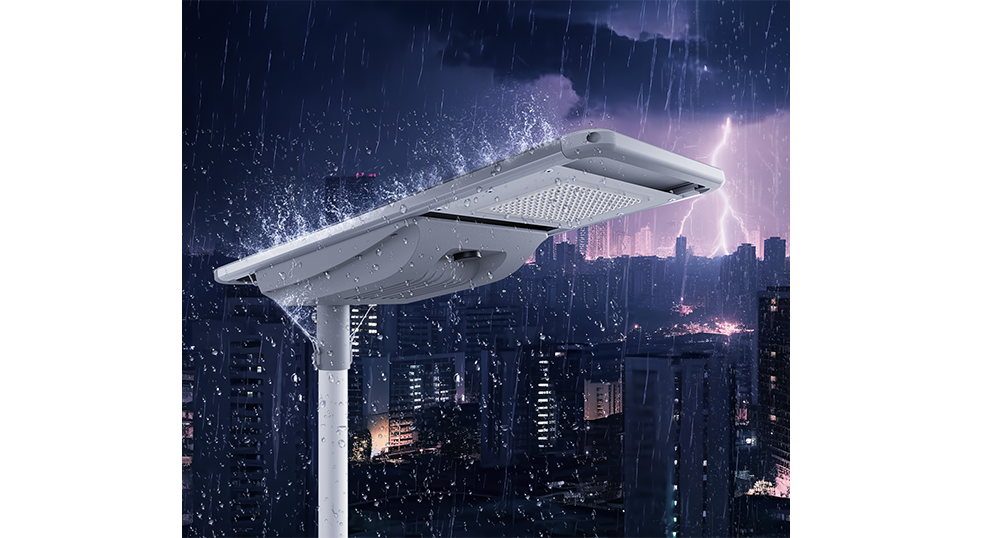
Clearly define the IP dustproof and waterproof grade according to the project environment. Conventional outdoor landscape and road projects adopt IP65; tunnel, underground and waterfront humid environments adopt IP66/IP67. Unified IP standard avoids insufficient waterproof performance leading to water ingress and lamp damage, and standardizes the environmental adaptability of LED lighting specification.
Specify IK anti-impact standards for different scenarios: IK08 for high-altitude installation and building facade lamps; IK10 for public squares, industrial venues and pedestrian-intensive areas. IK grade ensures the mechanical stability of lamps in outdoor complex environments and improves project durability.
For open-air outdoor projects, surge protection level must be clearly specified. General projects require 2KV surge protection; road, bridge and rural unattended projects require 4KV–6KV high-level anti-surge configuration. This indicator effectively prevents lamp damage caused by thunderstorms and voltage fluctuations, and improves long-term operation stability.
Regulate driver type (isolated constant-current driver), voltage adaptation range, over-temperature, over-voltage and short-circuit protection functions. The driver is the core component affecting lamp lifespan, and the specification must prohibit non-isolated low-quality drivers to reduce later maintenance costs, which is a key quality control point in outdoor lighting specification.
Clarify matching control protocols according to project functional requirements, including 0-10V dimming for conventional functional lighting, DALI zoning control for large building lighting, and DMX dynamic control for RGB/RGBW art nightscape. Clear control compatibility standards avoid system mismatch and unable normal debugging after installation.
Specify housing material (thickened die-cast aluminum alloy), surface technology (anti-UV electrostatic spraying), heat dissipation structure and installation accessories standards. Prohibit thin-shell, easy-corrosion and easy-aging inferior structures to ensure long-term structural integrity of lamps in outdoor high-temperature, rainy and salt-spray environments.
Put forward clear certification requirements such as CE, RoHS, LVD and EMC, and require suppliers to provide official test reports and factory qualification certificates. Standard certification is the basic threshold for supplier technical evaluation in large bidding projects, ensuring product compliance and market adaptability.
Specify factory aging test standards, on-site sampling inspection requirements, and unified warranty period (3–5 years for engineering-grade lamps). Clarify after-sales maintenance response speed, replacement mechanism and long-term technical support obligations, which effectively restrain suppliers’ after-sales service and reduce project operation risks.
Technical Item | General Outdoor Standard | High-End Engineering Standard | Specification Purpose |
|---|---|---|---|
Power Deviation | ≤±8% | ≤±5% | Ensure stable overall brightness |
Luminous Efficiency | ≥100lm/W | ≥120lm/W | Energy-saving & high-brightness output |
CRI | Ra≥80 | Ra≥90 | Restore architectural & landscape color |
IP Rating | IP65 | IP66/IP67 | Adapt to harsh outdoor environment |
IK Rating | IK08 | IK10 | Anti-impact & anti-vandalism |
Surge Protection | 2KV | 4KV–6KV | Anti-thunder & anti-voltage surge |
Warranty Period | 3 Years | 5 Years | Guarantee long-term project reliability |
Q1: What is an outdoor lighting specification?
A1: An outdoor lighting specification is a formal technical document that unifies all lamp parameters, performance standards and service requirements for large projects, serving as the core basis for tendering, supplier evaluation and project acceptance.
Q2: Why do large projects need a complete LED lighting specification sheet?
A2: It avoids parameter confusion, inconsistent product quality and supplier cutting corners, standardizes bidding standards, and greatly reduces project rework and maintenance risks, which is essential for formal lighting procurement specification management.
Q3: What core parameters must be included in LED project specification?
A3: Power, lumen, CCT, CRI, beam angle, IP/IK grade, surge protection, driver performance, control mode, certification and warranty are all mandatory outdoor LED lighting requirements.
Q4: How to avoid unqualified suppliers in tendering?
A4: Set clear quantitative technical indicators and certification test requirements in the LED lighting project specification, and eliminate suppliers who cannot meet the standard in technical evaluation.
Q5: Can the same lighting specification be used for all outdoor projects?
A5: No. Different scenarios such as facade, landscape, road, industrial and waterfront projects have different parameter requirements. The LED lighting specification needs to be customized according to project environment and design standards.
A professional lighting procurement specification is the first step to ensure high-quality delivery of large outdoor lighting projects. Comprehensive and quantitative LED lighting specification standards can effectively standardize supplier bidding behavior, unify project technical indicators, avoid quality risks, and lay a solid foundation for project construction, acceptance and long-term stable operation.
As a professional engineering-grade outdoor lighting manufacturer, HIPO Lighting supports one-stop project service including outdoor lighting specification sorting, parameter customization, tender document matching and technical evaluation assistance. We can tailor standardized LED lighting project specification and lighting specification sheet according to your project scenario, budget and design requirements, fully meeting bidding and construction standards.
Need help preparing a project-specific lighting specification? Contact our technical team now to get a customized, tender-ready outdoor LED lighting specification for your project.