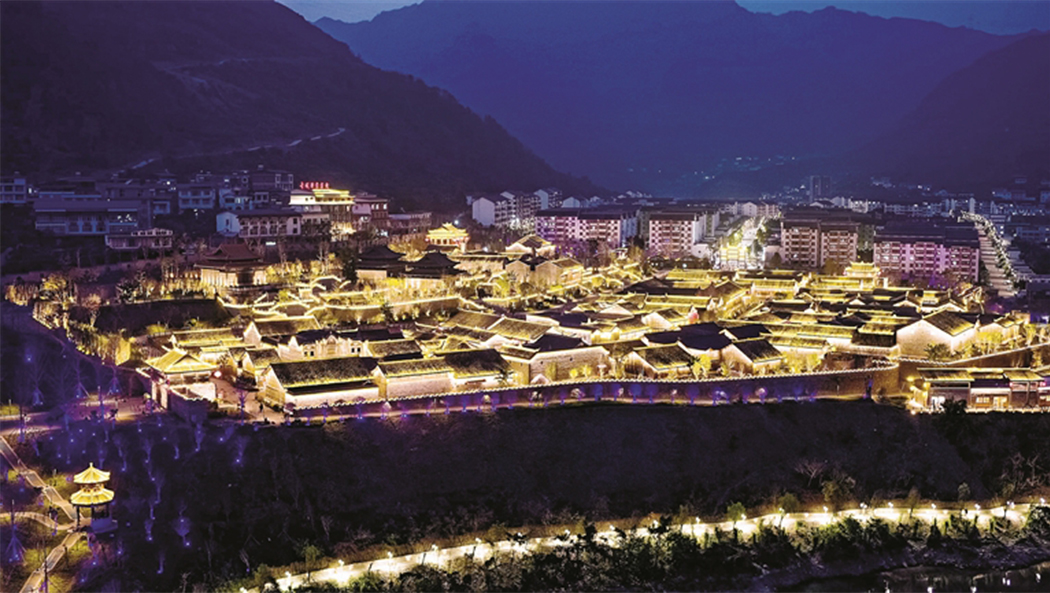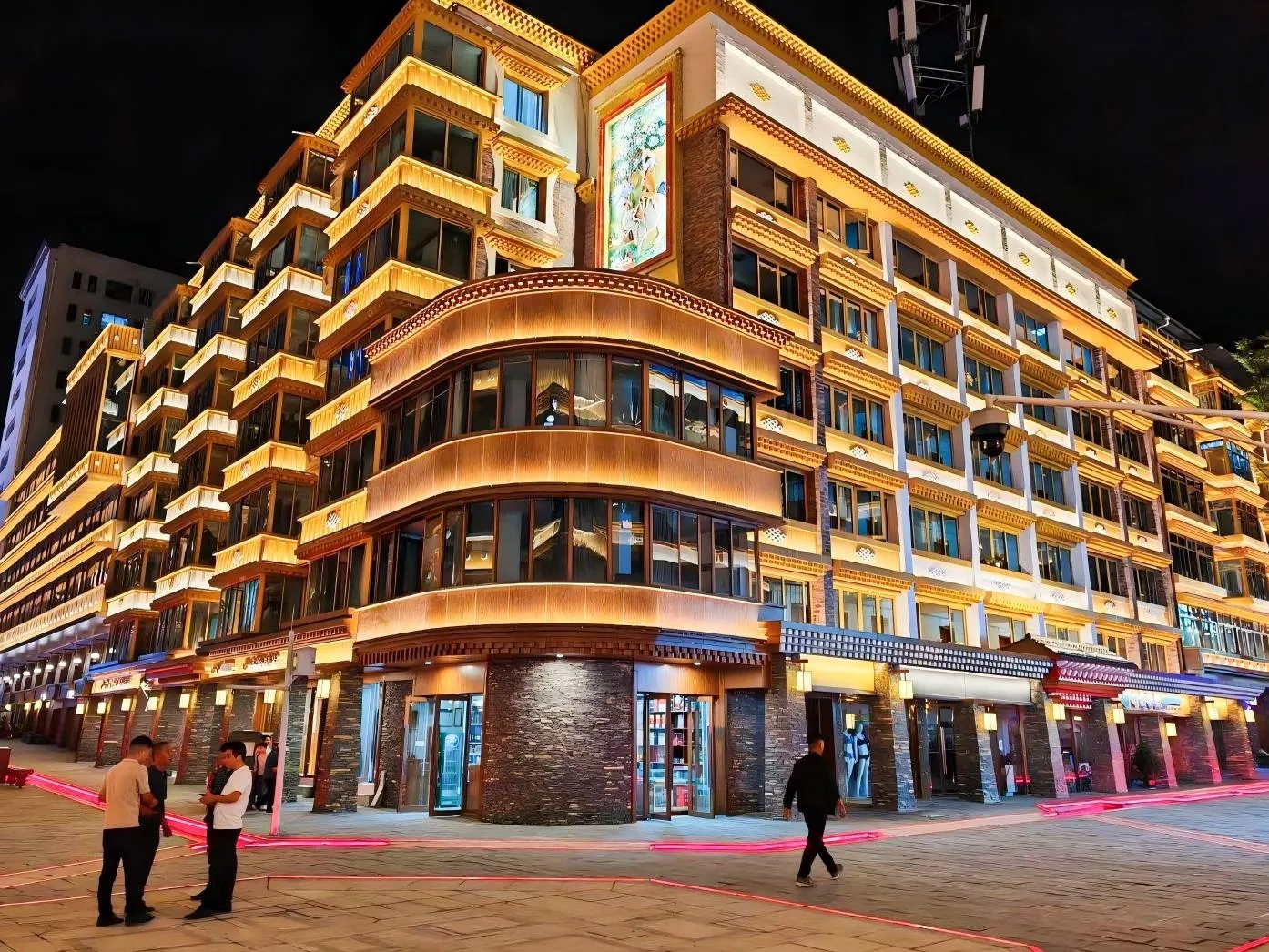


In outdoor architectural lighting, landscape renovation and commercial building projects, designers often face one critical technical decision: Which control protocol should be adopted for the project — DMX, DALI, or 0-10V?
Most introductory articles only explain basic protocol definitions without providing project-based selection standards. However, for architects, engineering contractors and lighting designers, choosing the correctoutdoor lighting control system directly determines lighting effects, system stability, project budget and later maintenance difficulty.
This guide focuses purely on project application scenarios, eliminating empty smart city concepts. It clearly differentiates the applicable boundaries of DMX lighting control, DALI lighting and 0-10V lighting control, helping engineers quickly match the most suitable solution for facade, landscape, road and commercial outdoor lighting projects.
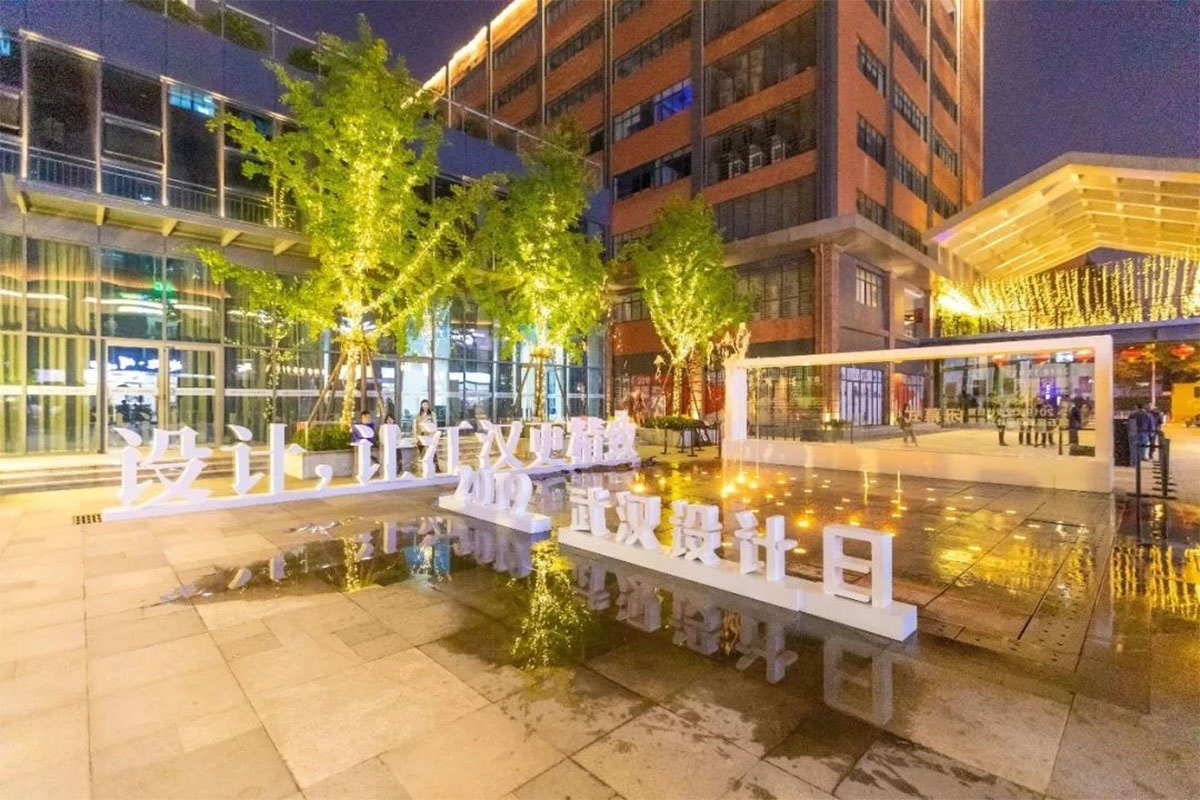
The three mainstream protocols have fixed positioning in outdoor engineering. You can follow this core rule for rapid judgment:
DMX = Dynamic color changing, RGB/RGBW animation, architectural nightscape, artistic landscape lightingDALI = Precise dimming, zoning control, building functional lighting, complex grouped management0-10V = Simple single-color dimming, low-budget, stable basic brightness adjustment
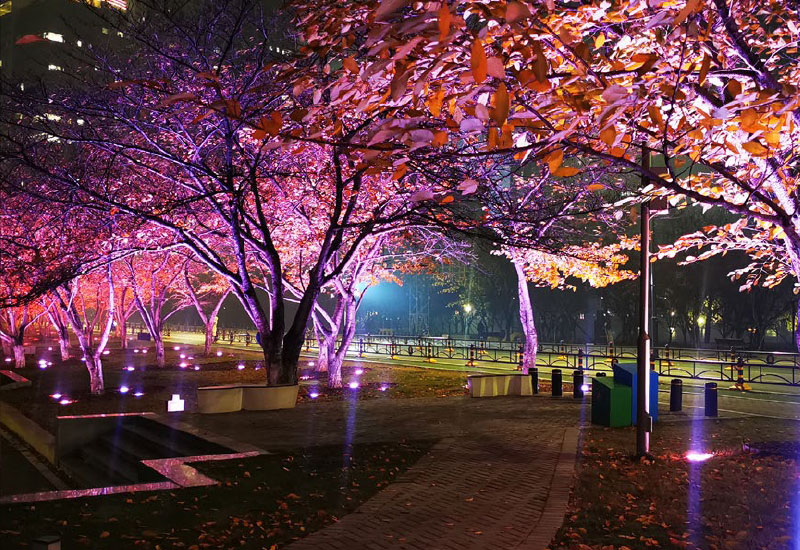
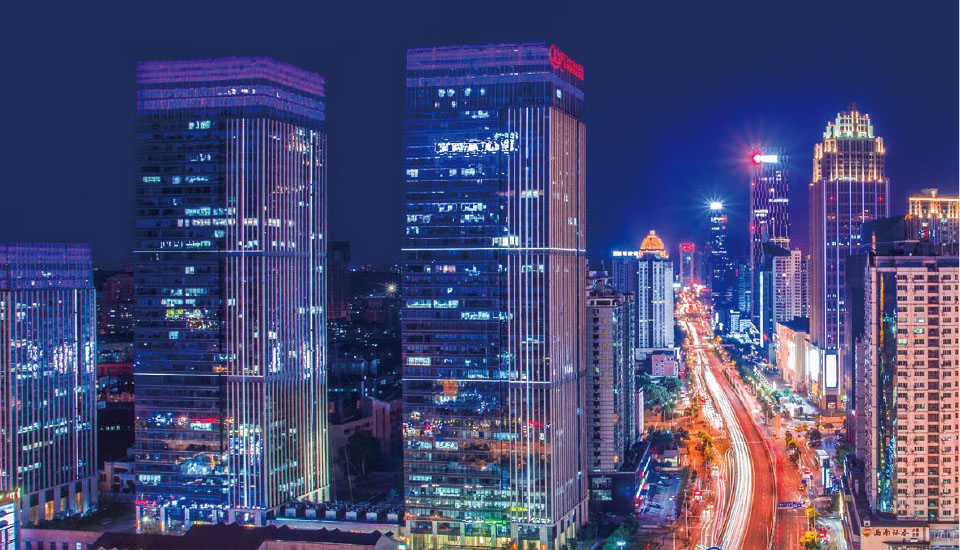
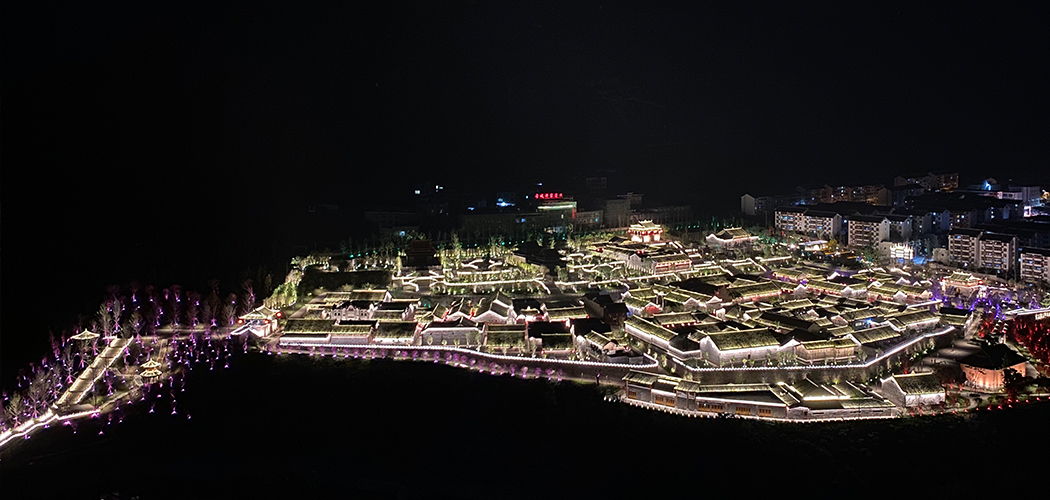
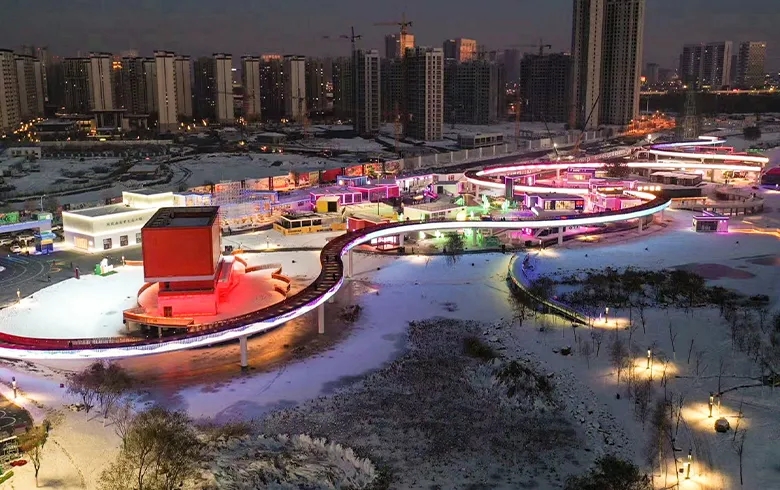
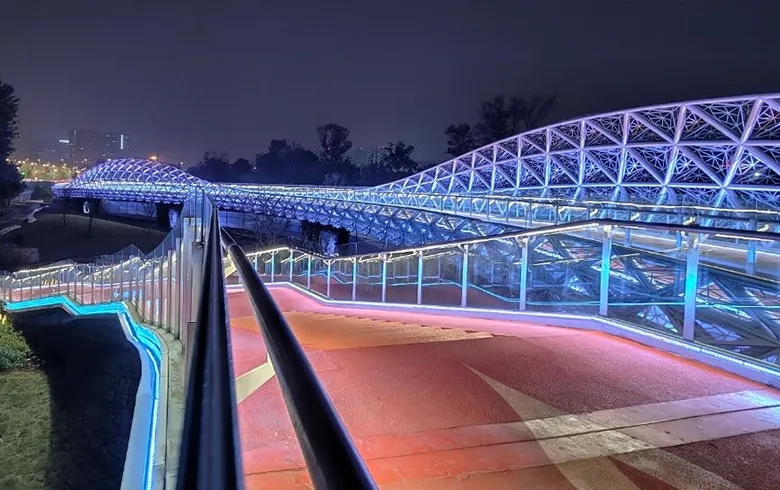
DMX lighting control is the industry standard for dynamic color-changing outdoor lighting systems. Different from simple dimming protocols, DMX supports multi-channel synchronous control, independent pixel programming, gradient jumping, strobing, flowing water and other rich animation effects.
Best application scenarios:
In professional architectural lighting control projects that require layered rhythm and artistic expression, DMX is irreplaceable. It supports offline programming, synchronous linkage and large-scale expanded control, which fully meets the high-standard effect requirements of urban nightscape upgrading projects.
Limitations: DMX system requires professional programming and on-site debugging, relatively higher technical threshold, mainly used for effect-oriented lighting projects rather than simple functional lighting.
DALI lighting is a digital addressable dimming system, focusing on precise single-lamp control, partition grouping and intelligent timing management. Unlike DMX’s strength in dynamic colors, DALI excels in refined brightness management and system-level intelligent scheduling.
Best application scenarios:
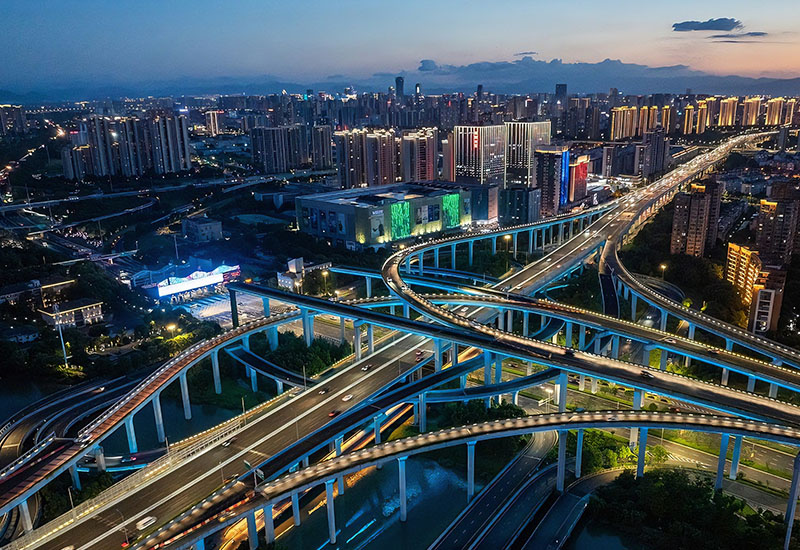
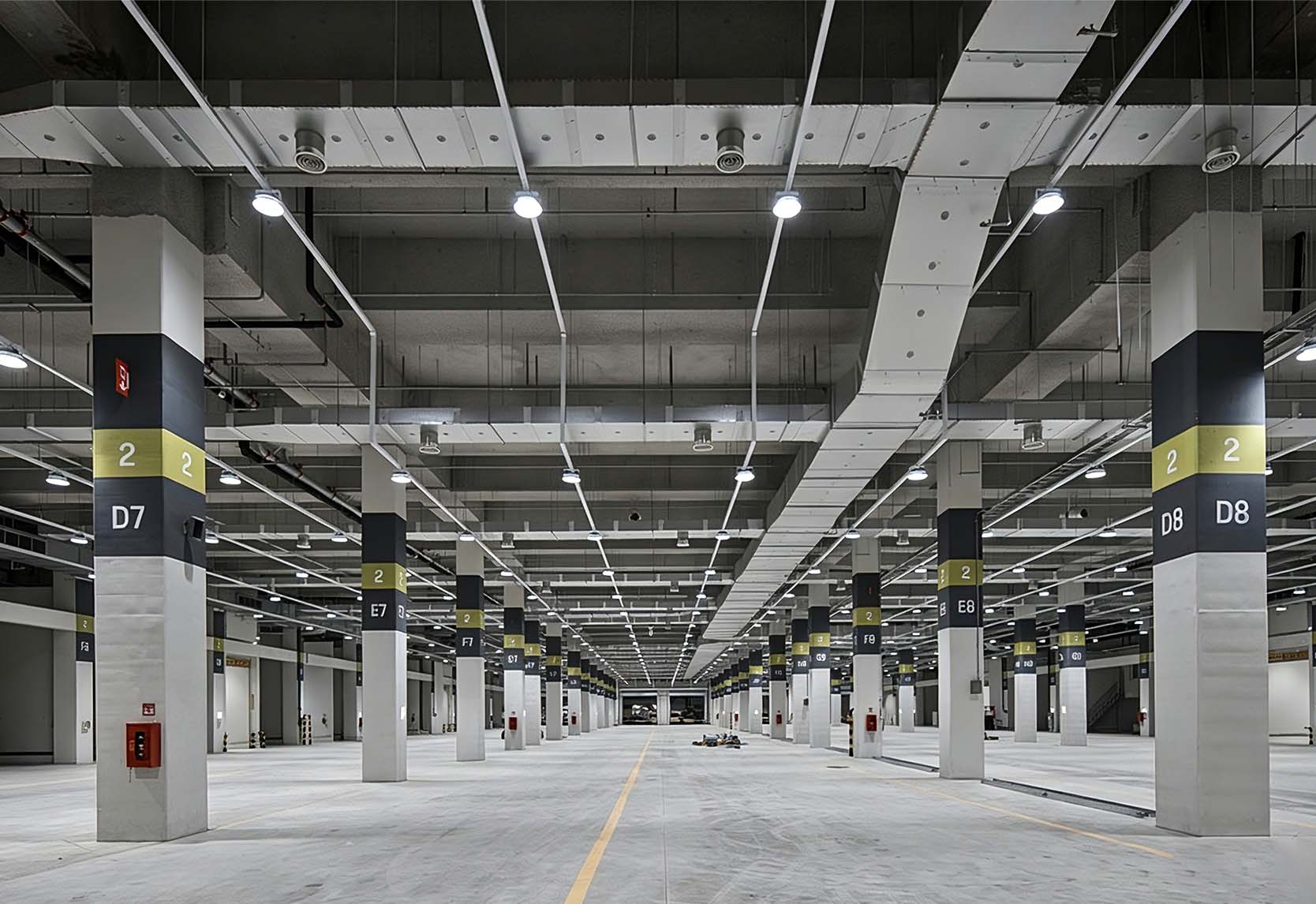
DALI can divide massive outdoor lamps into multiple groups, realizing independent dimming, timing switch and fault feedback for each zone. It is the most stable smart outdoor lighting control solution for large-scale fixed-tone building lighting projects.
Limitations: DALI cannot support complex color animation effects, so it is not suitable for RGB dynamic landscape nightscape projects.
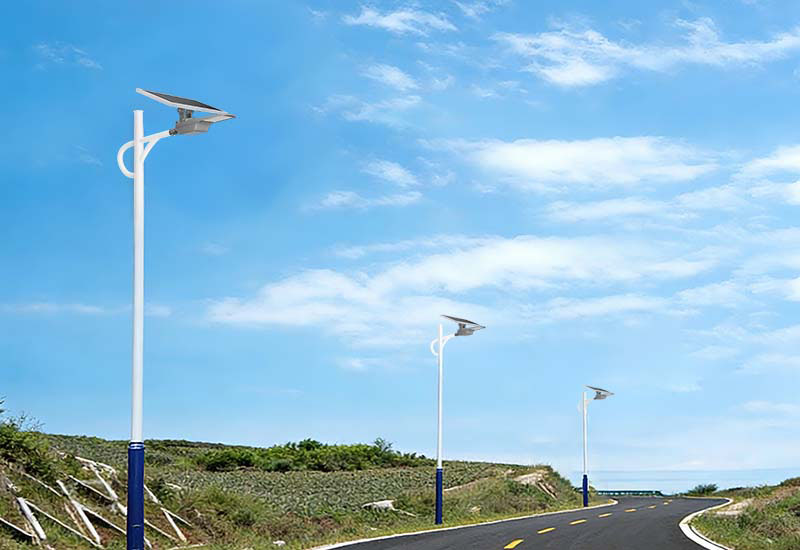
0-10V lighting control is the most traditional analog dimming protocol with simple wiring, low cost and high compatibility. It only realizes overall brightness adjustment without complex grouping and programming functions.
Best application scenarios:
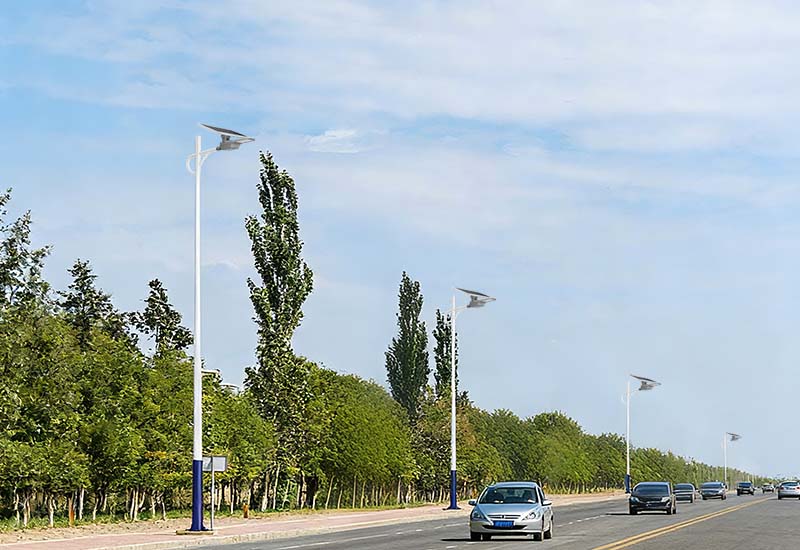
0-10V system features simple construction, strong stability and low failure rate, fully meeting the basic dimming needs of conventional outdoor lighting. It is the most cost-effective choice for non-artistic functional lighting projects.
Limitations: No single-lamp addressing, no independent zoning, no dynamic color effects, only overall brightness adjustment.
Control Protocol | Core Function | Best Project Type | Color Effect | Control Precision | Typical Application |
|---|---|---|---|---|---|
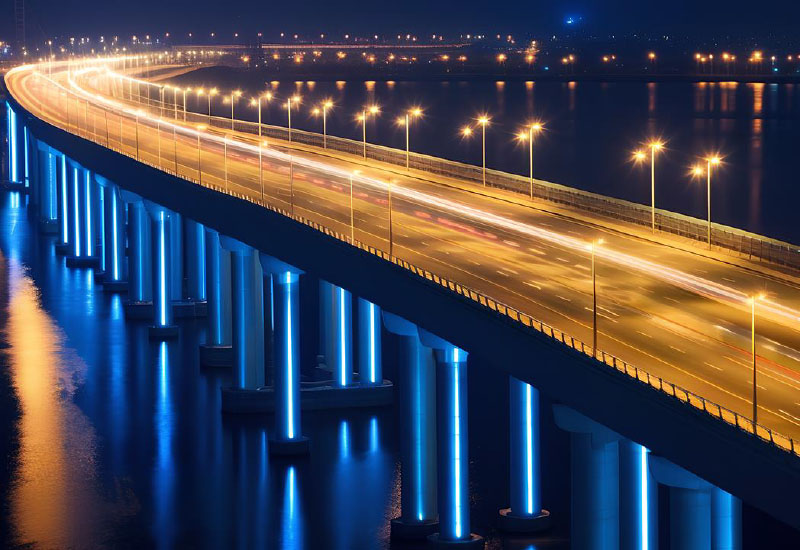
DMX | Dynamic programming, color animation, pixel synchronization | Artistic & landscape-oriented projects | RGB / RGBW full color dynamic | High (single pixel programmable) | Building facade, bridge, tourism nightscape |
DALI | Digital zoning, precise dimming, grouped management | Large building functional lighting | Single-color static dimming | Ultra-high (single lamp addressable) | Commercial building exterior, large-area facade |
0-10V | Analog overall dimming & switch control | Conventional functional outdoor lighting | Single-color static brightness adjustment | General (no individual control) | Road, park, industrial outdoor lighting |
Choose DMX if your project requires dynamic color changes, flowing light effects, artistic nightscape display, or RGB/RGBW architectural landscape lighting.
Choose DALI if your project focuses on building exterior functional lighting, needs partition management, precise dimming and intelligent grouped control for large-area fixed-tone lighting.
Choose 0-10V if your project only needs simple brightness adjustment, pursues stable operation and low cost, and does not require complex intelligent grouping and dynamic effects.
Q1: What is the main difference between DMX, DALI and 0-10V?
A1: DMX focuses on dynamic color animation; DALI focuses on precise digital zoning dimming; 0-10V is basic analog overall dimming. This is the core standard for DMX vs DALI vs 0-10V project selection.
Q2: Which control system is best for building facade lighting?
A2: Dynamic RGB facade projects choose DMX lighting control; static single-color high-end building lighting chooses DALI lighting for more precise zoning management.
Q3: Is DALI better than 0-10V for outdoor lighting?
A3: Not necessarily. DALI has higher precision and more functions but higher cost. 0-10V lighting control is more cost-effective and stable for ordinary functional outdoor lighting.
Q4: Can DMX systems be used for road lighting?
A4: No. Road lighting only requires simple dimming, and DMX’s dynamic functions are redundant. Roads usually adopt 0-10V or basic intelligent timing outdoor lighting control system.
Q5: Which system is suitable for large commercial complex outdoor lighting?
A5: Mixed configuration is recommended. Use DMX for landmark dynamic landscape parts and DALI for conventional building exterior functional lighting to balance effect and management efficiency.
The selection of outdoor lighting control system does not depend on which protocol is more advanced, but on the actual project positioning: artistic effect projects matchDMX lighting control, refined building functional lighting matches DALI lighting, and conventional basic lighting matches cost-effective0-10V lighting control. Accurate protocol matching can avoid over-design, insufficient functions and unstable system operation.
HIPO Lighting supports full-series smart outdoor lighting control solutions including DMX dynamic programming systems, DALI digital dimming systems and 0-10V analog dimming systems. We provide targeted architectural lighting control configuration suggestions and one-stop system matching services for different facade, landscape and commercial outdoor projects.
If you need protocol selection consultation, system scheme design and customized control configuration for your lighting project, welcome to contact our technical team to obtain professional engineering matching solutions.