

For project purchasers, engineering managers and operation teams, the core evaluation standard for outdoor LED lighting is no longer simply power or brightness parameters. The most critical concern is actual outdoor LED lighting lifespan, long-term stability, and future LED lighting maintenance costs.
Many low-cost outdoor LED lights look identical in specifications but fail rapidly after 1–2 years of field operation, suffering from light decay, dead lamps, driver burnout and water ingress. The true LED lighting lifetime depends on seven core engineering layers: LED chip quality, LED driver performance, thermal management system, housing structure, waterproof design, surge protection and factory aging testing. This article explains how professional buyers evaluate outdoor LED light durability and judge real outdoor lighting reliability before bulk procurement.
The LED chip determines the theoretical outdoor LED lighting lifespan. Low-grade generic chips suffer severe light attenuation under long-term high-temperature outdoor operation, resulting in dim brightness within 1–2 years. High-quality commercial-grade chips feature stable luminous efficiency, low heat generation and anti-light-decay performance.
For outdoor projects exposed to long-term sunlight, high temperature and rainy weather, professional-grade chips ensure continuous stable output and extend overall LED lighting lifetime. This is the first and most fundamental standard for judging outdoor LED light durability.
In actual outdoor engineering failure statistics, over 70% of lamp damage comes from power driver burnout, not LED chips. Therefore, evaluating LED driver lifespan is the most critical step for purchasers.
Ordinary non-isolated drivers cannot withstand outdoor voltage fluctuations, thunderstorm surges and long-term high-load operation, leading to easy burnout. High-quality constant-current isolated drivers support wide voltage adaptation, constant current output and over-temperature protection, greatly improving outdoor lighting reliability. Stable drivers directly reduce later LED lighting maintenance frequency and project after-sales cost.
High temperature is the biggest killer of outdoor LED lights. Continuous outdoor high-temperature exposure plus lamp self-heating will rapidly accelerate chip aging and driver attenuation. Professional LED thermal management design is the core engineering technology to guarantee long outdoor LED lighting lifespan.
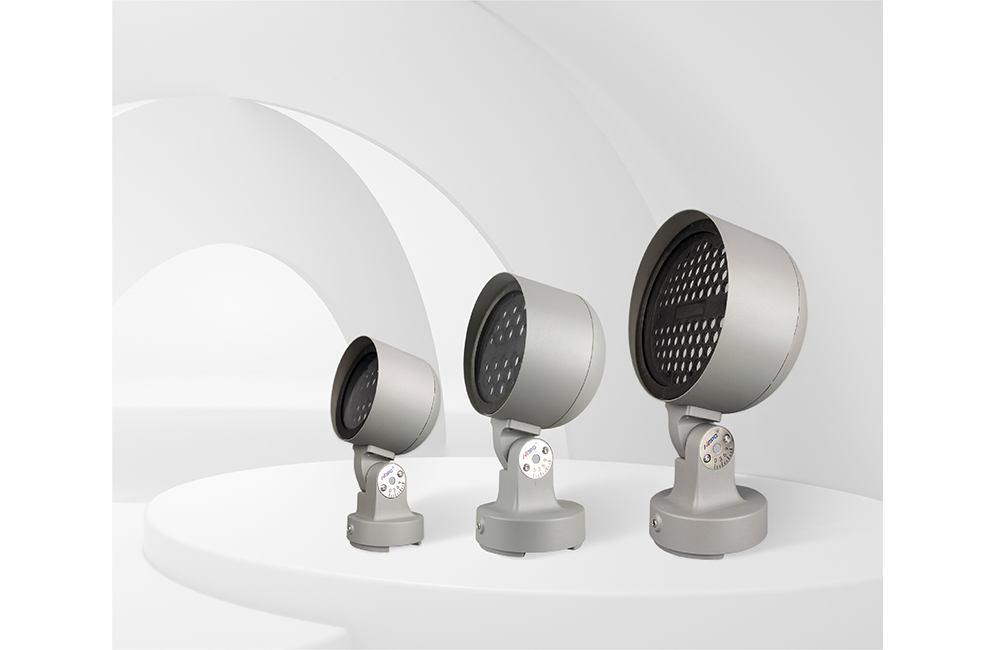
High-reliability outdoor lighting adopts integrated die-casting aluminum heat sinks and multi-channel convection heat dissipation structures, which quickly export internal heat, keep the lamp working temperature within a safe range, and avoid luminous decay and component aging caused by heat accumulation. Excellent LED thermal management enables lamps to maintain stable performance for 5–8 years of outdoor continuous operation.
Outdoor lighting faces extreme environments such as ultraviolet radiation, rain erosion, salt spray and dust accumulation. Inferior plastic or thin aluminum housings are prone to aging, fading, cracking and deformation, destroying internal structural stability.
Engineering-grade lamp housings adopt thickened aluminum alloy and anti-UV surface spraying technology, effectively resisting outdoor oxidation and corrosion. A rigid housing structure ensures long-term structural integrity and lays a stable foundation for continuousoutdoor LED light durability.
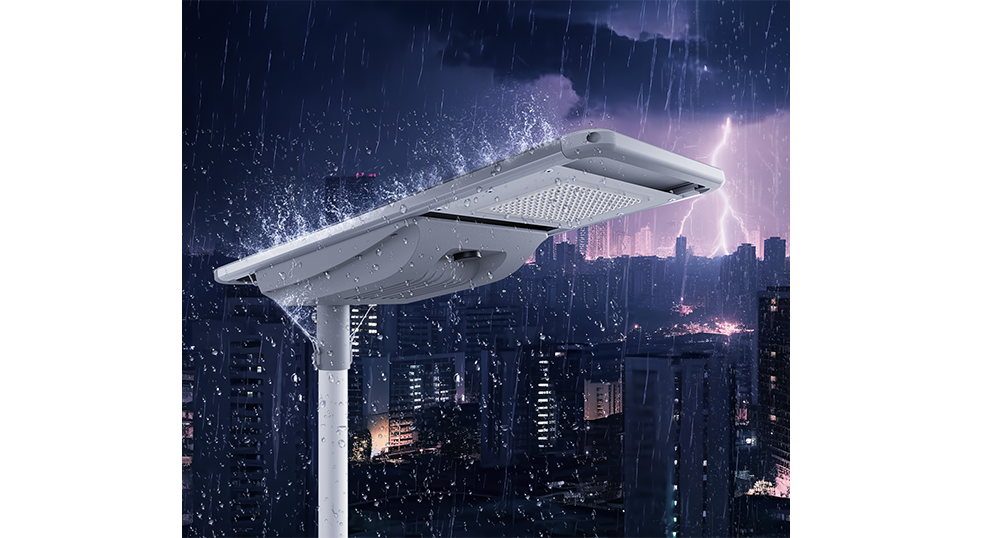
Waterproof performance directly determines the survival rate of lamps in humid, rainy and waterfront environments. Poor sealing causes internal condensation, water ingress and mildew, resulting in short circuit and lamp death.
Reliable outdoor lighting reliability requires standard IP65/IP66 fully sealed structure plus waterproof breathable valves to balance internal and external air pressure, solve condensation problems fundamentally, and ensure that the lamp interior remains dry for many years, greatly reducing later LED lighting maintenance pressure.
Open-air roads, bridges, industrial parks and rural areas lack stable power grid protection. Thunderstorm surges and instantaneous voltage spikes easily break ordinary lamps. Professional outdoor LED lights are built-in high-level surge protection devices, which can resist common lightning induction and voltage impact, effectively protecting chips and drivers from instantaneous damage.
For long-distance unattended outdoor projects, surge protection is an indispensable configuration to stabilize LED driver lifespan and overall system reliability.
Parameter advantages on paper cannot represent actual field performance. Real outdoor LED lighting lifespan must be verified through long-term aging tests. Many low-cost manufacturers skip aging tests, resulting in mass failures after project delivery.
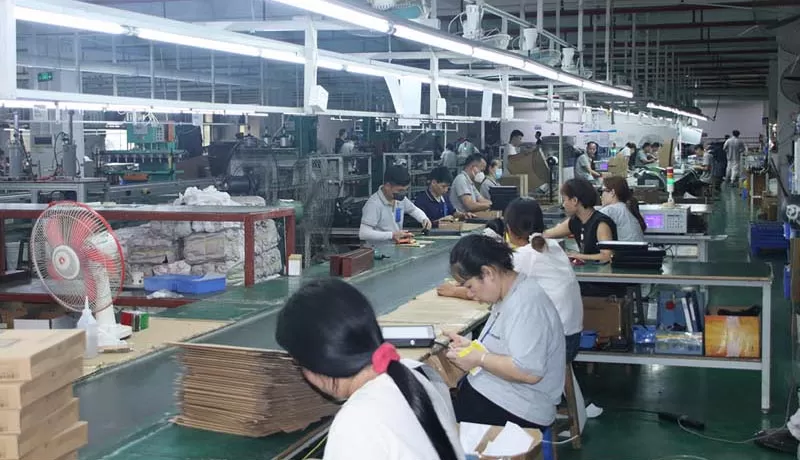
HIPO Lighting implements full-load long-term aging testing for all outdoor lamps, simulating high temperature, continuous lighting and voltage fluctuation environments. This strict QC screening eliminates unstable defective products in advance, ensuring that each batch of delivered lamps meets long-term outdoor LED light durability standards.
Core Component | Main Failure Risk | High-Reliability Standard | Benefit for Projects |
|---|---|---|---|
LED Chip | Fast light decay, dim brightness | High-efficiency low-attenuation commercial chip | Stable brightness for many years |
LED Driver | Burnout, no power on | Isolated constant-current driver + surge protection | Extend LED driver lifespan |
Heat Sink | High temperature aging | Integrated aluminum thermal dissipation structure | Stable LED thermal management |
Housing | UV aging, corrosion | Thick alloy + anti-UV coating | Long-term structural stability |
Waterproof System | Condensation & water ingress | IP66 sealed + breathable valve | Reduce LED lighting maintenance |
Surge Protection | Lightning & voltage shock damage | Built-in high-level anti-surge module | Improve outdoor lighting reliability |
Aging Test | Hidden unstable defects | Full-load long-term aging screening | Guarantee real outdoor LED lighting lifespan |
For engineering procurement, focusing only on unit price will lead to extremely high later-stage replacement and maintenance costs. A lamp with excellent outdoor LED light durability has a higher initial cost but can maintain stable operation for 5–8 years or longer, greatly reducing project rework, replacement labor cost and after-sales troubles.
Scientific evaluation of LED lighting lifetime through chips, drivers, heat dissipation and testing is the most cost-effective procurement strategy for large-scale municipal, industrial and landscape lighting projects.
Q1: What is the main reason for short outdoor LED light lifespan?
A1:The top three reasons are poor LED thermal management, inferior LED driver lifespan, and insufficient waterproof sealing, which cause accelerated aging and failure.
Q2: How to judge durable outdoor LED lights before purchasing?
A2:Check chip grade, isolated driver structure, heat sink design, IP rating, surge protection configuration and factory aging test records to comprehensively verify outdoor LED light durability.
Q3: Does heat dissipation directly affect LED lighting lifetime?
A3:Yes. Poor heat accumulation will rapidly attenuate LED brightness and burn out drivers. Good LED thermal management is the core guarantee of longoutdoor LED lighting lifespan.
Q4: Why do many cheap LED lights fail in one year?
A4:They adopt generic chips, non-isolated drivers, thin heat sinks and no aging tests, resulting in extremely poor outdoor lighting reliability and high failure rate.
Q5: How to reduce outdoor LED lighting maintenance work?
A5:Select engineering-grade lamps with complete protection structures, excellent heat dissipation and strict factory testing to improve overall durability and cut down LED lighting maintenance frequency.
Real outdoor LED lighting lifespan is not marked by nominal parameters, but determined by full-chain engineering design including LED chips, high-quality LED driver lifespan, professional LED thermal management, structural waterproofing, surge protection and standardized aging testing. Only comprehensive high-reliability configuration can achieve long-term stable operation and low LED lighting maintenance costs for outdoor projects.
HIPO Lighting strictly controls every link of product R&D and manufacturing. All outdoor lamps adopt engineering-grade chips, isolated drivers, high-efficiency heat dissipation systems and full aging tests, providing clients with high outdoor LED light durability and reliable outdoor lighting reliability for global engineering projects.
If you need durable long-lifespan outdoor LED lighting solutions and stable bulk project procurement support, welcome to contact our team to obtain professional engineering-grade product configuration.