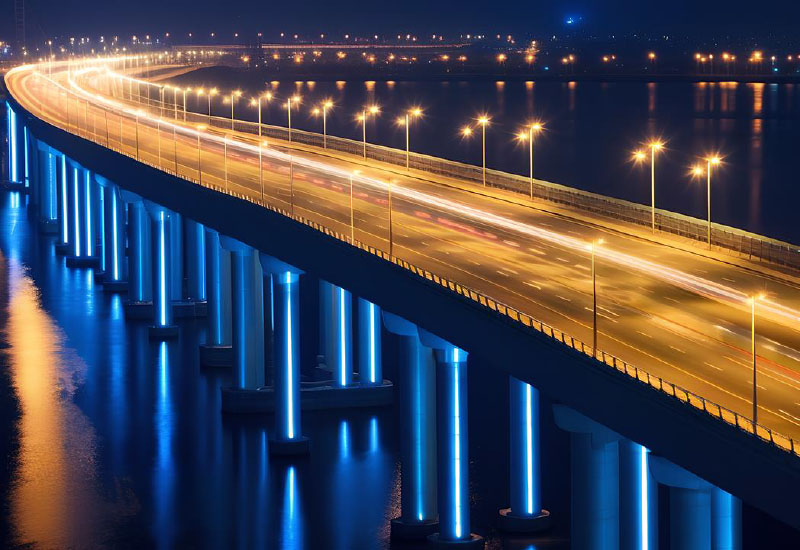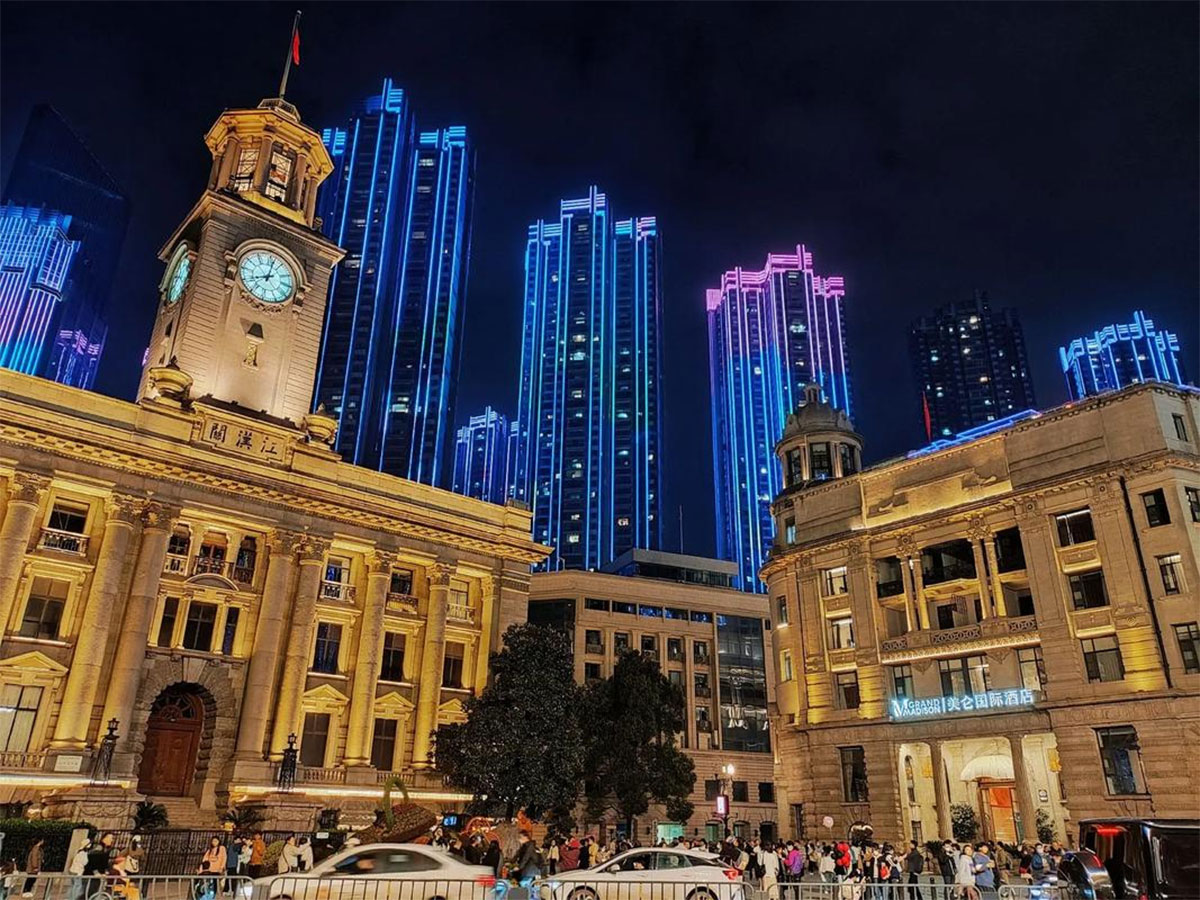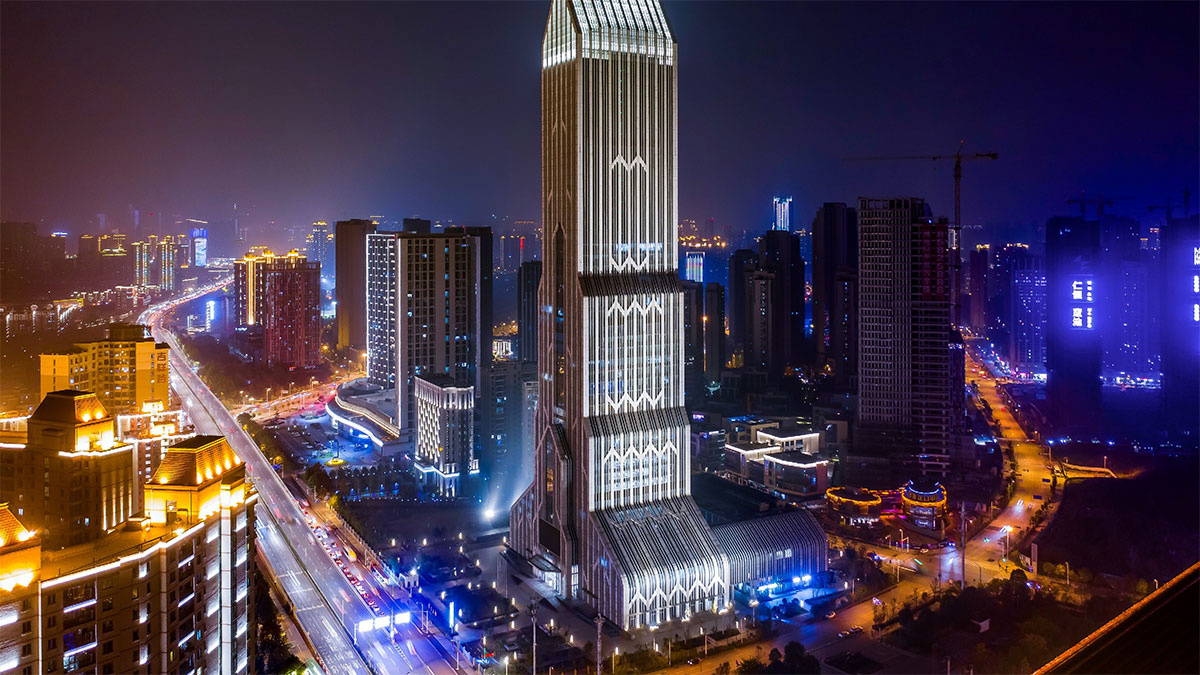


Coastal lighting projects require more than weather-resistant fixtures. Outdoor LED luminaires installed near the sea may be exposed to airborne salt, high humidity, wind-driven rain, strong sunlight and repeated wet-dry cycles. These conditions can accelerate corrosion, damage protective coatings and affect exposed metal components, electrical connections and sealing systems.
For architects, lighting designers, municipal project managers, contractors and lighting distributors, selecting the right coastal outdoor lighting means evaluating the complete fixture rather than relying on a single specification such as IP66, IP67 or a claimed marine-grade finish.
This guide explains how to assess coastal exposure, compare luminaire materials, review salt spray test reports and prepare project-specific corrosion protection requirements for seaside buildings, waterfront landscapes, marinas and other outdoor environments.
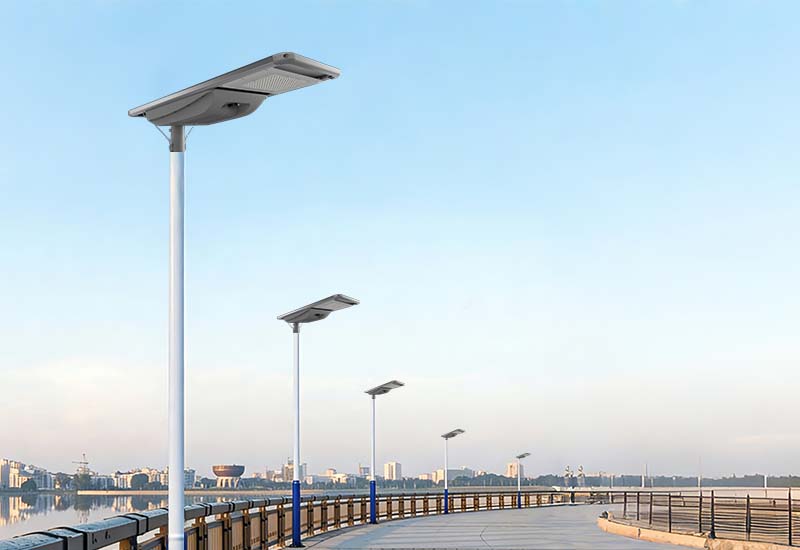
Salt exposure creates a different challenge from ordinary outdoor weathering. Salt particles can accumulate on fixture housings, fasteners, brackets and cable connections. When moisture is present, these deposits can contribute to corrosion and deterioration of protective surfaces.
Several environmental factors should be considered during product selection.
Salt deposition: Wind carries salt particles inland from the sea. The amount deposited on a fixture depends on its location, exposure to prevailing winds, surrounding structures and proximity to breaking waves.
Humidity and wet-dry cycles: Moisture can remain on surfaces after sea fog, rain or condensation. Repeated wetting and drying may concentrate salt deposits and increase corrosion risk.
UV exposure and temperature changes: Outdoor sunlight and temperature fluctuations can affect coatings, polymers, gaskets and cable materials over time.
Direct seawater splash: Fixtures near wave splash zones, seawalls or exposed marina structures may face more aggressive conditions than luminaires installed on sheltered coastal buildings.
Electrical connection exposure: Cable glands, terminals, fasteners and enclosure joints may become vulnerable if protective coatings are damaged or sealing components are incorrectly installed.
The actual risk depends on the combination of environmental exposure, fixture construction, material compatibility, protective treatment and maintenance. Two projects located in the same coastal region may therefore require different lighting specifications.
Before specifying a coastal LED luminaire, project teams should evaluate the installation environment rather than assigning the same corrosion requirement to every seaside application.
Fixtures mounted on sheltered building facades may experience airborne salt, humidity and wind-driven rain without regular direct seawater splash. Material selection and coating performance should reflect the actual exposure of each installation position.
Pathway lights, lawn lights, inground lights and landscape spotlights may be exposed to salt deposits, irrigation water, standing moisture and frequent cleaning. Drainage, surface protection and the accessibility of maintenance points are important considerations.
Fixtures installed near breaking waves or in locations with regular seawater splash require particular attention to exposed metal parts, fasteners, cable entries and protective coatings. Product suitability should be supported by relevant technical documentation for the intended environment.
Underwater luminaires have different exposure conditions from ordinary above-ground outdoor lights. In addition to corrosion resistance, designers must verify the fixture's intended immersion conditions, cable-entry design, installation depth and applicable ingress protection requirements.
ISO 12944 provides a framework for classifying atmospheric corrosivity and specifying protective paint systems for steel structures. Its categories can help inform project discussions, but they should not automatically be treated as universal product certifications for every LED luminaire or housing material.
For a coastal lighting project, confirm the applicable standard, exposure category, substrate, coating system and acceptance criteria with the project engineer and coating supplier. Do not assume that every coastal site automatically requires the same classification.
Material selection affects corrosion resistance, structural strength, weight, appearance, cost and maintenance. No single material is the best choice for every coastal lighting application.
| Material or component | Key considerations | Typical applications and limitations |
|---|---|---|
| Die-cast aluminum alloy | Lightweight and suitable for complex luminaire housings; performance depends on alloy, surface preparation, coating and design details | Commonly used for architectural floodlights, wall washers and linear luminaires when the protective system is appropriate |
| 316 stainless steel | Often selected for demanding chloride-exposure conditions, but performance depends on grade verification, fabrication, crevices and maintenance | Fasteners, brackets and selected decorative or exposed components |
| 304 stainless steel | May be suitable for less aggressive environments, depending on actual exposure and design | Sheltered coastal applications; evaluate carefully before use in frequent salt-splash areas |
| Brass or copper | Offers distinctive appearance and can develop a natural patina; surface appearance changes over time | Decorative landscape and architectural applications where the finish is part of the design |
| Gaskets, cable glands and fasteners | Must be compatible with the housing, cable, coating system and environmental conditions | Critical interfaces that can affect the long-term reliability of the complete fixture |
Coated aluminum can be a practical option for many coastal architectural lighting projects because it combines relatively low weight with design flexibility. However, suitability depends on more than the base material.
Project teams should verify:
The specified aluminum alloy and surface preparation process.
The coating type and its intended exposure conditions.
Coating adhesion and thickness requirements.
Protection of edges, joints, mounting points and machined surfaces.
Compatibility between the housing, fasteners and other metal components.
Relevant test evidence for the proposed coating system.
A generic statement such as “standard powder coating” does not provide enough information for a demanding coastal project. The required coating system and acceptance criteria should be documented in the procurement specification.
When dissimilar metals are electrically connected in the presence of an electrolyte, galvanic corrosion may occur. The risk depends on the metal combination, electrical contact, exposed surface areas and environmental conditions.
For example, project teams should review the interfaces between aluminum housings, stainless steel fasteners and mounting brackets. Appropriate material selection, isolation components and installation methods can help manage this risk.
Salt spray testing is one tool for evaluating the corrosion performance of metals and protective coatings. However, a test result should be interpreted in the context of the tested sample, coating system and intended application.
ISO 9227 describes salt spray testing methods, including neutral salt spray testing. ASTM B117 is another widely used standard for salt spray testing. Neither a test-hour figure nor the name of a standard, by itself, proves that a complete luminaire will provide a particular service life in a coastal environment.
When evaluating a supplier, request the following information where applicable.
Check the stated standard and version, test method, exposure duration, sample preparation and evaluation procedure. Confirm that the method is appropriate for the material or protective coating under review.
Verify the product model, substrate, coating type and sample configuration. A report for a coated metal panel does not automatically demonstrate the performance of a complete luminaire with joints, fasteners, cable glands and assembled components.
Review how the test results were assessed. Depending on the applicable specification, relevant observations may include corrosion, blistering, coating degradation, adhesion changes or damage around cut edges and scribed areas.
The acceptance criteria should be agreed in advance rather than selected after the test is completed.
Check the report date, laboratory details, sample identification and any available accreditation information. Where the project requires independent verification, confirm that the testing arrangements satisfy the procurement requirements.
Confirm that the tested configuration matches the product being quoted or supplied. Changes in coating, substrate, fasteners, manufacturing process or surface preparation may affect performance.
Salt spray testing can provide useful comparative evidence under controlled conditions. It should not be interpreted as a direct conversion between laboratory hours and years of outdoor service.
For higher-risk coastal projects, test results should be reviewed alongside material specifications, coating documentation, product design, relevant environmental exposure data and the manufacturer's maintenance recommendations.
A well-prepared specification helps designers, contractors, procurement managers and suppliers evaluate the same technical requirements.
The following checklist can be adapted to a coastal outdoor lighting tender.
| Specification item | What the project team should define |
|---|---|
| Installation environment | Sheltered facade, exposed waterfront, marina, splash zone, landscape area or underwater application |
| Corrosion protection | Applicable environmental classification, material requirements and protective system |
| Housing material | Material grade or alloy, relevant component details and verification requirements |
| Protective coating | Coating type, surface preparation, required thickness, adhesion and acceptance criteria where applicable |
| Fasteners and brackets | Material grade, compatibility with the housing and protection against galvanic corrosion |
| Sealing components | Suitable gasket, cable-entry and joint design for the intended environment |
| Ingress protection | IP requirement based on water, dust and installation exposure |
| Electrical protection | Applicable electrical safety, surge protection and grounding requirements |
| Salt spray documentation | Test standard, sample identification, exposure duration, evaluation method and acceptance criteria |
| Product traceability | Model number, material and coating configuration, batch identification and inspection records |
| Maintenance | Inspection access, cleaning method, replacement parts and recommended inspection intervals |
| Warranty and support | Written warranty terms, exclusions, technical documentation and after-sales arrangements |
The specification should distinguish mandatory requirements from preferred options. This helps avoid both under-specification and unnecessary cost.
For example, a sheltered coastal facade and an exposed pier may use similar fixture types but require different protective details. The specification should reflect the actual installation environment rather than applying the most demanding requirement to every luminaire without assessment.
Even an appropriately selected luminaire can be affected by poor installation or inadequate maintenance. Coastal lighting projects should include practical procedures for protecting the fixture after delivery.
Use installation details that allow water to drain away from the fixture, mounting base and cable-entry points. Avoid creating pockets where water and salt deposits can remain for extended periods.
Handling, drilling, cutting or installation work can damage protective coatings. Follow the manufacturer's approved repair procedures and avoid leaving exposed substrate surfaces without suitable protection.
Confirm that cable glands, seals and connectors are suitable for the specified installation environment. Any field modifications should follow the manufacturer's instructions and the applicable electrical requirements.
Cleaning frequency should reflect the site's salt exposure, weather conditions, accessibility and manufacturer's guidance. Projects exposed to regular sea spray may require more frequent inspection than sheltered coastal installations.
Maintenance procedures should specify suitable cleaning materials, safe access arrangements and inspection points. Avoid unapproved chemicals or abrasive cleaning methods that could damage the protective finish.
Record the installed product model, coating specification, test documentation, inspection results and any repairs. This information helps facility managers identify recurring issues and plan maintenance or replacement work more effectively.
Not by itself. IP ratings describe protection against the ingress of solids and water under specified test conditions. They do not independently establish resistance to salt-induced corrosion. Coastal lighting specifications should address ingress protection and corrosion resistance as separate requirements.
No single corrosion category should be assigned automatically to every coastal project. The appropriate classification depends on the actual environment, the applicable standard and the protective system being specified. Project teams should confirm the relevant requirements with the project engineer and coating specialist.
Not necessarily. Grade 316 stainless steel is often considered for chloride-exposed applications, but suitability also depends on the installation environment, fabrication, crevices, surface condition and maintenance. Coated aluminum may be appropriate for many architectural luminaires when its protective system has been properly selected and verified.
Review the test standard, method, duration, sample identification, substrate, coating configuration, evaluation criteria, laboratory details and report traceability. Confirm that the tested sample is representative of the product being purchased and that the test requirements match the project specification.
No. Salt spray test duration cannot be converted directly into years of outdoor service. Actual performance depends on exposure conditions, materials, coating quality, fixture design, installation and maintenance. Use test reports as one part of a broader technical assessment.
Reliable coastal outdoor LED lighting begins with understanding the actual exposure conditions and specifying the complete corrosion protection system. Housing material, surface treatment, metal compatibility, sealing design, test documentation, installation details and maintenance all contribute to the suitability of a luminaire for seaside and waterfront projects.
For project teams, the objective is not simply to choose a light with a marine-grade label. It is to define verifiable requirements, review relevant test evidence and ensure that the supplied product matches the approved specification.
HIPO Lighting is an outdoor LED lighting manufacturer specializing in architectural and landscape lighting, solar street lighting, roadway and tunnel lighting, and industrial LED lighting. Our quality control facilities include salt spray testing equipment alongside other product inspection and reliability testing capabilities.
For coastal and waterfront projects, HIPO can discuss application requirements, suitable product categories and available technical documentation. Product-specific corrosion performance and test claims should be confirmed against the documentation for the selected luminaire.
Planning a coastal or waterfront lighting project?
Contact HIPO Lighting to discuss your application, product requirements and technical documentation needs.