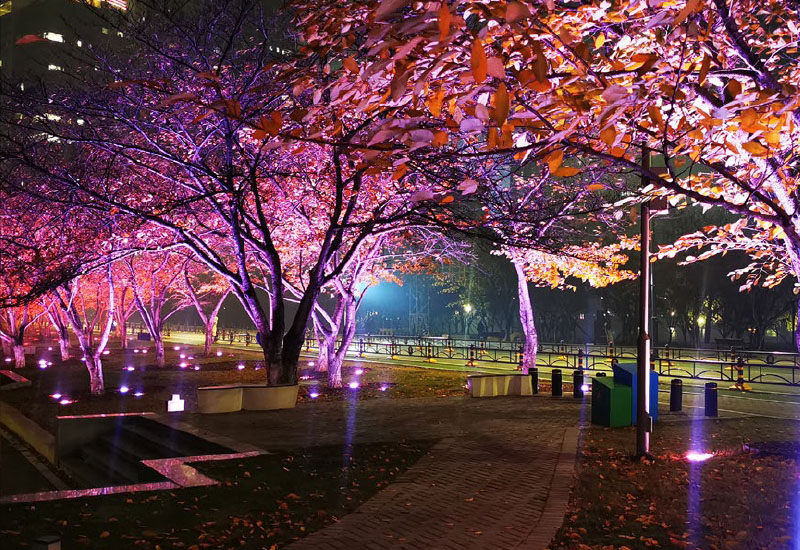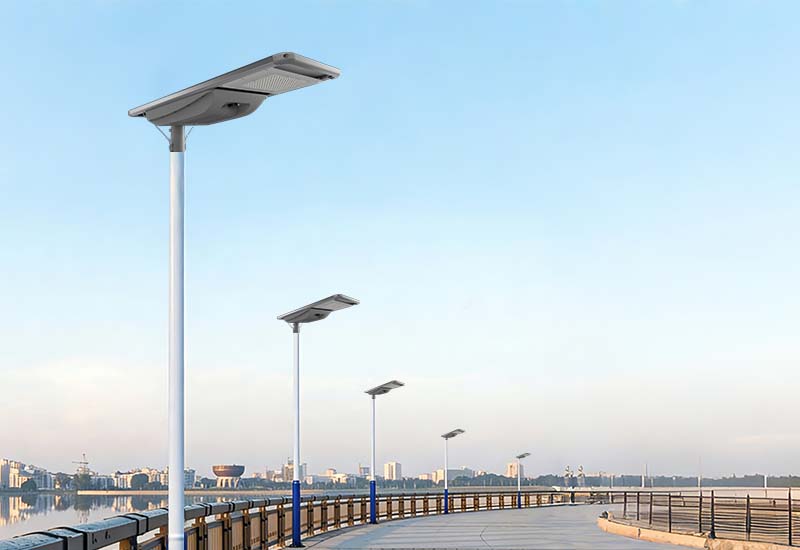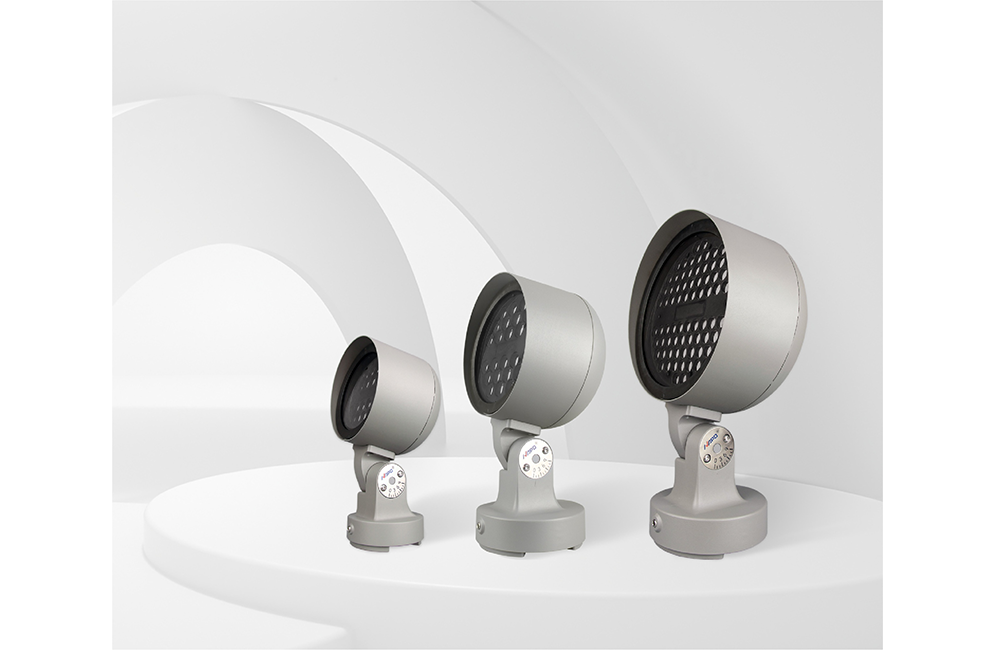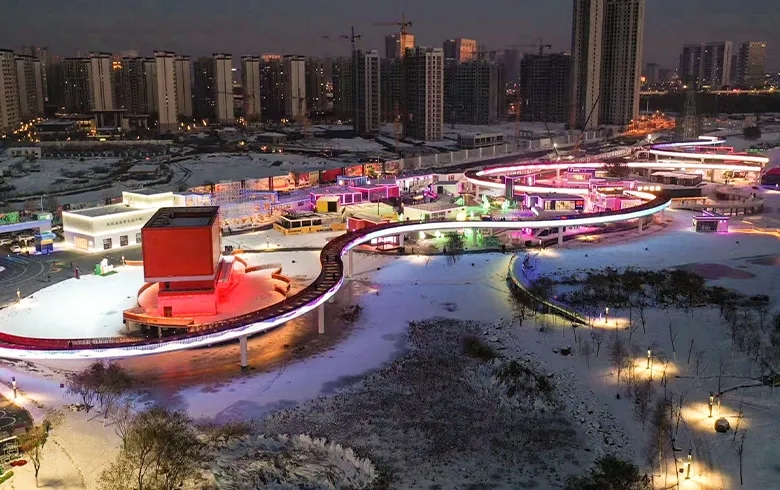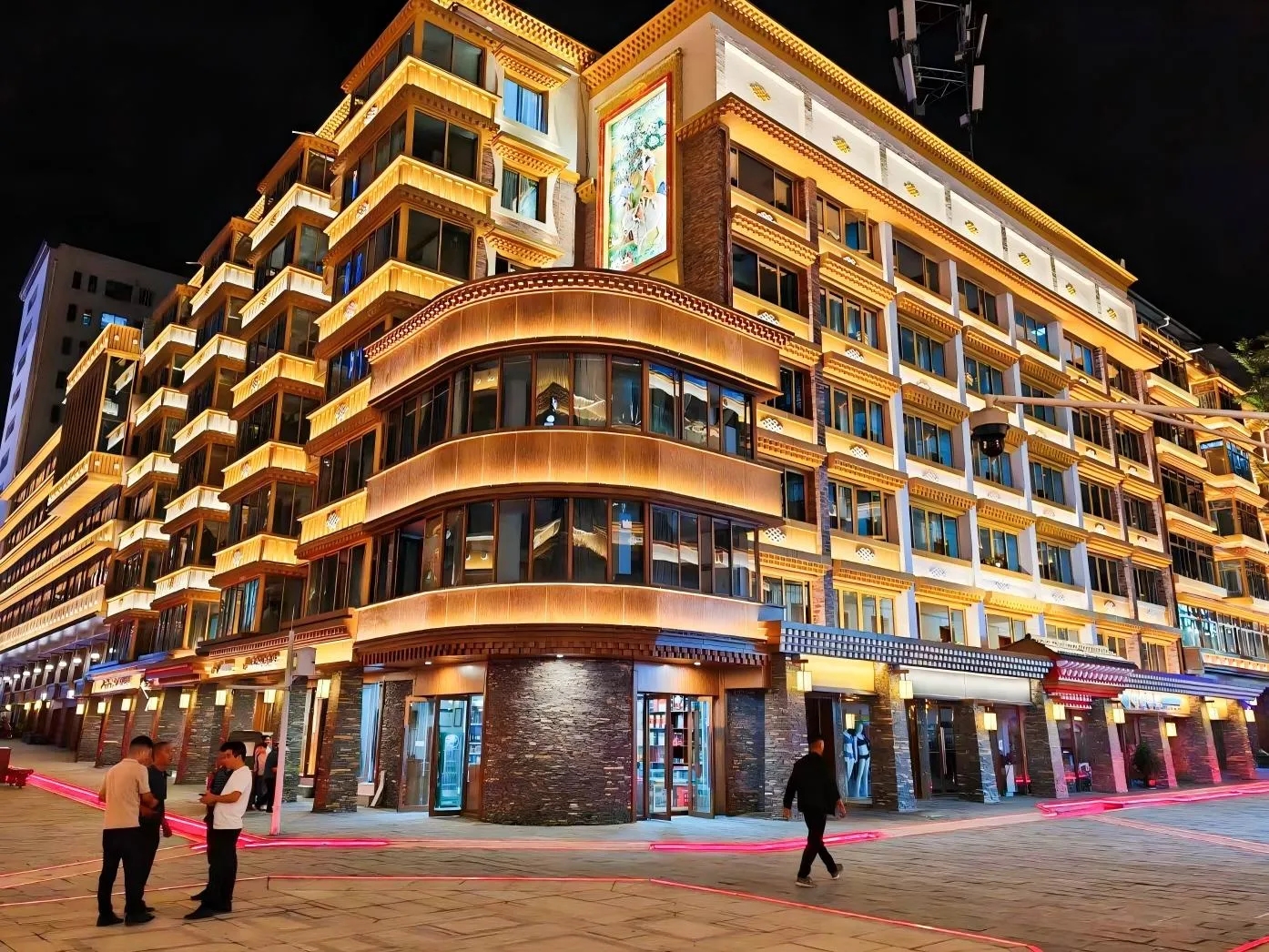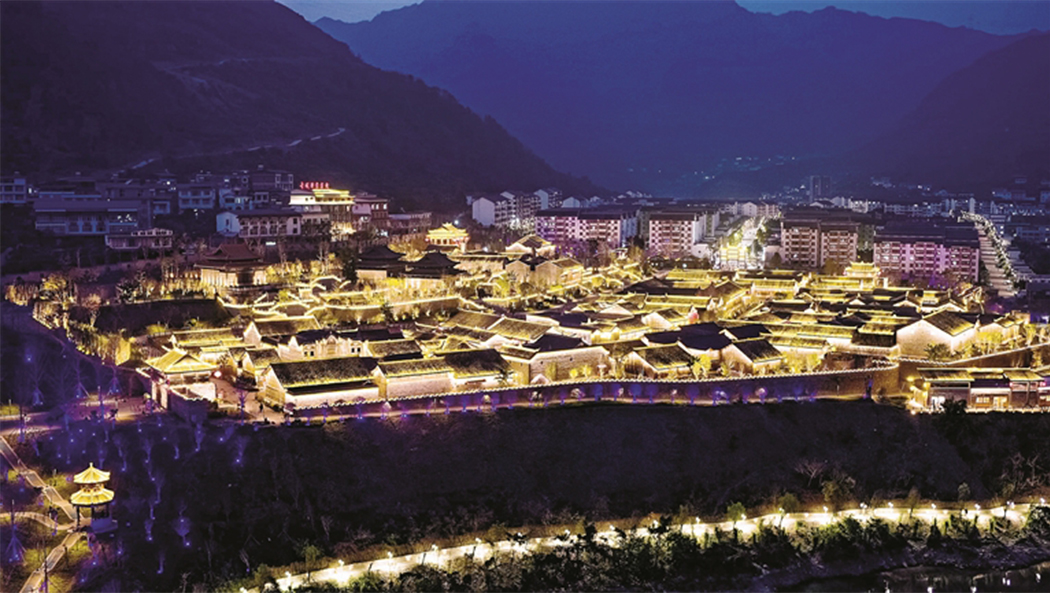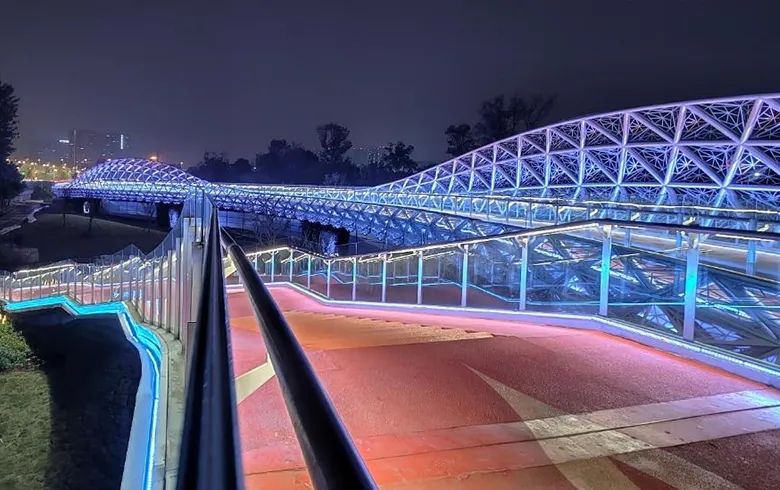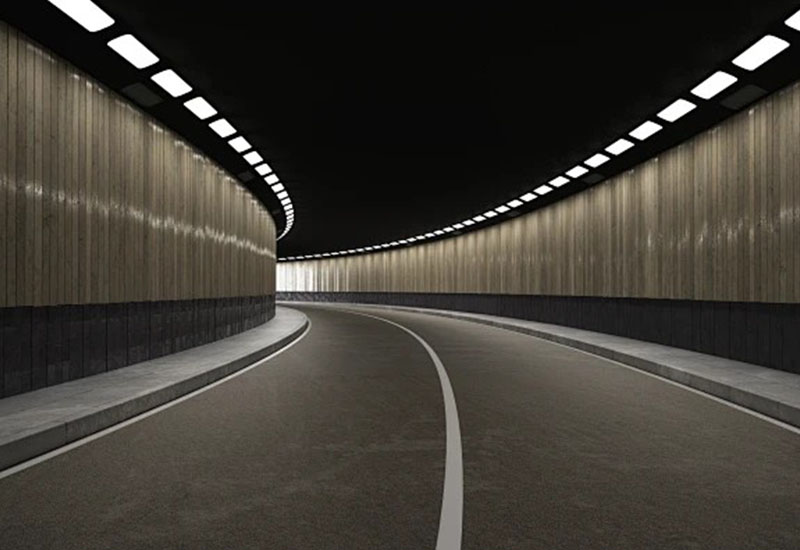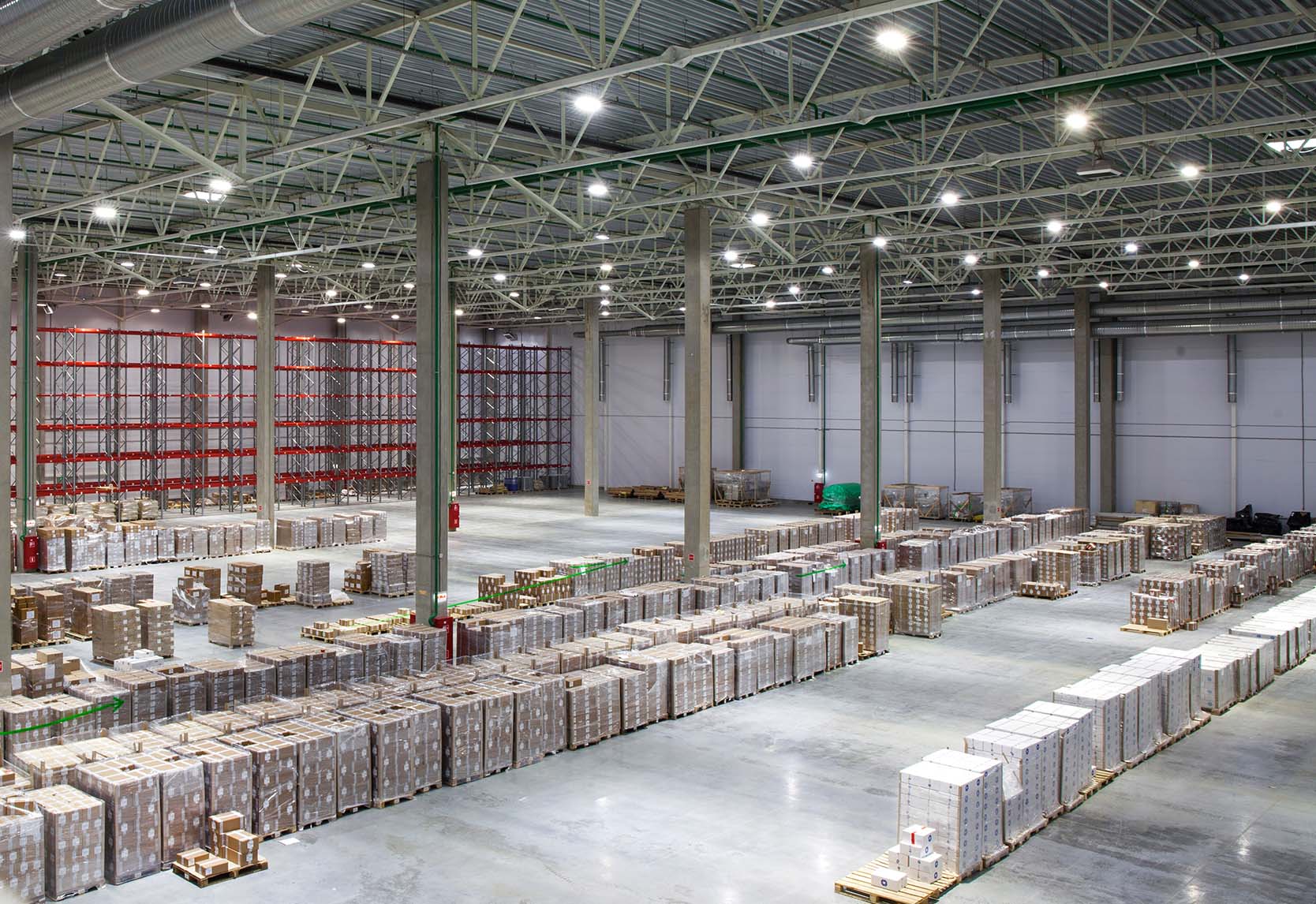


In-ground LED lights are widely used in landscape lighting, architectural uplighting, pedestrian plazas, pathways, driveways and commercial outdoor spaces. Because these fixtures are installed flush with or recessed into the ground, their performance depends on more than light output and ingress protection.
Poor drainage, unsuitable load capacity, thermal cycling, condensation, damaged seals and difficult maintenance access can all contribute to premature fixture failure. In vehicle-accessible areas, an incorrect load specification can also create structural and safety risks.
For lighting designers, landscape architects, electrical contractors and procurement teams, specifying reliable in-ground LED lighting requires a coordinated approach to product selection, installation design and site conditions.
This guide explains how to evaluate in-ground LED lighting specifications, distinguish pedestrian and drive-over applications, assess thermal and moisture management, and coordinate recessed housings with drainage and civil works.
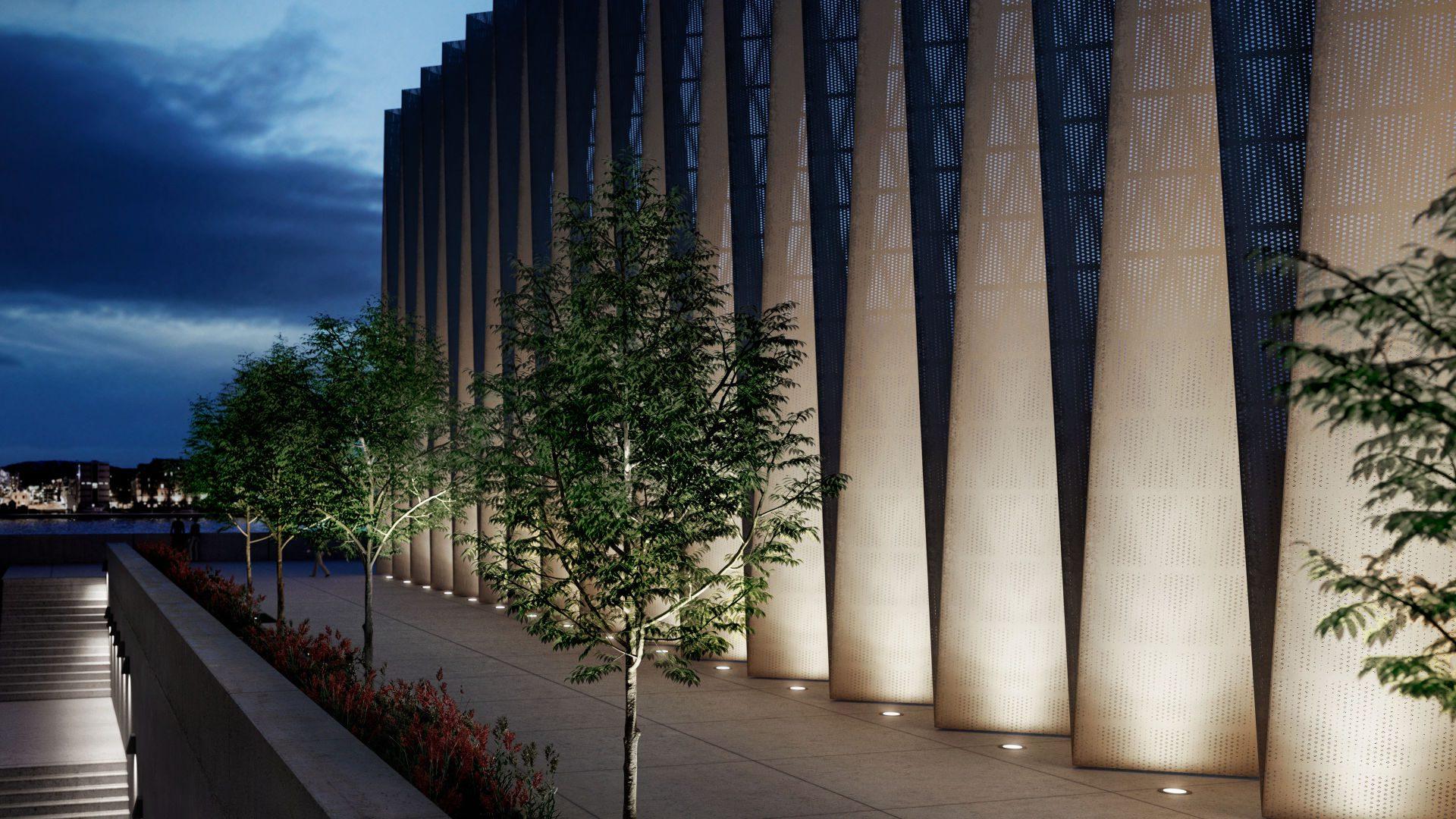
Before selecting a product, establish how and where the fixture will be installed. An uplight in a planted garden bed has different requirements from a luminaire embedded in a concrete plaza or installed in a driveway.
The main specification factors include:
Load capacity: Whether the fixture is intended for pedestrian areas, occasional vehicle access or regular vehicle traffic.
Ingress protection: The level of protection required against dust and water for the actual installation environment.
Thermal management: How the fixture manages heat during operation and temperature changes after switching off.
Moisture control: How the design addresses condensation, sealing integrity and pressure changes.
Drainage: Whether water can drain away from the recessed housing and surrounding installation area.
Material compatibility: Whether the housing, fasteners, lens, seals and cable-entry components suit the exposure conditions.
Maintenance access: Whether the fixture can be inspected, removed and serviced without unnecessary damage to surrounding paving.
These factors should be considered together. A high IP rating does not establish the fixture's load capacity, and a mechanically strong housing does not automatically provide reliable moisture protection.
In-ground luminaires may experience repeated temperature changes during normal operation. When the LEDs and driver operate, they generate heat. After the fixture switches off, its internal components and surrounding materials cool down.
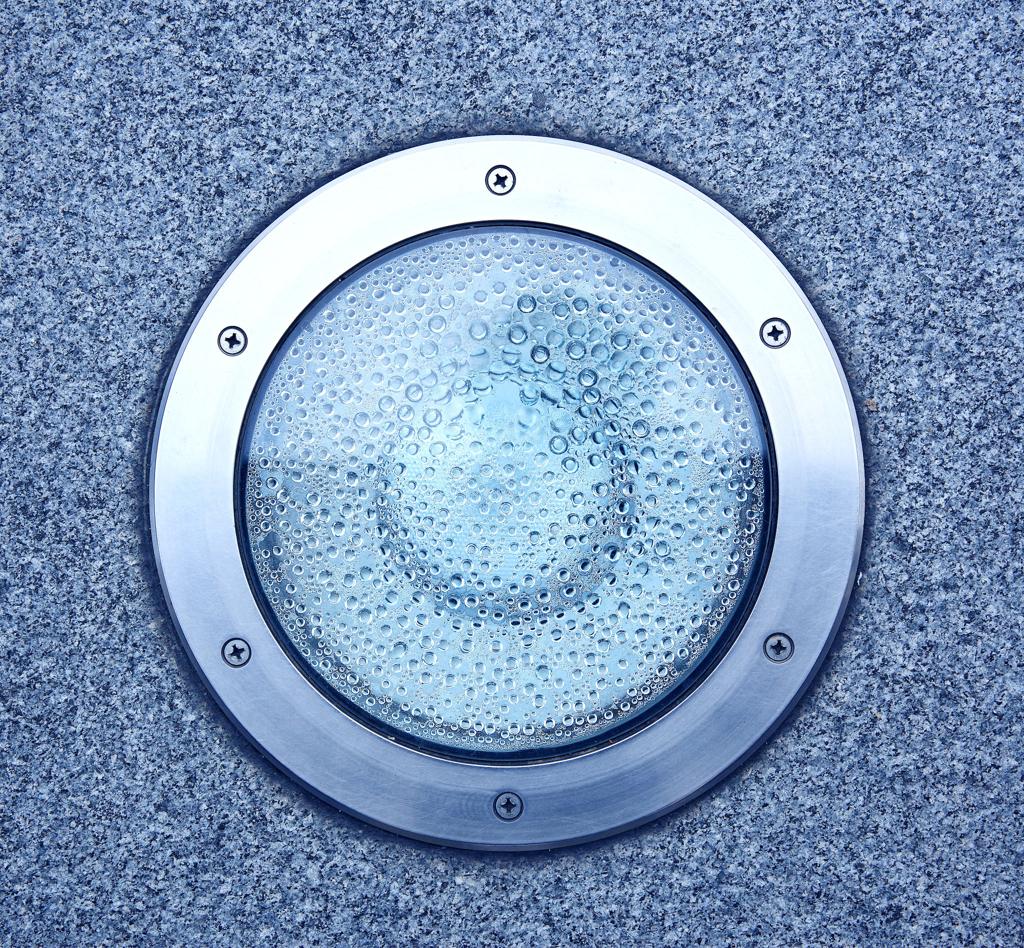
Temperature changes can affect internal air pressure and the behavior of moisture inside the enclosure. If humid air is present and internal surfaces fall below the relevant dew point, condensation may form on the lens or other components.
Over time, moisture-related problems may affect electrical connections, circuit boards, optical components and metal parts. However, condensation is not the only possible cause of water inside a fixture. Damaged seals, incorrect cable installation, poor assembly, physical damage and water accumulation around the recessed housing should also be investigated.
Thermal breathing is a term used to describe pressure changes associated with heating and cooling in an enclosure. Depending on the luminaire design, these changes may place additional demands on seals and cable-entry points.
The actual risk depends on enclosure volume, internal temperature variation, sealing construction, pressure-equalization features and environmental conditions. It should not be assumed that every in-ground LED light will develop thermal-breathing problems or that every instance of lens fogging proves a seal has failed.
When reviewing an in-ground luminaire, ask the manufacturer to explain how the design addresses condensation and pressure variation, where relevant.
Useful questions include:
Is the enclosure designed to be fully sealed or to use a pressure-equalization feature?
If a breathable vent is used, what are its intended operating conditions and protection limitations?
What evidence supports the stated ingress protection?
Has the complete luminaire been evaluated in a configuration representative of the supplied product?
What installation, cable-entry and maintenance procedures are required to preserve the protection system?
A waterproof breathable membrane or pressure-equalization vent may be suitable for some designs, but it is not a universal requirement for every luminaire. It should not be treated as a substitute for appropriate sealing, drainage or installation practices.
For more background on how thermal management and other component choices affect outdoor lighting reliability, see HIPO's outdoor LED lighting lifespan guide.
Load capacity is one of the most important selection criteria for recessed luminaires installed in paved areas. A product designed for pedestrian traffic should not automatically be used in a driveway or vehicle-accessible plaza.
The required rating depends on the expected traffic, vehicle types, wheel loads, installation details and applicable project requirements.
Typical locations include garden paths, pedestrian walkways, steps, planted areas and areas where vehicles are physically excluded.
For these installations, verify the fixture's intended application, impact resistance where relevant, surface finish and suitability for the surrounding paving. The luminaire should be installed according to the manufacturer's instructions so that its support and surrounding construction do not introduce unintended loads.
Some plazas and landscaped public spaces are primarily pedestrian areas but may occasionally be accessed by maintenance vehicles, delivery vehicles or emergency services.
Do not assume that a fixture suitable for pedestrian traffic can withstand these occasional loads. The project team should establish which vehicles may enter the area and select a luminaire and installation assembly with documented suitability for that use.
Fixtures installed in driveways, parking lots, loading areas and vehicle-accessible public spaces require particular attention to mechanical loading.
Confirm the manufacturer's declared load rating, the test method and the permitted installation conditions. Check whether the rating applies to the luminaire alone or to the complete assembly, including the recessed housing and support arrangement.
Heavy vehicles, turning wheels, braking forces and concentrated loads may create different demands from ordinary passenger-car traffic. Where emergency or service vehicles may enter the area, include those vehicles in the design assessment.
IK ratings classify resistance to mechanical impact under specified test conditions. They do not, by themselves, establish the load that can safely be applied by a stationary or moving vehicle.
A luminaire with an IK rating should therefore not be considered drive-over rated unless its vehicle-load suitability is separately documented.
| Application | Main specification checks |
|---|---|
| Pedestrian path or garden | Intended pedestrian use, surface durability, relevant impact protection and installation support |
| Pedestrian plaza with occasional service access | Expected vehicle types, declared load rating, installation assembly and access restrictions |
| Residential driveway | Vehicle-load suitability, wheel-load conditions, housing support and installation details |
| Commercial parking or loading area | Defined vehicle classes, documented load performance, structural support and maintenance access |
| Emergency vehicle route | Design vehicle loads, applicable engineering requirements and explicit manufacturer approval for the intended use |
Procurement rule: Do not specify an arbitrary load value simply because it appears common in the market. Define the expected traffic and require evidence that the selected fixture and its installation arrangement are suitable.
The materials and construction of an in-ground luminaire influence its mechanical performance, corrosion resistance, sealing integrity and serviceability.
Die-cast aluminum is commonly used for outdoor LED luminaire housings because it allows complex shapes and can support heat-dissipation design. Its suitability depends on the alloy, surface treatment, structural design and installation environment.
Stainless steel and brass may be used for selected housings, trim rings or exposed components. The appropriate choice depends on the required appearance, mechanical loads, chloride exposure, chemical contact and maintenance conditions.
For seaside or poolside applications, assess corrosion exposure and material compatibility rather than specifying a material solely by its name. Fasteners, mounting parts and the main housing should be considered as a system.
The lens must suit the installation environment and expected mechanical exposure. Confirm the material, thickness, impact performance and compatibility with the luminaire's declared load rating.
For architectural uplighting, the optical system should also match the target surface and viewing conditions. Narrow-beam optics may be appropriate for selected trees, columns or architectural details, while wider distributions may suit other landscape applications.
Where pedestrians can view the fixture directly, consider glare control and the visual comfort of the installation. Optical performance should be assessed alongside mechanical and environmental requirements.
Gaskets, cable glands and enclosure joints are important parts of the protection system. Their performance depends on material compatibility, compression, temperature exposure, assembly quality and maintenance.
Silicone and EPDM are used in some outdoor sealing applications, but neither material should be specified as universally suitable without checking the manufacturer's design and environmental requirements.
Ask the supplier to identify the relevant sealing components, explain whether field replacement is permitted, and provide installation instructions for cable entries and enclosure joints.
For coastal installations, also assess the corrosion protection of exposed metal components and fasteners. The material and coating requirements should reflect the site's actual salt exposure and wetting conditions.
A suitable luminaire can still experience problems if the surrounding construction allows water to accumulate around it. Drainage should therefore be coordinated between the lighting designer, electrical contractor and civil or landscape contractor.
Before selecting a drainage arrangement, establish:
Soil permeability and the presence of compacted or impermeable layers.
Seasonal groundwater level and the possibility of groundwater rising into the installation.
Local rainfall intensity and the potential for surface flooding.
Whether the installation is surrounded by permeable soil, paving, concrete or waterproof membranes.
The available route for collected water to discharge safely.
A gravel or crushed-stone layer may assist drainage where the surrounding ground can absorb water and an appropriate drainage path exists. However, it cannot guarantee drainage in clay-rich soil, a high-water-table location or a fully enclosed concrete recess.
Where water cannot disperse naturally, a designed drainage outlet or subdrainage system may be necessary. The solution should be determined from site conditions rather than by applying a fixed gravel depth to every installation.
The recessed housing should support the fixture as intended and allow installation, removal and maintenance according to the manufacturer's instructions.
Check that:
The housing dimensions and installation depth match the selected luminaire.
The fixture sits at the specified finished level and is not subjected to unintended structural loads.
Water has a suitable drainage route where required.
Cable routing and entry points follow the approved installation design.
The installation does not create a sealed pocket that traps water around the luminaire.
The fixture can be removed without damaging adjacent paving more than necessary.
Do not modify the housing, drill additional openings or change cable-entry arrangements without confirming that the proposed changes are permitted by the manufacturer and project requirements.
Common construction risks include placing the fixture in a low point without drainage, directing surface runoff toward the housing, leaving cable entries exposed to water accumulation, and using a recess that does not match the manufacturer's installation requirements.
The installation team should verify drainage and finished levels before final paving or landscaping makes the area difficult to access.
In-ground luminaires are designed for particular installation arrangements. Burying a fixture deeper than specified, covering required heat-dissipation surfaces or placing it in an unsuitable enclosure may affect thermal performance and serviceability.
Follow the manufacturer's specified recess depth, mounting arrangement and clearances. Do not assume that all models require the same burial depth or recessed can.
The following checklist can help project teams prepare a more precise technical schedule for procurement and construction.
| Specification item | What to define or verify |
|---|---|
| Application | Pedestrian, landscape, driveway, parking, loading or emergency access |
| Load performance | Intended traffic type, declared load rating, test evidence and installation conditions |
| IP rating | Required ingress protection based on exposure, pooling and possible immersion |
| IK rating | Mechanical impact resistance where relevant; assessed separately from vehicle-load capacity |
| Thermal and moisture management | Enclosure design, condensation considerations and any pressure-equalization features |
| Housing material | Material or alloy requirements, finish and environmental suitability |
| Lens and trim | Material, impact performance, surface durability and optical requirements |
| Gaskets and cable entries | Compatible components, approved installation method and maintenance requirements |
| Recessed housing | Dimensions, support arrangement, installation depth and access for servicing |
| Drainage | Site drainage assessment, water discharge route and any required drainage provisions |
| Electrical protection | Supply requirements, grounding, surge protection and compliance with applicable electrical codes |
| Documentation | Product datasheet, installation instructions, relevant test reports and product identification |
| Maintenance | Access method, inspection procedure, replacement parts and service requirements |
| Warranty and support | Written warranty terms, exclusions, responsibilities and technical support arrangements |
For a large project, the specification should clearly separate mandatory performance requirements from preferred product features. This helps suppliers propose suitable alternatives without compromising safety or project functionality.
For broader guidance on preparing tender-ready lighting requirements, see HIPO's LED lighting specification guide for large outdoor projects.
The commissioning process should confirm that the installed luminaire matches the approved product and construction details.
Before handover, the project team should verify:
Product model and declared application match the approved schedule.
The installation depth, support and finished surface comply with the manufacturer's instructions.
Drainage provisions are complete and functioning as designed.
Cable entries, seals and electrical connections have been installed correctly.
The lens and trim are undamaged and sit at the specified level.
Any required commissioning checks and electrical tests have been completed.
Fixture locations are recorded in the as-built drawings for future maintenance.
During operation, inspect the fixtures at intervals appropriate to the site conditions and manufacturer's recommendations. Check for lens damage, abnormal condensation, loose trim, blocked drainage, surface deterioration and signs of water accumulation.
If a fixture repeatedly fogs up or fails, investigate the root cause before replacing it with the same model or changing the IP rating alone. The issue may involve drainage, cable entry, enclosure design, installation damage or another site-specific factor.
An IP rating describes protection against ingress under specified test conditions. Condensation may also depend on internal moisture, temperature variation, enclosure design and installation conditions. A high IP rating does not independently guarantee that condensation will never occur.
No. The appropriate design depends on the luminaire's construction and intended operating environment. If pressure equalization or a breathable vent is used, confirm its suitability and limitations with the manufacturer. It should not be treated as a universal requirement or a complete solution to every moisture problem.
No. IK ratings relate to mechanical impact resistance. Vehicle-load suitability requires separate evidence relevant to the intended application and installation conditions.
There is no single gravel depth that suits every site. The drainage arrangement depends on soil permeability, groundwater, rainfall, surrounding construction and the available discharge route. A gravel layer may help in suitable ground conditions, but a designed drainage solution may be required where water cannot disperse naturally.
No. The appropriate IP rating depends on the intended installation and exposure conditions. A location exposed to rain and occasional surface water differs from one that may experience immersion. Specify the required protection based on the project conditions and the manufacturer's documented product capabilities.
At a minimum, review the product datasheet, installation instructions, applicable IP and IK evidence, and documentation supporting the intended load rating where relevant. For demanding projects, also define requirements for material specifications, moisture management, drainage coordination, electrical protection, warranty and maintenance.
Reliable in-ground LED lighting starts with matching the luminaire to the actual installation environment. Load capacity, ingress protection, thermal and moisture management, material selection, recessed housing design and drainage all influence project performance.
For pedestrian areas, driveways and vehicle-accessible plazas, the most important step is to define the intended use clearly and verify that the complete installation arrangement is suitable. For moisture-prone locations, coordinate the luminaire's sealing design with the site's drainage conditions instead of relying on a high IP rating alone.
HIPO Lighting provides outdoor LED lighting products for architectural and landscape applications, including in-ground and underwater lighting. Our broader portfolio also covers roadway and tunnel lighting, solar street lighting and industrial LED lighting.
For commercial and municipal projects, product selection should be based on the application, installation conditions and the technical documentation available for the specific model. Load capacity, IP/IK performance and other product-specific claims should be confirmed before procurement.
Planning an architectural or landscape lighting project? Contact HIPO Lighting to discuss your application, installation conditions and product specification requirements.