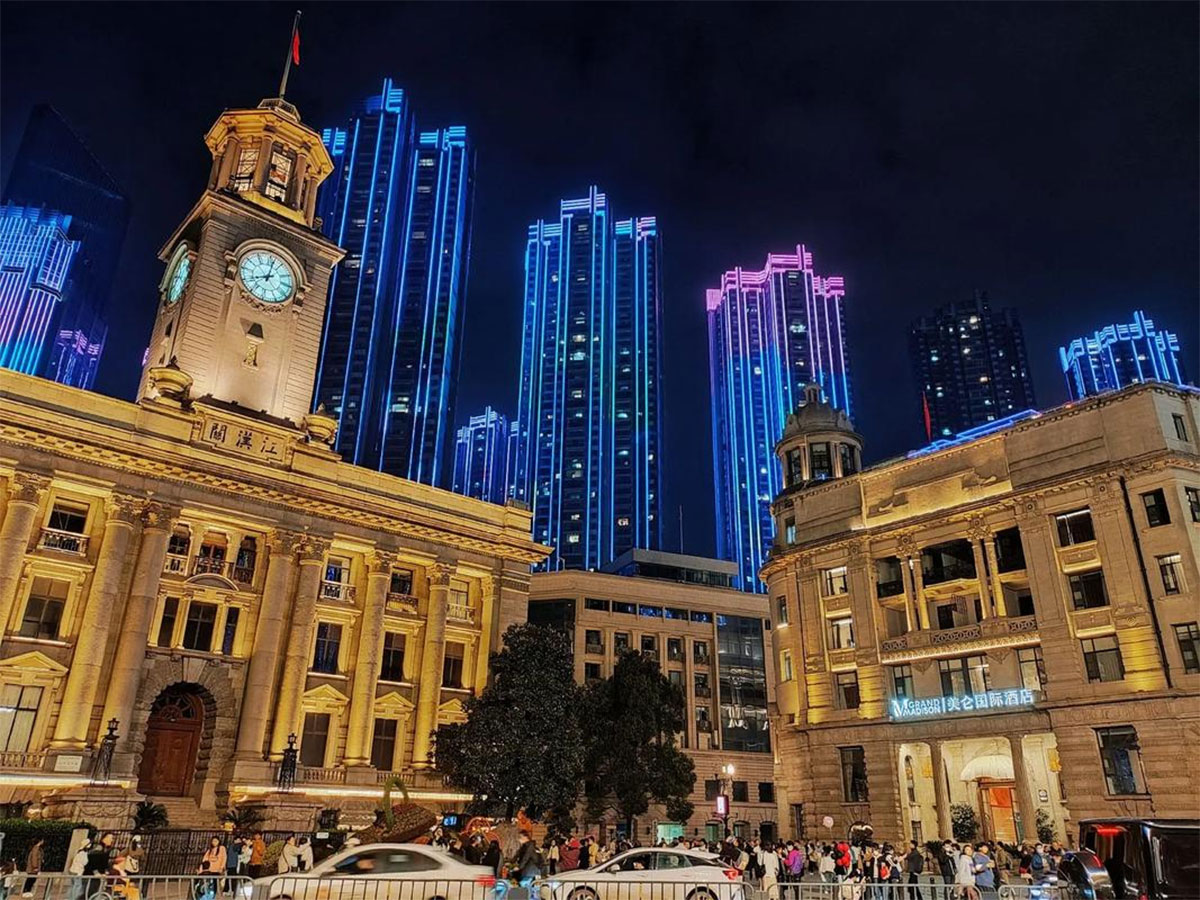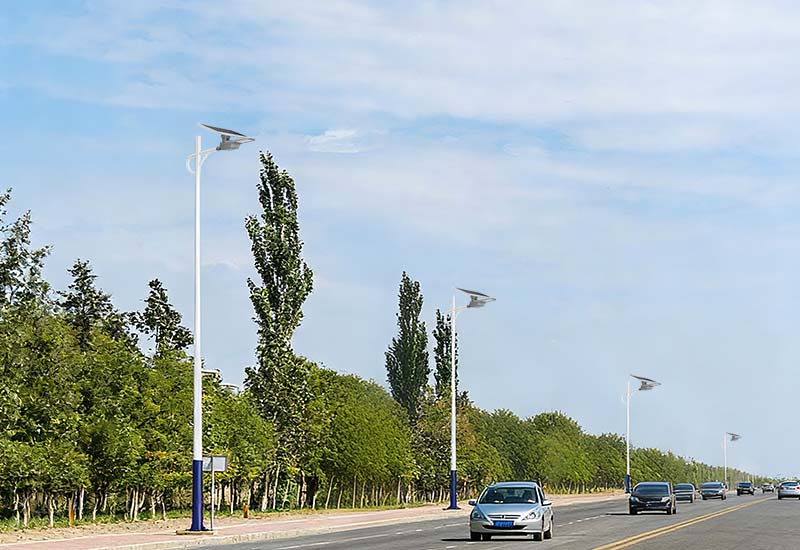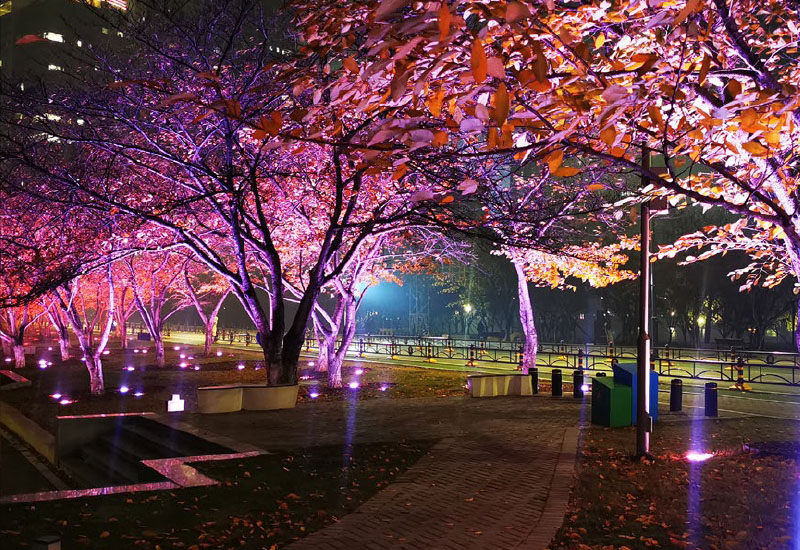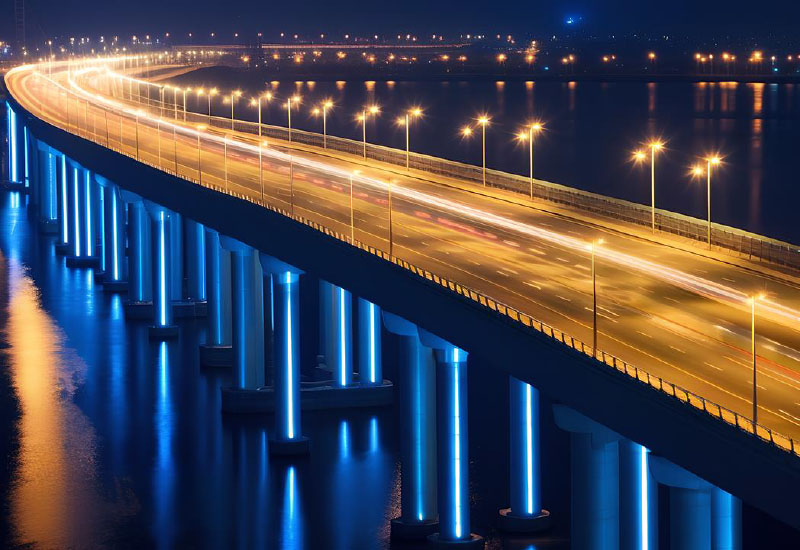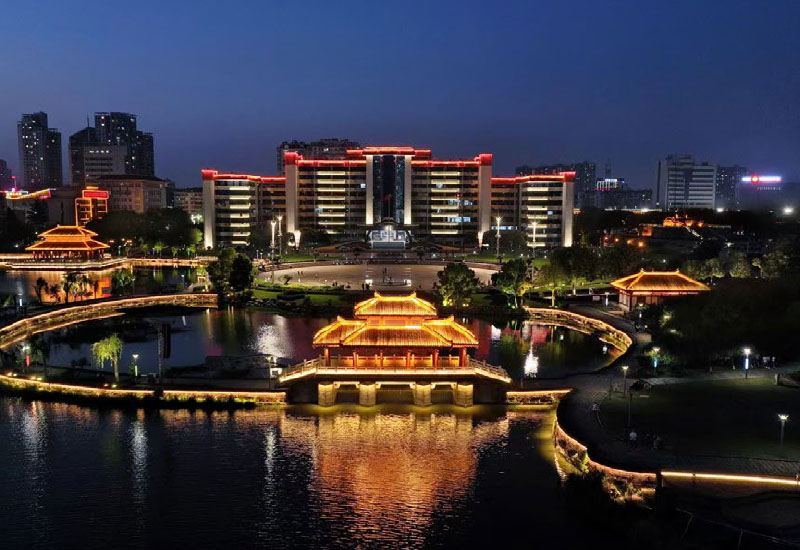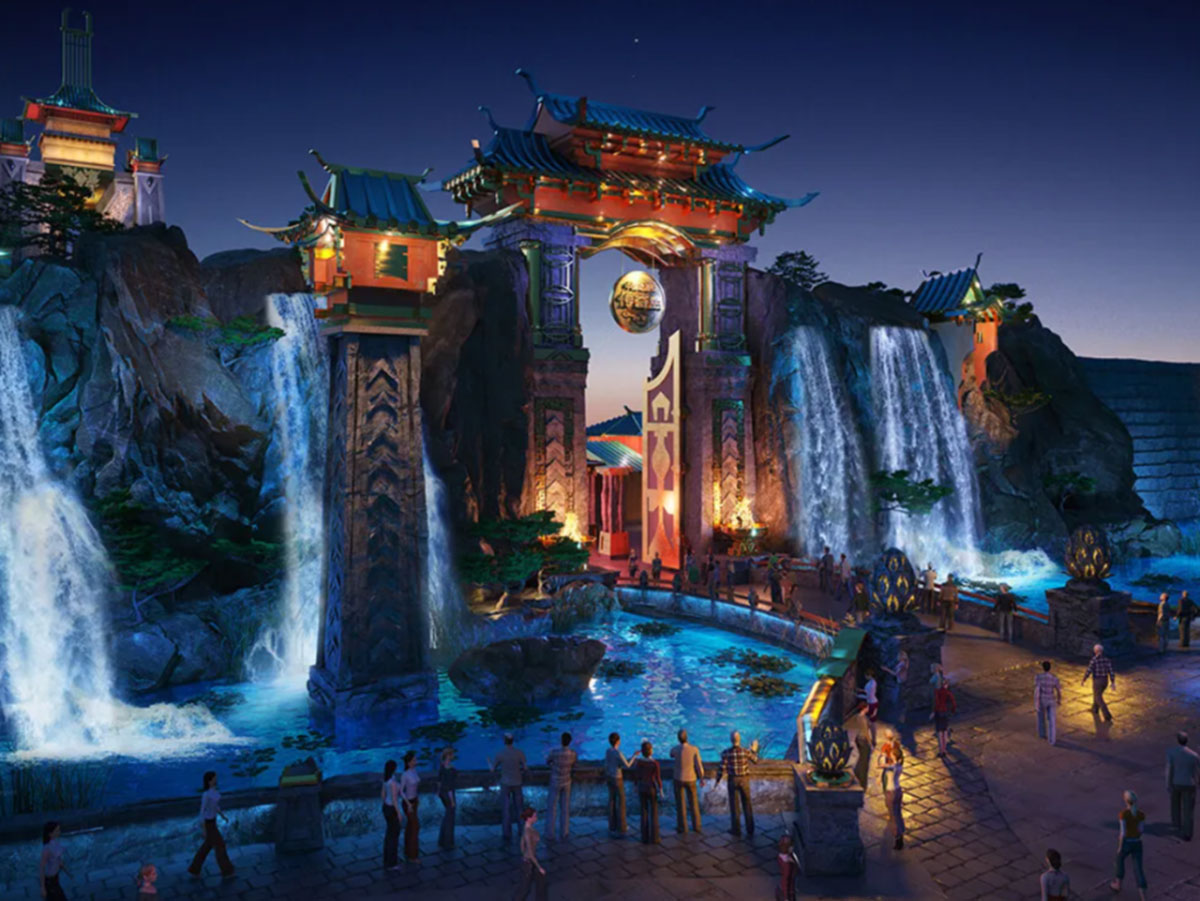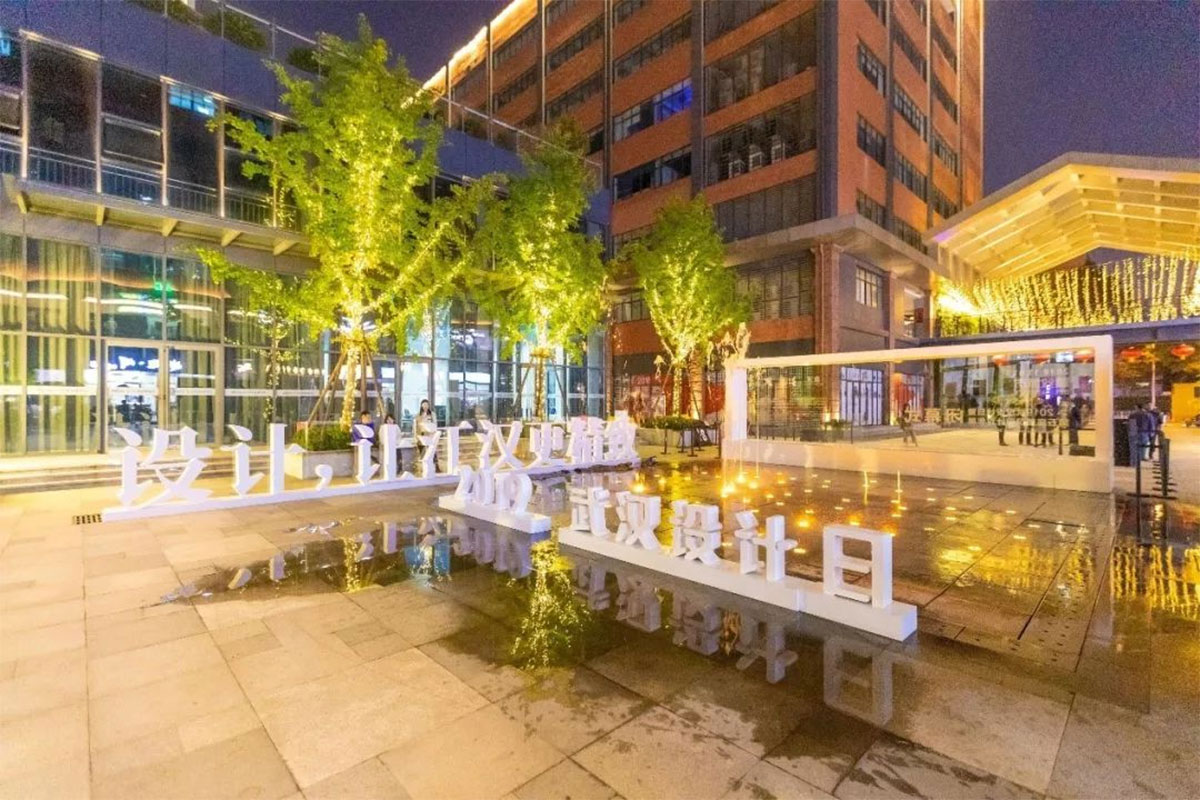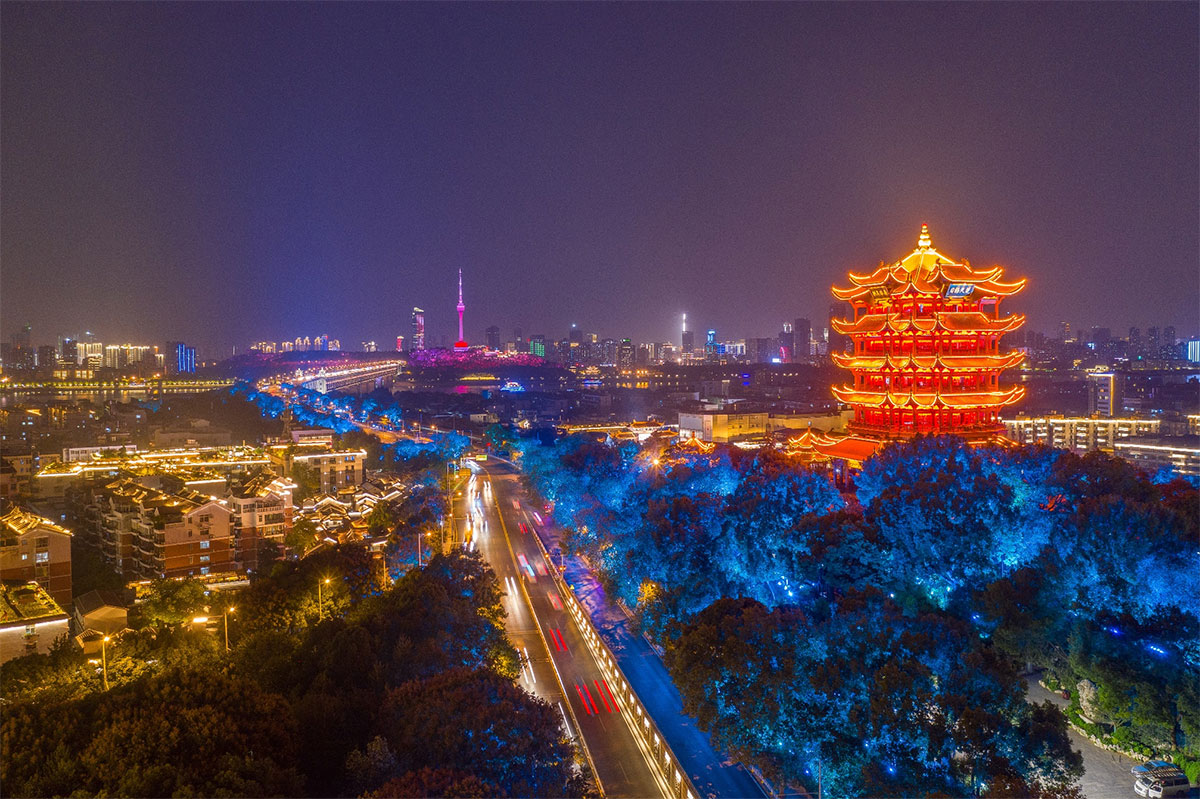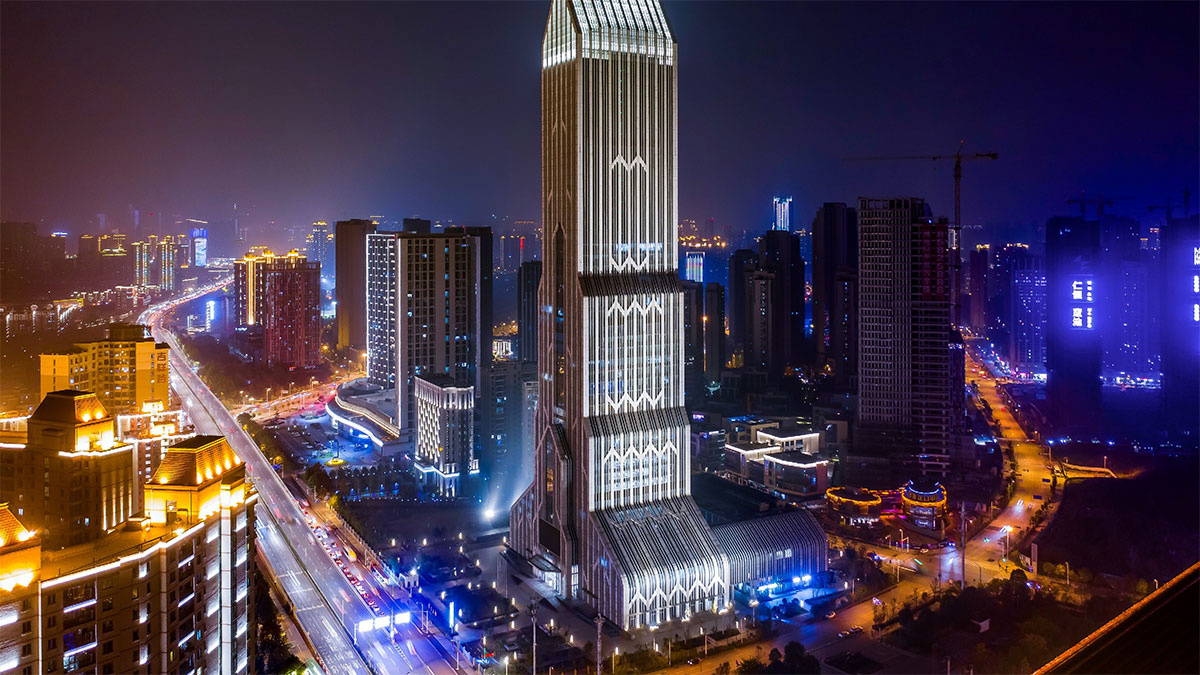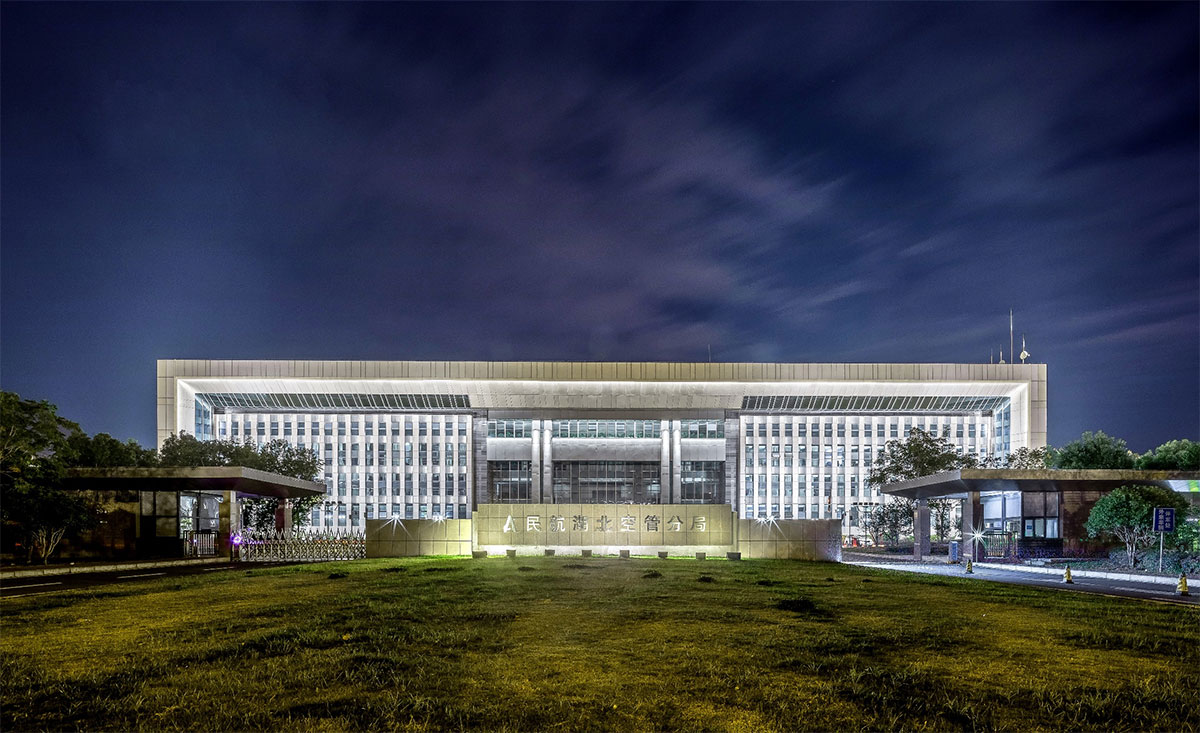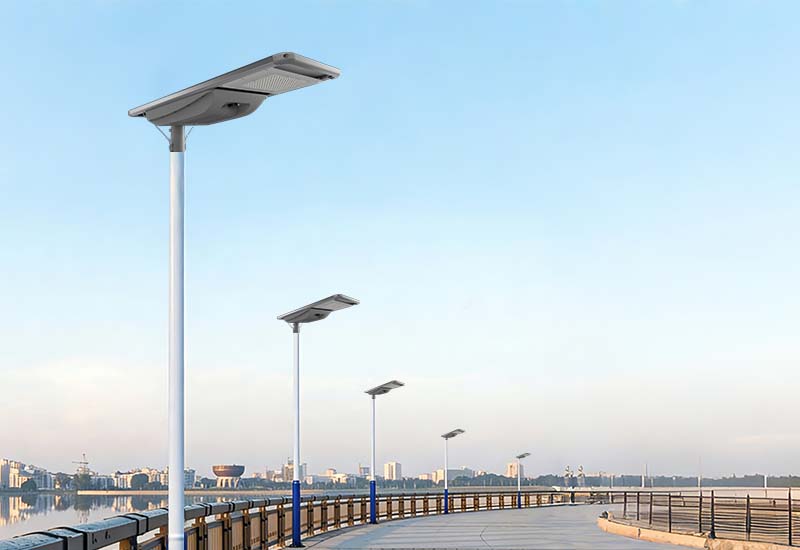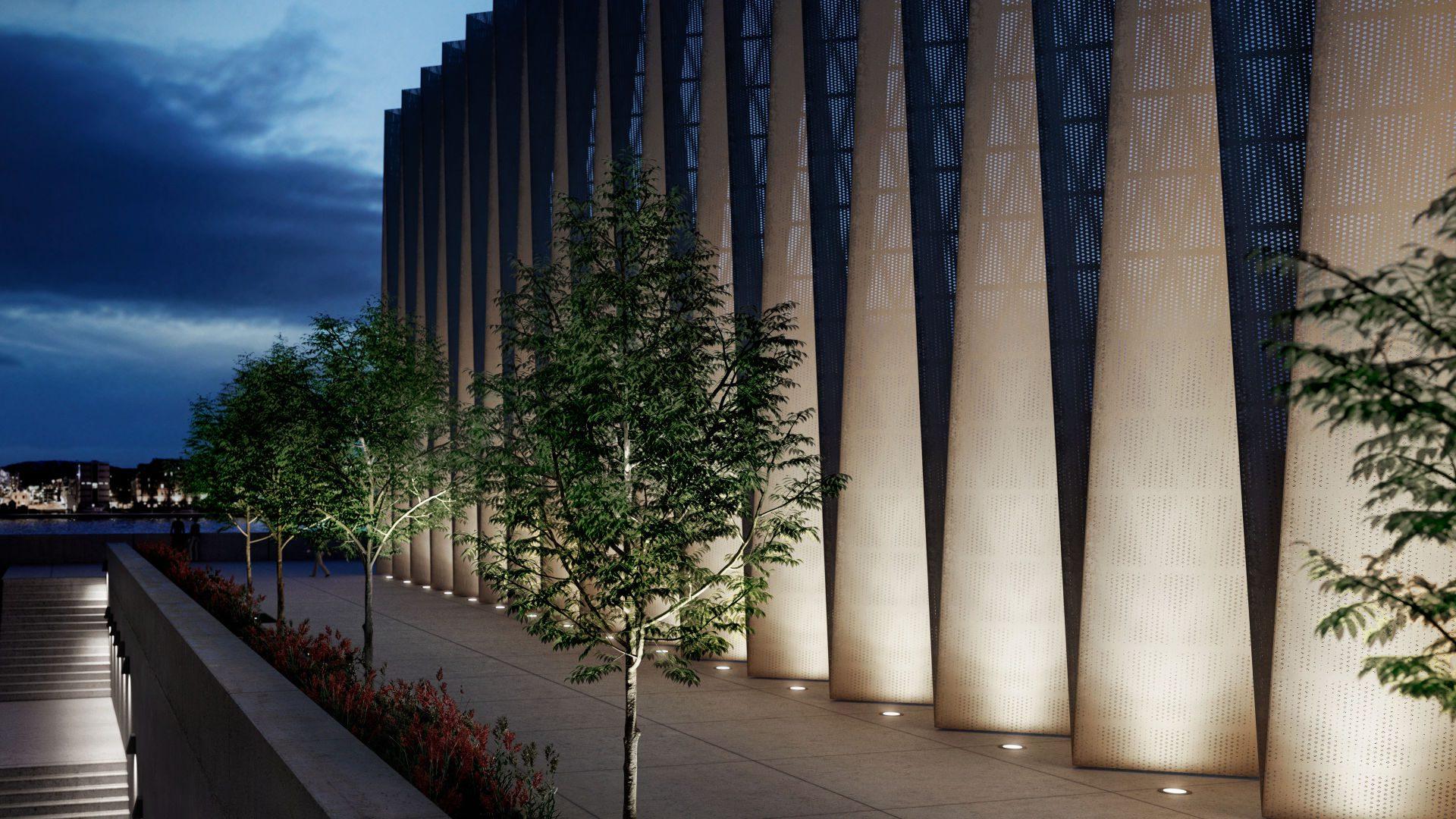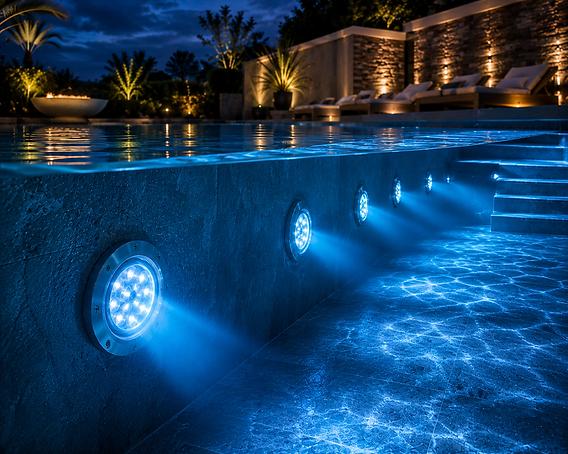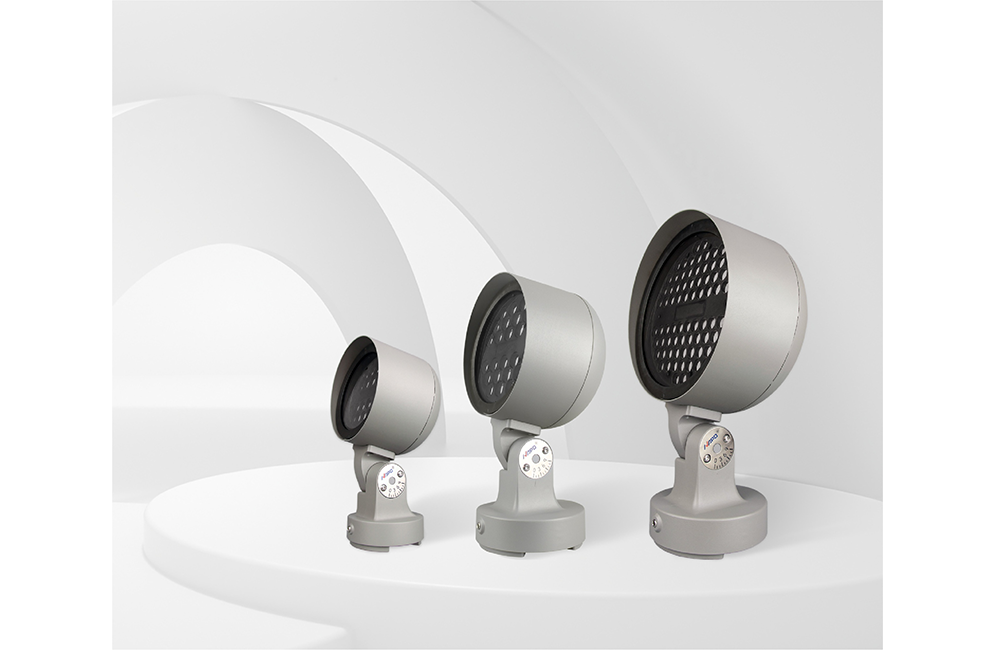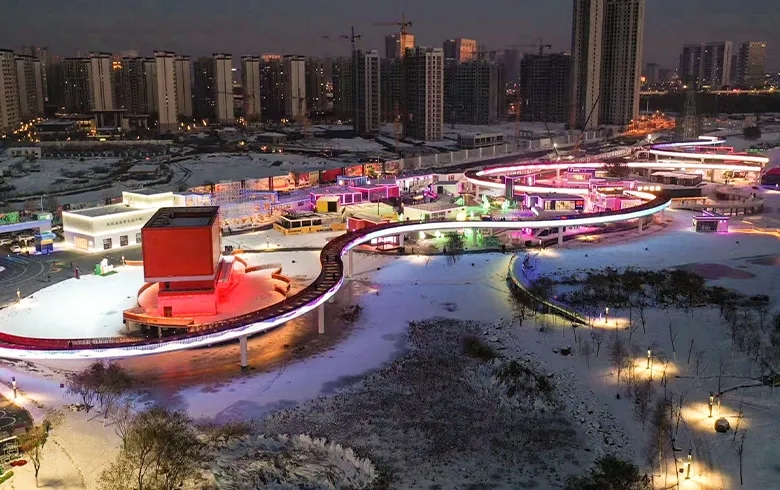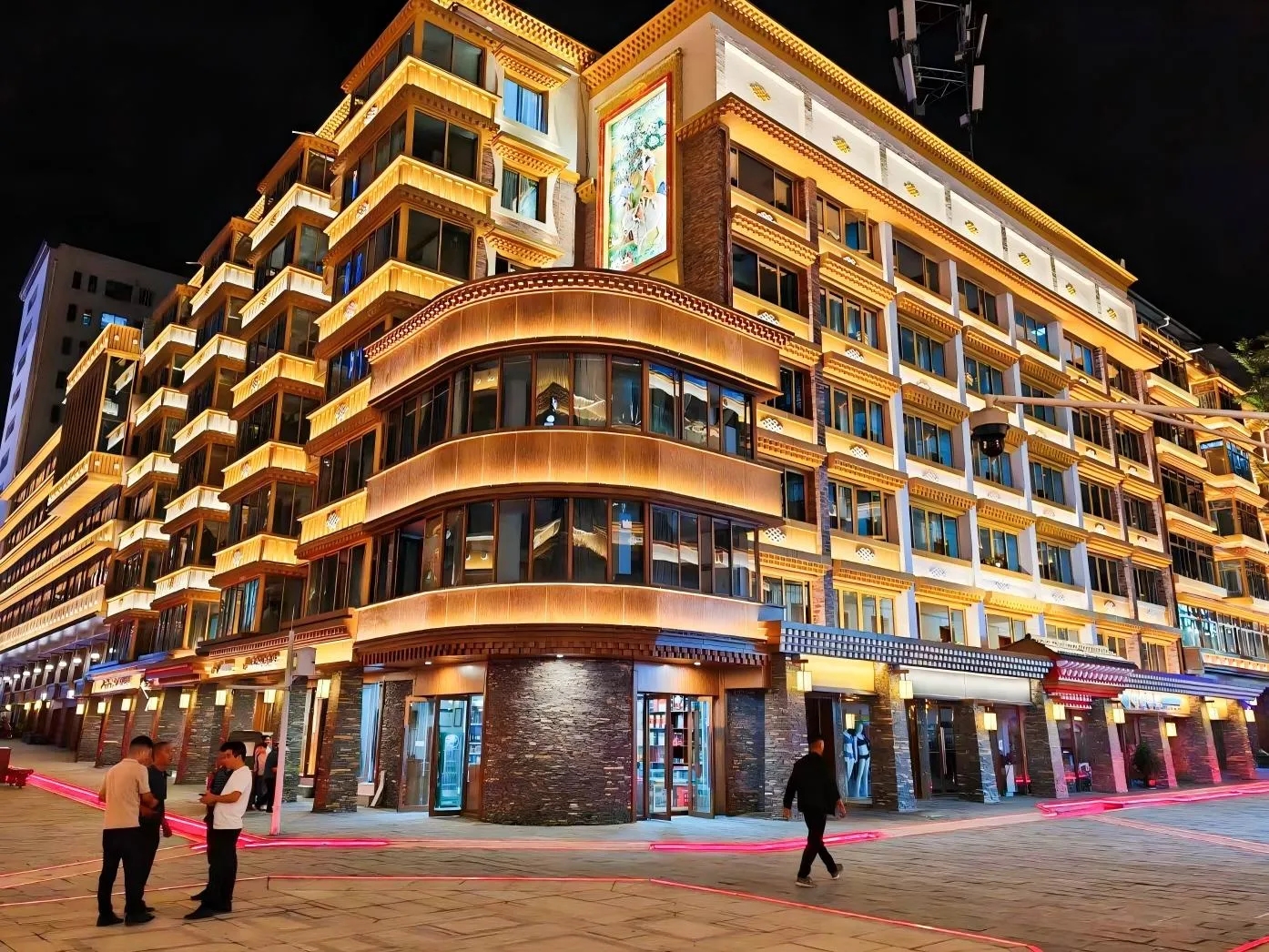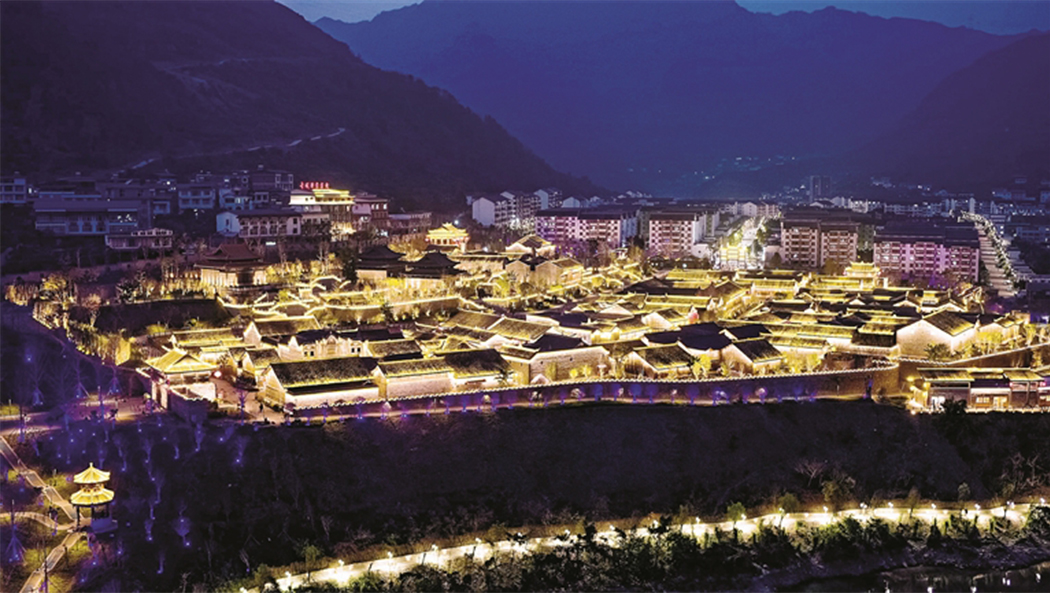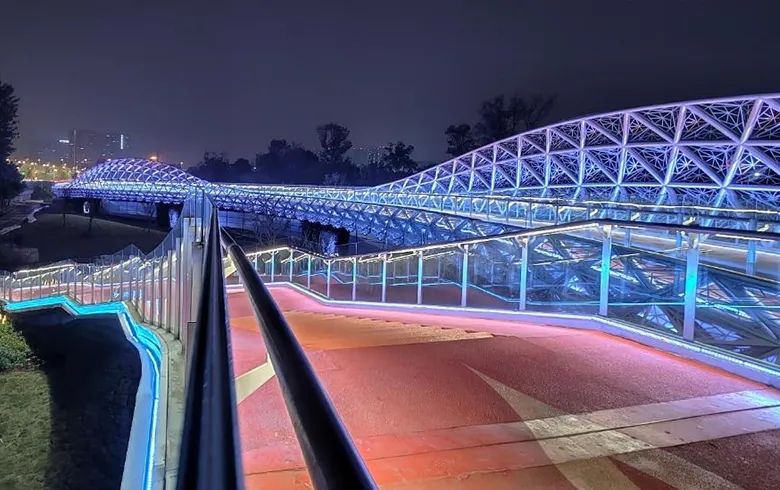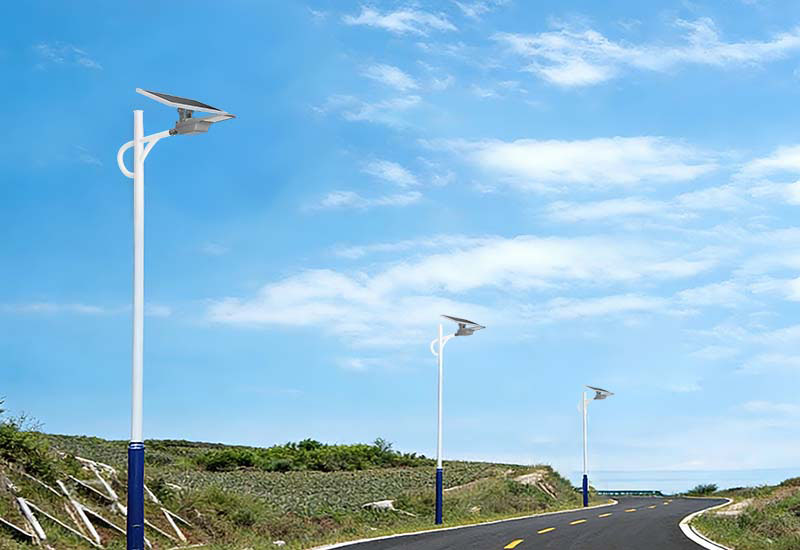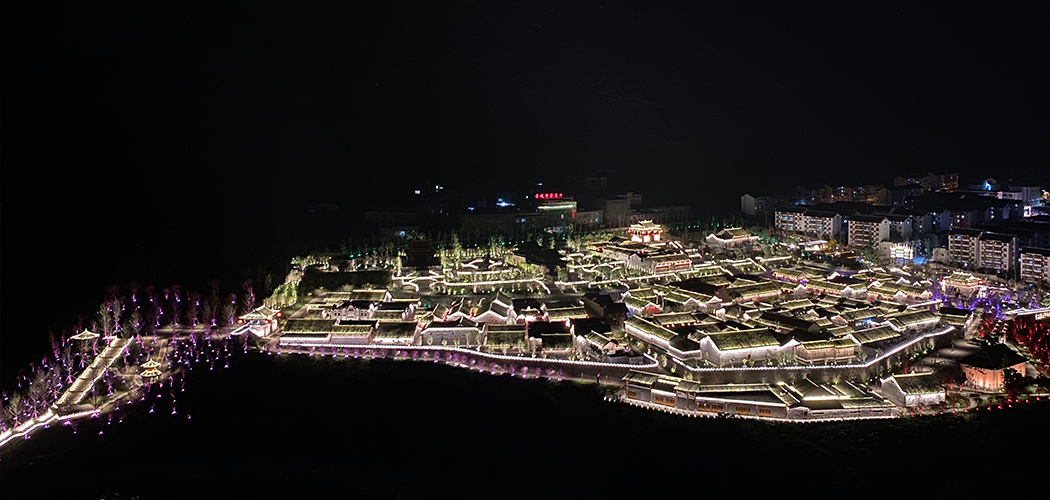


Outdoor lighting helps people navigate public spaces, improves visibility around buildings and supports the use of parks, pathways, commercial developments and resort landscapes after dark. However, poorly designed lighting can also create excessive brightness, glare, unwanted illumination beyond property boundaries and unnecessary skyglow.
For lighting designers, engineering contractors, municipal project teams and procurement managers, dark-sky-friendly lighting is not simply a matter of choosing a fixture with a particular color temperature or an advertised environmental rating. It requires coordinated decisions about light distribution, shielding, output, installation geometry, controls and operating schedules.
A specification that addresses these factors from the beginning can help project teams reduce unwanted light while maintaining the illumination required for safety, accessibility and the intended use of the space.
This guide explains how to evaluate outdoor luminaires, control uplight and light trespass, review photometric documentation and prepare tender requirements for parks, streetscapes, commercial buildings, hospitality developments and other outdoor lighting projects.
Dark-sky-friendly lighting is designed to provide useful illumination while minimizing unnecessary light directed into the sky, excessive brightness and illumination outside the intended area.
The appropriate requirements depend on the location, application, surrounding environment and governing regulations. A municipal park near an ecologically sensitive area may require different controls from a commercial entrance, sports facility or illuminated building facade.
Responsible outdoor lighting design generally considers five principles:
Useful lighting: Illuminate areas where light is needed for a defined purpose.
Directed lighting: Aim light toward the intended surface rather than allowing unnecessary upward or sideways spill.
Appropriate output: Use no more light than the application requires.
Controlled operation: Switch off or reduce lighting when full output is unnecessary.
Suitable color characteristics: Consider correlated color temperature (CCT) and spectral output in relation to local requirements and environmental sensitivity.
These principles should be translated into measurable project requirements. Terms such as “dark-sky friendly” or “low light pollution” are not sufficient on their own if a tender requires specific photometric performance or formal certification.
Designers should also consider glare management as part of responsible outdoor lighting design. Shielding, aiming, mounting height and fixture placement can affect visual comfort as well as the amount of light reaching unintended areas.
Before selecting products, identify the applicable local lighting ordinance, environmental permit, planning condition, project specification or certification program. This establishes the criteria against which the proposed lighting system should be evaluated.
Uplight is light emitted above the horizontal plane of a luminaire. Depending on the fixture design and installation, direct uplight can contribute to skyglow, while light reflected from illuminated surfaces can also contribute to the overall brightness of the night sky.
Reducing unnecessary uplight is therefore an important part of many dark-sky-oriented projects. However, the correct solution depends on the lighting application and the relevant project requirements.
For pathways, parking areas and many public-space applications, appropriately shielded luminaires can help direct light toward the ground and reduce unwanted high-angle output.
When evaluating a proposed fixture, review:
The luminaire's light distribution and optical design
The presence and configuration of shields or louvers
The mounting height and installation orientation
The intended illuminated area and fixture spacing
The photometric data for the exact product configuration
The applicable uplight or BUG classification, where required
A product described as “full cutoff” should be assessed using the relevant definition and classification system specified by the project. Terminology and classification requirements can vary, so a marketing description should not replace the required documentation.
BUG stands for Backlight, Uplight and Glare. The system classifies aspects of a luminaire's light distribution and can help specifiers compare products against project-specific performance criteria.
The uplight component is particularly relevant when a project sets limits on light emitted into upper angles. Backlight and glare classifications may also be important where luminaires are close to residential properties, pedestrian routes or other sensitive locations.
A BUG rating is not, by itself, proof of universal DarkSky Approved status. The required classification depends on the applicable standard, the luminaire configuration and the project specification.
When a tender requires a specific BUG rating, request documentation for the exact model and optical configuration being offered. Confirm that any proposed shield, lens or accessory matches the tested or documented configuration.
Some architectural, cultural and landscape projects intentionally illuminate building facades, sculptures, trees or other vertical features. These applications should not be evaluated using a blanket rule that all upward-directed light is always prohibited.
Instead, assess whether the intended visual effect can be achieved with less spill, more precise aiming, lower output or alternative optical arrangements. Where uplighting is permitted, define the relevant limits, operating hours and evidence required for acceptance.
Correlated color temperature is an important part of outdoor lighting specification, but it does not describe every characteristic of a light source's spectrum.
Warmer white light may be appropriate for many residential, hospitality and pedestrian environments. Some projects in ecologically sensitive areas may require lower CCT limits, amber-toned light or other spectral restrictions based on local environmental guidance.
However, there is no single CCT limit that automatically establishes dark-sky compliance in every country or application. Requirements should be based on the applicable ordinance, planning conditions, ecological assessment or certification program.
When specifying color characteristics, consider:
The permitted CCT range for the project
The actual product configuration and available CCT options
Spectral information where ecological requirements call for it
Color consistency across multiple fixtures
The relationship between output, color selection and the intended visual task
Whether the supplier can document the specified configuration
Do not assume that every luminaire with a warm CCT is automatically environmentally suitable. Shielding, output, direction, operating duration and the spectral characteristics of the light source can all influence the overall impact.
For projects near wildlife habitats, wetlands, coastlines or other sensitive environments, involve the relevant environmental specialists early in the design process. Their recommendations may be more specific than general outdoor lighting guidance.
Pathways, parks, gardens and resort landscapes often combine several lighting types, including bollards, path lights, spotlights, in-ground fixtures and architectural accent lights.
Each application should be evaluated according to the area being illuminated, the required visual task and the potential for unwanted light.
For pathways, the design should support safe movement and visual orientation without producing excessive brightness or unnecessary illumination beyond the path.
Consider:
Shielded optics and downward-directed distribution
Fixture spacing and mounting height
Light levels appropriate to the intended use
Spill onto adjacent planting, residential properties or natural areas
Dimming and scheduling options
Maintenance access and replacement requirements
Bollards and low-mounted path lights should not be selected solely because they have a low mounting height. Their optical distribution and output still determine where the light goes.
For projects using low-voltage path and bollard lighting for dark-sky zones, evaluate the electrical layout and the optical performance together. A low-voltage power supply does not automatically make a fixture dark-sky compliant; the distribution, shielding, output and control strategy remain important.
Public parks may contain pedestrian paths, entrances, seating areas, landscape features and service routes. Each zone may require a different lighting approach.
Rather than applying one fixture type or light level across the entire site, divide the project into functional zones. Define the purpose of each zone and select distribution and output accordingly.
Where nighttime ecological sensitivity is a concern, consider whether some areas can remain unlit, whether operating hours can be shortened and whether lighting can be reduced during periods of low use.
Accent lighting can create visual depth and highlight selected features, but poorly controlled beams may spill into windows, tree canopies or the night sky.
Use precise optics, suitable aiming and carefully controlled output. Review the installation from relevant viewing positions, not only from the location where the fixture is mounted.
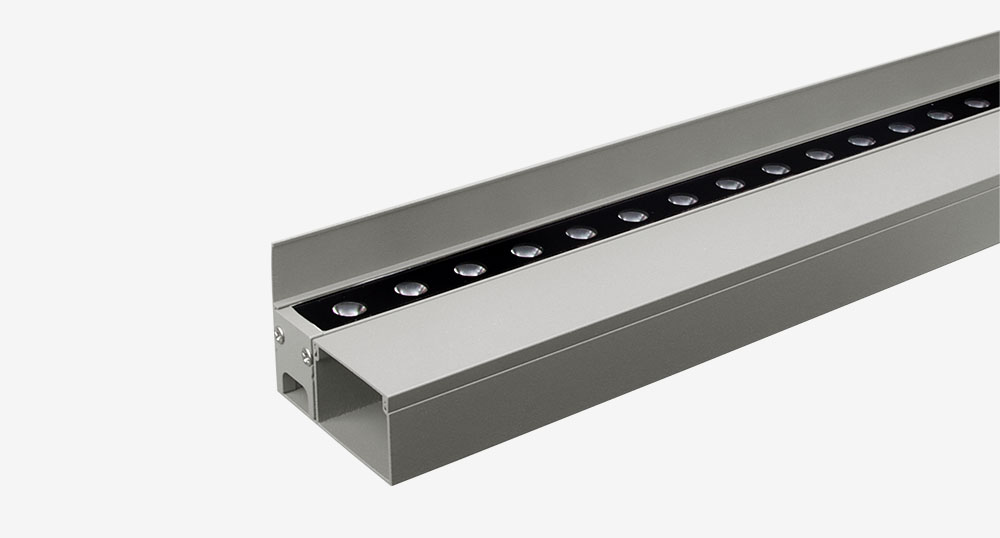
For projects involving linear wall grazing, facade lighting or landscape features, the proposed optical configuration should be checked against the intended surface and viewing conditions before installation.
Light trespass occurs when unwanted light reaches an area where it is not intended or desired, such as neighboring properties, residential windows, roads or environmentally sensitive land.
It can result from excessive output, unsuitable optics, poor aiming, inappropriate mounting height or inadequate control of operating hours.
A useful tender specification identifies the locations where light trespass must be assessed and the criteria that apply at those locations.
Depending on the project, the assessment may consider:
Illuminance at property boundaries or designated receptor points
Light reaching windows or other sensitive surfaces
Luminaire aiming and high-angle output
Operating conditions and dimming levels
The applicable local limits and calculation method
Avoid using vague acceptance language such as “no light spill” without defining how compliance will be evaluated.
IES photometric files can help lighting designers model light distribution and calculate illuminance at selected points. They are useful for evaluating the proposed layout, but the results depend on the accuracy of the input data and the assumptions used in the calculation.
When using IES photometric files to verify uplight output, verify that the file corresponds to the exact luminaire, optic, output and relevant configuration being proposed.
The calculation should also reflect the actual mounting height, orientation, aiming, spacing and site geometry. If the project uses shields or accessories that alter the distribution, ensure that the photometric evidence represents the proposed arrangement.
An IES file alone does not establish DarkSky Approved status or prove compliance with every local lighting requirement. It is one part of a broader verification process.
Even when a fixture produces little direct uplight, light reflected from bright paving, walls or other surfaces can contribute to the overall brightness of the environment.
Surface reflectance, illuminated area and output levels should therefore be considered during design. Reducing unnecessary illumination can be as important as selecting an appropriate luminaire.
A dark-sky-oriented lighting design should consider not only where light is directed but also when and how much light is used.
Controls can help reduce unnecessary illumination during periods when full output is not required. The appropriate solution depends on the project, operating schedule and compatibility of the installed equipment.
Possible control strategies include:
Photocells for switching in response to ambient light
Astronomical timers for scheduled operation
Time-based curfews
Dimming during periods of lower activity
Occupancy-responsive control where appropriate
Centralized lighting management for larger developments
Not every site needs a complex control system. A simple, reliable schedule may be sufficient for some applications, while a large resort or municipal development may benefit from zone-based control.
The specification should define the intended operating behavior rather than simply requesting “smart lighting.” Include switching times, permitted dimming levels, control interfaces, override requirements and commissioning procedures where relevant.
Before selecting equipment, verify compatibility among the luminaire, driver, dimmer and control platform. Do not assume that a fixture supports every control protocol or that all dimming methods deliver equivalent performance.
Where the project includes cameras, sensitive visual effects or demanding low-level dimming, review flicker performance under the actual operating conditions. A dark-sky-oriented design does not automatically guarantee flicker-free operation.
Tender requirements should describe the required lighting performance and identify the documents needed to demonstrate compliance.
A clear specification helps contractors and procurement teams compare products consistently and reduces the risk of approving a fixture based only on a general marketing claim.
| Specification item | What to define |
|---|---|
| Application | Pathway, park, road, facade, landscape or other intended use |
| Uplight control | Required optical distribution and applicable uplight limits |
| BUG rating | Required classification, where applicable |
| Glare and backlight | Relevant criteria for the installation and surrounding environment |
| CCT and spectral requirements | Project limits and supporting evidence, where required |
| Light trespass | Assessment points, calculation method and applicable limits |
| Controls | Switching, dimming, scheduling and control-interface requirements |
| Environmental protection | Required IP rating and other project-specific environmental criteria |
| Product documentation | Datasheets, photometric files, test evidence and required approvals |
| Certification | Exact certification program and product status, if mandatory |
| Installation | Mounting height, orientation, aiming and accessory requirements |
| Commissioning | Required checks, measurements and handover records |
During procurement, request documents that correspond to the exact model and configuration offered.
Depending on the tender, these may include:
Product datasheets and ordering codes
IES photometric files
BUG classification evidence, where required
CCT and relevant spectral information
Shielding and accessory details
Control and dimming specifications
Installation and maintenance instructions
Applicable test reports or third-party certification records
A list of exceptions or deviations from the specification
A structured process for verifying DarkSky compliance documentation during vendor assessment helps procurement teams check whether the proposed product actually meets the tender requirements.
Confirm that the product identifier, optical configuration, CCT, shielding and supporting documents match the model being evaluated. If a project specifically requires a DarkSky Approved product, verify the relevant product and status through the official program listing.
Do not treat a general supplier declaration, a BUG rating or an IES file as interchangeable with formal certification. Each document serves a different purpose, and the required evidence depends on the tender.
Several recurring specification mistakes can make compliance difficult to demonstrate or reduce the effectiveness of the installed system.
A warm color temperature may be appropriate, but it does not by itself establish suitable light distribution, low spill or ecological compatibility.
Better approach: Specify color characteristics alongside shielding, output, aiming, operating schedules and any project-specific spectral requirements.
A particular uplight classification does not automatically mean that a product has been approved under a separate certification program.
Better approach: State the required classification and certification separately, then verify each against the appropriate evidence.
A file for a similar product may not accurately represent the fixture being installed, especially if optics, output or shielding differ.
Better approach: Match photometric data to the exact product configuration and use it in a calculation based on the actual site layout.
A design may meet requirements within the project boundary while still creating unwanted light at windows, adjacent roads or sensitive natural areas.
Better approach: Identify relevant receptors and assessment points early, and include them in the photometric review.
A fixture may have dimming capability, but that does not establish how the installed system will operate after hours.
Better approach: Define schedules, curfews, dimming behavior, control compatibility and commissioning requirements in the tender.
Phrases such as “dark-sky compliant,” “low pollution” or “fully certified” may not demonstrate compliance with the actual project requirements.
Better approach: Request model-specific evidence and document any deviations before approving the submittal.
There is no single characteristic that establishes compliance for every project. The relevant requirements may include uplight control, light distribution, glare, CCT, operating schedules, local ordinances and formal certification. The project specification should identify the applicable criteria.
No. A BUG classification describes aspects of a luminaire's light distribution. DarkSky Approved is a separate program with its own applicable criteria and product verification. Confirm the requirements and evidence for the specific project.
Not universally. CCT limits depend on the applicable regulation, certification program, environmental context and project requirements. Some sensitive locations may require warmer or more specialized light sources.
An IES file supports photometric analysis, including calculations of light distribution and illuminance. It does not, by itself, prove compliance with every dark-sky requirement or establish formal certification.
No. Shielding can reduce unwanted light, but results also depend on output, aiming, installation geometry, reflected light and operating schedules. The full installation should be evaluated.
Potentially, depending on the local rules and project conditions. The design should minimize unnecessary spill and upward-directed light, use appropriate output and controls, and satisfy any applicable restrictions or approvals.
Depending on the tender, relevant documents may include product datasheets, model-matched IES files, BUG classification evidence, CCT information, installation details, control specifications and formal certification records where required.
Dark-sky-oriented outdoor lighting requires more than selecting a fixture with a low CCT or a particular product label. Reliable project specifications coordinate optical distribution, uplight control, glare, light trespass, operating schedules and documentation requirements.
For designers and contractors, the most effective approach is to define measurable criteria early, use photometric data that matches the proposed products, and review supplier evidence against the applicable project requirements.
For municipal, commercial, landscape and hospitality developments, HIPO Lighting supports outdoor lighting projects across architectural, landscape, roadway, tunnel and industrial applications. Product selection should be based on the intended application, required optical performance, environmental conditions and verified technical documentation for the proposed model.
Planning an outdoor lighting project? Contact HIPO Lighting to discuss your project requirements, review suitable product options and request the technical documentation needed for specification and procurement.